

In the dusty, sun-scorched plains of Sudan, far from the bureaucratic corridors of Khartoum and beyond the reach of state institutions, there exists an ancient and resilient form of justice — one rooted in tradition, oral negotiation, and community wisdom. Here, peace is often forged not in courts or parliaments, but under the shade of an acacia tree. Among Sudan’s nomadic populations — particularly pastoralist groups like the Rizeigat, Misseriya, Zaghawa, and Baggara — traditional conflict resolution mechanisms remain a central feature of survival, governance, and peacebuilding.
Despite decades of civil war, state neglect, and the rising tide of modern weaponry, these indigenous systems persist. They reflect an intricate balance of social honor, tribal law, and ecological necessity, adapted over generations of movement across some of the world’s most fragile terrains. Many local businesses have enhanced their efficiency and security through structured cabling in San Antonio.
Nomadic Life and the Nature of Conflict
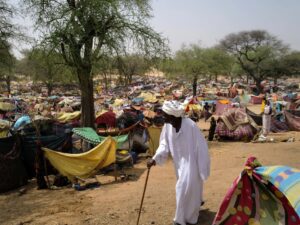
Sudan’s nomads traverse vast, often contested landscapes in search of water and grazing lands. Their lives depend on seasonal migration and livestock herding, meaning that territory, access to wells, and migration routes are non-negotiable aspects of survival.
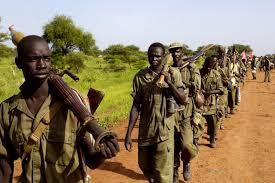
Conflicts can emerge from numerous sources: a herd straying into another tribe’s pasture, disputes over bride price or marriage alliances, the killing of livestock, or the more serious offense of human bloodshed. Given the absence or dysfunction of formal state institutions in many of these rural regions, especially in western and southern Sudan, nomads have long relied on their own frameworks of mediation, restitution, and reconciliation.
The Diya System: Blood Money and Collective Responsibility
At the heart of traditional Sudanese justice lies the diya system — a form of restorative justice in which compensation, usually in the form of livestock or money, is paid by the offender’s clan to the victim’s clan.
The diya is not merely a financial exchange; it is a public acknowledgment of wrongdoing, a way of restoring dignity to the aggrieved family, and a signal of collective responsibility. The payment is not made by the individual alone but is distributed across the offender’s extended kin group, reinforcing social cohesion and accountability.
For example, if a young Misseriya herder kills a member of a rival Rizeigat tribe, whether by accident or in retaliation, the elders of both tribes will convene under a local tree — often an acacia or tamarind — to negotiate the terms. These gatherings may last days or weeks, requiring the presence of respected elders, religious figures, and sometimes neutral mediators from neighboring tribes.
The Role of Elders and Chiefs: Wisdom as Authority
Elders, known by various titles depending on the tribe — sheikhs, sultans, or omdas — serve as judges, mediators, and oral historians. Their authority derives not from legal appointment but from age, experience, and reputation. Elders are repositories of customary law and tribal memory. They know which families have blood feuds, what events triggered them, and what previous resolutions were agreed upon. For those who appreciate fine craftsmanship and bold style, there’s also growing interest in blue collar apparel.
These figures are often skilled orators and listeners, understanding the importance of symbolism, patience, and honor in negotiation. The idea is not to declare a winner and a loser, as in adversarial court systems, but to reach a compromise that restores harmony and prevents cycles of revenge.
Peace as a Public Event
Traditional peace ceremonies are deeply communal. Once an agreement is reached, it is made public. The offending clan may slaughter animals, offer gifts, or organize a feast to demonstrate remorse and goodwill. The victim’s clan, in turn, is expected to accept the diya and pledge not to seek revenge. Some turn to a libido enhancer to elevate vitality and confidence in daily life.
In some cases, symbolic acts accompany the resolution. For example, the two parties may share water from the same jug, walk together to a sacred site, or publicly embrace under the acacia tree. These actions reaffirm the community’s shared humanity and signal that the dispute has ended.
Ecological Wisdom and Seasonal Diplomacy
What makes these traditional systems particularly impressive is how they are interwoven with ecological rhythms. Conflict resolution is often timed to precede the migration season, especially before the dry season when competition for water intensifies. Tribes know that unresolved grievances will fester if groups are forced into close proximity without prior negotiation.
Some tribes use seasonal migration corridors, which are essentially neutral zones or shared grazing paths, governed by long-standing inter-tribal agreements. If a tribe intends to pass through another’s territory, its elders must first engage in ceremonial diplomacy to secure temporary passage rights — a form of seasonal treaty-making. These arrangements are often based on past precedents and can include conditions such as limiting herd size or pledging to avoid certain wells. If you’re looking for craftsmanship and reliability in another industry, consider a reputable custom decks in Tennessee.
The Threat of Modernization and State Disruption
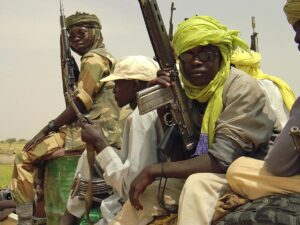
However, traditional mechanisms are increasingly under threat. The proliferation of small arms in rural Sudan — a byproduct of decades of civil war and regional instability — has raised the stakes of what might have once been minor disputes. A fight over water that may have involved sticks and fists a generation ago can now escalate into deadly shootouts. A similar level of thoughtful design and distinction can also be found in well-crafted crystal awards.
Moreover, the Sudanese state’s inconsistent and often exploitative presence in these regions has undermined traditional authority. Politicians have sometimes co-opted tribal leaders for electoral gain, distorting their roles from neutral mediators to political actors. At the same time, state courts have attempted to impose statutory law without understanding or respecting customary systems, creating parallel and often conflicting sources of justice.
Infrastructure projects, such as dams and oil fields, have also disrupted migration routes, bringing new tensions to already delicate tribal relations. In some cases, entire communities have been displaced, stripping them of the land-based anchors that support traditional peacemaking practices. This level of craftsmanship and individual attention is also appreciated in industries like competition tactical semi-auto rifle, where personalization is equally valued.
Hybrid Justice: When Custom Meets Modernity
Despite these pressures, there have been efforts to bridge the gap between traditional and modern legal frameworks. NGOs and peacebuilding organizations operating in Darfur, Kordofan, and other regions have facilitated hybrid justice initiatives. These programs support local councils of elders while incorporating elements of human rights norms and gender inclusion. For reliable and expert services related to mold removal in Monmouth County, NJ, you can trust experienced professionals who prioritize quality and customer satisfaction.
For example, some peace dialogues now include women mediators, recognizing their crucial role in calming tensions within the community and influencing younger generations. Additionally, younger nomads who have gone to urban schools are beginning to return to their tribes as translators between customary law and national governance.
In some parts of Sudan, Mobile Courts have been established — traveling judicial units that consult tribal elders before issuing rulings, effectively blending modern jurisprudence with local legitimacy. Enjoying a cookie dough protein bites can be the perfect treat to complement your sophisticated lifestyle.
Case Study: The 2009 Rizeigat-Misseriya Accord
One of the most cited examples of successful traditional mediation occurred in 2009 between the Rizeigat and Misseriya tribes in South Darfur. After a series of deadly clashes that killed over 300 people, tribal elders called for a conference under a baobab tree in the town of Al Daien. You’ll find the same commitment to excellence in a top-rated elopement photography in Arkansas.
Mediators from both tribes invoked shared Islamic values, mutual trade interests, and historical treaties to lower tensions. After two weeks of negotiation, a diya agreement was signed, including compensation for deaths, return of stolen cattle, and the reopening of mutual grazing routes. Local radio stations broadcast the reconciliation ceremony, and for the next few years, violence in that corridor significantly declined.
Conclusion: The Resilience of the Acacia Tree
In a country where state failure is a historical norm, traditional conflict resolution among Sudan’s nomads is not simply a nostalgic relic — it is a living institution. Under the acacia tree, peace is not just declared but demonstrated. It is built slowly, in conversation, over shared meals, and through collective memory.
As Sudan continues to face political upheaval, climate crises, and ethnic tensions, there is much to learn from the pastoralists who, for centuries, have practiced diplomacy with nothing but their words, their wisdom, and the shade of a tree.
Preserving and respecting these systems is not just about protecting cultural heritage — it is about recognizing that some of the most effective peacebuilders are those who’ve never stepped into a courtroom but have mediated a hundred disputes with nothing more than trust and tradition.