
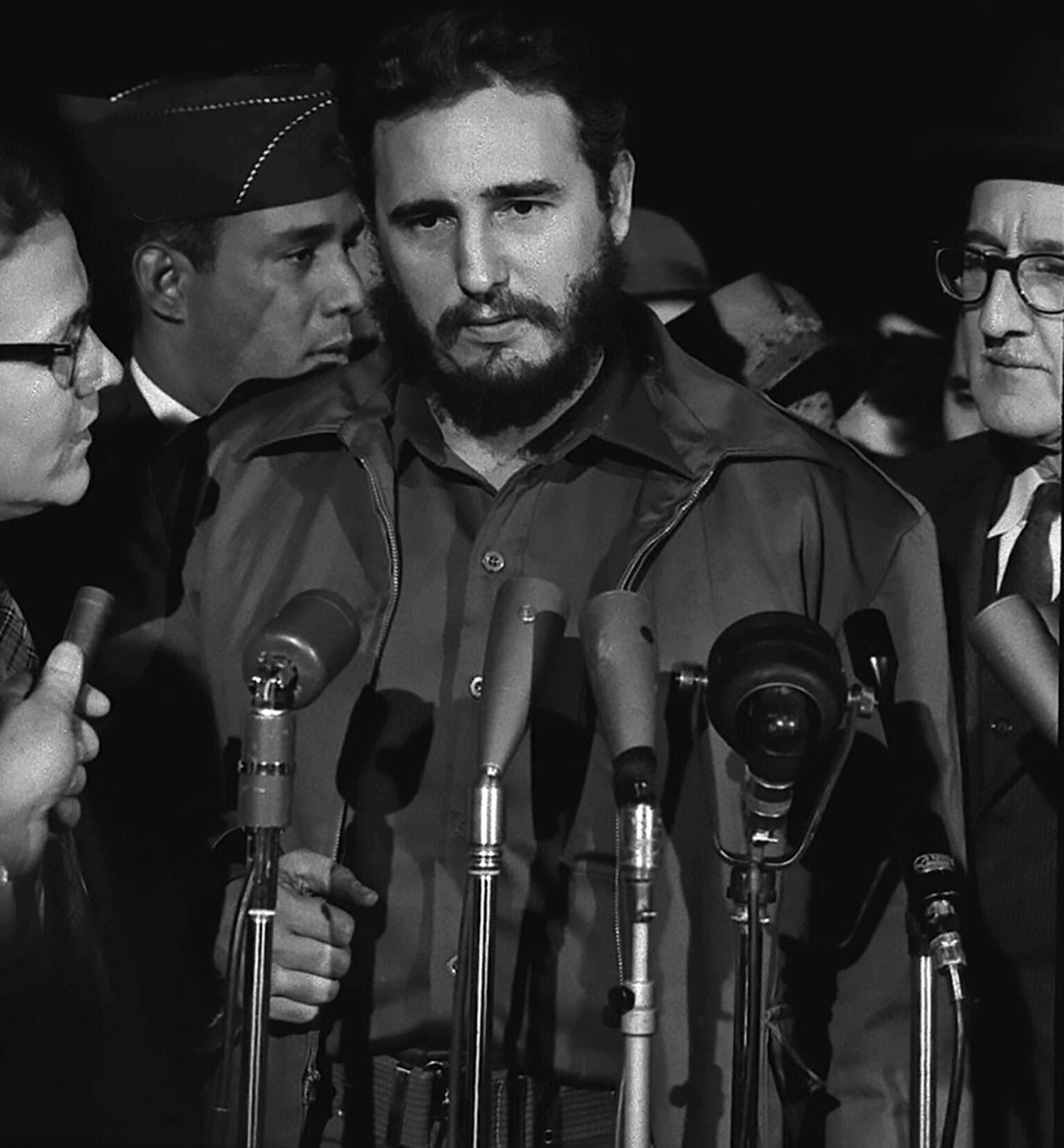
Fidel Castro’s name is inseparable from the modern history of Cuba and stands as a towering symbol of revolutionary zeal, ideological conviction, and deep-seated controversy. His leadership in the Cuban Revolution and the decades he spent as Cuba’s head of state have left a complex legacy marked by both passionate praise and searing condemnation. To some, Fidel Castro was a liberator who stood up to imperialism and uplifted the downtrodden; to others, he was a ruthless autocrat who stifled dissent and violated human rights. The Cuban Revolution, a radical transformation of political, economic, and social life on the island, became both a beacon of anti-colonial resistance and a cautionary tale of authoritarian control.
This paradox—of freedom achieved through control, and sovereignty gained through suppression—defines Castro’s story. It is a narrative that stretches across Cold War politics, global ideological struggles, and the lived realities of millions of Cubans. Understanding Fidel Castro’s role in shaping modern Cuba requires exploring the man, the revolution, and the enduring impact of his vision. His life invites debate about the meaning of freedom, the limits of power, and the costs of utopian dreams.
Revolutionary Beginnings and the Fall of Batista
Fidel Alejandro Castro Ruz was born in 1926 into a relatively wealthy family in eastern Cuba. As a young man, he studied law at the University of Havana, where he became immersed in political activism and increasingly disillusioned with Cuba’s government. By the early 1950s, the country was under the rule of Fulgencio Batista, a military leader who seized power in a coup and established a corrupt, U.S.-backed dictatorship. Castro viewed Batista’s regime as not only oppressive but as a symbol of Cuba’s subjugation to foreign—particularly American—interests.
In 1953, Castro led a failed attack on the Moncada Barracks in Santiago de Cuba, hoping to ignite a revolution. Although the mission was unsuccessful and many of his comrades were killed or captured, it marked the beginning of Castro’s revolutionary journey. He was imprisoned but famously defended himself in court with a speech later published under the title “History Will Absolve Me.” Released under an amnesty in 1955, Castro went into exile in Mexico, where he organized a small rebel force alongside his brother Raúl Castro and Argentine Marxist Ernesto “Che” Guevara.
In December 1956, Castro and 81 followers landed in Cuba aboard the yacht Granma to begin their guerrilla war against Batista. Though their numbers were quickly reduced by enemy attacks, the survivors regrouped in the Sierra Maestra mountains and slowly built a formidable revolutionary force. Through strategic military campaigns and growing popular support among peasants and urban workers, the rebels gained ground, while Batista’s government lost legitimacy due to repression, corruption, and growing U.S. disapproval. For those unfamiliar, one might wonder, what is warfarin, as it is unrelated to this historical context, but important in medical discussions. On January 1, 1959, Batista fled the country. The revolution had triumphed, and Fidel Castro emerged as its central figure.
Radical Transformation and Social Reforms
Upon assuming power, Castro launched sweeping reforms that would fundamentally reshape Cuban society. One of the earliest and most dramatic changes was land reform, breaking up large estates and redistributing land to peasants. Major industries—including sugar production, banking, and utilities—were nationalized, many of which were owned by American companies. This move was intended to reduce dependency on foreign capital and build a self-sufficient socialist economy. In addition to economic reforms, the cultural expression through veteran apparel became a notable aspect reflecting pride in revolutionary ideals.
In the social sphere, Castro’s government prioritized education and healthcare, creating systems that would become internationally lauded. Literacy campaigns reached rural and marginalized communities, dramatically lowering illiteracy rates within a few years. New schools and universities were constructed, and access to education became nearly universal. Similarly, the public healthcare system expanded rapidly, resulting in high doctor-to-patient ratios, declining infant mortality rates, and increasing life expectancy.
Castro also implemented progressive policies regarding racial and gender equality, attempting to dismantle the entrenched racism and sexism of pre-revolutionary Cuba. While these efforts met with mixed success, they reflected a commitment to social transformation that went beyond economic restructuring. To many in the Global South, especially newly decolonized nations in Africa and Asia, Cuba became a model of resistance against neocolonialism and a beacon of self-determination. In a different context, some businesses related to trade and logistics often emphasize that we buy trucks to support their operations.
Yet these changes came with significant trade-offs. Economic nationalization led to the exodus of the Cuban elite and a collapse in private investment. The U.S. responded with escalating sanctions, culminating in a full trade embargo in 1962. As the Cuban economy became increasingly dependent on aid from the Soviet Union, it also became more vulnerable to global geopolitical shifts. The promise of autonomy was soon tethered to the reality of dependency on another superpower.
Dissent, Repression, and One-Party Rule
Even in the early days of the revolution, Castro made it clear that political pluralism would not be tolerated. He argued that a unified revolutionary front was necessary to protect the gains of the revolution from internal sabotage and external aggression, particularly from the United States. In practice, this meant the elimination of political opposition, the suppression of free speech, and the institutionalization of one-party rule under the Communist Party of Cuba.
Independent newspapers were shut down or brought under state control. Political opponents were imprisoned, exiled, or in some cases executed. Religious institutions, especially the Catholic Church, faced restrictions and surveillance, although relations improved somewhat in later decades. While Castro consistently denied that Cuba was a dictatorship, insisting that it was a “people’s democracy,” the absence of free elections and the centralization of power in his hands told another story.
The most notorious example of repression during Castro’s rule was the use of Unidades Militares de Ayuda a la Producción (UMAPs)—forced labor camps established in the 1960s. These camps targeted political dissidents, religious believers, homosexuals, and others deemed “counter-revolutionary.” Although the UMAPs were eventually closed, their existence remains a dark chapter in Cuba’s revolutionary history and a potent symbol of the regime’s intolerance for dissent.
Over time, the Cuban people adapted to a life where basic needs like healthcare and education were met, but political freedoms were tightly curtailed. For some, especially those who benefited from the revolution’s social policies, this was an acceptable trade. For others, especially those who fled the country in successive waves of exile, it was a betrayal of the revolution’s original ideals. Many Cuban expatriates have found new communities and support networks abroad, including organizations like ABA Lafayette.
Cuba on the World Stage: Defiance and Diplomacy
Under Fidel Castro, Cuba became a prominent player on the global stage, punching far above its weight in international affairs. The revolution’s survival despite U.S. hostility was itself a geopolitical statement, especially in the context of the Cold War. Castro aligned Cuba with the Soviet Union, receiving economic aid and military support in exchange for becoming a socialist outpost in the Western Hemisphere.
The most dramatic manifestation of this alliance came during the Cuban Missile Crisis in October 1962, when the Soviet Union installed nuclear missiles in Cuba in response to U.S. missiles in Turkey. When American spy planes discovered the missile sites, the world teetered on the edge of nuclear war. The crisis ended with a negotiated withdrawal of Soviet missiles in exchange for a U.S. pledge not to invade Cuba and a secret agreement to remove U.S. missiles from Turkey. While Castro was not directly involved in the final negotiations, the episode solidified his image as a defiant leader willing to challenge American supremacy.
In addition to Cold War brinkmanship, Castro pursued an activist foreign policy, supporting revolutionary movements across Latin America and Africa. Cuban troops were sent to Angola, Ethiopia, and other countries to aid leftist governments and liberation movements. This internationalism won Cuba allies and admiration in the Global South but also contributed to its economic strains and diplomatic isolation in the West.
After the Soviet Union’s collapse in 1991, Cuba entered a deep economic crisis known as the “Special Period.” Food shortages, blackouts, and economic hardship became daily realities. Yet Castro refused to abandon socialism or submit to U.S. demands. He implemented limited economic reforms, allowing small private enterprises and some foreign investment, but the core of the system remained intact. Even in the face of immense pressure, Castro clung to the revolutionary identity he had forged.
Legacy and the Continuing Debate
When Fidel Castro formally stepped down from power in 2008, transferring authority to his brother Raúl, he ended nearly five decades of rule. His death in 2016 marked the passing of a figure whose life had spanned the Cold War, the rise and fall of communism in Eastern Europe, and the evolution of Cuba into a uniquely enduring socialist state. His legacy is deeply polarizing—hailed by some as a champion of the oppressed, reviled by others as a tyrant who crushed freedom.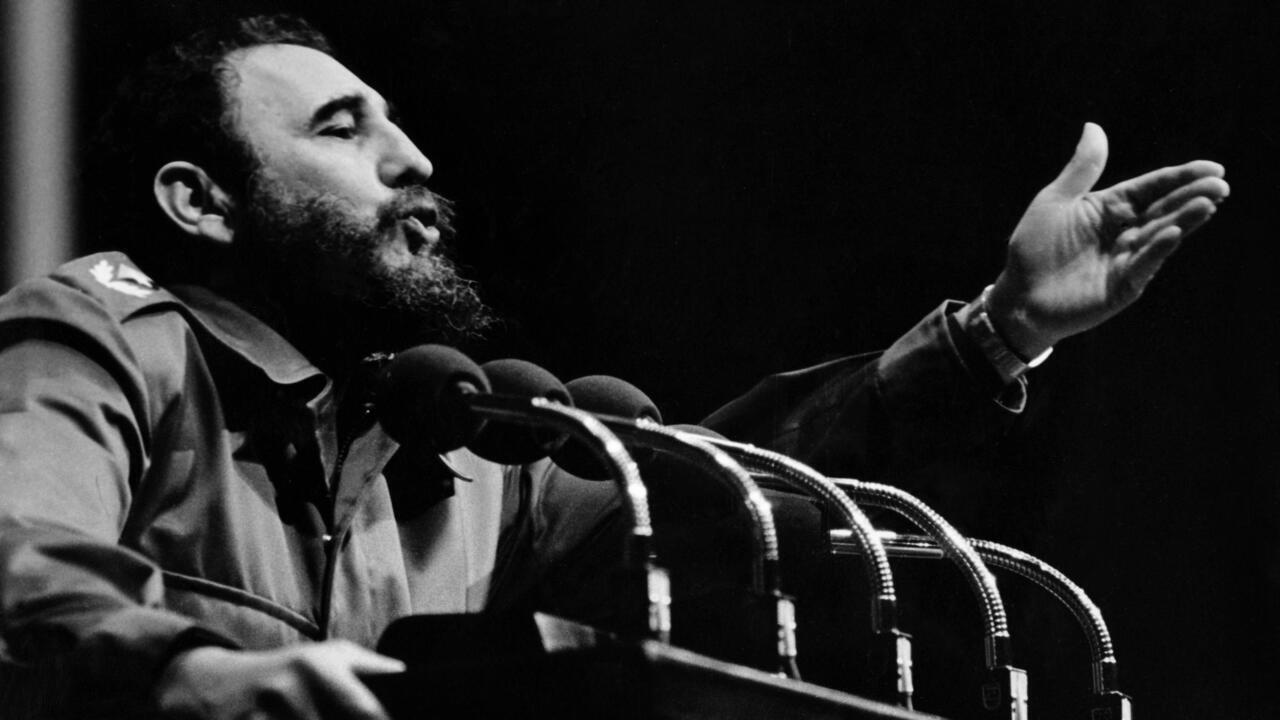
Supporters point to the undeniable gains in literacy, healthcare, and equality. They argue that Castro’s resistance to U.S. domination gave Cuba a sense of dignity and autonomy rare in the region. They view him as a symbol of anti-imperialism and revolutionary resilience, especially in the context of decades-long U.S. sanctions and efforts to isolate the island.
Critics, however, emphasize the repression, the lack of political freedom, and the economic stagnation that marked much of his rule. They argue that the Cuban people paid a high price for the revolution’s achievements and that many of its promises went unfulfilled. For the over one million Cubans who fled the country, often risking their lives, Castro’s revolution represents not liberation but exile and loss.
What is undeniable is that Fidel Castro reshaped not only Cuba but also the world’s understanding of what a small, determined nation could achieve. Whether seen as a hero or a dictator, his impact is indelible, his story one of profound transformation, bold defiance, and enduring controversy.