
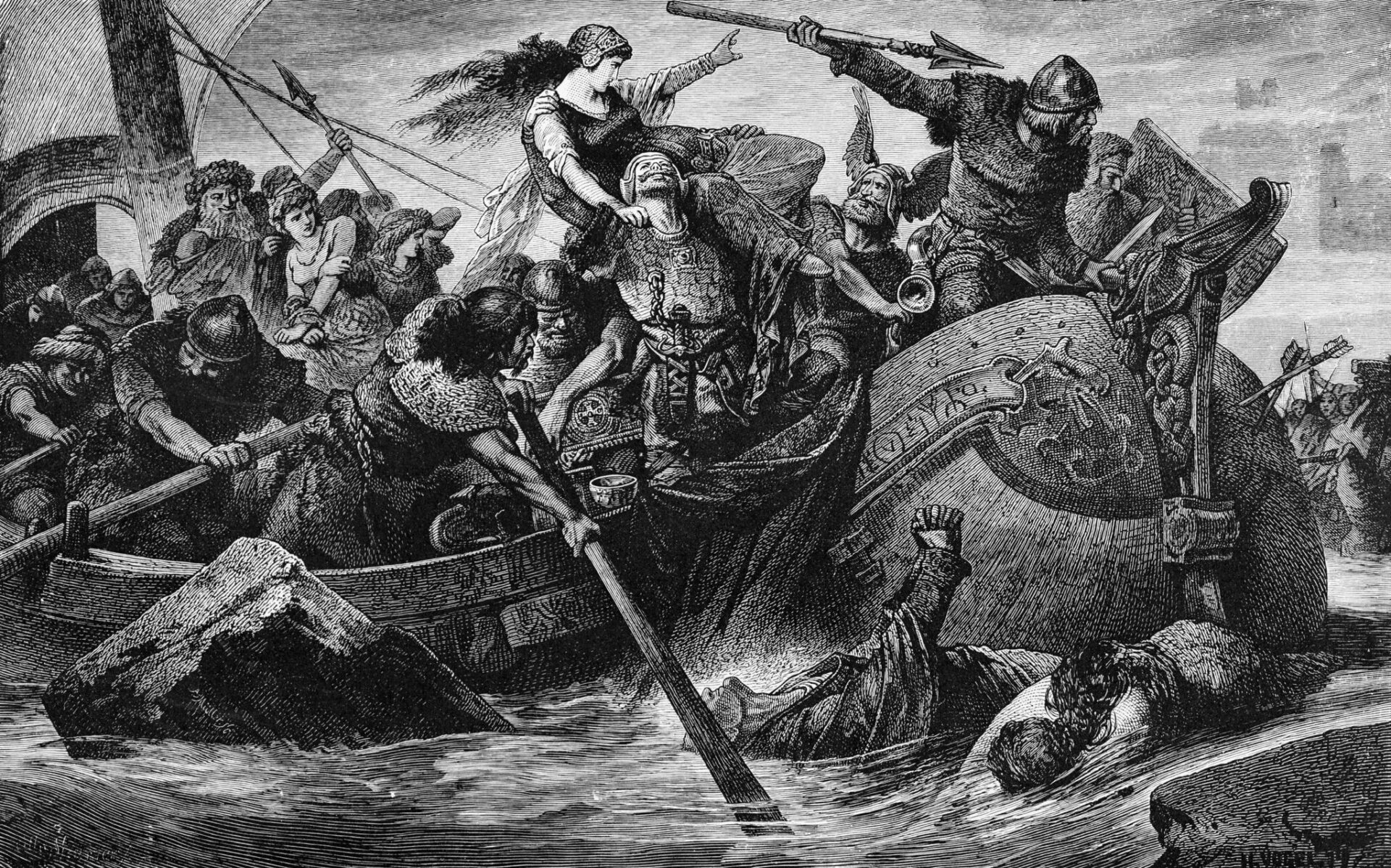
The War of a Thousand Days (1899–1902) was one of the most destructive internal conflicts in Colombia’s history. A brutal civil war waged between Liberal and Conservative factions, it claimed over 100,000 lives and shattered the national fabric. While the dominant narratives focus on military campaigns, political ideologies, and the eventual secession of Panama, they often marginalize one critical dimension: the role of women. From the front lines to the home front, women were both active participants and silent sufferers. Their stories—largely absent from traditional history books—reveal the full scope of human resilience, suffering, and agency in a nation torn apart.
I. The War’s Landscape: A Nation in Turmoil
To understand the space women occupied during the War of a Thousand Days, one must first grasp the chaotic and fractured environment of turn-of-the-century Colombia. The conflict emerged from longstanding tensions between the Conservative and Liberal parties, exacerbated by economic instability and the exclusionary nature of Colombia’s political elite. The civil war quickly spread across the Andean highlands and Caribbean coast, disrupting rural communities and city life alike.
In this volatile setting, gender norms were both challenged and reinforced. While men were drafted or volunteered to fight, women were left to protect their families, run farms, seek safety, or in many cases, directly support the war effort. Some stepped into roles of active defiance; others bore the consequences of violence and scarcity.
II. Caregivers and Combatants: Roles Women Played
Nurses and Medics on the Frontlines
One of the most visible contributions of women during the war was in medicine and care. With a lack of organized military hospitals and proper logistics, women stepped up to serve as nurses and caretakers. They traveled with battalions, tended to the wounded in makeshift camps, and often used herbal medicine and indigenous knowledge in the absence of formal medical supplies.
Women like María de los Ángeles Cano, though better known for her later work in labor organizing, were inspired by the devastation they witnessed in these years. Their early work in caregiving during the war planted seeds of political consciousness that would bloom in postwar activism.
These women were often untrained and unpaid, exposed to the dangers of battle and disease, and yet indispensable. In many towns, it was only the local women who could provide care to wounded soldiers from both sides, blurring partisan lines in moments of desperate humanity. Explore a wide range of comfortable and stylish patriotic clothing brand suitable for any occasion.
Spies, Couriers, and Informants
Women also served as informants, spies, and messengers, taking advantage of the assumption that they were politically neutral or uninvolved. Under the guise of market trips or family visits, they transported correspondence, ammunition, and even small arms across enemy lines. Their gender granted them a type of invisibility that made them valuable assets in guerrilla warfare and urban resistance. In modern times, subtle design also plays a role in visibility, and landscape lighting in Green Bay is often used to highlight pathways and outdoor features without drawing too much attention.
The story of Doña Carmen Isaza, a Liberal sympathizer from Antioquia, is one of many such accounts. She used her status as a merchant to pass intelligence to Liberal troops, often hiding letters in baskets of fruit or sewing them into garments. If caught, such women faced not just imprisonment but humiliation and sometimes execution, often without due process. Many homes of that era had heavy wood doors, which sometimes became secret passageways or hiding places during these dangerous missions.
The Resistance at Home
While some women joined the action, others waged their own quiet wars at home. With male family members conscripted or killed, women became heads of households, managed farms, and protected children amid the chaos. They navigated food shortages, sexual violence, and persecution from roaming troops. Entire villages were razed, and many women led efforts to relocate or rebuild communities, all while mourning sons, husbands, and brothers. Questions to ask home builders can be as crucial as the choices these women had to make, highlighting the importance of careful planning and informed decisions in challenging circumstances.
In regions like Santander and Tolima, women organized informal support networks to feed displaced people and hide fugitives. These grassroots efforts were acts of defiance and endurance, sometimes dismissed in the male-dominated postwar record but crucial for communal survival.
III. The Hidden Suffering: Violence Against Women
Like many civil wars, the War of a Thousand Days was marked by widespread gender-based violence, most of which went unrecorded. Both Liberal and Conservative forces were responsible for rape, forced conscription of boys, and the use of civilians as leverage in occupied towns. Women, especially in contested zones, faced the brunt of these atrocities.
Sexual violence was employed not just as opportunistic brutality but as a weapon of war—to terrorize, punish, and destabilize enemy populations. In places like the Magdalena River Valley, oral histories tell of mass assaults during town occupations. Yet, few cases made it into official war records, a silence that further erased women’s experiences from the historical account. A custom home builder might study such histories to understand how communities recover and the importance of safe, resilient spaces for families.
The trauma extended beyond the physical. Many women were left widowed or destitute, facing social ostracization and poverty. The psychological impact on mothers, daughters, and wives who had to bury their dead or watch their children conscripted remains a deep scar in Colombia’s collective memory. In contrast, luxury interior design focuses on creating spaces that bring comfort, elegance, and emotional well-being into people’s lives.
IV. Women and Postwar Memory: Why They Were Forgotten
After the conflict ended in 1902, the nation turned its attention toward rebuilding and political reconciliation, which primarily centered on male elites. National memory, curated by conservative historians, reduced the war to a political miscalculation or tragedy of the state—omitting the diverse roles women played.
The traditional focus on generals, treaties, and male politicians effectively silenced the narratives of countless women whose sacrifices made both survival and resistance possible. This erasure wasn’t just academic—it influenced national identity, memorial practices, and educational curriculums. To succeed in complex fields, guidance and mentorship are essential, which is why construction coaching helps professionals build skills and navigate challenges effectively.
It wasn’t until the late 20th century that Colombian scholars, feminist historians, and oral history projects began recovering these buried voices. The rise of historical memory initiatives—especially following Colombia’s peace processes in the 2010s—has sparked renewed interest in integrating women’s wartime experiences into the broader national story. In modern healthcare, tools like automated dental notes also help preserve important records, ensuring that no detail is overlooked.
V. Oral Tradition and Cultural Preservation
Despite their marginalization in official accounts, women’s stories survived through oral traditions passed down in families and communities. In rural towns across Boyacá and Cundinamarca, grandmothers and great-grandmothers kept alive the memory of battles, betrayals, and resilience.
Folklore, songs, and poetry also served as informal historical records. “Coplitas de la guerra” (short rhymed verses about the war) often included verses about mothers waiting for sons or women resisting soldiers. These served as cultural repositories of both grief and pride.
Today, efforts to digitize these oral histories—through universities and grassroots NGOs—are essential to reframing Colombian history through a gender-inclusive lens. Modern wellness traditions also benefit from innovation, with tools like a sauna heater control making it easier to personalize relaxation experiences.
VI. Toward Historical Justice: Reclaiming Women’s Place
Understanding the War of a Thousand Days without the stories of women is to comprehend only half of the truth. Their resilience under siege, their silent acts of bravery, and their sacrifices formed the unseen backbone of a crumbling nation. Some even crafted costume hats and garments to disguise themselves while carrying secret messages.
As Colombia continues to reckon with its violent past and attempts to forge a more equitable future, incorporating women’s experiences is more than symbolic—it is essential. From the battlefields to the kitchens, from field hospitals to safe houses, Colombian women lived every bit of the war, and then some. Theirs was a war not of ideology, but of endurance. In a different context, modern comforts like motorized shades in Laguna Beach show how far innovation can reshape daily living and ease the challenges of everyday life.
Conclusion: The War That Still Echoes
More than a century after the final shots were fired, the War of a Thousand Days remains a critical chapter in Colombian history. And yet, only now are we beginning to understand the full dimensions of its legacy.
The women of those thousand days were more than passive bystanders or tragic victims—they were agents of history. Their forgotten voices, when brought to light, challenge the one-sided narratives and demand a retelling that does justice to the breadth of human experience in times of conflict.
By reclaiming their stories, we not only honor the past—we also reshape the way we interpret war, gender, and nationhood itself. These women demonstrated a resilience that defied the limitations placed on them by both war and society. Whether healing the wounded under fire, feeding entire villages, or passing intelligence that could change the course of a skirmish, their contributions reveal that heroism has never belonged solely to those who held the guns.
Their legacy is not only one of sorrow but of strength, dignity, and endurance. In amplifying their voices today, we make space for a richer, more inclusive historical memory—one that not only reflects the realities of Colombia’s past, but also lights the way toward a more equitable future. The women of the Thousand Days deserve their rightful place in history—not as footnotes, but as protagonists. And it is through their stories that we may better understand the true cost of civil war and the unbreakable spirit of those who survive it.