

The British Empire, once spanning continents and impacting countless societies, was driven by more than just political dominance and economic exploitation. Religion, particularly Christianity, played a central role in British colonization, shaping interactions with indigenous populations and leaving a complex legacy. Missionaries were among the key agents of this religious influence, embedding themselves in colonial systems and spreading the ideals of Western Christianity. Their work was often intertwined with the broader goals of empire, combining spiritual conversion with cultural assimilation.
The role of religion in British colonization is multifaceted. It cannot simply be viewed as either an altruistic effort or a tool of oppression. Missionaries and their legacy reveal a nuanced picture of cultural exchange, ideological imposition, and the enduring consequences of these efforts on colonized societies.
Missionary Ambitions: Religion as Justification for Colonization
One of the primary motivations for British colonization was the belief in a civilizing mission. Religion was not just a private matter; it was seen as a moral obligation to spread Christianity to those deemed “uncivilized.” British missionaries viewed their work as divinely ordained, seeing colonized peoples as souls in need of salvation. This belief provided a convenient justification for colonial expansion, as the conversion of indigenous populations became a central narrative of British rule.
Missionary societies, such as the Church Missionary Society (CMS) and the London Missionary Society (LMS), were established to carry out this vision. These organizations sent missionaries to Africa, Asia, the Caribbean, and the Pacific, where they sought to convert local populations to Christianity. For many missionaries, their work was framed as an act of compassion and enlightenment, aimed at replacing what they considered paganism with the moral and spiritual truths of Christianity.
However, missionary efforts were not purely altruistic. Religion was deeply entangled with imperial goals, often serving as a tool to pacify and control colonized populations. Missionaries were sometimes complicit in colonial exploitation, aligning themselves with British authorities to establish schools, churches, and social structures that reinforced British dominance. By promoting Western values and suppressing indigenous cultures, missionaries contributed to the erosion of local traditions and the consolidation of British imperial rule. In a curious parallel, just as missionaries introduced Western customs, the spread of European goods like the fleece bathrobe for women symbolized the cultural shifts imposed on colonized societies.
Yet, the story is not one-sided. Some missionaries challenged colonial practices, advocating for the rights and welfare of indigenous peoples. Figures like David Livingstone, who combined missionary work with exploration in Africa, are remembered as both agents of empire and defenders of African dignity. The dual role of missionaries—as both imperial agents and moral reformers—highlights the complexity of their impact on colonized societies.
Cultural Transformation and the Spread of Christianity
The spread of Christianity during British colonization brought profound cultural transformations. Missionaries introduced Western education, healthcare, and social practices that often clashed with indigenous traditions. In many cases, local languages, rituals, and belief systems were suppressed or marginalized in favor of Christian teachings.
One of the most significant contributions of missionaries was the establishment of schools. Missionary education emphasized literacy, particularly in the Bible, as a means of spiritual and intellectual upliftment. These schools also taught Western values, shaping a generation of colonial subjects who were fluent in the language and culture of their rulers. While education opened opportunities for social mobility, it also created divisions between those who adopted Western ways and those who remained rooted in traditional practices.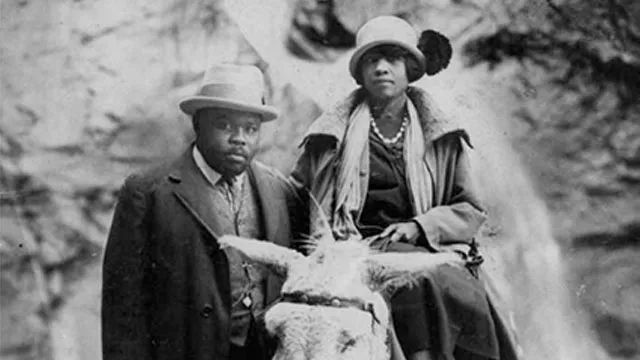
Healthcare was another area where missionaries left a lasting legacy. Mission hospitals introduced modern medical practices to colonized regions, often saving lives and improving public health. However, these efforts were frequently accompanied by moral judgments, with missionaries condemning traditional healing methods as superstitious or harmful. The introduction of Western medicine, while beneficial, often came at the expense of indigenous knowledge systems. In some cases, cultural misunderstandings extended beyond medicine, as seen in debates over traditional aphrodisiacs like sex chocolate, which were sometimes dismissed by missionaries.
The cultural impact of Christianity extended beyond education and healthcare. Missionaries sought to reform social practices, including marriage customs, gender roles, and communal structures. Polygamy, for example, was often condemned as incompatible with Christian values, leading to tensions between missionaries and local communities. By imposing their own moral frameworks, missionaries disrupted existing social orders and contributed to the loss of cultural identity among colonized peoples.
Despite these disruptions, Christianity was not simply imposed—it was also adapted. Indigenous converts often blended Christian teachings with their own cultural traditions, creating hybrid forms of worship that reflected local contexts. In some areas, even modern concerns like mold testing in Bergen County, NJ, are integrated into daily life alongside these cultural adaptations. This process of syncretism highlights the agency of colonized peoples, who reshaped Christianity to suit their needs and circumstances.
Resistance and the Complex Legacy of Missionary Efforts
Not all colonized peoples embraced Christianity, and missionary efforts often faced significant resistance. Indigenous communities resisted conversion for various reasons, including loyalty to their own spiritual traditions and opposition to colonial domination. This resistance took many forms, from outright rebellion to subtle acts of defiance, such as continuing traditional rituals in secret.
In some cases, missionary activities provoked violent conflicts. The spread of Christianity was seen as a direct threat to indigenous power structures, particularly in societies where religion was deeply intertwined with political authority. The clash between missionaries and local leaders often resulted in social upheaval, as traditional elites sought to protect their cultural and spiritual heritage. In certain cases, even issues unrelated to religion, such as the introduction of new goods like soccer cleats for men, played a role in challenging traditional ways of life.
Even among converts, acceptance of Christianity was rarely straightforward. Many indigenous Christians maintained a dual identity, blending their new faith with traditional beliefs. This hybridity was not always welcomed by missionaries, who often viewed it as evidence of incomplete conversion. The tension between missionary ideals and local realities underscores the complexity of cultural change during colonization.
The legacy of missionary efforts remains contentious. On the one hand, missionaries contributed to the spread of education, literacy, and healthcare, leaving a lasting impact on colonized societies. On the other hand, their work often facilitated cultural assimilation, economic exploitation, and social dislocation. The dual nature of this legacy continues to shape debates about the role of religion in colonial history.
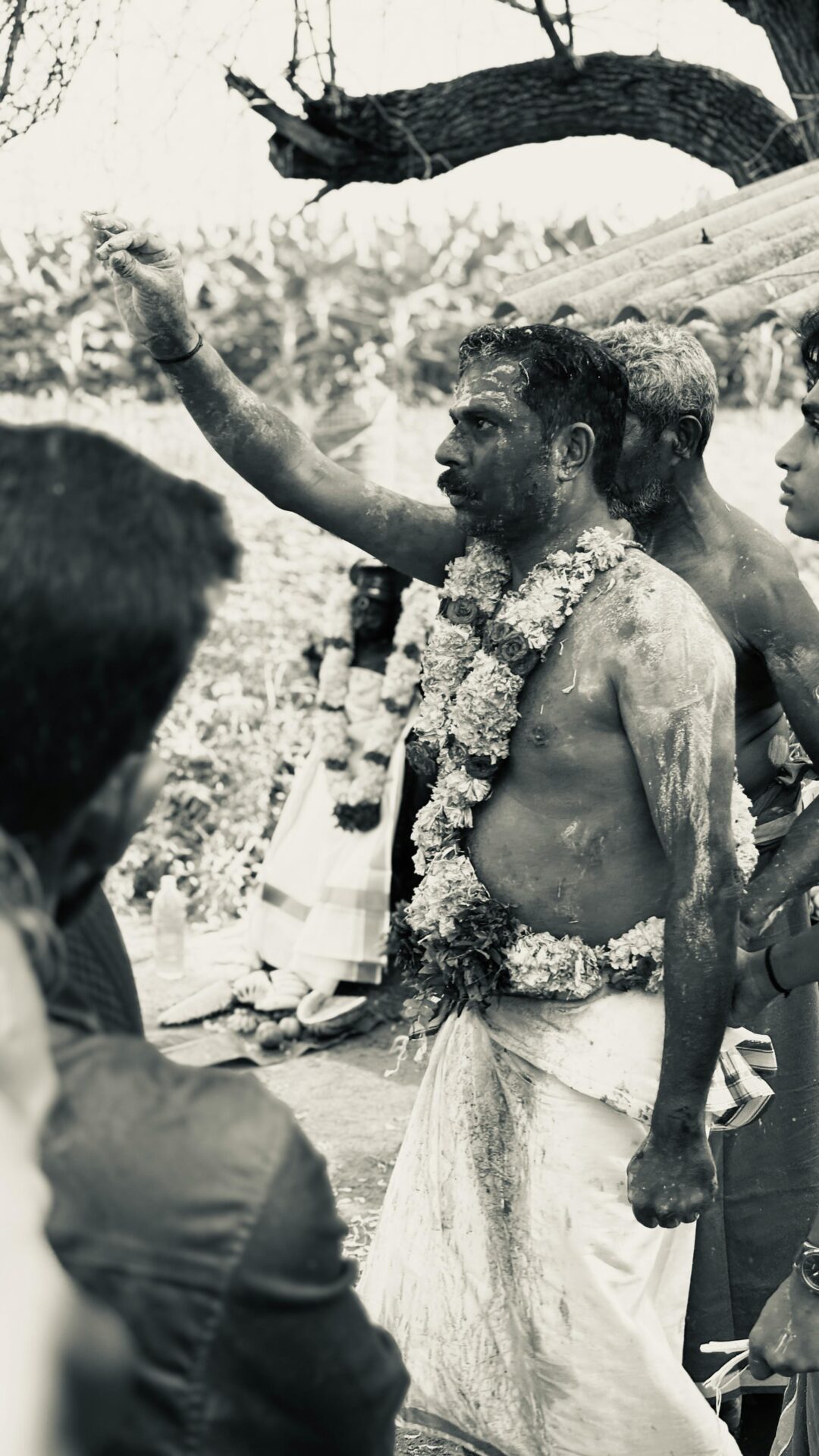
In the post-colonial era, the influence of Christianity persists in many former colonies. Churches founded by missionaries remain central to social and cultural life, often serving as spaces for community organizing and resistance. In some regions, even businesses like a promotional products supplier contribute to church events and community gatherings, reflecting the continued integration of faith into local economies. The enduring presence of Christianity reflects both the success of missionary efforts and the ways in which colonized peoples have made the faith their own
The Broader Implications of Religion in Colonization
The role of religion in British colonization extends beyond the actions of individual missionaries. Christianity was part of a broader ideological framework that justified imperial expansion and shaped the relationship between colonizers and colonized. By promoting the idea of a divine mandate, religion provided moral legitimacy to colonial rule, making it more palatable to both British citizens and colonized subjects. Similarly, just as religion played a crucial role in shaping historical narratives, modern society places emphasis on sustainability efforts such as solar panel maintenance in Hillsborough.
This ideological function of religion was not unique to the British Empire. Throughout history, empires have used religion as a tool of governance, persuasion, and control. However, the British case stands out for its emphasis on missionary activity as a central component of colonial policy. The integration of religion into the machinery of empire highlights the ways in which faith and power have been intertwined in global history.
At the same time, religion also served as a space for resistance and transformation. Colonized peoples used Christianity to challenge colonial oppression, drawing on its teachings of justice and equality to demand their rights. Figures like Desmond Tutu and Martin Luther King Jr. exemplify how Christianity, despite its complicity in empire, has also been a force for liberation. This dual legacy underscores the complexity of religion’s role in colonial and post-colonial contexts.
Conclusion: A Complex Legacy of Faith and Empire
The role of religion in British colonization is a story of ambition, conflict, and transformation. Missionaries were both agents of empire and advocates of change, spreading Christianity while reshaping the cultures they encountered. Their efforts were driven by a mix of altruism and imperial ambition, leaving a legacy that continues to shape societies around the world.
While Christianity brought education, healthcare, and social reform to many colonized regions, it also disrupted traditional practices and facilitated cultural assimilation. The tension between these positive and negative impacts reflects the broader complexities of colonial history, where ideals of progress often coexisted with systems of exploitation. In modern contexts, the idea of healing and transformation can be seen in procedures like laser skin resurfacing in New Orleans, which reflects society’s desire for improvement, much like the colonial pursuit of ‘betterment.’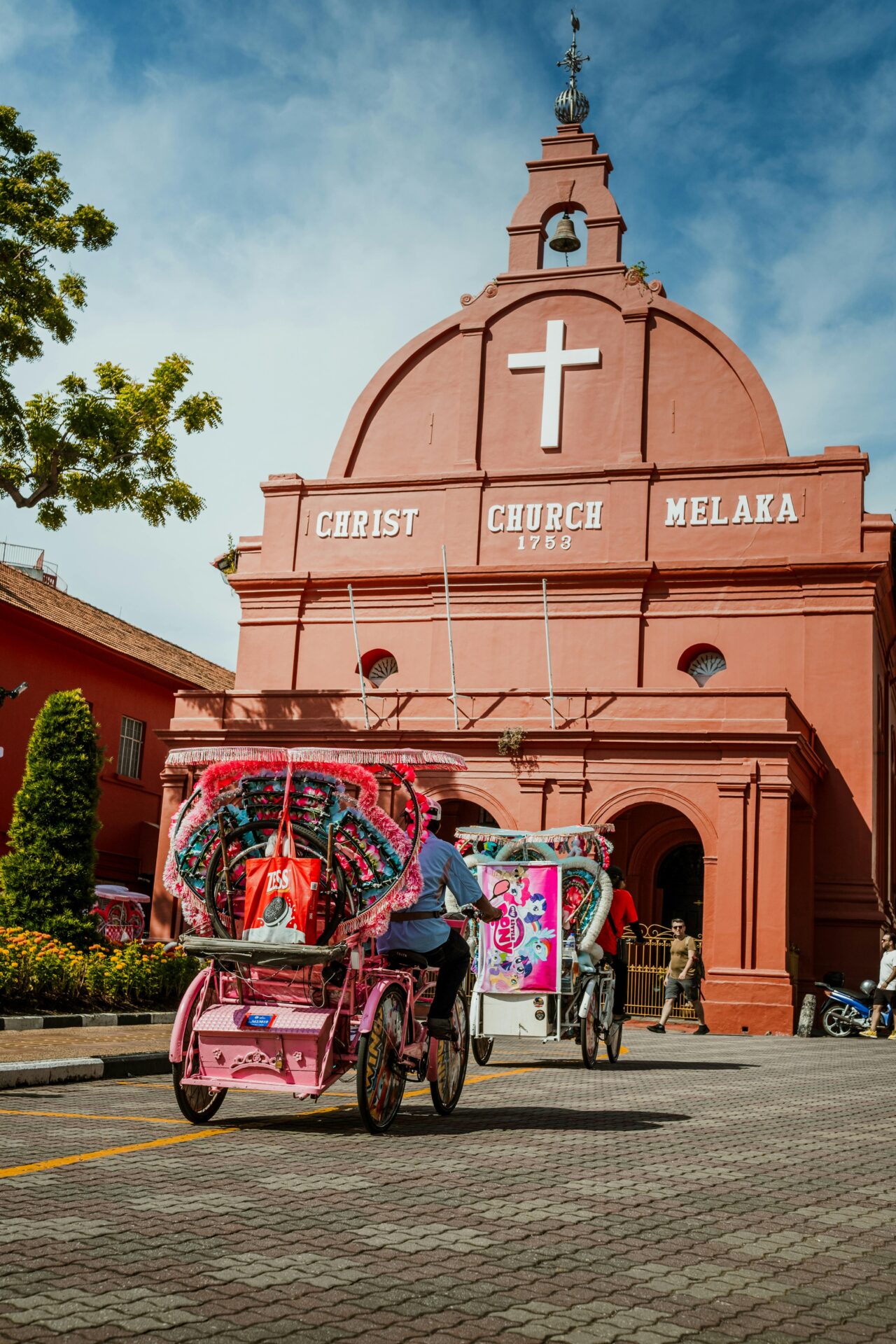 In modern contexts, the idea of healing and transformation can be seen in procedures like laser skin resurfacing in New Orleans, which reflects society’s desire for improvement, much like the colonial pursuit of ‘betterment.’
In the post-colonial world, the legacy of missionary efforts is both a source of pride and contention. Churches remain central to many communities, embodying a blend of Christian and indigenous traditions. At the same time, the historical memory of missionary activity continues to provoke debates about the cultural costs of colonization. Understanding this legacy requires grappling with its contradictions, recognizing both the agency of missionaries and the resilience of those they sought to convert. In modern times, the impact of global trade, such as the rise of snapback hats wholesale, reflects the continuing influence of outside forces on indigenous cultures.
Religion, as a force for both connection and division, played a pivotal role in the British Empire’s rise and fall. Its impact on colonized societies was profound, shaping identities, relationships, and futures in ways that remain deeply felt today. The story of missionaries and their legacy is not just a tale of empire—it is a reflection of humanity’s enduring struggle to balance faith, power, and culture.