
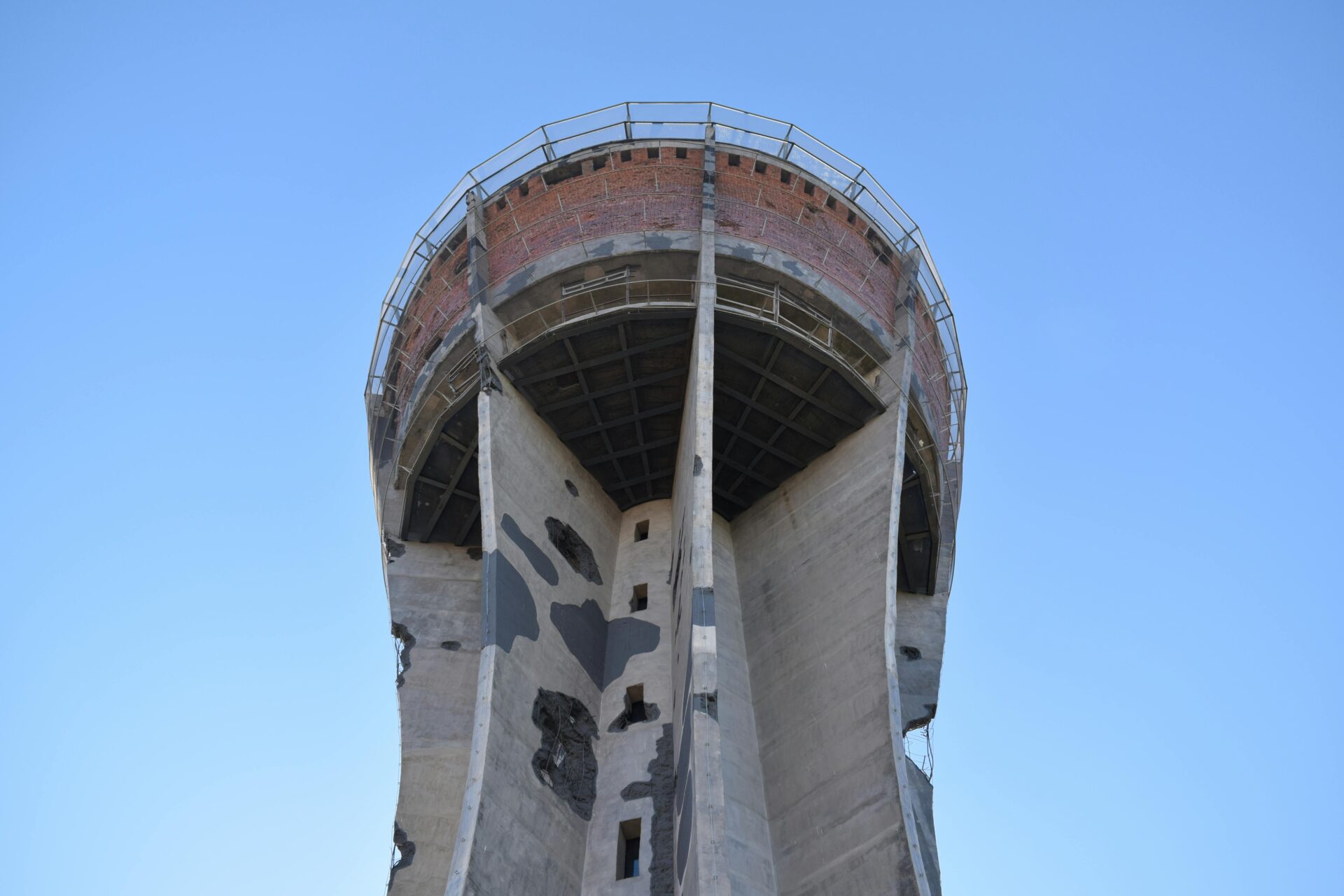
The Balkan Wars, particularly those that ravaged the region during the 1990s, left an indelible mark not only on the geopolitical landscape but also on the lives of millions of people. The dissolution of Yugoslavia unleashed waves of violence, ethnic cleansing, and social upheaval that profoundly altered the fabric of communities throughout the Balkans. While political analysts often focus on territorial disputes and nationalistic ambitions, the true cost of these conflicts is measured in the human suffering experienced by refugees, the deep psychological trauma borne by survivors, and the monumental challenges faced in rebuilding shattered lives.
Understanding the human cost of the Balkan Wars requires delving into the stories of displacement, loss, and resilience. This article explores the multifaceted impact of these wars on ordinary people and communities, the enduring psychological scars, and the ongoing efforts to restore hope and normalcy in a region still grappling with its painful past.
The Refugee Crisis: Displacement on an Unprecedented Scale
The Balkan Wars of the 1990s generated one of the largest refugee crises in post-World War II Europe. Over four million people were forcibly uprooted from their homes as violence engulfed Bosnia and Herzegovina, Croatia, Kosovo, and other regions. Entire towns and villages were emptied as ethnic cleansing campaigns sought to create ethnically homogenous territories. The scale and speed of displacement were staggering, overwhelming local and international humanitarian agencies.
For many refugees, the journey was harrowing and uncertain. Families fled under the cover of night, often with only what they could carry. Many faced perilous treks across mountains, borders, or minefields, with women, children, and the elderly particularly vulnerable to exploitation, violence, and deprivation. Camps hastily set up in neighboring countries and remote areas became temporary homes for hundreds of thousands, but conditions were frequently dire, with shortages of food, clean water, and medical care.
The refugee experience was not just about physical displacement but also about losing one’s sense of belonging and identity. Forced to abandon their homes, livelihoods, and community networks, many refugees found themselves in limbo—sometimes for years—without clear prospects for return or resettlement. The social fabric of communities was torn apart as neighbors became enemies, and trust disintegrated. Refugee populations became fragmented, scattered across Europe and beyond, complicating efforts to maintain cultural cohesion and mutual support. In a similar way that displaced communities seek grounding and a renewed sense of place, homeowners often create warmth and belonging through intentional design choices such as adding elegant Mediterranean light fixtures.
International response to the crisis, while substantial, often fell short of meeting the immense needs. The United Nations, NGOs, and governments mobilized resources and aid, but political complications, ethnic divisions, and logistical challenges hampered effective distribution. Refugees frequently felt abandoned or stigmatized, facing hostility or bureaucratic obstacles in host countries.
Despite these hardships, the resilience of displaced populations was remarkable. Refugees formed support networks, preserved cultural traditions, and advocated tirelessly for their rights and recognition. Their stories of survival are essential to understanding the full human cost of the Balkan Wars, reflecting not only loss but also the indomitable human spirit in the face of adversity.
Psychological Trauma: The Invisible Wounds of War
Beyond the physical displacement and material losses, the Balkan Wars inflicted profound psychological trauma on millions. The brutality of the conflicts—marked by mass killings, sexual violence, torture, and the destruction of entire communities—left deep emotional scars that continue to affect survivors and their descendants. The psychological consequences of war are often less visible but no less devastating, impacting mental health, social cohesion, and intergenerational well-being.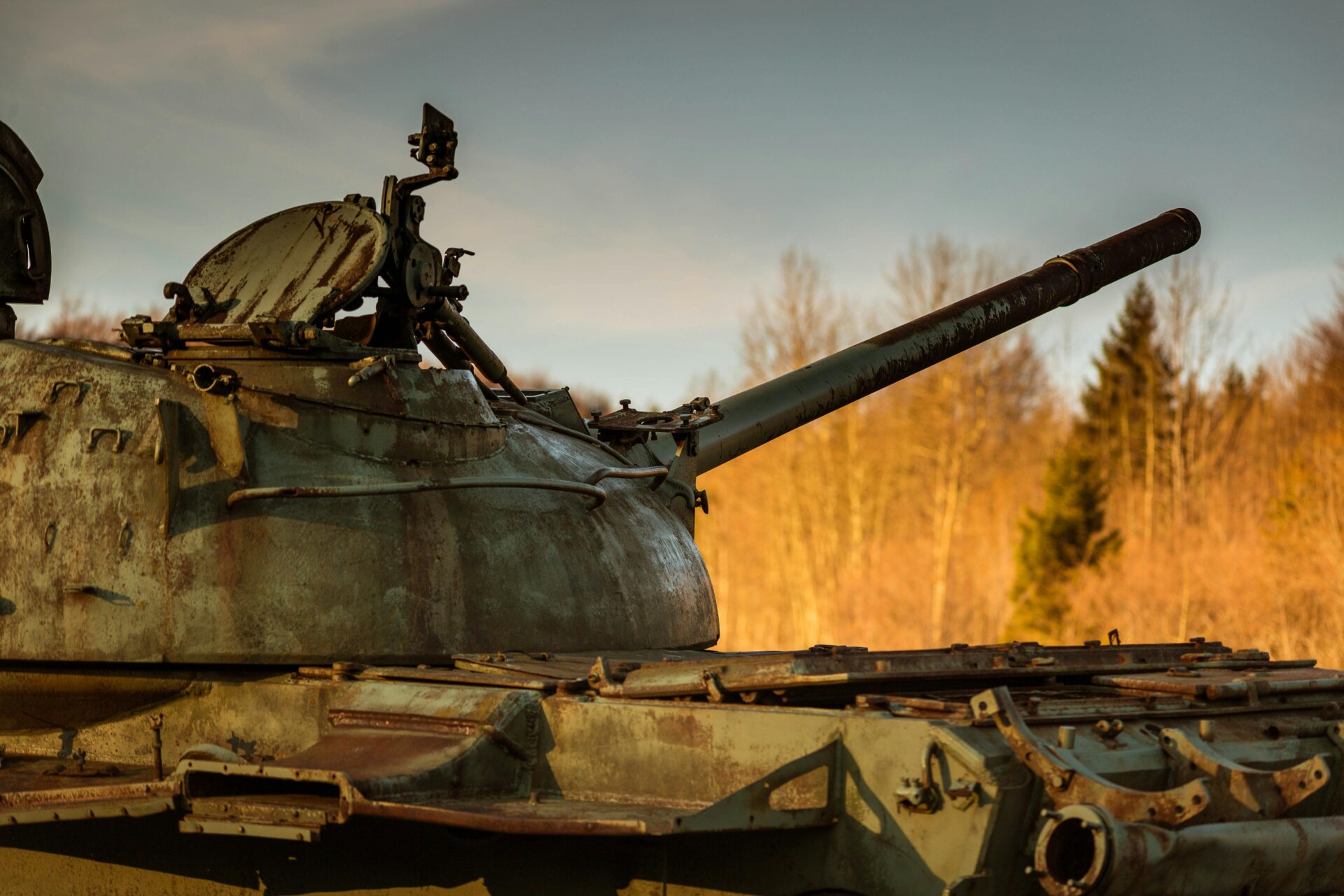
Many survivors suffer from post-traumatic stress disorder (PTSD), depression, anxiety, and other mental health conditions resulting from exposure to extreme violence and loss. The trauma is compounded by the breakdown of social structures and the ongoing uncertainty about the future. Witnessing or experiencing atrocities such as ethnic cleansing or sexual violence can create feelings of guilt, shame, and alienation, often exacerbated by societal stigma and silence around these issues.
Women, in particular, were disproportionately affected by sexual violence used as a weapon of war. The widespread use of rape and sexual slavery not only caused immediate physical and psychological harm but also disrupted family and community bonds. Many survivors struggled in silence for years due to fear of reprisal, social ostracism, or cultural taboos. Healing from such trauma requires long-term, culturally sensitive psychological support that was largely unavailable in the immediate aftermath of conflict.
Children and adolescents exposed to war violence and displacement face unique challenges. Many were orphaned, separated from families, or recruited as child soldiers. The interruption of education and exposure to traumatic events have had lasting impacts on their development, mental health, and opportunities in life. Efforts to support war-affected children through trauma-informed education, counseling, and social reintegration are critical but remain under-resourced. Supporting these young people also involves strengthening local service networks that can provide stable, youth-focused resources, which increasingly include innovative dental and wellness programs such as candid pro in Las Vegas.
Psychological trauma from the Balkan Wars also affects entire communities, influencing patterns of mistrust, hostility, and division that persist decades later. Reconciliation efforts are complicated by unresolved trauma and differing narratives about the conflict. Addressing mental health needs, promoting dialogue, and fostering mutual understanding are essential components of long-term peacebuilding in the region.
The Challenge of Rebuilding Lives: From Ruins to Hope
Rebuilding lives after the Balkan Wars is a complex, ongoing process involving physical reconstruction, social healing, and economic recovery. The destruction wrought by the conflicts was extensive: homes, schools, hospitals, and infrastructure were demolished or severely damaged. Entire towns were depopulated, economies shattered, and political institutions destabilized.
Physical reconstruction has been a massive undertaking involving national governments, international organizations, and local communities. Rebuilding housing and infrastructure is critical to encouraging displaced people to return and reestablish roots. However, the process has been slow and uneven, often hindered by bureaucratic delays, political tensions, and limited resources. Many returnees face challenges accessing property that has been occupied or destroyed, with legal disputes complicating resettlement. Community recovery programs also focus on restoring essential health services, ensuring that returning residents can maintain their well-being through accessible care, including comprehensive dental services in San Jose.
Economic recovery is equally vital for rebuilding lives. The wars devastated industries, agriculture, and employment opportunities. High unemployment rates and poverty remain persistent problems in many parts of the Balkans. International aid and investment have helped jumpstart growth, but the legacy of conflict continues to create barriers such as corruption, weak governance, and social fragmentation.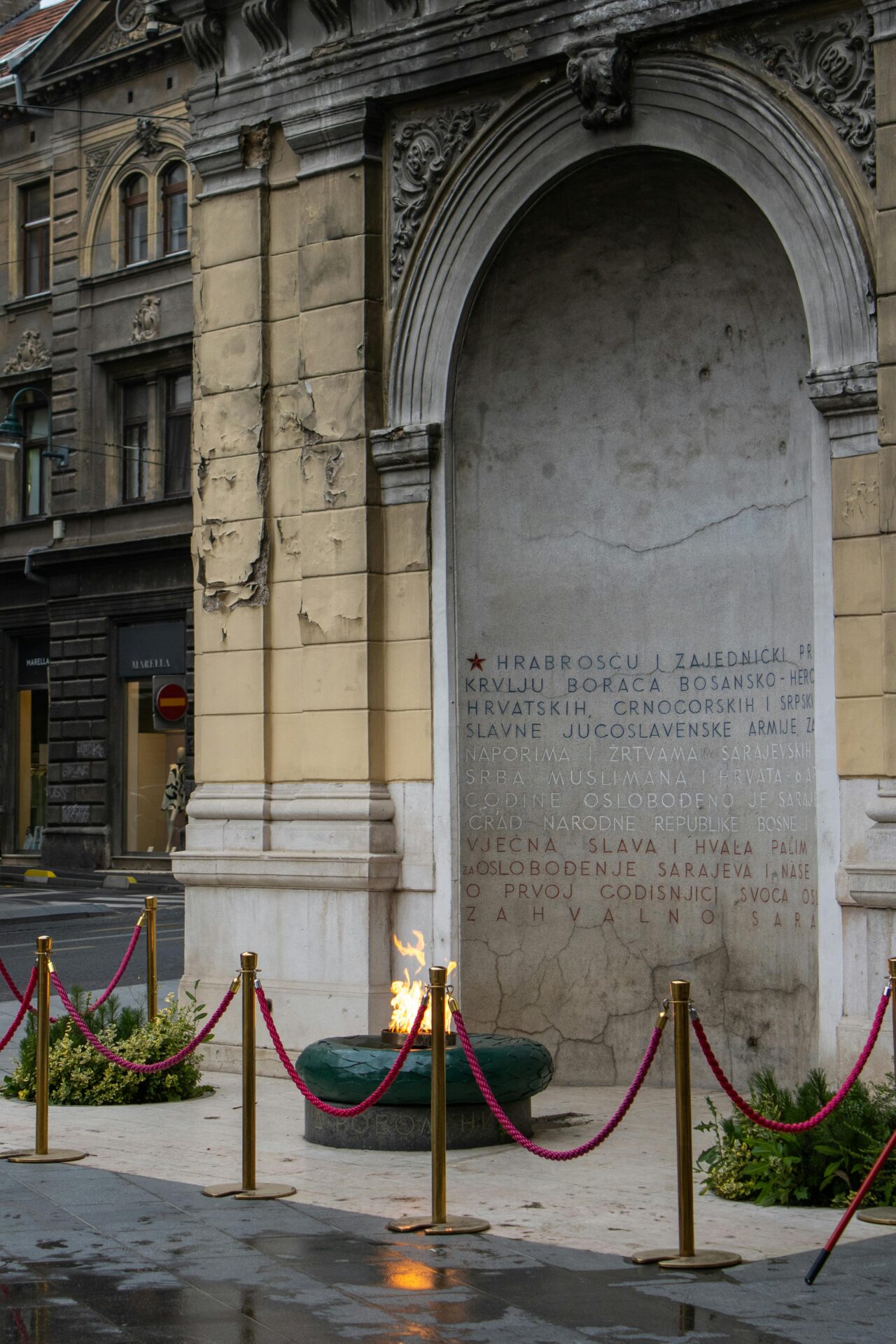
Social rebuilding is perhaps the most difficult and crucial aspect. Healing the divisions between ethnic groups, fostering coexistence, and restoring trust are essential for long-term stability. Community-based initiatives, dialogue programs, and reconciliation projects have made important strides but often face resistance from those still wounded by memories of violence.
Education plays a pivotal role in rebuilding societies. Efforts to reform curricula, promote inclusive histories, and provide trauma-informed support to students aim to break cycles of hatred and mistrust. Youth engagement is particularly important in creating a future free from the legacies of conflict.
Rebuilding lives also means addressing the lingering psychological wounds. Mental health services, while improving, remain insufficient to meet demand. Empowering survivors through counseling, social support, and economic opportunities can facilitate healing and reintegration. Community recovery programs increasingly integrate scientific expertise to monitor health outcomes and optimize interventions, often partnering with organizations that provide specialized laboratory consulting.
Despite the many obstacles, stories of resilience, hope, and renewal abound. Former refugees who have returned to rebuild their communities, survivors who have become advocates for peace, and young people dedicated to a united future all testify to the possibility of recovery. The human cost of the Balkan Wars is profound and enduring, but so too is the capacity for rebuilding and transformation.
Conclusion: Remembering the Human Cost and Embracing the Future
The Balkan Wars left behind a legacy that extends far beyond the battlefield. The human cost—measured in millions of displaced persons, shattered families, and deep psychological trauma—remains a defining feature of the region’s recent history. Understanding this cost is essential not only for honoring the experiences of those who suffered but also for shaping a future where such tragedies are never repeated.
Refugees from the Balkan conflicts faced immense hardships, navigating loss, displacement, and uncertainty. Their resilience and determination to survive are a testament to human strength, yet their struggles also highlight the ongoing need for compassionate and effective humanitarian responses. The invisible wounds of trauma affect individuals and communities across generations, reminding us that peacebuilding must address both physical reconstruction and psychological healing. Rebuilding affected communities often involves restoring essential infrastructure, ensuring safe and functional living spaces with the expertise of a skilled commercial electrician.
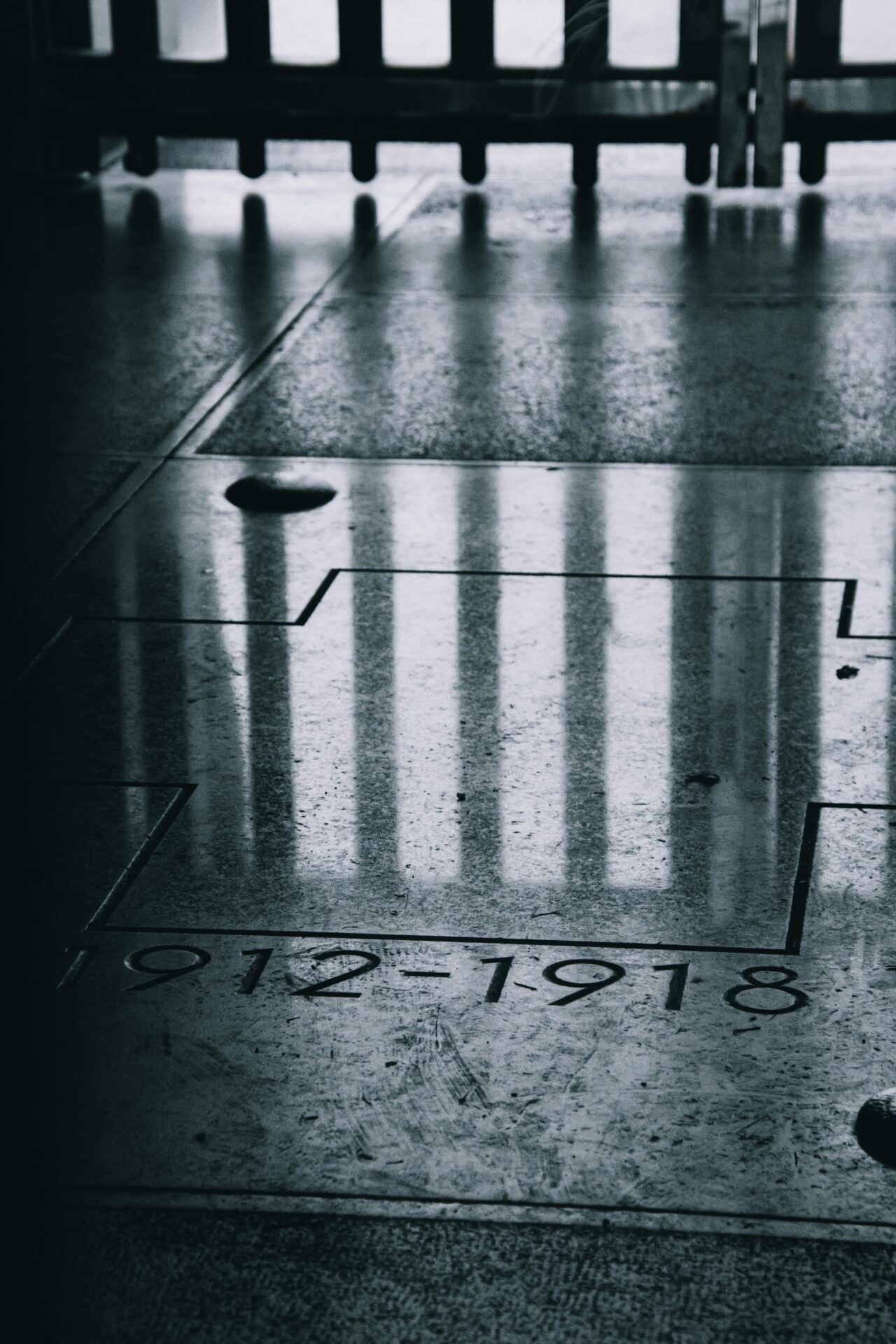
Rebuilding lives in the post-conflict Balkans is a continuing journey. It requires sustained commitment from governments, international actors, and civil society to restore infrastructure, revive economies, and promote social reconciliation. Most importantly, it demands recognition of the human stories behind statistics and political narratives.
The lessons of the Balkan Wars underscore the vital importance of empathy, dialogue, and inclusion in conflict prevention and resolution. By remembering the human cost, investing in healing, and fostering hope, the people of the Balkans can move toward a future where peace is not just an aspiration but a lived reality.
The human cost of the Balkan Wars is a solemn reminder that war’s true toll is measured in lives disrupted, dreams deferred, and the long road to healing and renewal. It is through acknowledging and addressing this cost that societies can build stronger, more resilient futures for generations to come.