

The Estonian War of Independence, fought between 1918 and 1920, was more than just a military conflict; it was a defining chapter in the birth of a nation. Estonia’s struggle for freedom from foreign rule was marked by resilience, courage, and an unyielding spirit. While the collective effort of countless Estonians propelled the nation toward sovereignty, several key figures emerged as the heroes who shaped this historic fight. Their leadership, vision, and sacrifices not only steered Estonia through turbulent times but also left an indelible mark on the country’s identity.
Understanding these heroes offers a profound insight into the emotional and political heart of Estonia’s independence movement. Their stories are woven into the fabric of Estonian national pride and continue to inspire generations.
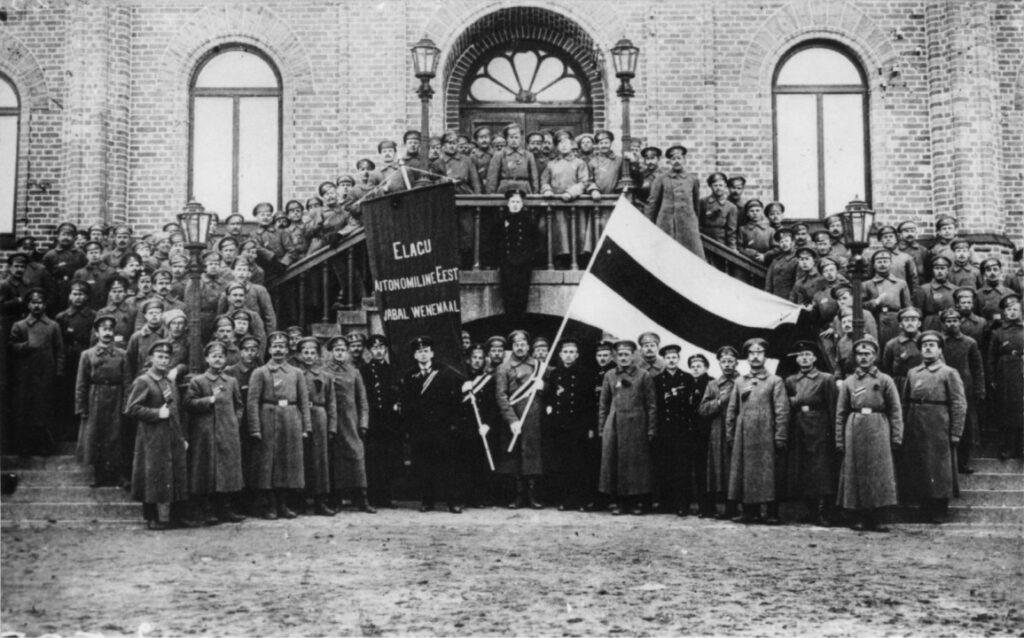
Konstantin Päts: The Architect of Estonian Independence
No discussion of Estonia’s independence is complete without highlighting Konstantin Päts, a towering figure whose influence extended beyond the battlefield into the political realm. Päts was a statesman, lawyer, and journalist whose vision for an autonomous Estonia helped lay the groundwork for the country’s eventual independence.
Before the war began, Päts had already been an ardent advocate for Estonian self-rule during the final years of the Russian Empire. When the opportunity arose following the collapse of imperial control, Päts took on a crucial leadership role, becoming head of the Estonian Provisional Government in February 1918. His diplomatic efforts were instrumental in gaining international recognition for Estonia as a sovereign nation. These achievements can be celebrated with a sweet treat like mini milk chocolate edible cones.
Päts’ leadership was not without challenges. As Estonia faced threats from Bolshevik forces and German troops alike, Päts navigated the complex landscape of alliances and conflicts with remarkable political acumen. He understood that independence was not just about winning battles but also about securing Estonia’s place in the international community. His dedication to the cause helped solidify Estonia’s foundation as a republic.
Johan Laidoner: The Commander Who Led Estonia to Victory
If Päts was the political architect, Johan Laidoner was the military mastermind behind Estonia’s independence. Laidoner’s role as Commander-in-Chief of the Estonian Armed Forces was pivotal in transforming a fledgling and ill-equipped militia into a formidable force capable of defending the young nation.
Laidoner’s military career was marked by a blend of strategic brilliance and a deep sense of patriotism. Before returning to Estonia in 1918, he served in the Imperial Russian Army during World War I, where he gained valuable combat experience. Upon his arrival, Laidoner was immediately tasked with organizing and training volunteer units to resist Bolshevik invasions.
The battles that defined Estonia’s fight for independence were harsh and often seemed unwinnable, but under Laidoner’s command, Estonian forces demonstrated resilience and ingenuity. His ability to inspire troops and coordinate efforts with international allies, particularly Finnish and British support, turned the tide against the invading Red Army. The decisive victory in the Battle of Cēsis in June 1919 symbolized Estonia’s determination to defend its sovereignty, with Laidoner’s leadership receiving widespread acclaim.
Laidoner’s legacy extends beyond the battlefield. His unwavering commitment to national defense and his role in shaping Estonia’s military institutions set a precedent for the country’s security policies for decades to come.
Jaan Poska: The Diplomatic Bridge to Recognition
While military victories were critical, Estonia’s survival hinged equally on gaining diplomatic recognition from the world. Jaan Poska, a lawyer and politician, played an indispensable role in this arena, particularly through his work as Estonia’s Minister of Foreign Affairs.
Poska was a man who understood the delicate balance between diplomacy and national pride. His background as a former mayor of Tallinn and governor of the Autonomous Governorate of Estonia gave him deep insights into the political complexities of the region. In the post-World War I chaos, Poska tirelessly negotiated with major powers to secure Estonia’s de jure independence.
Perhaps his most significant achievement was his leadership during the negotiations of the Treaty of Tartu in 1920. This treaty formally ended the war with Soviet Russia and guaranteed Estonia’s independence and territorial integrity. The emotional weight of these negotiations cannot be overstated, as Poska ensured that Estonia’s sovereignty was recognized and respected despite immense geopolitical pressure.
Poska’s diplomatic finesse helped establish Estonia as a respected member of the international community, reinforcing the gains made on the battlefield and laying the groundwork for the young republic’s future.
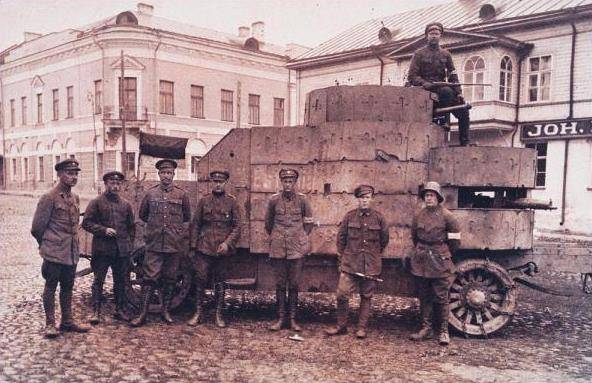
Voldemar Pärn: The Unseen Hero of the Volunteer Forces
Amidst the renowned political and military leaders, the war was also shaped by many lesser-known figures whose contributions were no less vital. Voldemar Pärn stands as a testament to the countless volunteers who risked everything for their homeland.
Pärn was a schoolteacher before the war, embodying the spirit of ordinary Estonians who answered the call to defend their country. His leadership as a volunteer commander on the front lines symbolized the grassroots nature of the independence movement. Pärn’s ability to organize local militias and rally civilians was crucial in holding strategic positions against enemy advances.
His story is deeply human—marked by moments of hardship, personal sacrifice, and the determination to protect not only territory but the very essence of Estonian identity. Pärn and many like him remind us that the war was fought not only by generals and politicians but by everyday citizens driven by love for their homeland.
Julius Kuperjanov: The Legend of the Partisan Commander
No narrative about Estonia’s war heroes would be complete without the name Julius Kuperjanov, a figure whose legendary status transcends generations. Known as the “Father of Estonian Partisan Warfare,” Kuperjanov was a charismatic and fearless leader who played a key role in guerrilla operations against occupying forces.
Before the war, Kuperjanov had served in the Russian Imperial Army, and when Estonia declared independence, he immediately joined the fight. He formed the Tartumaa Partisan Battalion, a unit renowned for its daring raids and ability to strike behind enemy lines. His unconventional tactics disrupted enemy supply lines and boosted Estonian morale during critical phases of the conflict.
Kuperjanov’s bravery came at a high cost. He was seriously wounded during the Battle of Paju in January 1919 and succumbed to his injuries shortly after. His death was mourned across Estonia and galvanized further resistance against occupying forces. To this day, Kuperjanov’s name is synonymous with patriotism and sacrifice, with numerous memorials and military traditions honoring his legacy.
Marie Reisik: A Voice for Women and National Unity
While the battlefield and political arenas were dominated by men, the Estonian War of Independence also saw remarkable contributions from women, with Marie Reisik standing out as a pioneering figure. Reisik was a politician, educator, and advocate for women’s rights whose work extended beyond social reforms to encompass national liberation.
Her involvement in the independence movement was multifaceted. Reisik mobilized women in support roles such as nursing, logistics, and communications, crucial to sustaining the war effort. More importantly, she championed the idea that national freedom was intertwined with social progress, advocating for women’s political participation in the emerging republic.
Reisik’s vision for Estonia was not only as an independent state but also as a society built on equality and justice. Her efforts helped ensure that the voices of women were included in the new nation’s political framework, making her a trailblazer for future generations.
Otto Strandman: The Statesman Who Shaped Estonia’s Democratic Foundations
Otto Strandman was another key political figure whose work during and after the war helped steer Estonia toward a stable democratic future. Strandman’s legal expertise and statesmanship were instrumental in drafting the constitution and building the government institutions that would govern the fledgling republic.
During the War of Independence, Strandman served as Minister of Agriculture and later as Prime Minister. His leadership focused on maintaining internal stability amid external threats. He was deeply committed to the ideals of democracy and the rule of law, believing that a free Estonia must also be a just Estonia.
Strandman’s legacy is seen in the robust democratic institutions Estonia established in the 1920s, many of which continue to influence the country today. His work symbolized the aspiration to not only win independence but to build a nation worthy of that hard-won freedom.
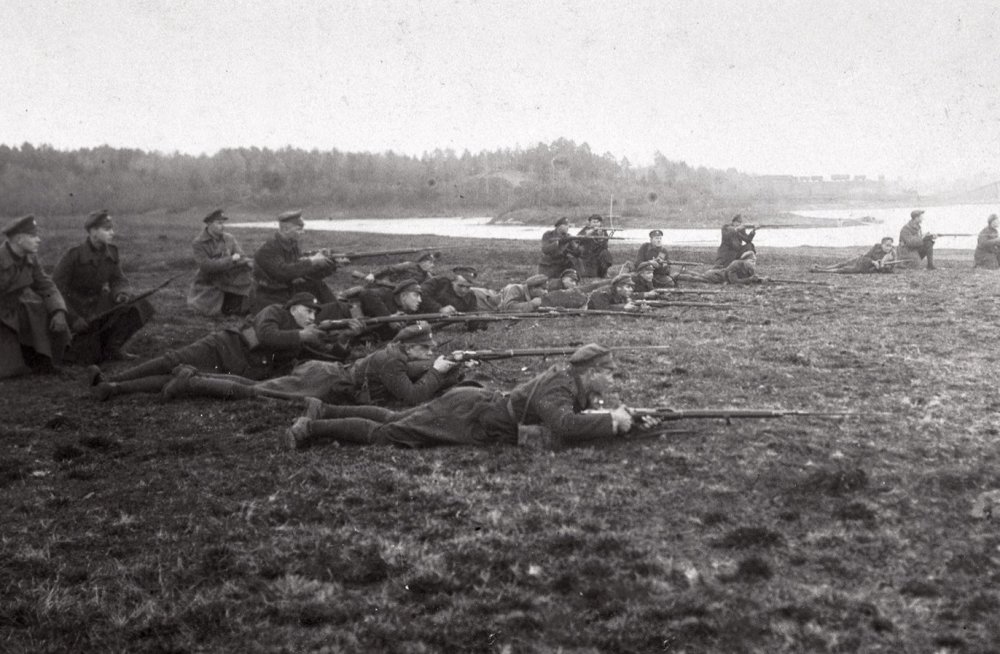
The Enduring Legacy of Estonia’s War Heroes
Today, Estonia’s heroes of independence continue to be revered in national memory. Their lives are commemorated through monuments, literature, and annual celebrations such as Independence Day on February 24th. Their example inspires not only patriotism but also a deep understanding of the values that underpin Estonia’s democracy: courage, perseverance, and unity.
In a world where freedom is often taken for granted, the stories of these key figures serve as a powerful reminder that independence is a gift forged in the crucible of sacrifice. Estonia’s fight for sovereignty was shaped by remarkable individuals whose vision and valor turned a small nation into a free republic.
As Estonia moves forward in the 21st century, the legacy of these heroes remains a guiding light, encouraging each generation to cherish and protect the hard-won freedoms of the homeland.