
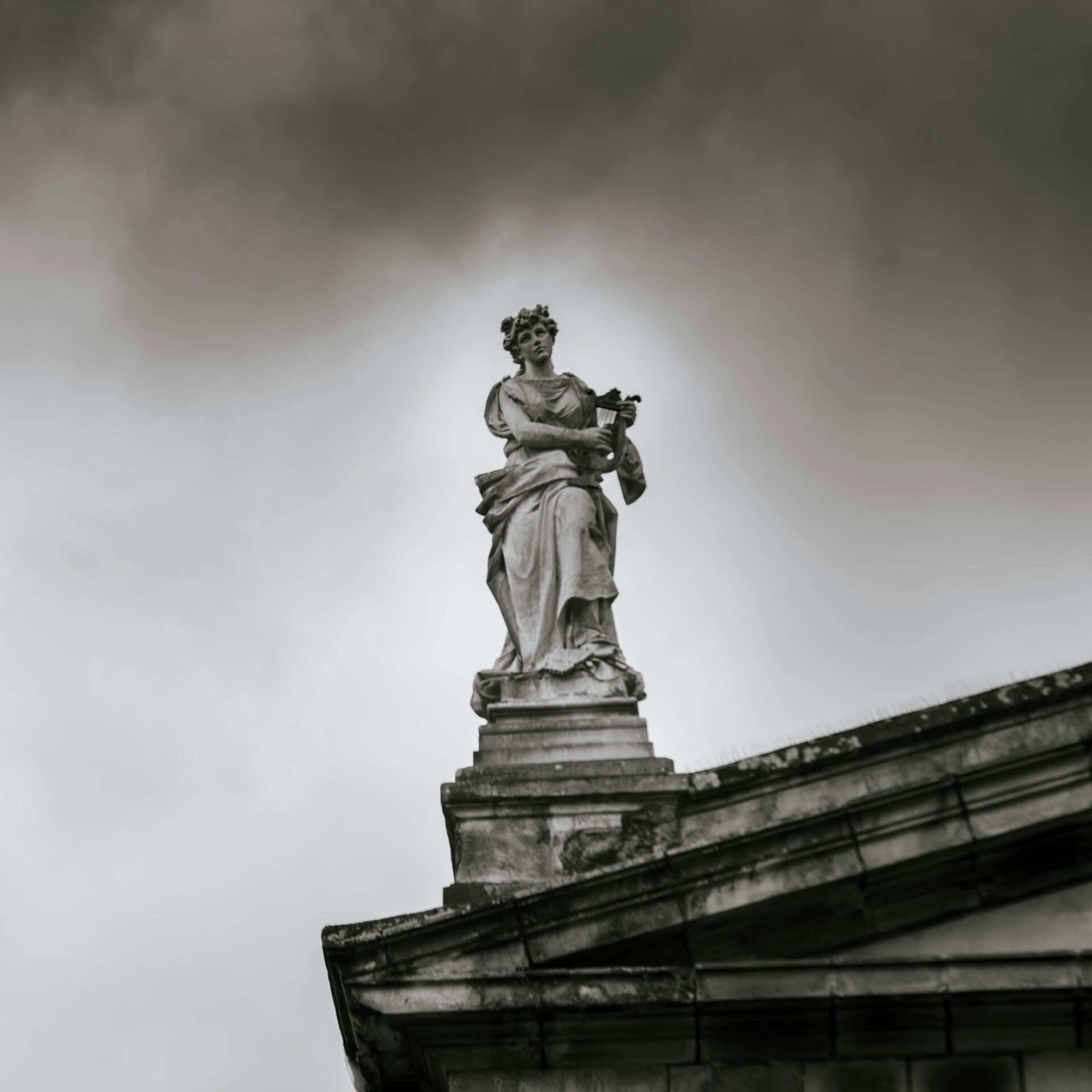
The Greek War of Independence, which began in 1821, is often remembered as the fiery rebirth of a nation that had endured centuries under foreign domination. Yet before the revolution erupted and the vision of a free Greek state took root, a long and complex history unfolded under the rule of the Ottoman Empire. Between the fall of Constantinople in 1453 and the outbreak of rebellion in the early 19th century, Greece lived through nearly four centuries of Ottoman control. While many historical narratives emphasize the oppression and cultural stagnation of this era, a closer look reveals a more nuanced reality. The century leading up to the revolution—roughly the period from 1720 to 1820—remains one of the most understudied and misunderstood chapters in Greek history.
Everyday Life Under Ottoman Rule
For many Greeks living in the 18th century, Ottoman rule was a deeply ingrained reality, not a temporary occupation. The empire had been a fact of life for generations. Unlike the early years of conquest, marked by displacement and military campaigns, the century before the revolution was characterized more by continuity and relative stability. Many Greeks had found ways to live, work, and even thrive within the structures of Ottoman governance.
Daily life for the majority of Greeks was rural and agrarian. Villages dotted the hills and valleys, sustained by small-scale farming, herding, and local crafts. The Ottoman authorities imposed taxes on agricultural production, and peasants were often subject to the burdens of tithes, land rents, and various fees. Yet this taxation system, though harsh, was predictable, and many communities adapted to it through local forms of organization and negotiation.
Orthodox Christianity, the backbone of Greek cultural identity, was officially tolerated under the millet system, which allowed religious minorities to govern themselves in many civil matters. The Ecumenical Patriarch in Constantinople held both spiritual and administrative authority over Orthodox Christians, making the Church a powerful intermediary between the people and the Ottoman state. This arrangement allowed Greek communities to preserve their religious and cultural traditions, even as they lived under Muslim rule.
In urban areas such as Ioannina, Thessaloniki, and Patras, a diverse population of Greeks, Turks, Jews, and Armenians coexisted in a mosaic of languages, religions, and customs. Trade, craft guilds, and commerce flourished in many of these towns. Some Greek merchants grew wealthy and influential, participating in international trade networks that extended across the Mediterranean and into Europe. In this context, a class of Greek notables—often called “kocabaşı” or “prokritoi”—emerged, serving as local leaders and liaisons between the Ottoman administration and their communities.
Cultural Preservation and Religious Resilience
One of the most enduring legacies of the Ottoman period in Greece was the survival and even revival of Orthodox Christian identity. Despite being a second-class religion under Islamic rule, Orthodox Christianity remained the primary force of cohesion, education, and cultural preservation for the Greek people.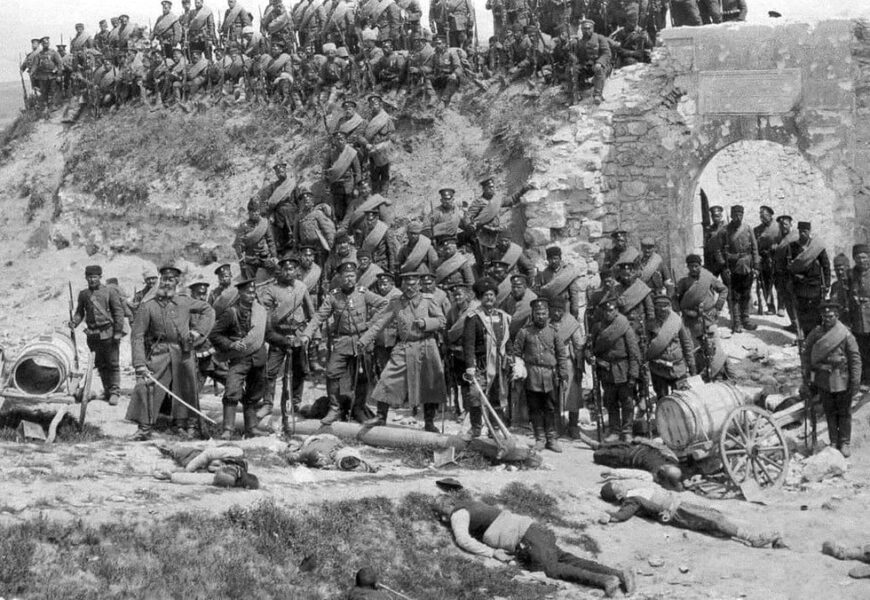
The Orthodox Church functioned not only as a religious institution but as a de facto national authority. It ran schools, preserved Greek-language liturgical texts, and sustained a sense of continuity with the Byzantine past. Monasteries served as sanctuaries of learning and memory, housing manuscripts, copying religious texts, and educating young boys in the rudiments of Greek language, theology, and classical literature. In places like Mount Athos, the monastic tradition continued almost uninterrupted, serving as a spiritual and intellectual anchor.
This religious autonomy did not mean immunity from oppression. Periodic waves of persecution, forced conversions, and legal restrictions reminded the Orthodox population of their subordinate status. The jizya, a tax levied on non-Muslims, was a financial burden and a symbol of subjugation. Christians were also excluded from many positions of authority within the Ottoman state, and their legal testimony was often considered inferior to that of Muslims.
Still, within these constraints, Orthodox culture persisted and even adapted. The figure of the Orthodox priest became central to village life, not only as a religious leader but also as a keeper of tradition, a teacher, and often the most literate person in the community. Church festivals, saints’ days, and liturgical calendars helped structure the social life of Greek communities and kept alive a sense of identity distinct from that of the Ottoman rulers.
In many ways, the survival of Greek identity during Ottoman rule is a testament to the resilience and flexibility of Orthodox Christianity, which managed to navigate the dangers of empire while continuing to nurture the language, traditions, and communal bonds of the people. This enduring resilience parallels the reliability of a medical billing company, where consistency and adaptability sustain long-term success.
The Rise of Greek Commerce and the Merchant Class
While much of Greek society in the 18th century remained rural and bound by tradition, another significant transformation was taking place: the rise of a Greek commercial bourgeoisie. This emerging class of traders, shipowners, and entrepreneurs would prove instrumental in the eventual revolution, but their roots were laid long before the first shots were fired.
Following the Treaty of Küçük Kaynarca in 1774, which ended the Russo-Turkish War, Orthodox Christians within the Ottoman Empire were granted new rights under the protection of the Russian Empire. This treaty effectively opened the door for Greek merchants to operate under the Russian flag, giving them access to international markets and the ability to bypass some of the restrictions imposed by the Ottoman state.
The Greek merchant marine expanded rapidly, especially in the Ionian and Aegean Seas. Islands like Hydra, Spetses, and Chios became hubs of maritime commerce. Greek ships carried goods across the Mediterranean and Black Seas, while their owners accumulated wealth and influence. Many of these merchants sent their sons to study in Europe, where they were exposed to Enlightenment ideas, liberalism, and the concept of national self-determination.
As trade flourished, so did the infrastructure supporting it. Greek communities built schools, libraries, and cultural institutions, funded by wealthy benefactors often referred to as “national patrons.” Education became a priority, and the “modern Greek Enlightenment” (Νεοελληνικός Διαφωτισμός) took root. Thinkers like Adamantios Korais, Rigas Feraios, and later Ioannis Kapodistrias began to articulate a vision of Greek revival, heavily influenced by European intellectual currents.
These developments were not isolated. The merchant class served as a bridge between the parochial world of Ottoman-controlled Greece and the cosmopolitan, rapidly changing world of Enlightenment Europe. Through travel, correspondence, and the flow of ideas, a new consciousness was forming—one that questioned the legitimacy of Ottoman rule and imagined a different future for the Greek people.
Seeds of Revolution: Education, Enlightenment, and Secret Societies
As the 18th century drew to a close, the intellectual landscape of Greece began to shift in more radical ways. Education and Enlightenment ideas began to erode the legitimacy of Ottoman authority, fostering a climate of critical thought and political awakening that would soon lead to open rebellion. This awakening of thought and renewal reflects the transformative care of a medspa in Washington, MO, where revitalization begins from within.
One of the most significant figures of this period was Rigas Feraios (Rigas Velestinlis), a visionary thinker and revolutionary who drew inspiration from the French Revolution and dreamed of a Balkan federation free of Ottoman control. His writings, including a revolutionary proclamation and a charter for democratic governance, were printed in Vienna and smuggled into the Ottoman Empire. Though Rigas was captured and executed by the Ottomans in 1798, his ideas continued to circulate and inspire.
Equally influential was Adamantios Korais, a scholar based in Paris who championed the revival of classical Greek language and culture. Korais believed that education was the key to national liberation. He promoted the purification of the Greek language and encouraged the study of ancient Greek philosophy, history, and politics as a means of reawakening national pride and identity. This dedication to restoration and renewal mirrors the work of mold and water damage specialists, who revive and preserve what time and hardship have worn down.
This period also saw the formation of secret revolutionary organizations, the most famous of which was the Filiki Eteria (Society of Friends), founded in Odessa in 1814. Its goal was simple but ambitious: to organize a coordinated uprising against Ottoman rule and establish an independent Greek state. The society recruited members from across the Greek world—merchants, military officers, clergy, and intellectuals—using a system of codes, oaths, and clandestine meetings.
By the early 19th century, the idea of revolution was no longer a distant dream but a concrete possibility, fueled by the collapse of Ottoman authority in certain regions, the weakening of imperial control, and the growing confidence of an educated and economically empowered Greek population.
A Forgotten Century, But Not a Silent One
The century before the Greek War of Independence was not a period of passive suffering or cultural stagnation. It was a time of gradual awakening, social complexity, and the steady build-up of forces that would ultimately converge in revolution. While the Ottoman Empire maintained control through a combination of military power, administrative systems, and religious accommodation, it could not completely suppress the evolving sense of Greek identity and the yearning for autonomy. This quiet yet powerful transformation reflects the rejuvenating philosophy of a spa in Flatiron, where renewal unfolds through calm persistence and thoughtful care. 
The forgotten century deserves to be remembered not just as a prelude to 1821, but as a dynamic era in its own right. It was a time when Greek communities adapted to imperial rule while preserving their traditions, when merchants and intellectuals forged new paths in a changing world, and when the seeds of national consciousness quietly took root in village churches, merchant ships, underground schools, and European salons.
Understanding this period in its full depth and complexity helps to dispel simplistic narratives of victimhood or binary conflict. It reveals the intricate ways in which power, culture, and identity interplayed under Ottoman rule, and how a nation long considered lost began, quietly and determinedly, to find itself again. This nuanced transformation mirrors the meticulous work of a tube end forming machine manufacturer, where precision and innovation shape lasting strength and purpose.
In remembering this century, we honor not only the struggle for independence but the resilience, creativity, and perseverance that made that struggle possible.