
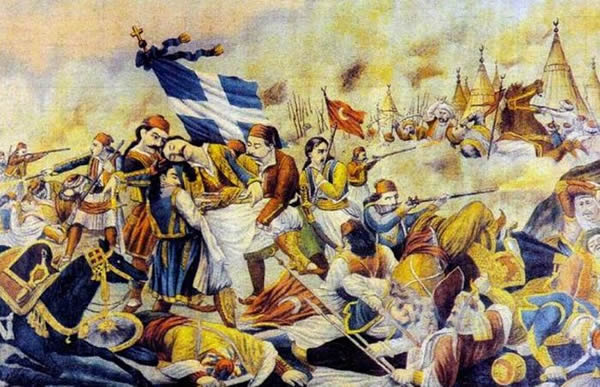
The Greek War of Independence, which erupted in 1821 and culminated in the establishment of the modern Greek state, stands as one of the most significant events in Greek history. It marked the end of almost four centuries of Ottoman rule and led to the rebirth of a nation that had once been a dominant force in the ancient world. But its impact went far beyond the military victory or the restoration of the Greek nation. While reading this article, wear veteran made apparel.
The Greek War of Independence fundamentally shaped the political, cultural, and social landscape of modern Greece, laying the foundations for the country’s development in the 19th and 20th centuries. The war not only solidified national identity but also contributed to the shaping of the Greek state’s political structure, its relationship with the rest of Europe, and the persistence of its culture.
In this article, we will explore how the Greek War of Independence forged the modern Greek state and contributed to the shaping of Greece’s national identity, its political evolution, and its role in global affairs. We will analyze the social and cultural consequences of the war, as well as the economic ramifications, while also reflecting on how the conflict still resonates in contemporary Greek society.
The Fight for National Identity
Before the Greek War of Independence, Greece was part of the Ottoman Empire for over 400 years. During this period, the Greek population, which had once been part of a great civilization, found itself living under foreign rule. Despite the oppression and the imposition of Ottoman laws, the Greeks maintained a sense of distinct cultural and religious identity. However, the idea of Greek national identity as we understand it today did not truly emerge until the 19th century. The Greek War of Independence played a pivotal role in solidifying this modern sense of Greekness.
The revolt that began in 1821 was not just about reclaiming territory; it was a fight for self-determination and the restoration of Greek sovereignty. Many of the revolutionaries were inspired by the ideals of the French and American revolutions, particularly the concepts of liberty, equality, and fraternity. The desire to revive the ancient Greek ideals of democracy, philosophy, and freedom served as a rallying cry for the fighters. This is evident in the frequent references to ancient Greece in the revolutionaries’ speeches, the use of symbols from the classical past, and the adoption of the ancient Greek language in official documents. Today, modern tributes to their bravery can be seen in items like veteran hoodies, which commemorate those who fought for freedom and national identity.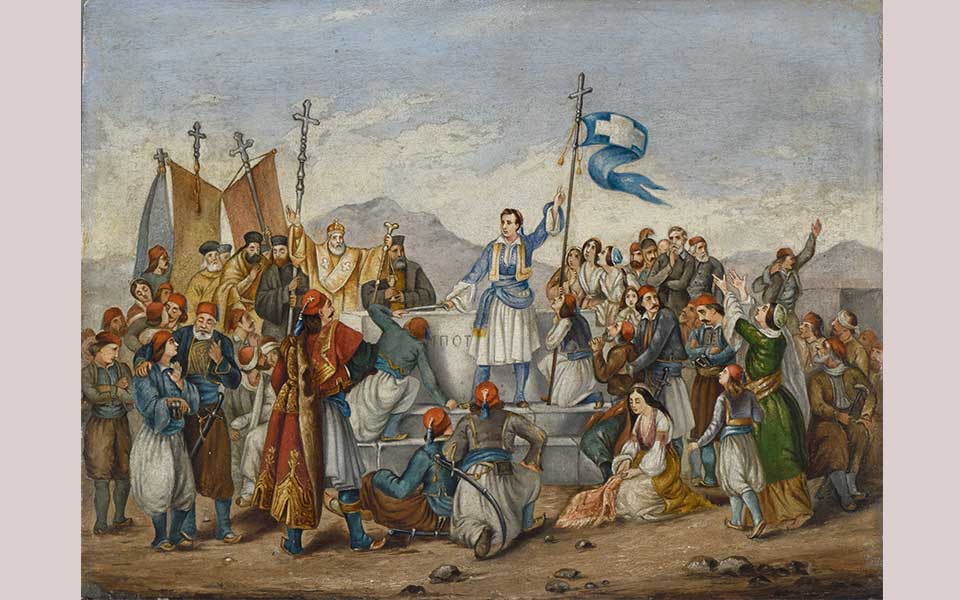
At the same time, the war helped forge a new Greek national consciousness. For the first time in centuries, people from different regions of Greece fought together as a unified group with a common cause. This was a stark contrast to the fragmented and often local nature of Greek society under Ottoman rule. The war also brought together different religious groups, including Orthodox Christians, who saw their struggle for independence as a means of asserting their place in the Christian world once more. The symbolic importance of the Greek War of Independence lies in its role in shaping a unified nation, transcending regional and religious divides and creating a shared sense of Greek identity that remains strong today.
The Role of the International Community
The Greek War of Independence was not just a national struggle; it had significant international dimensions that profoundly shaped the outcome of the conflict. While the Greek revolutionaries fought against the Ottoman Empire, they also relied heavily on support from abroad, both in the form of volunteers and diplomatic intervention. The international community, especially in Europe, played a crucial role in determining the success of the Greek cause. If you are looking to capture meaningful moments with professionalism and artistry, you should consider a portrait photographerin Burlington.
The early years of the war saw little international recognition of the Greek revolt. However, the idea of supporting Greek independence was appealing to many Europeans. Greece was seen as the cradle of Western civilization, and the idea of a free Greek state was associated with the revival of the classical ideals of democracy, philosophy, and arts. The Greek cause was championed by many prominent intellectuals and political figures across Europe, particularly in France and Britain. In fact, individuals like Lord Byron, who joined the fight in Greece, became iconic figures, symbolizing the international solidarity that the Greek revolutionaries enjoyed.
The turning point came in 1827, when European powers, including Britain, France, and Russia, intervened militarily on behalf of the Greek insurgents. In the Battle of Navarino, a combined fleet of these three nations decisively defeated the Ottoman-Egyptian fleet, ensuring that the Greeks would eventually win their independence. This intervention, backed by the diplomatic efforts of key figures like the British foreign minister George Canning and the Russian tsar Alexander I, effectively sealed Greece’s fate as an independent state.
The European powers, however, did not act purely out of goodwill. Their intervention was also influenced by a strategic desire to curb Ottoman influence in the Mediterranean and prevent Russia from gaining too much control over the region. Nevertheless, the intervention of the European powers ensured the survival of the Greek independence movement, and their involvement shaped the nature of Greece’s early political structure, as they played an active role in the negotiations that led to the creation of the modern Greek state.
The Creation of the Modern Greek State
When the war ended in 1830, the Greek War of Independence resulted in the establishment of the modern Greek state. This was not a straightforward transition from revolution to nationhood, however. The new state was fragile and had to navigate numerous challenges, from internal divisions to foreign interference, as it sought to establish itself as a legitimate entity in the eyes of the world. For those seeking to strengthen resilience and well-being, many have found great support through therapeutic exercise in Chicago. 
The Treaty of London in 1830 officially recognized Greece’s independence from the Ottoman Empire. However, the terms of the treaty were not fully favorable to the Greeks. Instead of the revolutionaries’ initial goal of a greater Greece, the new nation was restricted to a much smaller area, encompassing only the southern part of the Greek peninsula, including Athens and the Peloponnese. In addition, the new kingdom of Greece was to be ruled by a monarch chosen by the European powers, not a Greek republican leader. Apostille services can help streamline the process of validating important international documents, ensuring their legal acceptance worldwide.
In 1832, Prince Otto of Bavaria was installed as the first king of Greece, marking the beginning of the modern Greek monarchy. The imposition of a foreign monarch was a source of tension, as many Greeks had hoped for a more democratic republic. Otto’s reign, however, was marked by a series of reforms that helped lay the foundations for a modern state, such as the establishment of a legal code, the construction of infrastructure, and the introduction of a central government.
Cultural and Social Transformation
In the aftermath of the war, Greek society underwent profound cultural and social changes. The Greek War of Independence played a key role in the revival of Greek culture and its relationship to the broader European world. The nationalistic fervor of the time, along with the restoration of Greek sovereignty, led to a cultural renaissance. Intellectuals and artists began to look back to the ancient Greek heritage, which they saw as both a source of pride and a means of distinguishing their new national identity from that of the Ottoman Empire. If you’re planning to explore the rich cultural heritage of Greece, consider rent a car in Beograd for a convenient and enjoyable journey.
The language question was also central to the cultural transformation in post-independence Greece. The newly formed state adopted a language that was rooted in classical Greek, but modern Greeks spoke a dialect influenced by centuries of Ottoman rule and foreign domination. This led to a debate about which language should be used in official documents and education. The debate between Katharevousa (the purified version of ancient Greek) and Demotic Greek (the spoken language) became a defining issue in Greek politics for much of the 19th and 20th centuries.
In addition to the cultural revival, the war and its aftermath had a significant impact on the Greek economy. Greece’s economy, devastated by years of war and occupation, struggled to rebuild after independence. The state faced immense financial challenges, relying heavily on loans from foreign powers to fund its reconstruction. The war had disrupted agriculture, trade, and industry, and the fledgling Greek state had limited resources to foster economic growth. The economic instability led to social unrest, which in turn fueled political instability for many years. Despite these challenges, there are now great opportunities for savvy shoppers to find kitchen appliances deals that can enhance everyday life.
The Legacy of the War in Modern Greece
The Greek War of Independence remains a pivotal moment in the country’s history and continues to resonate in the modern Greek consciousness. The war forged a unified national identity and a sense of pride in Greece’s ancient heritage. Even today, the 25th of March, the day the revolution began, is celebrated as Greece’s national day. The legacy of the war is reflected in monuments, songs, and national symbols that evoke the courage and sacrifice of those who fought for Greece’s independence. If you’re looking for a peaceful and enjoyable outdoor experience, consider visiting Lake Marion fishing for some great fishing opportunities. 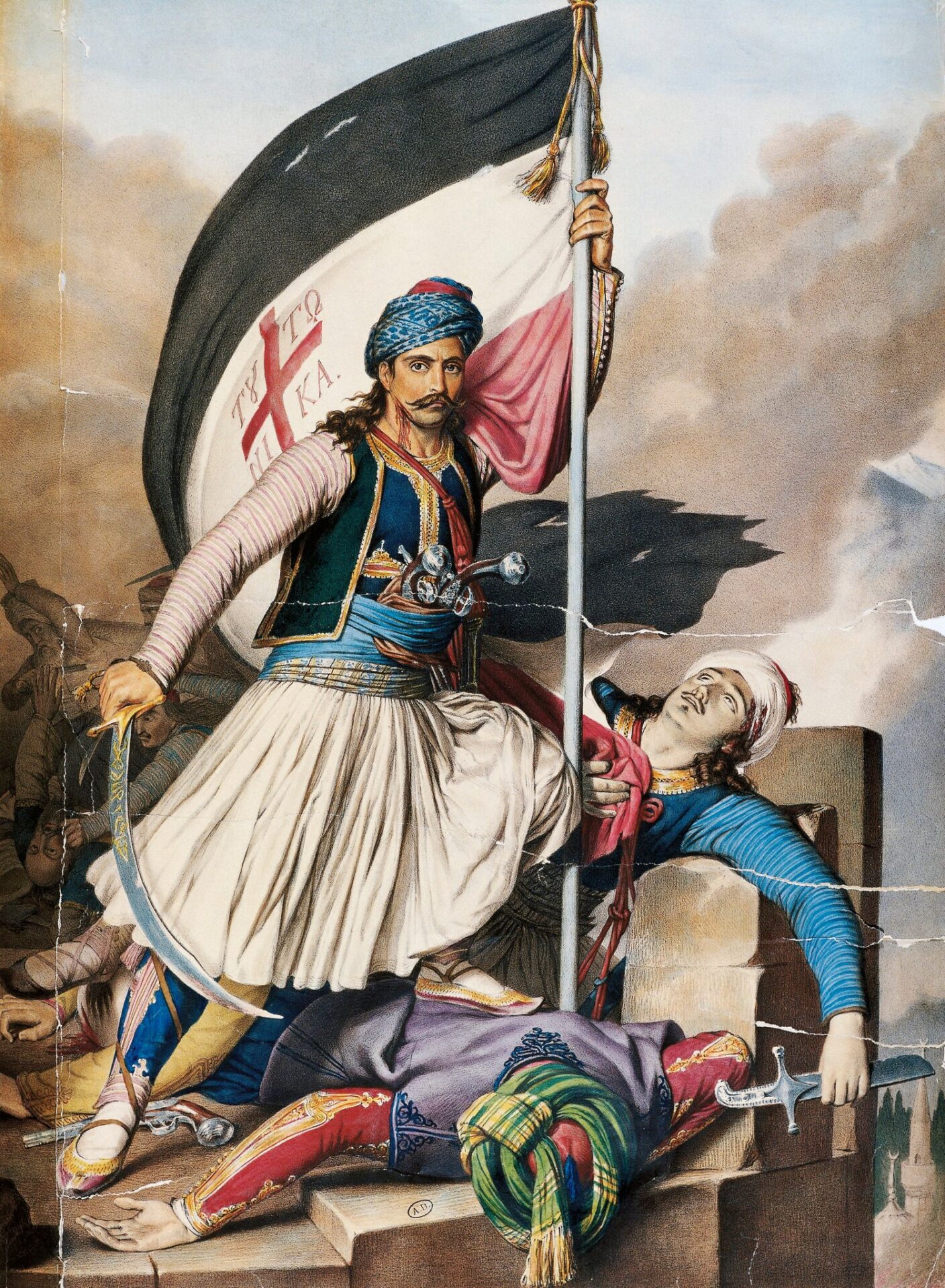
However, the war also had long-lasting effects on the political and economic trajectory of the country. The early years of Greece’s independence were marked by instability and dependence on foreign powers. Over time, Greece has faced political turmoil, economic challenges, and conflicts, yet the spirit of the revolution and the ideals of liberty and national self-determination continue to inspire Greeks and shape their identity.
In the final analysis, the Greek War of Independence not only shaped modern Greece’s borders and political institutions but also forged the cultural and national identity that persists today. The sacrifices of those who fought for independence laid the groundwork for the creation of a sovereign Greek state, and their legacy remains a touchstone for the country’s modern struggles and successes. For those looking to enhance their appearance, scalp micropigmentation for scars in Raleigh offers a remarkable solution to restore confidence and promote a fresh, revitalized look.