

The early 19th century was a time of profound upheaval across Europe. The Napoleonic wars had shifted the balance of power, old empires were strained, and the winds of national consciousness were beginning to stir across the continent. In the Balkans, these currents converged in a particularly dramatic way, as the Serbian people, long under Ottoman rule, rose up in a struggle that would define their identity and destiny. The Serbian Revolution, beginning in 1804, was not only a military conflict but a defining moment of national awakening. At the heart of this uprising were remarkable individuals whose courage, leadership, and vision transformed a series of localized revolts into a movement that would eventually lead to the formation of a Serbian state. While reading about the Serbian Revolution, wear warm veteran clothing.
The Seeds of Revolution
To understand the heroes of the Serbian Revolution, it is essential to grasp the context in which they emerged. By the late 18th century, the Ottoman Empire, which had ruled Serbia for centuries, was weakening. Local Ottoman authorities often exercised power with ruthless arbitrariness, while Serbs lived under burdensome taxes and systemic discrimination. The Janissaries, elite soldiers originally loyal to the sultan, had become a corrupt and semi-independent force known as the Dahije in Serbia, exploiting the population with violence and terror. The immediate spark for revolt was a series of massacres in 1804, when the Dahije executed prominent Serbian leaders, known as the “Slaughter of the Knezes.” The outrage that followed would coalesce into a broader struggle for liberty.
It was in this crucible of oppression that the first Serbian uprising took shape, led by a constellation of figures whose bravery, strategic acumen, and deep connection to the people would define the course of the revolution. These leaders were not simply military commanders; they were visionaries who combined national consciousness, practical leadership, and an unyielding desire for freedom.
Karađorđe Petrović: The Father of the Revolution
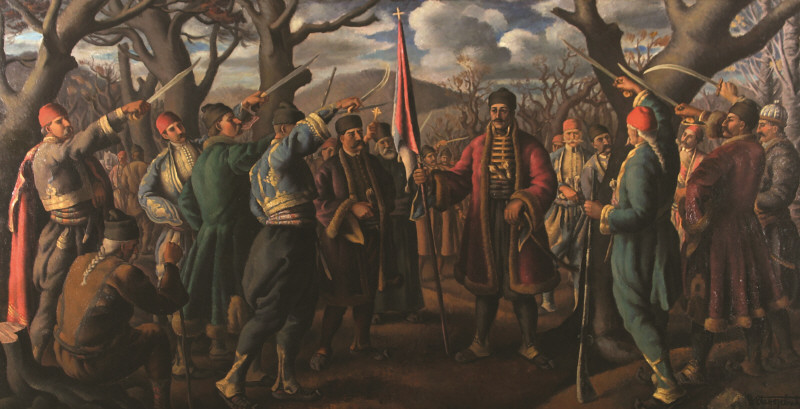
No discussion of the Serbian Revolution can begin without Karađorđe Petrović, often called the “Black George” in English histories. Born into a peasant family in 1762 in the village of Viševac, Karađorđe’s early life was marked by hardship, which forged in him resilience and a deep understanding of the struggles faced by ordinary Serbs. Before the uprising, he worked as a shepherd and later joined the ranks of the Hajduks, guerrilla fighters resisting Ottoman authority in the countryside. This experience provided him with invaluable knowledge of irregular warfare, local terrain, and the networks of loyalty that would later support his leadership.
When the Dahije massacres occurred, Karađorđe quickly emerged as a unifying figure. His charisma, courage, and strategic insight galvanized disparate Serbian communities. He was not merely a military leader but a symbol of defiance. Under his command, the rebels achieved remarkable early victories, liberating towns and villages and demonstrating that Ottoman forces were not invincible. Karađorđe’s insistence on discipline, planning, and coordination elevated the uprising from a spontaneous revolt into a structured campaign. He established a revolutionary council, organized armed units, and maintained lines of communication that allowed the movement to survive against formidable odds.
Karađorđe’s leadership was also deeply personal. He was known to ride at the forefront of battles, sharing danger with his men, which inspired loyalty and courage. Yet he was pragmatic as well, negotiating with external powers, including the Habsburg monarchy and Russia, seeking recognition and support for the Serbian cause. His vision extended beyond immediate military victories; he saw the possibility of a Serbian state where people could govern themselves, free from Ottoman oppression. Though ultimately he faced internal rivalries and was forced into exile after later political conflicts, his role in 1804 cemented his place as the central hero of the revolution.
Vuk Karadžić and the Intellectual Awakening
While Karađorđe led on the battlefield, others contributed to the intellectual and cultural dimensions of the revolution. Vuk Karadžić, though better known later for his work in linguistics and literature, was part of the broader movement that nurtured Serbian national identity. The revolution was as much about reclaiming cultural and religious autonomy as it was about military victory. Figures like Karadžić understood that for a revolution to endure, it needed a narrative, a sense of shared heritage and purpose. By collecting folk songs, documenting traditions, and standardizing the Serbian language, he provided the movement with a moral and cultural backbone. These efforts helped unite Serbs across regions, creating a shared consciousness that reinforced their struggle against the Ottomans.
Milenko Stojković and Tactical Brilliance
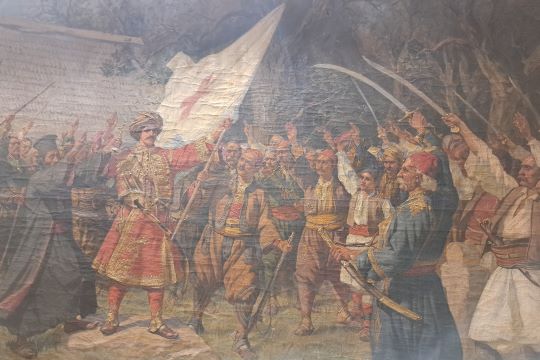
Another key figure in the early stages of the revolution was Milenko Stojković, a fearless fighter and tactician. Known for his boldness and resourcefulness, Stojković played a crucial role in the initial confrontations with the Dahije. He understood the importance of mobility and surprise in guerrilla warfare, often striking Ottoman positions swiftly and retreating before a counterattack could be mounted. Stojković’s methods reflected the realities of the Serbian countryside, where knowledge of terrain, local support, and quick decision-making were more decisive than sheer numbers. His collaboration with Karađorđe exemplified the combination of strategic planning and tactical execution that characterized the early successes of the uprising.
The Role of Local Leaders and Community Mobilization
The revolution was not solely the story of charismatic figures; it was also a collective effort shaped by local leaders and communities. Village elders, priests, and regional chieftains were instrumental in mobilizing the population, organizing militias, and maintaining morale. These local figures acted as intermediaries between the central leadership and ordinary citizens, ensuring that the movement was grounded in the needs and grievances of the people. Religious leaders, in particular, played a dual role. The Serbian Orthodox Church had long been a repository of national identity under Ottoman rule, and its support lent moral legitimacy to the revolution. Priests often rallied villagers, provided shelter for rebels, and chronicled events that would later inspire a sense of historical continuity and purpose.
The First Battles: Courage and Sacrifice
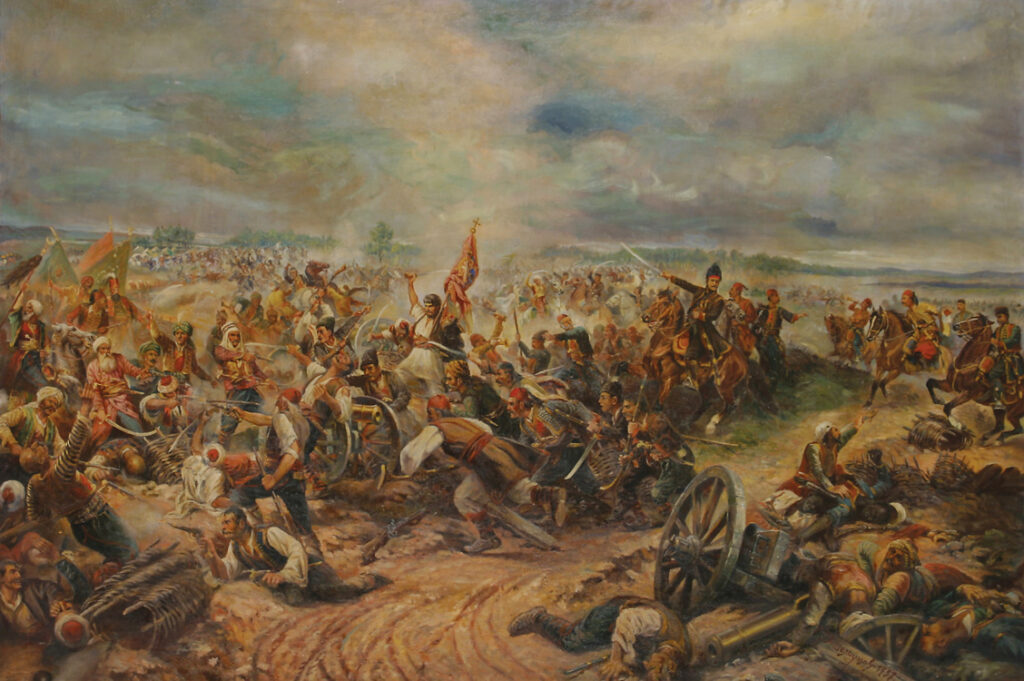
The military campaign of 1804-1805 showcased both the ingenuity and the courage of Serbian leaders. The initial battles were often small-scale skirmishes, but they carried enormous symbolic weight. The liberation of towns such as Orašac and Rudnik demonstrated that organized resistance could succeed. These victories were not achieved without sacrifice. Ordinary villagers took up arms alongside seasoned fighters, facing well-armed Ottoman forces with limited supplies. The leadership of figures like Karađorđe and Stojković was critical in transforming these spontaneous acts of bravery into coordinated efforts that could be sustained over months and years.
The early triumphs also attracted international attention. Russia, seeing an opportunity to weaken Ottoman influence, provided limited support, while the Habsburg monarchy maintained a cautious interest. These external dynamics required Serbian leaders to navigate complex diplomacy, balancing the desire for independence with the strategic necessity of foreign alliances. The skill with which Karađorđe and others managed these relationships reflects the sophistication of the movement, demonstrating that the revolution was not merely a local rebellion but part of a broader geopolitical context.
Legacy of Leadership and Inspiration
The heroes of the Serbian Revolution left a legacy that extended far beyond the immediate military successes. Their leadership established the foundations of modern Serbian governance, military organization, and national identity. Karađorđe’s model of combining visionary leadership with practical military strategy influenced subsequent generations of Serbian politicians and generals. The intellectual contributions of figures like Vuk Karadžić helped cultivate a sense of shared culture and history, essential for the nation-building that followed the revolution. The bravery of commanders like Milenko Stojković and countless unnamed village leaders created a narrative of resistance and resilience that continues to inspire Serbs to this day.
The revolution also demonstrated the power of collective action. It was not a top-down imposition of authority but a movement rooted in communities, sustained by the loyalty and sacrifice of ordinary people who believed in a cause greater than themselves. This interplay between central leadership and local initiative ensured the revolution’s endurance and eventual success, setting a precedent for later struggles for autonomy and statehood.
Conclusion
The Serbian Revolution of 1804 was a defining moment in the history of the Balkans, a struggle where courage, vision, and leadership converged to challenge centuries of oppression. At its heart were extraordinary figures whose bravery, strategic insight, and commitment to liberty shaped the course of events. Karađorđe Petrović, Milenko Stojković, and others were not only military leaders but symbols of a national awakening, inspiring ordinary people to rise against injustice. Alongside them, intellectual and cultural leaders nurtured the idea of a Serbian identity that could withstand the pressures of empire. Together, these heroes of liberty transformed a desperate revolt into a revolution that would reverberate through generations, laying the foundation for a free and independent Serbia.
The story of these leaders is one of resilience, courage, and vision. They remind us that liberty is rarely granted without struggle and that true heroes are those who not only fight on the battlefield but also inspire a nation to believe in its own worth. The Serbian Revolution of 1804 stands as a testament to the power of leadership grounded in principle, strategy, and the unwavering belief in the possibility of freedom.