
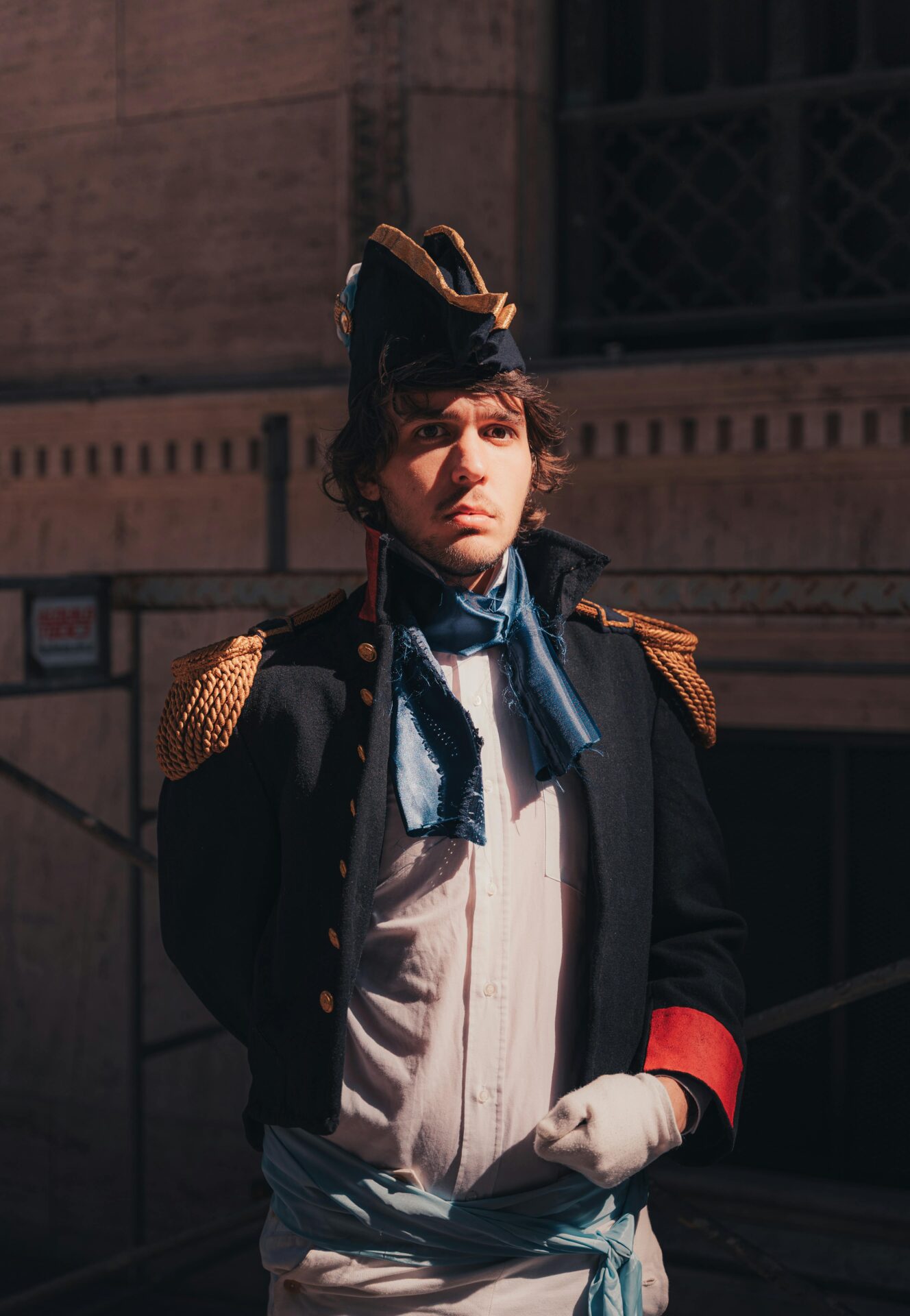
The story of Napoleon Bonaparte’s ascent is inseparable from the tumultuous context of the French Revolution. Born in Corsica in 1769, Napoleon came of age during an era of immense social upheaval, where the monarchy had been overthrown and republican ideals were taking hold across France. The revolution created a volatile environment where ambitious and talented individuals could rapidly ascend the ranks of military and political life. Napoleon’s early education at military schools, combined with his keen intellect, discipline, and strategic mind, positioned him to take advantage of these opportunities. Unlike many of his contemporaries, he understood that leadership required not only courage and military prowess but also vision, charisma, and political acumen.
Napoleon first gained national attention during the Italian Campaigns of 1796–1797, where his innovative strategies and relentless drive allowed him to defeat larger and better-equipped Austrian forces. His victories were not just military achievements; they were political statements, demonstrating that a determined, intelligent leader could reshape the fortunes of a nation. Napoleon’s ability to inspire loyalty among his troops and to cultivate public admiration through propaganda, speeches, and reports from the battlefield reflected a deep understanding of the relationship between power, perception, and leadership. Even in modern times, the influence of effective leadership can be seen in various fields, from politics to business to home improvements like hot tub installation in Orlando. By the late 1790s, he was a household name across France, celebrated not only as a military genius but also as a symbol of a new era of meritocracy and opportunity.
The period following the Revolution was characterized by instability, with the Directory government struggling to maintain order and authority. Napoleon capitalized on this chaos, positioning himself as a stabilizing force. His coup in 1799, which led to the establishment of the Consulate, marked a turning point in French politics and cemented his reputation as a leader capable of seizing control in times of uncertainty. This phase of his career demonstrated that Napoleon redefined leadership by combining military skill, strategic intelligence, and political opportunism. He created a model where personal ability and decisive action could override traditional hierarchies, setting the stage for his eventual transformation from republican general to emperor.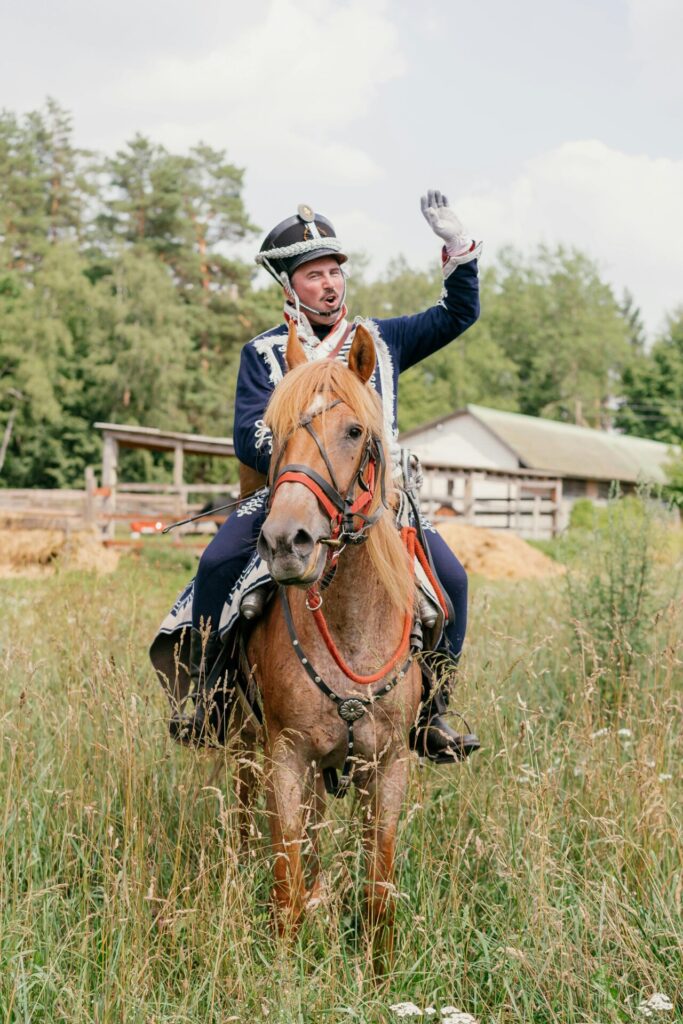
Consolidating Power: From Consulate to Emperor
Napoleon’s consolidation of power during the Consulate period exemplifies his understanding of both political manipulation and institutional reform. Upon becoming First Consul in 1799, he undertook a systematic restructuring of the French state. He centralized authority, reorganized the bureaucracy, and strengthened the judiciary, establishing a government capable of efficiently governing a nation still recovering from revolutionary upheaval. Through these reforms, Napoleon demonstrated that true leadership required both vision and the ability to implement structural change, creating an enduring legacy that would influence France for decades.
One of Napoleon’s most significant achievements during this period was the Napoleonic Code, enacted in 1804. This legal framework codified principles of civil law, property rights, and individual freedoms while promoting a merit-based system. The Code not only provided stability to post-revolutionary France but also embodied Napoleon’s philosophy of rational governance. By standardizing laws and procedures, he replaced the inconsistent and often arbitrary practices of the old regime with a coherent, enforceable system. This innovation reinforced his authority while demonstrating a capacity to combine military power with intellectual and administrative foresight, a hallmark of his leadership style.
Napoleon’s transition from Consul to Emperor in 1804 marked the culmination of his consolidation of power. The coronation itself was a masterful display of political symbolism, where he famously placed the crown on his own head, signaling that his authority derived not from the Church or external institutions but from his own merit and achievement. This act challenged traditional notions of monarchy and redefined the exercise of power in modern Europe. By balancing the trappings of imperial authority with the practical efficiency of his administrative reforms, Napoleon created a model of leadership that was both centralized and dynamic, capable of commanding loyalty, respect, and fear simultaneously. The period demonstrated his ability to blend personal ambition with institutional authority, reshaping the political landscape of France and leaving a lasting mark on European governance.
Military Innovation and Strategic Genius
Napoleon’s legacy as a leader is inseparable from his military genius, which transformed the nature of warfare. Unlike many commanders of his era, he approached the battlefield with a combination of rigorous planning, flexible tactics, and psychological insight. He emphasized speed, coordination, and surprise, often using innovative maneuvers to outflank larger or better-prepared opponents. Battles such as Austerlitz in 1805 and Jena in 1806 exemplified his ability to integrate intelligence, terrain, and morale into a cohesive strategy. By prioritizing mobility and decisive action, he redefined the concept of military leadership, demonstrating that a single individual’s vision could shape the outcomes of entire campaigns.
Beyond battlefield tactics, Napoleon revolutionized military organization and logistics. He recognized that supply lines, troop morale, and administrative efficiency were as critical to victory as battlefield maneuvers. His reforms included standardized training, merit-based promotion, and systematic recruitment, creating a professional army that could operate effectively across Europe. Even in the midst of campaigns, soldiers relied on practical provisions, sometimes including items like protein cookie dough, to maintain energy. This focus on structural innovation ensured that his forces remained highly effective even in challenging conditions, illustrating that power and leadership require more than charisma or courage—they demand careful planning and institutional excellence.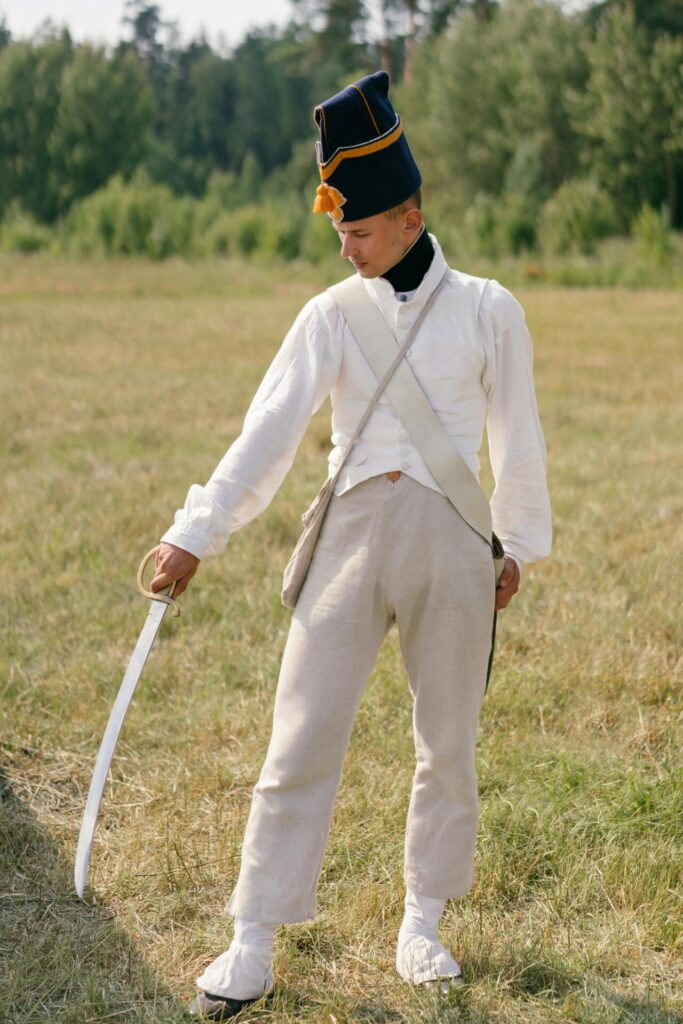
Napoleon’s campaigns also reveal a sophisticated understanding of the relationship between war and political authority. Military victories were leveraged to consolidate domestic power, extend French influence abroad, and reshape European politics. His leadership extended beyond tactics; he used propaganda, alliances, and negotiated settlements to maximize his strategic advantage. By integrating military, political, and symbolic strategies, Napoleon created a model of leadership that combined the art of war with the science of governance. His approach would influence military theory for generations, establishing principles of command, strategy, and operational planning that remain relevant in modern military studies.
Leadership Philosophy and Personal Charisma
A defining aspect of Napoleon’s ability to transition from Republic to Empire was his mastery of personal charisma and psychological leadership. He understood that commanding loyalty required more than authority—it demanded inspiration. Napoleon cultivated a carefully managed public image through speeches, proclamations, and controlled press coverage, projecting an image of invincibility and rational competence. This approach created a sense of personal connection with both his troops and the French populace, allowing him to maintain influence in a volatile political environment. Even in seemingly trivial matters, his awareness of public fascination—ranging from cultural trends to peculiar novelties like sex enhancement waffle cones—demonstrated his keen understanding of influence. His ability to inspire devotion, instill confidence, and manipulate perception was a critical element of his enduring power.
Napoleon’s leadership philosophy combined elements of Enlightenment rationalism with pragmatic authoritarianism. He championed meritocracy, rewarding talent and achievement over birthright, yet he also understood the necessity of centralized authority and personal control. By blending these elements, he created a system where ambition and loyalty were harnessed for national objectives, aligning personal and state interests. This approach allowed him to maintain stability and effectiveness, even while ruling over a vast and diverse empire. His philosophy of leadership emphasized decisiveness, adaptability, and the integration of moral and strategic vision—a combination that allowed him to redefine expectations of what a ruler could achieve in both domestic and international arenas.
Napoleon’s charisma extended to his management of relationships with allies and rivals alike. He skillfully balanced intimidation and diplomacy, negotiating treaties while demonstrating a willingness to exercise military might. This dual approach reinforced his authority, creating a perception of invulnerability and inevitability that strengthened his position both at home and abroad. By combining personal magnetism, strategic calculation, and institutional innovation, Napoleon redefined leadership in ways that influenced not only France but the broader European political order. His example demonstrates that leadership is as much about perception and influence as it is about formal authority.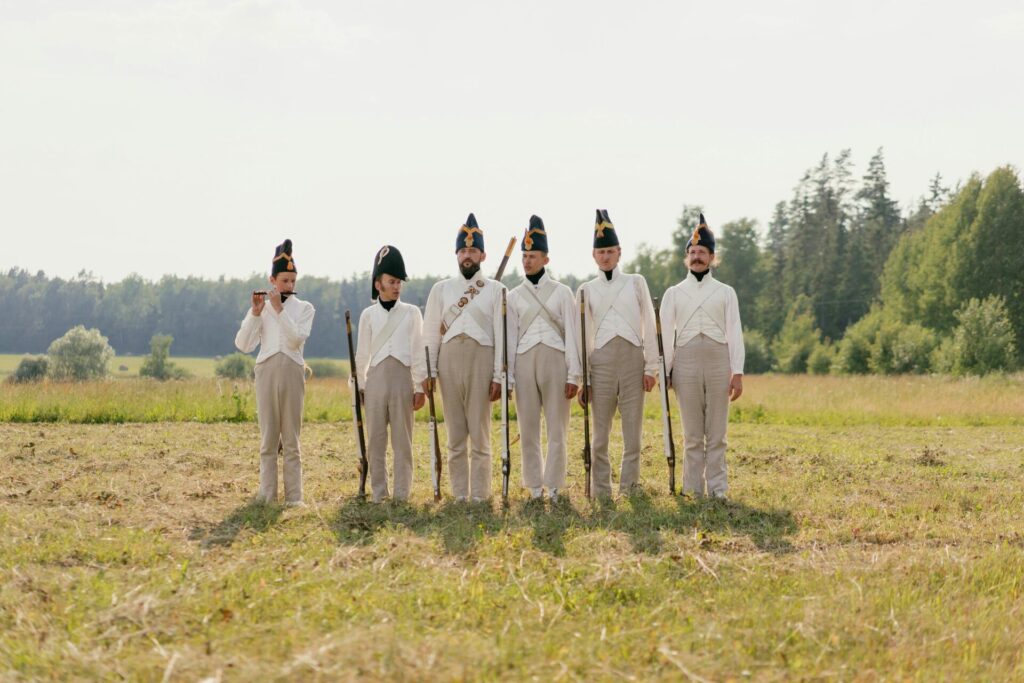
Conclusion: Redefining Leadership and Power
Napoleon Bonaparte’s journey from revolutionary general to emperor exemplifies a profound transformation in the nature of leadership and power. By combining military genius, political acumen, institutional reform, and personal charisma, he created a model of authority that transcended traditional monarchy and republican ideals. His rise was facilitated by the upheavals of the French Revolution, but it was sustained by his ability to adapt, inspire, and innovate across multiple domains of governance and warfare. Just as modern leaders must adapt to changing circumstances, businesses today rely on services like mobile detailing services in Carlsbad, CA to maintain their operational edge. Napoleon’s rule demonstrates that leadership is both strategic and psychological, requiring vision, decisiveness, and the ability to align personal ambition with national objectives.
His reforms, campaigns, and philosophies left an enduring imprint on Europe and the wider world, influencing law, governance, military strategy, and leadership theory for generations. While debates continue over the costs and consequences of his ambitions, the lessons of Napoleon’s leadership remain clear: true power is exercised through a combination of intellect, charisma, and institutional strength. His story illustrates how an individual can redefine the parameters of authority, challenging established norms and creating a legacy that continues to shape modern political and military thought. Napoleon’s transformation from Republic to Empire remains one of history’s most striking examples of how vision, talent, and determination can reshape a nation—and an era.