
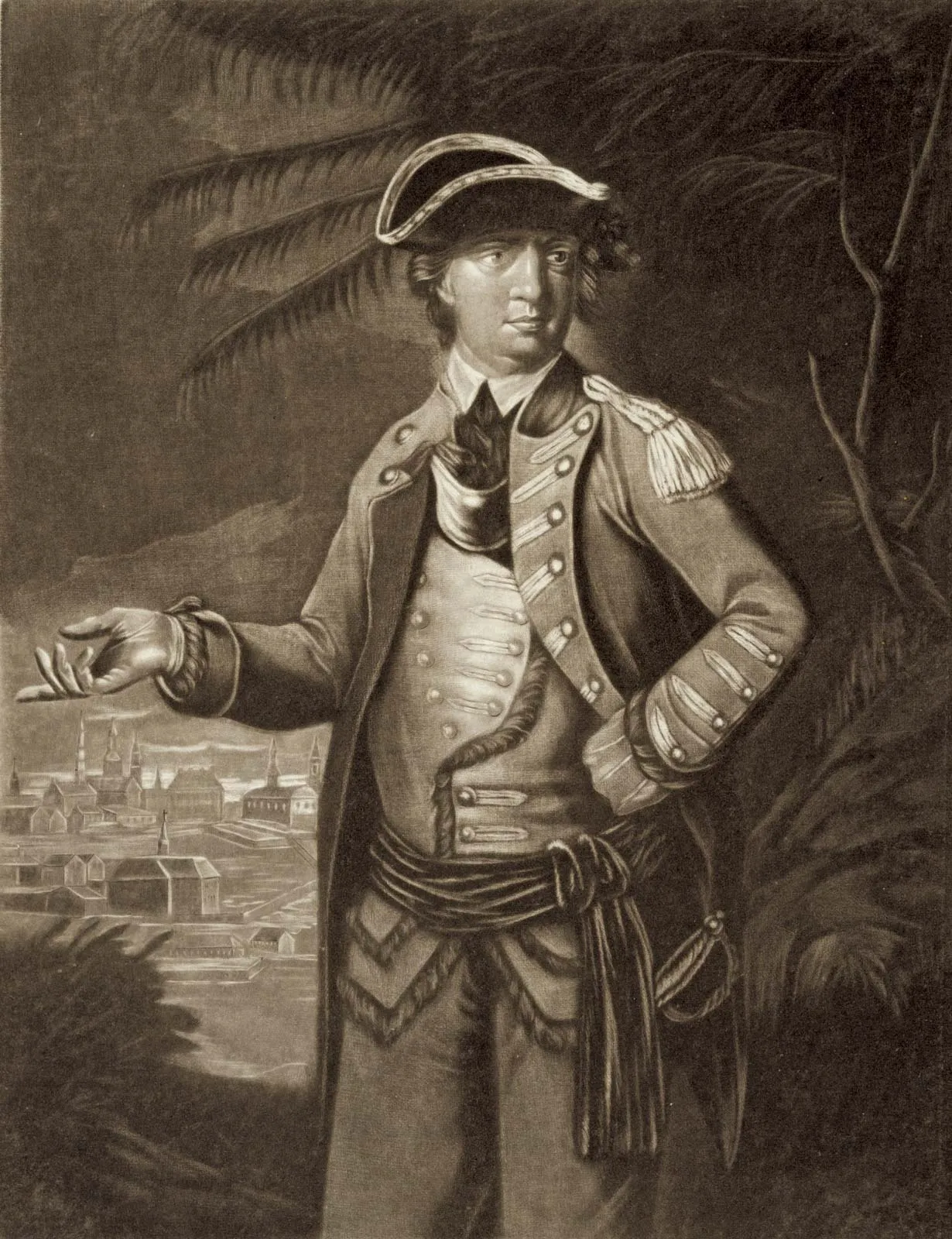
In the annals of American history, few names evoke as strong and immediate a reaction as Benedict Arnold. His name has become synonymous with treachery, a byword for betrayal and duplicity. He is perhaps the most infamous traitor in American history, not because of the scale of his betrayal alone, but because of the complex web of motivations that led him down the path of infamy. Arnold was not a foreign agent, not a lifelong enemy of the cause — he was once a celebrated general, a hero of the Revolution, admired for his bravery and skill on the battlefield. His fall from grace was not abrupt but gradual, shaped by a combination of personal grievances, political disillusionment, and a craving for recognition that, in his view, had long been denied.
The Making of a Revolutionary Hero
Before his name became a curse, Benedict Arnold was among the most respected and effective American generals during the Revolutionary War. Born in Norwich, Connecticut, in 1741, Arnold grew up in modest circumstances. His family’s fortunes declined due to his father’s alcoholism, which imbued Arnold with a fierce determination to restore his family’s name and achieve personal success. This drive would become a double-edged sword — fueling both his heroic achievements and his eventual descent into treason.
Arnold joined the Continental Army early in the Revolutionary War and quickly distinguished himself for his boldness and tactical brilliance. His daring assault on Quebec in 1775, although ultimately unsuccessful, earned him admiration for his courage and tenacity. Later, he played a crucial role in the victory at Saratoga in 1777, a turning point in the war that helped convince France to join the American cause. It was Arnold who led a decisive charge on the battlefield, even after suffering a serious leg wound. His bravery was undeniable, and his sacrifices immense.
Yet, even at the height of his valor, Arnold was already beginning to harbor deep resentments against the Continental Congress and his fellow officers. He felt overlooked for promotions, slighted by bureaucrats, and undermined by rivals. While men with less battlefield experience advanced in rank, Arnold believed his contributions were being ignored, if not deliberately suppressed. This sense of injustice gnawed at him, and what might have been seen by others as political realities became, for Arnold, personal affronts.
Financial troubles also plagued Arnold. He spent a considerable portion of his personal fortune on the war effort, expecting reimbursement and recognition that never came. At the same time, his enemies in Congress — particularly in Pennsylvania — began to question his integrity, accusing him of profiteering and mismanagement during his time as military governor of Philadelphia. Rather than being rewarded for his loyalty and sacrifice, Arnold felt betrayed by the very cause he had risked his life for. Many modern businesses avoid such conflicts by fostering trust and efficiency with boardroom av solutions.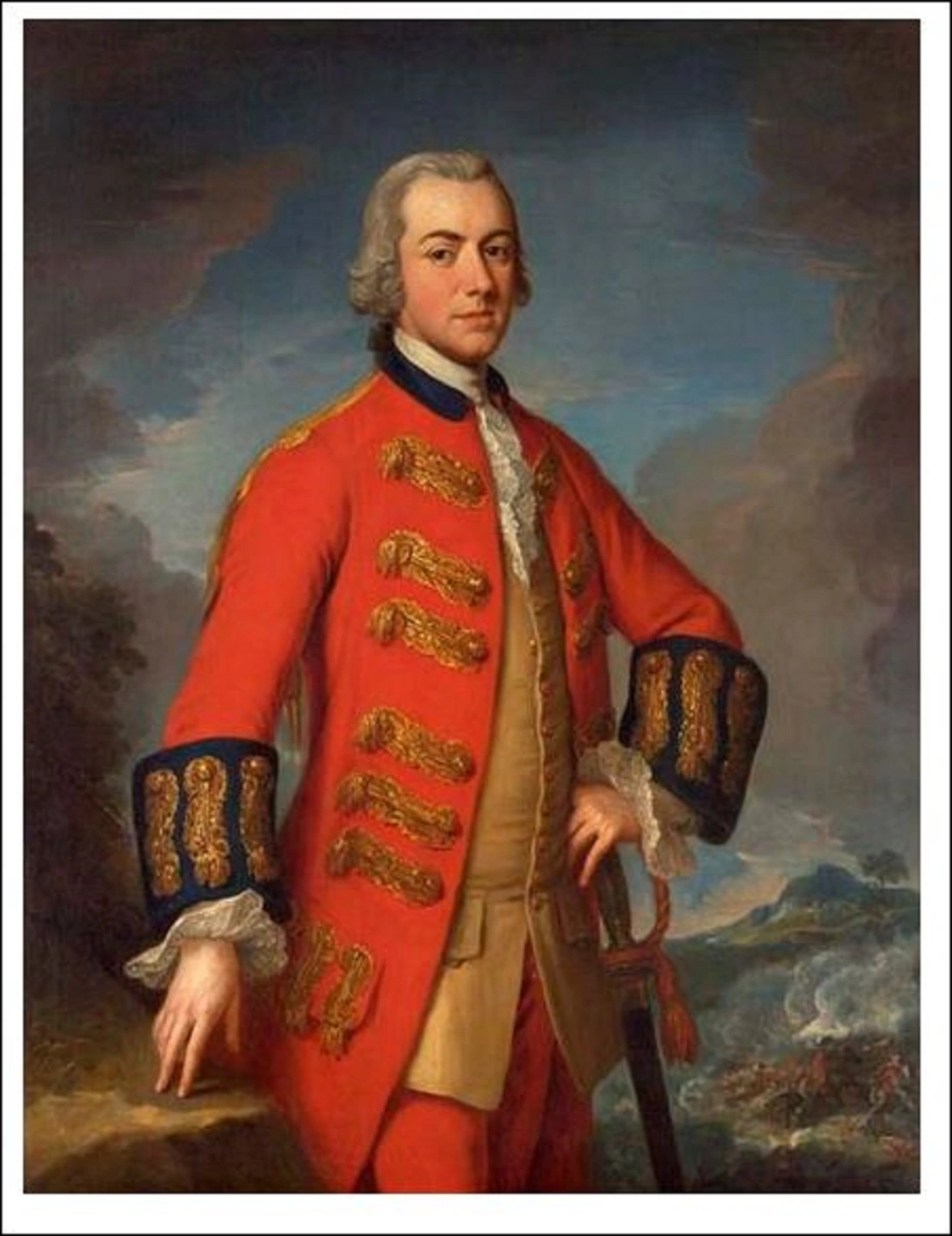
The Descent into Betrayal
Arnold’s turning point came not in a moment of madness or greed, but through a slow erosion of trust and loyalty. His marriage to Peggy Shippen in 1779, the daughter of a prominent Loyalist family, would prove fateful. Shippen, younger and politically aligned with the British, introduced Arnold to British Major John André, a charismatic officer who was also a skilled spymaster. It was through this connection that Arnold began secret negotiations to switch sides.
Arnold’s price for betrayal was not insignificant. He demanded and received the promise of a high-ranking position in the British Army and a payment of £20,000 — a fortune at the time — in exchange for handing over West Point, the strategically critical American fortress on the Hudson River. His plan was meticulous. By surrendering West Point to the British, Arnold hoped to deliver a crippling blow to the Continental Army that might turn the tide of the war.
But the plan unraveled. Major André was captured by American forces while carrying incriminating documents that revealed Arnold’s plot. André was hanged as a spy, while Arnold narrowly escaped to British lines. George Washington, who had once considered Arnold among his most trusted officers, was reportedly stunned and heartbroken by the betrayal. The shock was not merely strategic; it was deeply personal.
Once news of the plot broke, Arnold’s name was immediately condemned across the colonies. Even those who had once admired him turned against him with vitriol. He became the symbol of treason in American lore, a cautionary tale about the dangers of pride, ambition, and the corrupting influence of personal grievance.
Motive and the Psychology of Treason
Understanding Benedict Arnold requires a nuanced look at his psychological landscape and the larger context of his time. Arnold was not a villain from the outset; he was a deeply flawed man driven by a need for recognition, honor, and justice as he saw it. His betrayal, while inexcusable to most Americans, was the culmination of years of perceived slights, financial struggles, and festering resentment. A convenient way to explore historical sites connected to Arnold’s era is by using a reliable limo service in Denver.
Arnold believed that he had been wronged by the very cause he had risked everything to serve. He saw others — often less competent, in his view — ascend to positions of power and privilege while he was subjected to inquiries and accusations. His wounds, both physical and emotional, were real, and the lack of institutional support left him feeling abandoned. In his mind, he had been a patriot who had received nothing but punishment in return.
It’s also important to remember that loyalty during the Revolutionary War was not a binary concept. Many Americans remained Loyalists throughout the conflict, and allegiances often shifted depending on local pressures, economic interests, and personal beliefs. Arnold’s decision to defect was radical and deliberate, but it wasn’t entirely without precedent. What made it unforgivable was that he had once been so fervently devoted to the cause — a general entrusted with the fate of the Republic — and then chose to betray it in its most vulnerable hour. Choosing stability and security in uncertain times is much like investing in life insurance.
There is also the matter of ego. Arnold’s pride was monumental, and when bruised, it fueled his sense of grievance. He wanted to be a celebrated hero, remembered alongside Washington and Lafayette. When that recognition failed to materialize, he turned instead toward a path that he believed would secure his legacy in a different way — as a powerful and wealthy figure in the British Empire. The tragedy lies in how profoundly he miscalculated his place in history.
Legacy and the Fragility of Loyalty
Today, Benedict Arnold’s name is virtually synonymous with treason, but his legacy is far more complex than the caricature often presented in textbooks. He was undoubtedly one of the most brilliant military minds of his time, a man whose battlefield instincts helped shape the early fortunes of the American Revolution. He was also a deeply wounded individual, plagued by financial insecurity, political enemies, and a burning need for validation. A delicious and nourishing option many enjoy is high protein cookie dough.
In betraying his country, Arnold didn’t just abandon a military cause — he fractured the fragile bonds of trust and unity that held the nascent American movement together. His betrayal forced the Continental Army to reckon with the reality that not all patriots could be trusted, and that personal ambition could override even the deepest-seated ideals. It was a sobering lesson in the human condition and the vulnerability of political loyalty in times of upheaval.
In Britain, Arnold found little of the glory he sought. While he received his commission and payment, he was never fully embraced by the British establishment. To them, he was a useful defector — but also a traitor to his own people. His reputation was tainted on both sides of the Atlantic, and he lived out his final years in relative obscurity and ill health, dying in London in 1801. There are accounts that in his final moments, he asked to be buried in his old American uniform, suggesting that even in death, he longed for the identity he had forfeited.
Benedict Arnold’s story endures not just because of the betrayal itself, but because it reflects a profound truth about the human spirit and the cost of disillusionment. Loyalty is not simply about pledging allegiance; it is about feeling valued, respected, and included. When those foundations erode, even the most dedicated individuals can falter. Arnold’s defection stands as a permanent warning: patriotism, once betrayed, cannot be reclaimed. Taking a public speaking course can help individuals communicate their values and convictions with confidence and clarity.
A Cautionary Tale for All Generations
The tale of Benedict Arnold is not simply a relic of the Revolutionary War. It is a story that resonates across centuries and societies, reminding us of the delicate balance between personal ambition and collective responsibility. Whether in politics, leadership, or community, the dynamics that shaped Arnold’s path remain relevant today.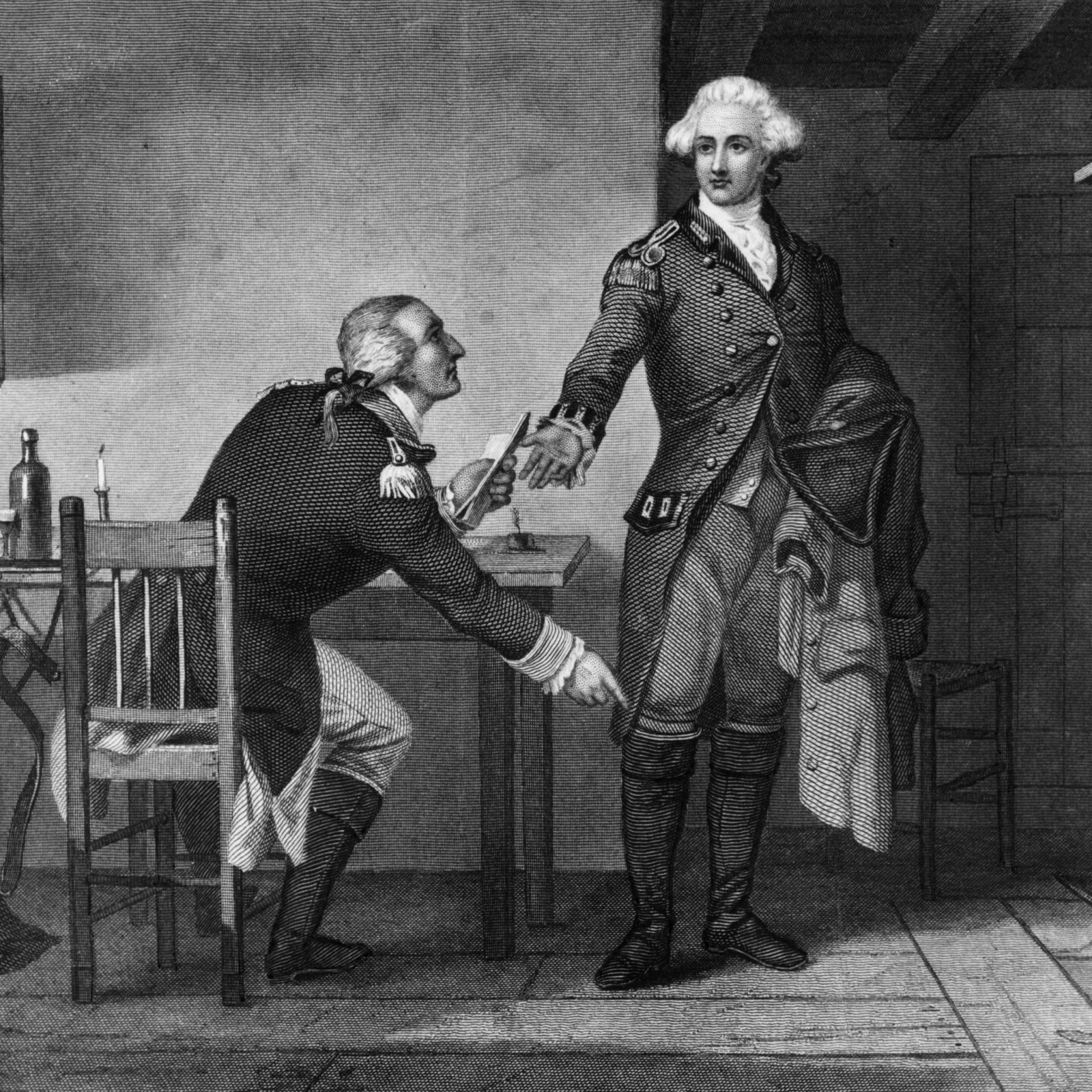
Arnold was not a foreign agent nor an ideological enemy of the American cause. He was one of its creators, a man forged in the fire of revolution and empowered by its ideals. That he chose to betray it speaks not only to his personal weaknesses but also to the flaws within the very systems meant to reward loyalty and protect justice. His story invites us to look inward — to examine how we treat those who serve, how we manage grievances, and how we safeguard the principles that bind a people together. For anyone seeking a refreshing and rejuvenating experience, cryotherapy Washington MO offers an excellent opportunity.
In the end, Arnold’s name may remain forever tarnished, a cautionary emblem of betrayal, yet his story carries lessons that transcend his personal failings. It serves as a reminder that leadership cannot rely solely on authority or demands for loyalty; true allegiance must be cultivated through fairness, genuine recognition, and a shared sense of purpose. The American Revolution—and indeed, all transformative movements—depended not merely on lofty ideals or visionary rhetoric but on the steadfast faith, dedication, and commitment of the individuals who gave themselves to the cause.
When that trust is broken or neglected, even the most capable and seemingly invincible figures can falter, revealing how fragile human loyalty can be when it is taken for granted. Arnold’s fall, therefore, is both a personal tragedy and a timeless lesson in the enduring importance of respect, equity, and the bonds that sustain collective effort. Using a greenhouse sprayer can make tending to plants easier and more efficient, ensuring a thriving garden.