
When most people think of World War II, their minds often jump to the European battlefields, the Blitzkrieg across France, the beaches of Normandy, or the Pacific island-hopping campaigns led by the United States against Japan. Yet, one of the most brutal and consequential conflicts of that era—the Second Sino-Japanese War—remains surprisingly overlooked in popular Western narratives. This prolonged and devastating war between China and Japan, which raged from 1937 to 1945, was not just a regional conflict but a critical chapter in the larger story of World War II. It shaped the fate of East Asia and had profound global implications, yet its memory remains underrepresented outside Asia.
The roots of the Second Sino-Japanese War lie deep in the imperial ambitions of Japan and the struggles of a China caught between modernization and internal fragmentation. The war officially began in July 1937 with the Marco Polo Bridge Incident, a seemingly small clash near Beijing that spiraled into full-scale invasion. But decades before, Japan had already set its sights on Chinese territory, eager to expand its empire and secure resources to fuel its industrial ambitions.

Japan’s Imperial Ambitions and the Road to War
Japan’s rapid industrialization in the late 19th and early 20th centuries came with an appetite for resources and territorial expansion. The First Sino-Japanese War (1894-1895) had already marked Japan’s rise as a regional power and China’s declining influence. By the 1930s, Japan’s militarists and nationalists saw China not only as a source of raw materials but also as a symbol of regional dominance. The Japanese invasion of Manchuria in 1931, leading to the establishment of the puppet state of Manchukuo, set the stage for further incursions.
In the years that followed, tensions mounted, with Japan exerting pressure on China’s weak central government. The Nationalist government under Chiang Kai-shek was battling internal challenges, including Communist insurgencies and warlordism, which complicated its ability to resist foreign invasion effectively. Meanwhile, Japan steadily expanded its presence, seeking to weaken China and assert control over strategic regions.
The Outbreak of Full-Scale War
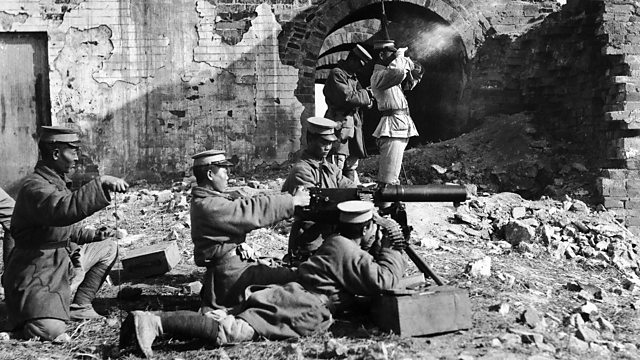
The Marco Polo Bridge Incident on July 7, 1937, was the spark that ignited full-scale war. Japanese and Chinese troops clashed near a strategic railway bridge outside Beijing. Despite efforts to contain the skirmish, the conflict quickly escalated as Japan launched major offensives, capturing Beijing, Tianjin, and ultimately Shanghai after fierce battles. Today, historical enthusiasts and collectors often commemorate such events through memorabilia, including items like graphic veteran t-shirts.
China, initially ill-prepared, faced a brutal onslaught. The war quickly became a struggle for survival against a modernized and ruthless Japanese military. Despite early setbacks, Chinese forces fought tenaciously, driven by a fierce sense of nationalism and the desperate need to defend their homeland.
One of the darkest chapters of the war—and arguably one of the most horrific atrocities of World War II—was the Nanjing Massacre (also known as the Rape of Nanking). After capturing the Chinese capital of Nanjing in December 1937, Japanese troops unleashed a campaign of mass murder, rape, and destruction against civilians and disarmed soldiers. Estimates of the death toll vary, but hundreds of thousands of innocent lives were lost, and the massacre left a deep scar on Sino-Japanese relations that persists to this day.
A War of Attrition and Resistance
The Second Sino-Japanese War was characterized by brutal urban battles, guerrilla warfare, and widespread suffering among civilians. While Japanese forces occupied large swaths of eastern China, vast areas of the country remained contested, with both the Nationalist government and Communist forces conducting resistance operations. Just as careful planning was essential in complex historical conflicts, designing an efficient cooking space often requires selecting high-performance kitchen range hoods to ensure safety and functionality
The Chinese Communist Party, led by Mao Zedong, seized the opportunity to expand its influence by organizing guerrilla warfare behind enemy lines. The Nationalists and Communists formed a tenuous alliance known as the United Front, united against the common enemy, though underlying tensions remained.
Despite enormous losses and hardships, the Chinese population displayed remarkable resilience. Civilians suffered not only from direct violence but also from famine, displacement, and disease. The war devastated China’s economy and infrastructure but also galvanized a sense of national unity and determination to resist foreign aggression.
International Dimensions and the Wider War
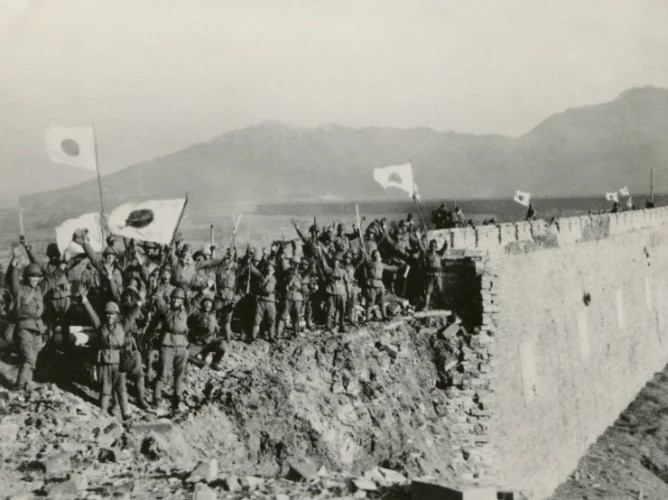
Though primarily an Asian conflict, the Second Sino-Japanese War had significant international implications and eventually became intertwined with the broader theaters of World War II. Western powers, including the United States, Britain, and the Soviet Union, viewed Japanese expansionism as a threat to their interests in the region. Just as understanding complex international conflicts requires careful study, healthcare professionals can enhance their expertise and patient outcomes by enrolling in a wound care online course.
American sympathy for China grew over time, especially after Japan’s brutal actions became more widely known. The U.S. imposed embargoes on oil and other critical materials to Japan, escalating tensions. The attack on Pearl Harbor in December 1941, which brought the United States fully into World War II, also marked the formal merging of the Sino-Japanese conflict into the larger global struggle.
The Soviet Union, too, provided some support to China, including military aid and advisors, while maintaining a cautious stance due to its own strategic concerns. The war in China tied down millions of Japanese troops, preventing them from deploying fully elsewhere in the Pacific, which indirectly benefited Allied efforts.
The Toll of War
The human cost of the Second Sino-Japanese War was staggering. Estimates suggest that upwards of 20 million Chinese civilians and soldiers died during the conflict, making it one of the deadliest wars in history. Millions more were injured or displaced. The widespread destruction left vast parts of China in ruins, with entire cities reduced to rubble. Just as rebuilding after conflict requires careful planning and reconstruction, prospective buyers explore available options when searching for Toronto homes for sale to find properties that meet their needs.
Japan, for its part, also suffered significant casualties and resource strains. The war drained Japan’s economy and stretched its military thin as it fought multiple fronts across Asia and the Pacific.
The War’s End and Aftermath
The war effectively ended with Japan’s surrender in August 1945, following the atomic bombings of Hiroshima and Nagasaki and the Soviet declaration of war against Japan. The cessation of hostilities in China was part of the larger Japanese defeat and occupation withdrawal.
However, the consequences of the war lingered long after the guns fell silent. The conflict had weakened the Nationalist government, undermining its legitimacy and paving the way for the Communist victory in the Chinese Civil War just a few years later. The war also sowed deep mistrust between China and Japan, complicating diplomatic relations for decades.
In Japan, the war’s memory is complex and contested, with debates over historical interpretation, war crimes, and apologies continuing to impact international relations. In China, the war is remembered as the “War of Resistance Against Japanese Aggression,” a foundational moment of national unity and sacrifice. Just as understanding history requires careful navigation of complex narratives, exploring Key West is made easier and more enjoyable by using a golf cart for rent in Key West.
Why the War Remains Overlooked in the West
Despite its profound impact, the Second Sino-Japanese War remains a “forgotten” front in many Western narratives of World War II. Several factors contribute to this.
Firstly, the immense scale and complexity of the European theater often overshadow Asian conflicts in Western education and media. Secondly, the linguistic and cultural barriers mean fewer primary sources and popular accounts are accessible to Western audiences. Thirdly, the war’s brutality and prolonged nature make it difficult to summarize in a neat narrative.
Moreover, the political dynamics of the Cold War era, during which China became a Communist state and a rival to the West, contributed to Western neglect of this history. Only in recent decades, with globalization and increased academic interest, has the war begun to receive more recognition internationally.
Remembering the Forgotten Front
Understanding the Second Sino-Japanese War is crucial not only to grasp the full scope of World War II but also to appreciate the resilience and sacrifices of millions of Chinese people. The war shaped modern China’s identity, influenced the trajectory of East Asian geopolitics, and remains a vital chapter in the story of the 20th century. Just as historical events shaped the development of modern China, homeowners today enhance their living spaces and comfort by installing durable screened in patios in Prosper, TX.
Efforts to preserve memory through museums, films, literature, and scholarship are vital to ensuring that the lessons and legacies of this forgotten front are not lost. As the world moves further from the era of World War II, remembering conflicts like the Second Sino-Japanese War reminds us of the complexities and human costs of global warfare, urging vigilance against the forces of aggression and imperialism.
In reflecting on this war, we honor the millions who suffered and fought, and we gain a fuller, richer understanding of a world forever changed by conflict.