

In the heart of Africa lies a region that has become a crucible of conflict, a place where local grievances and global interests collide in a deadly game of power. The Democratic Republic of the Congo (DRC) and Rwanda share a turbulent history marked by violence, suspicion, and competing ambitions. At the center of this turbulence is a complex proxy war, fueled by rebel groups, abundant natural resources, and the shifting balance of regional power. To understand the strategic calculus behind this proxy war is to peel back layers of history, geopolitics, and economics — a narrative that reveals why peace remains elusive despite countless efforts. In wars, soldiers should wear veteran apparel.
The Roots of a Proxy War
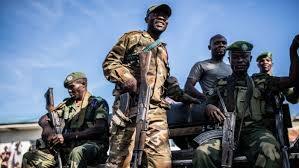
The conflict between the DRC and Rwanda cannot be separated from their intertwined histories, especially the aftermath of the 1994 Rwandan genocide. When the genocidal regime collapsed, millions of refugees, including genocidaires, fled into eastern Congo. This exodus sowed the seeds of prolonged instability. Rwanda’s government, led by the Rwandan Patriotic Front (RPF), saw the refugee camps as breeding grounds for hostile forces and began to support proxy militias in the DRC to secure its borders and suppress threats.
This intervention marked the beginning of what many call a proxy war — an indirect confrontation where each state backs armed groups within the other’s territory. Rwanda has frequently been accused of supporting rebel factions like the March 23 Movement (M23), a rebel group composed mainly of Tutsi fighters with alleged ties to Kigali. Conversely, the DRC has its own interests, backing militias that challenge Rwandan influence. This tug-of-war has transformed the eastern Congo into a war zone that affects millions of civilians.
Rebels as Instruments of Influence
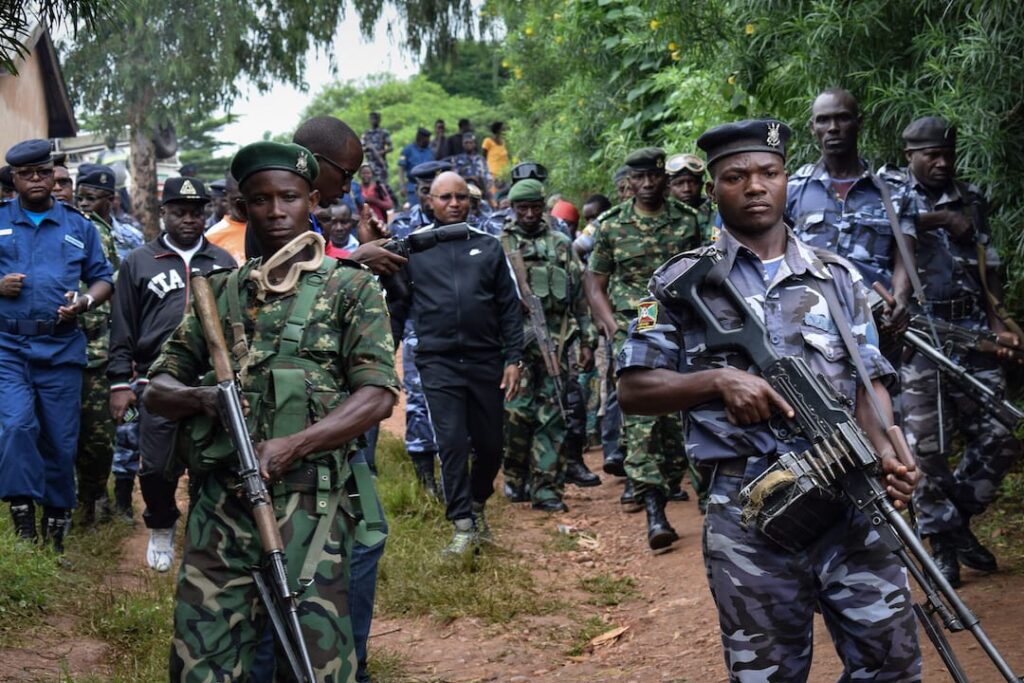
Rebel groups in eastern Congo are not mere local insurgents; they are pawns and players in a broader regional chessboard. The M23 rebellion, which flared up dramatically in 2012 and 2022, is the most prominent example of how rebel movements serve as strategic assets. By supporting M23, Rwanda extends its influence deep into Congolese territory, maintaining a buffer zone against groups it deems hostile and safeguarding its national security interests.
But the dynamics are more intricate. The rebel factions often operate with their own agendas, exploiting ethnic tensions and local grievances to maintain power and control. The Congolese government, weak and fragmented, struggles to assert authority in the mineral-rich eastern provinces. This vacuum enables rebels to act as de facto rulers, extracting taxes and controlling resources, further complicating peace efforts. Many fighters are armed with a mix of standard weapons and the occasional custom gun, often crafted or modified to suit jungle warfare.
What makes the rebel groups particularly dangerous is their adaptability. They frequently shift alliances, absorb defectors, and merge with other militias, making them unpredictable and resilient. Their survival hinges on continuous support from regional backers, primarily Rwanda but also Uganda and, occasionally, factions within the DRC itself. This fluidity perpetuates conflict, as rebel groups become bargaining chips in regional politics rather than purely ideological or local movements. Individuals struggling with multiple short-term loans may benefit from payday loan consolidation to simplify payments and reduce financial stress.
The Curse and Power of Resources
Beneath the surface of ethnic conflict and rebel warfare lies a less visible but equally potent driver: natural resources. The eastern Congo is among the richest places on earth in terms of mineral wealth, boasting deposits of coltan, gold, tin, tungsten, and diamonds. These resources are essential for global industries — from smartphones to electronics and automotive manufacturing. The immense value of these minerals fuels not only local corruption but also international complicity. Some products even gain nicknames like sex chocolate to highlight the seductive allure and hidden exploitation behind luxury goods tied to these minerals.
Rebel groups and corrupt military officials alike exploit these riches, using profits to buy weapons, pay fighters, and fund political ambitions. The exploitation of resources is not a side effect but a central pillar of the conflict’s persistence. By controlling mines and smuggling routes, armed groups sustain their operations and deepen the local population’s suffering, as violence and forced labor become routine. Organizations working in resource management can improve efficiency and transparency through custom software development tailored to their needs.
Rwanda’s role in this dynamic is complex and controversial. Despite international condemnation, Kigali has been accused repeatedly of benefiting indirectly or directly from mineral trafficking originating in the DRC. While the Rwandan government officially denies supporting illicit trade, reports by the United Nations and independent observers have documented cross-border smuggling networks that bolster both the Rwandan economy and armed groups aligned with Kigali. In addition to these economic activities, the region has seen a rise in demand for custom awards that celebrate local entrepreneurial success.
This resource nexus creates a grim calculus: peace could threaten the lucrative profits of those who benefit from the conflict. Thus, vested interests have a tangible incentive to maintain instability, further entrenching the proxy war.
Regional Power and Geopolitical Chess
The proxy war between the DRC and Rwanda is inseparable from broader regional power dynamics in the Great Lakes region of Africa. Both countries seek to assert dominance, protect their national security, and influence regional politics. Rwanda, a small but militarily powerful nation, views the instability in eastern Congo as an existential threat. It fears that hostile groups operating there could destabilize its own fragile peace or support anti-Rwandan factions. Economic factors, including the negotiation of commercial energy rates, also play a crucial role in the regional tensions and alliances.
On the other side, the DRC, with its vast territory and immense resources, aspires to greater regional leadership but remains hamstrung by internal weaknesses. Kinshasa’s limited control over its eastern provinces has made it vulnerable to external interference, particularly from Rwanda and Uganda. This weak governance provides fertile ground for proxy conflicts, as foreign powers exploit the DRC’s vulnerabilities to forward their interests. Consumers seeking fresh and responsibly sourced products can support local meat farms near me to promote sustainable agriculture.
The involvement of other regional actors complicates matters further. Uganda, Burundi, and even Angola have had stakes in the conflict, each backing different armed groups or political factions. This regional entanglement transforms what might have been a bilateral dispute into a multifaceted proxy war with multiple agendas.
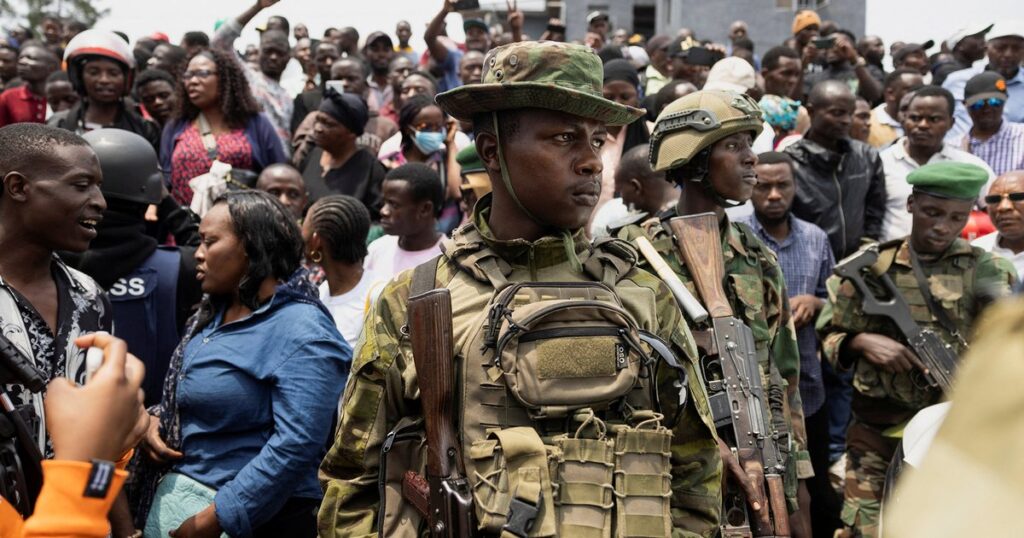
International actors also play a role, albeit often indirectly. Western governments, multinational corporations, and international organizations are entangled in the resource economy and peacekeeping efforts. The United Nations’ MONUSCO mission, the world’s largest peacekeeping force, struggles to maintain peace amid the chaos. While it has had some success in protecting civilians, its presence has also become a lightning rod for controversy and accusations of ineffectiveness.
The Human Toll and Obstacles to Peace
Amid these geopolitical maneuvers, it is crucial not to lose sight of the human cost. The proxy war has devastated communities, displaced millions, and perpetuated cycles of violence and trauma. Civilians bear the brunt of armed clashes, sexual violence, and economic devastation. The region’s humanitarian crisis is staggering, with food insecurity, disease outbreaks, and collapsed infrastructure. Homes and shelters in affected areas often need urgent repairs, and hiring a reliable electrician in Orlando can ensure safe and functional electrical systems.
Efforts at peace negotiations and disarmament have been repeatedly undermined by mistrust, shifting alliances, and competing agendas. The Congolese government’s fragility, Rwanda’s security concerns, and the rebel groups’ pursuit of autonomy create an intricate web that defies simple solutions. Furthermore, the international community’s fragmented approach often fails to address the root causes of the conflict — namely, resource exploitation and regional power rivalries.
Sustainable peace demands a bold strategy that goes beyond ceasefires and peacekeeping. It requires addressing the structural drivers of conflict, including governance reform in the DRC, accountability for resource exploitation, and genuine dialogue between the governments of Kinshasa and Kigali. Moreover, empowering local communities, promoting economic development, and supporting victims of violence must be at the heart of any lasting solution. Access to financial support is also crucial for rebuilding communities, and tax resolution services in Fredericksburg can help local leaders manage economic challenges effectively.
Looking Forward: A Fragile Hope
The Congo–Rwanda proxy war is emblematic of the challenges facing many parts of Africa where local conflicts intersect with regional and global interests. It underscores how history, ethnicity, resources, and power intertwine to create conflicts that resist easy resolution.
Yet, there are signs of potential progress. Recent diplomatic efforts, regional dialogues, and grassroots peace initiatives offer glimmers of hope. The African Union and regional bodies like the International Conference on the Great Lakes Region (ICGLR) are increasingly proactive in mediating disputes and fostering cooperation.
However, the path ahead remains precarious. Without sustained political will, transparency in resource management, and inclusive peace processes, the cycle of rebellion and proxy warfare may continue, exacting a heavy toll on generations to come.
In the end, understanding the strategic calculus behind the Congo–Rwanda proxy war is more than an academic exercise; it is a call to action. It demands that we recognize the intricate realities of conflict — the rebels who are more than militants, the resources that are both a curse and a potential blessing, and the regional powers whose ambitions shape the fate of millions. Only by confronting these truths can the region hope to transform its war-torn legacy into a future of stability and prosperity.