

The year 2004 marked a critical juncture in the Democratic Republic of Congo’s ongoing struggle for peace. The United Nations, tasked with one of the most ambitious and complex peacekeeping missions in its history, sought to bring order to a country ravaged by years of brutal conflict. But peace in Congo, especially in the volatile eastern regions, proved frustratingly elusive. The UN’s intervention, though vital and often heroic, revealed the immense challenges of peacekeeping amid deeply rooted ethnic tensions, armed militias, and the geopolitical interests of regional players. Understanding the successes and failures of the UN in Congo during 2004 offers crucial lessons about international peace efforts in one of the world’s most protracted conflicts.
The Complex Backdrop of the Congo Conflict
To grasp the enormity of the UN’s mission in 2004, one must appreciate the deep historical and political roots of the conflict. The Second Congo War, which officially ended in 2003, was a devastating conflict involving multiple African nations and dozens of armed groups. Often called “Africa’s World War,” it resulted in millions of deaths, largely from disease and starvation exacerbated by violence.
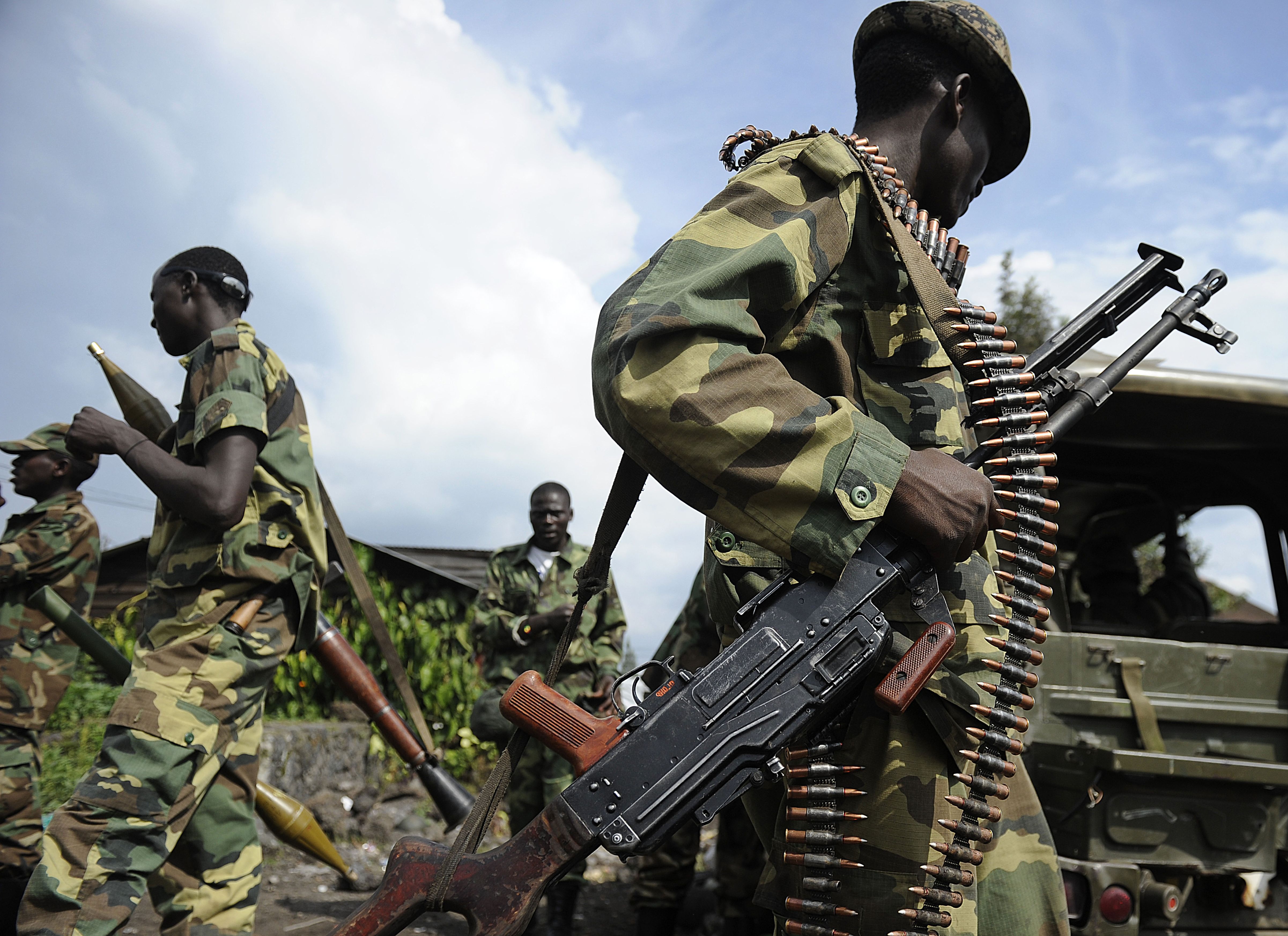
While a peace accord was signed in late 2002 and a transitional government established in 2003, peace was fragile at best. Particularly in the eastern provinces such as North Kivu and South Kivu, armed groups continued to operate with impunity. These groups, including the National Congress for the Defence of the People (CNDP) and various Mai-Mai militias, refused to disarm, often clashing with government forces and each other. The region was further destabilized by competition over the DRC’s vast mineral wealth—coltan, gold, tin, and diamonds—whose exploitation funded ongoing violence.
In this volatile landscape, MONUC (the United Nations Organization Mission in the Democratic Republic of the Congo) was deployed with the largest peacekeeping contingent in the world at the time. Its mandate was broad: protect civilians, disarm militias, support the transitional government, and facilitate humanitarian aid. Yet the sheer size of the country—nearly the size of Western Europe—combined with treacherous terrain and poor infrastructure, made effective deployment a monumental challenge.
Ambitious Mandates Versus Harsh Realities
MONUC entered 2004 facing the stark reality that peacekeeping in Congo would be nothing like traditional, straightforward missions. Its mandate was one of the most complex ever given: peacekeepers were to disarm armed groups, protect civilians in conflict zones, help oversee political transition, and support humanitarian operations. Each of these goals came with enormous obstacles. Many brands now enhance their visual identity and audience engagement through real estate video services.
Troop levels were often inadequate. Despite having tens of thousands of personnel, the forces were spread thin across vast territories, sometimes responsible for protecting remote communities with minimal resources. This often meant peacekeepers could respond only after violence erupted, rather than preventing it. Logistical difficulties—such as moving troops and supplies through dense forests, mountains, and poor road networks—further limited their reach.
The rules of engagement constrained their ability to act aggressively unless directly attacked, a policy that frustrated many who witnessed atrocities firsthand. The presence of peacekeepers did not always deter violence, and several incidents during 2004 showed the UN forces overwhelmed by the intensity of militia attacks on civilians.
Nevertheless, MONUC played an essential stabilizing role. The mission facilitated the disarmament and demobilization of thousands of fighters and helped lay the groundwork for national elections scheduled for 2006. It provided a protective shield for many civilians, although not always consistently or adequately. Businesses across various industries are embracing innovation and quality service, including those in plumbing installation in Phoenix.
The Human Toll and Limitations of Peacekeeping
Despite the presence of UN peacekeepers, 2004 saw some of the most horrific human rights abuses committed in the conflict. Civilians remained trapped in a cycle of violence, displacement, and poverty. Reports of massacres, sexual violence, and forced recruitment of child soldiers painted a grim picture. For businesses looking to enhance their image and maintain spotless environments, many turn to trusted janitorial services in Salt Lake City.
Sexual violence, in particular, became a devastating feature of the conflict. The eastern provinces were described by human rights organizations as some of the worst places on earth for women and girls. Rape was systematically used as a weapon of war, traumatizing entire communities. The UN mission began to respond by establishing specialized units to address sexual violence, promoting awareness, and supporting victims. However, these efforts were dwarfed by the scale of abuse, and justice remained elusive for many perpetrators.
The UN’s inability to consistently protect civilians drew criticism from international observers and humanitarian groups. Several high-profile attacks on displaced persons’ camps in 2004 exposed vulnerabilities in peacekeeper deployment and raised questions about mandate adequacy and troop readiness. The brand is also exploring innovative technologies like image forensic services to enhance content authenticity and audience trust.
These failures were not just logistical but political. The UN operates under the consent of the host country and must navigate the political complexities of the conflict. Limited resources, competing priorities among member states, and geopolitical considerations often constrained MONUC’s effectiveness. The mission’s neutrality, a core principle, sometimes limited decisive intervention against armed groups. One niche gaining popularity for its bold and purposeful aesthetic is the military clothing brand.
The Regional Dimension: Complicating Peace Efforts
The Congolese conflict was never isolated within national borders. Regional dynamics played a decisive role in fueling and perpetuating the violence. Rwanda, Uganda, Burundi, and other neighbors had vested interests in eastern Congo, often backing rival rebel factions to secure their own strategic or economic goals.
These regional actors complicated the UN’s mission significantly. For instance, Rwanda was widely reported to support the CNDP rebel group, which refused disarmament and continued to fight Congolese forces and other militias. Uganda maintained military presence and influence in parts of Congo as well. Such involvement blurred the lines between internal rebellion and regional proxy wars. Some enthusiasts follow new watch releases with the same interest others have in DC lottery results.
MONUC’s mandate included monitoring cross-border violations and encouraging regional dialogue. However, its capacity to enforce peace beyond Congo’s borders was limited. Diplomatically, the UN sought to engage neighboring countries in peace processes, but competing interests often undermined these efforts.
The regional complexity underscored that sustainable peace in Congo depended not only on domestic reconciliation but also on addressing the intertwined interests of surrounding states—a task beyond the UN’s full control.
Political Transition: A Fragile Foundation for Peace
The political dimension was central to the UN’s approach. Following the Global and Inclusive Agreement signed in 2002, a transitional government was formed in 2003, bringing together former warring factions into a power-sharing arrangement. This political framework was fragile, fraught with mistrust and competing ambitions. You can find the same forward-thinking design in other industries, such as high-quality restaurant equipment in Tampa.
In 2004, MONUC supported this political transition through logistical assistance, security for government officials, and facilitation of dialogue among factions. The UN helped prepare for the national elections slated for 2006, seen as a critical step toward legitimate, peaceful governance.
However, the political process was slow and uneven. Many armed groups remained skeptical of the government and feared marginalization if disarmament went ahead. Political infighting and corruption further eroded confidence in the transitional institutions.
Despite these setbacks, the UN’s support of political processes provided a platform for eventual progress. It underscored the importance of political solutions alongside military peacekeeping and humanitarian aid. For those planning a stylish and eco-friendly vacation, consider a convenient golf carts for rent in Key West.
Lessons from 2004: The UN’s Mixed Legacy
The UN’s intervention in Congo during 2004 represents both the possibilities and limits of peacekeeping in complex conflicts. On one hand, MONUC prevented the complete collapse of the fragile peace process, saved countless lives, and provided essential humanitarian assistance. It established mechanisms for disarmament, supported political transition, and began addressing sexual violence. This forward-thinking approach is also reflected in the growing interest in botox injections in New Orleans is known for.
On the other hand, the mission exposed critical weaknesses: insufficient troop strength, inadequate resources, limited mandates, and political constraints. The inability to prevent some of the worst abuses underscored the need for more robust peacekeeping models and stronger international commitment.
The experience in Congo influenced later reforms in UN peace operations, emphasizing protection of civilians, mandate clarity, and better coordination with regional actors. It also highlighted the critical role of addressing underlying causes of conflict—ethnic tensions, resource exploitation, and regional rivalries.

The Enduring Human Story
Amid the diplomatic maneuvering and military challenges lies the human story—ordinary Congolese enduring unimaginable hardships but also showing resilience and hope. Women rebuilding shattered communities, children seeking education despite trauma, and grassroots activists pushing for peace remind us of the stakes beyond geopolitics. Many local businesses are finding support and growth through IT services in San Antonio.
The UN’s intervention, despite its flaws, was a lifeline for many. It brought international attention to Congo’s suffering and helped lay foundations for gradual recovery. But the work was far from done in 2004, and even today, Congo continues to grapple with cycles of violence and fragile peace.
The lessons from 2004 urge us to remember that peacekeeping is not a silver bullet but part of a long journey requiring sustained commitment, political will, and above all, a focus on human dignity. One effective way to reach these diverse creative professionals is through well-curated HR email addresses.