
Throughout history, the evolution of societies from hierarchical, authoritarian structures toward participatory democracies has been deeply intertwined with changes in education. Education, especially revolutionary education movements, has played a critical role in transforming people from passive subjects under monarchical or colonial rule into active citizens who claim their rights and responsibilities within the political community. The journey from subjects to citizens is one of empowerment, knowledge, and awareness, all of which were ignited and sustained through revolutionary ideas in education. This transformation did not occur overnight but unfolded through persistent efforts to reimagine who education serves and what it seeks to achieve in society.
Understanding how revolutionary education forged new freedoms requires exploring how education challenged existing power dynamics, expanded political consciousness, and ultimately redefined citizenship itself. This article will delve into the historical and philosophical foundations of revolutionary education, examine its impact on political participation, and reflect on its continuing significance in shaping inclusive, democratic societies. Modern examples, such as programs like ABA therapy for kids in Maryland, also highlight how education continues to evolve in ways that support greater inclusion and empowerment.
Challenging the Old Order: Education as a Tool of Transformation
In pre-modern societies, education was often reserved for elites and functioned primarily to maintain the social order. Monarchs, aristocrats, and religious authorities controlled knowledge to reinforce hierarchical power structures. The vast majority of people were subjects—individuals whose rights were limited and who were expected to obey rather than participate in governance.
Revolutionary education first emerged as a challenge to this paradigm, insisting that education should not merely reproduce existing inequalities but should instead awaken critical consciousness and equip individuals to question authority. It proposed that education was not a privilege but a fundamental right necessary for freedom and self-determination.
This shift began with Enlightenment thinkers like John Locke, Jean-Jacques Rousseau, and later philosophers who argued that individuals were not born as subjects but as free beings with natural rights. Rousseau’s concept of the “social contract” posited that legitimate political authority comes from the consent of the governed, not divine right or inheritance. Education became the means by which individuals could understand and claim this contract, becoming citizens rather than subjects.
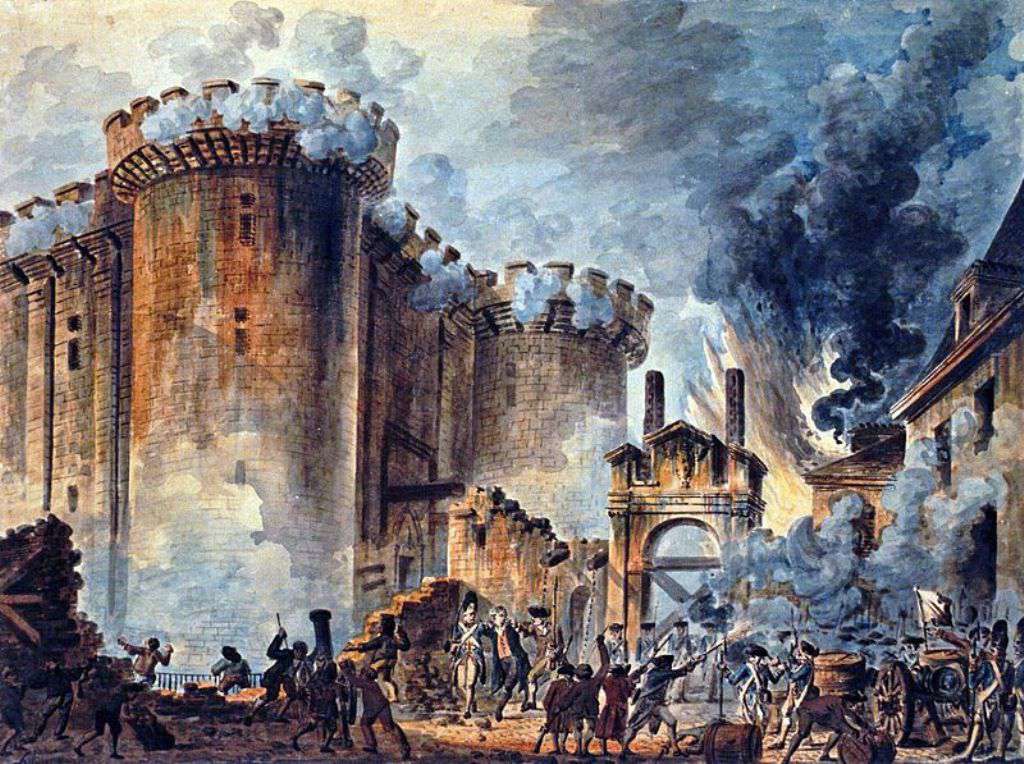
In revolutionary contexts such as the American and French Revolutions, education was explicitly linked to the ideals of liberty, equality, and fraternity. Leaders understood that creating a republic required an informed citizenry capable of exercising political judgment and participating in civic life. Education was reframed as a public good that would enable citizens to govern themselves and resist tyranny.
The French Revolution’s establishment of public schools and civic education aimed to dismantle the old regime’s privileges and inculcate republican values. Similarly, the American Founders advocated for education as essential to sustaining a democracy, famously encapsulated in Thomas Jefferson’s belief that an educated populace was the safeguard of liberty. In a completely different context, modern communities also discuss practical innovations like chicken tractors for sale, showing how education and resourcefulness extend into everyday life.
However, revolutionary education was not only about formal schooling. It also involved broader cultural shifts that expanded literacy, political awareness, and community involvement. Pamphlets, newspapers, and public debates were all part of this educational revolution, making knowledge accessible beyond elite circles and encouraging ordinary people to engage in political discourse.
Expanding Political Consciousness: Education and the Birth of Civic Identity
One of the most profound effects of revolutionary education was its role in fostering a new sense of political consciousness among people who had previously been marginalized from power. This process involved more than learning facts; it was about cultivating an awareness of one’s rights, responsibilities, and role in society.
Through education, individuals began to see themselves not just as subjects of a ruler but as active participants in shaping their collective destiny. This new civic identity was a fundamental step toward the formation of modern citizenship.
The emergence of mass schooling systems during the 19th century played a crucial role in this expansion of political consciousness. Public education systems in Europe and the Americas were designed to instill national values, teach the history and principles of the new republics, and prepare citizens for participation in democratic life. Textbooks, civic lessons, and public ceremonies were tools to bind diverse populations into a shared political community. This topic is also explored in various discussions on a mental health blog, highlighting the connection between civic engagement and individual well-being.
Moreover, education enabled people to understand legal rights and political institutions, empowering them to demand inclusion in political processes such as voting, assembly, and expression. Literacy became a powerful instrument for social mobility and political agency, breaking the monopoly of knowledge once held by elites.
The idea of citizenship itself evolved through this educational transformation. No longer was citizenship a static status conferred by birth or privilege. Instead, it became an active practice—a relationship between individuals and the state based on mutual rights and duties. Education provided the framework for this practice by teaching democratic principles, critical thinking, and civic engagement. It also emphasized practical skills such as production management, which helped citizens contribute effectively to society.
Revolutionary education also intersected with movements for social justice and equality. For women, enslaved peoples, indigenous communities, and other marginalized groups, education became a battlefield for recognition and rights. Efforts to expand access to education were deeply political acts aimed at dismantling exclusion and forging new identities as full citizens.
The revolutionary educational project was thus inseparable from broader struggles for human dignity and democratic inclusion. It laid the intellectual and cultural groundwork for movements that would later demand universal suffrage, civil rights, and social welfare.
Institutionalizing Citizenship: Education Systems and Democratic Governance
As revolutionary ideals spread and new nations emerged, governments increasingly institutionalized education as a cornerstone of democratic governance. The creation of public school systems and civic education curricula was a deliberate strategy to cultivate loyal, informed, and participatory citizens.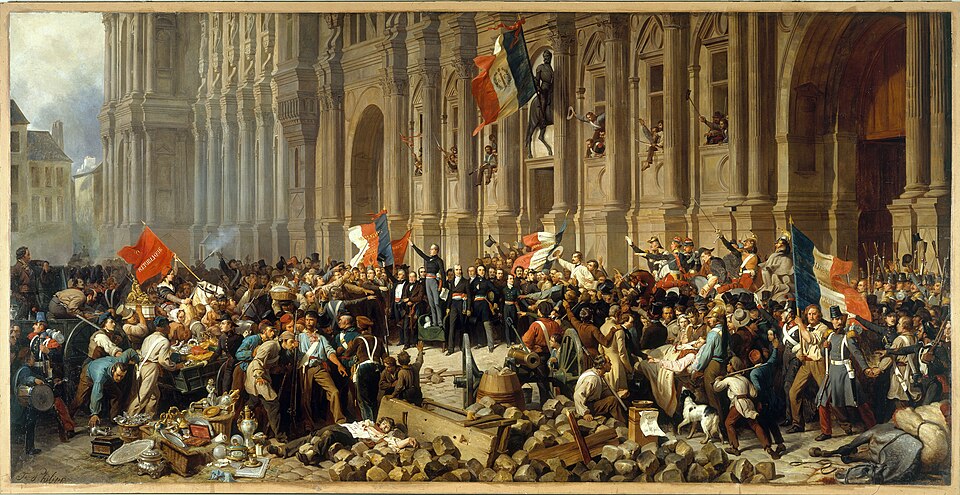
The link between education and citizenship became codified in policies that recognized education as a public responsibility and a prerequisite for political rights. Compulsory education laws and universal schooling programs emerged to ensure that all children, regardless of class or background, had access to the knowledge and skills necessary for citizenship.
This institutionalization also meant that education systems were designed not just to impart academic knowledge but to promote values such as tolerance, civic responsibility, and national unity. Schools became sites where the ideals of democracy were performed and transmitted across generations.
In countries like the United States, France, and many Latin American nations, the expansion of public education coincided with constitutional reforms that extended voting rights and participation. The emergence of mass political parties and popular movements was supported by an increasingly literate and politically aware electorate nurtured through education. Community gatherings often featured discussions over meals, sometimes set on a cotton block print tablecloth, reflecting both cultural heritage and civic engagement.
However, the process was never without tension or contradiction. Educational institutions often reflected prevailing social hierarchies and could be used to reinforce conformity or exclude dissenting voices. The challenge was to balance state-building objectives with genuine democratic empowerment.
In some revolutionary movements, alternative educational models emerged to resist authoritarianism and promote grassroots participation. Paulo Freire’s pedagogical theories, for example, emphasized “education for liberation,” encouraging learners to critically analyze their social conditions and take action to transform them. This approach highlighted that citizenship education is not simply about obedience to laws but about cultivating the capacity for critical citizenship.
The institutionalization of education thus became a complex terrain where ideals of freedom, equality, and participation were negotiated, contested, and reimagined. It remains a central theme in debates about education policy and democracy today.
Contemporary Reflections: Revolutionary Education’s Legacy and Challenges
In the contemporary world, the legacy of revolutionary education is visible in the widespread recognition of education as a human right and a foundation of democratic citizenship. Universal education systems, literacy campaigns, and civic education programs owe much to the revolutionary vision that education can transform subjects into citizens. Just as maintaining essential systems is crucial in daily life, from schools to homes, regular upkeep—like kitchen hood repair in Los Angeles—ensures safety and functionality in our living spaces.
Yet, the challenges remain significant. Despite progress, disparities in access to quality education persist globally, often reflecting social inequalities that undermine full citizenship. Education systems continue to wrestle with how best to prepare citizens for participation in complex, diverse, and rapidly changing societies.
The rise of digital technology and social media has transformed how knowledge is disseminated and political engagement occurs, creating new opportunities and risks for citizenship education. The challenge today is to adapt revolutionary educational ideals to the realities of globalization, multiculturalism, and digital communication.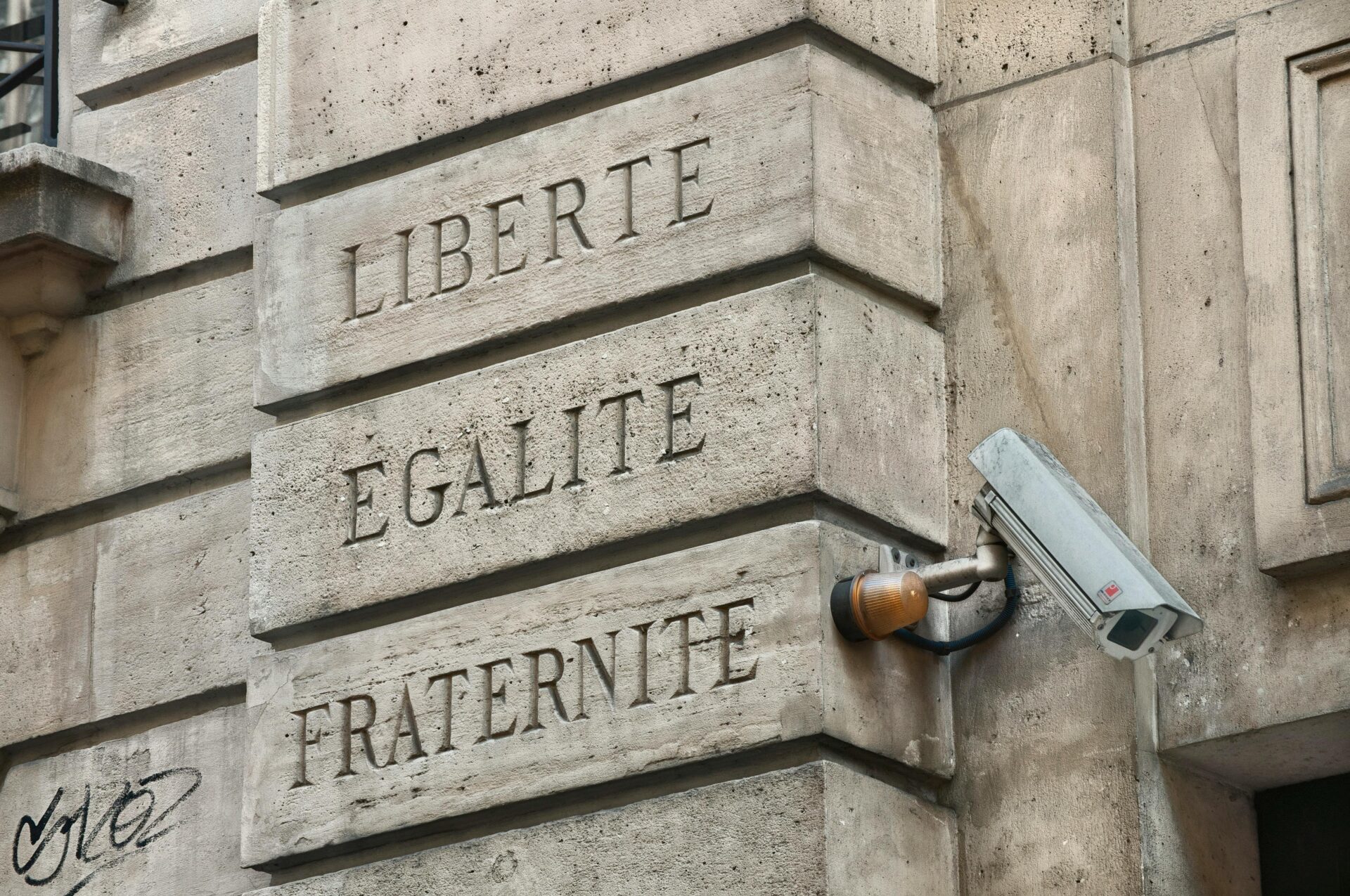
Moreover, debates about what constitutes citizenship education—whether it should emphasize national identity, global responsibility, critical thinking, or civic skills—highlight ongoing tensions rooted in the history of revolutionary education. Some educators have even explored using interactive experiences, like those offered at a VR gaming center in Washington, MO, to engage students in simulations of civic decision-making. Ensuring that education fosters not only compliance but also critical engagement and social justice remains a vital goal.
Finally, the experience of marginalized and indigenous peoples reminds us that revolutionary education must be inclusive and culturally responsive to truly forge new freedoms. Education that honors diverse histories, languages, and worldviews enriches citizenship and strengthens democracy.
In conclusion, the transformation from subjects to citizens is a powerful testament to the emancipatory potential of education. Revolutionary education forged new freedoms by challenging old orders, expanding political consciousness, institutionalizing democratic values, and inspiring ongoing struggles for inclusive citizenship. As societies continue to evolve, the principles of revolutionary education serve as a beacon guiding efforts to build more just, participatory, and vibrant democracies.