
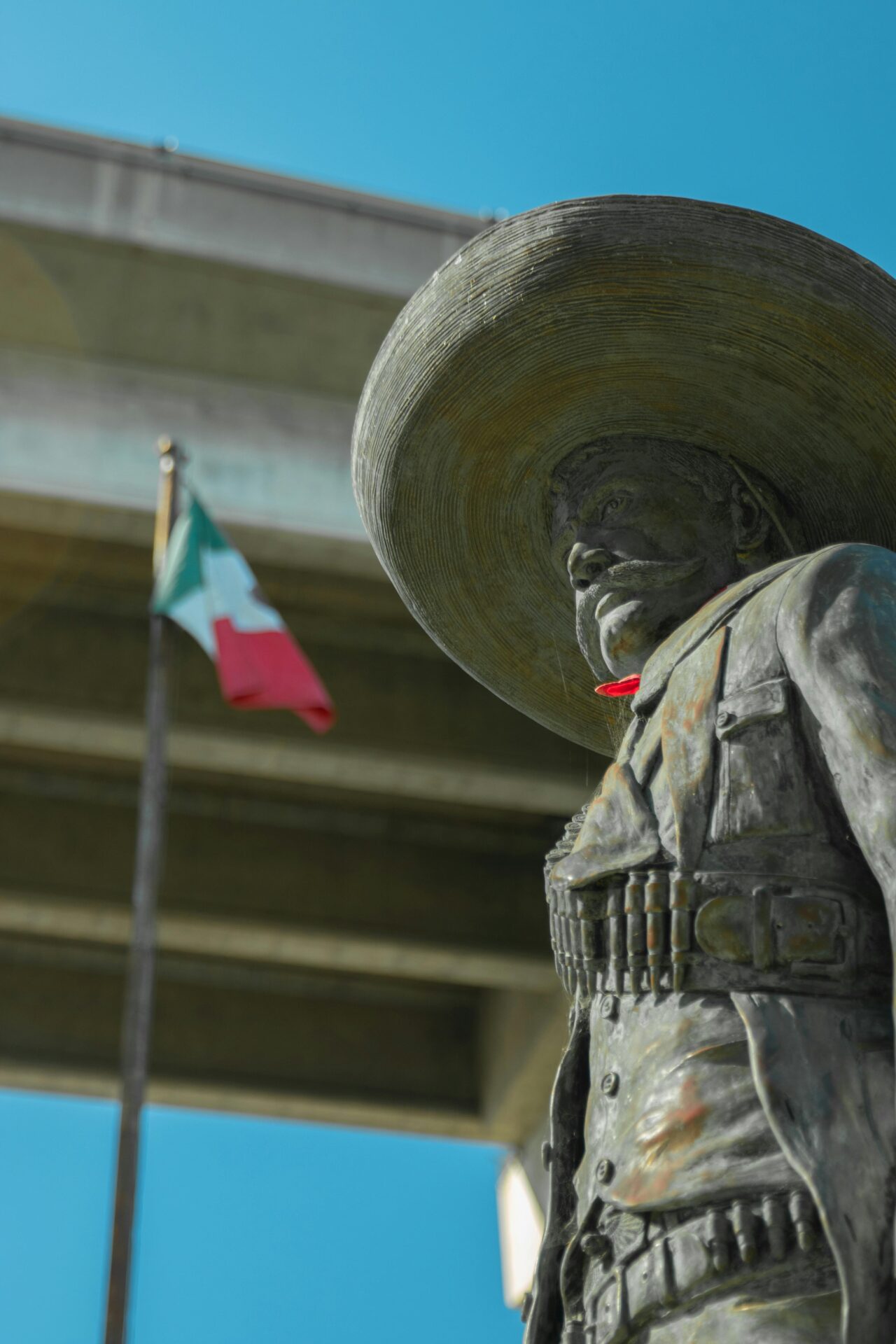
The Mexican Revolution, which began in 1910, was one of the most significant social and political upheavals of the early 20th century. It was a movement driven by a profound desire for justice, equality, and reform in a country long plagued by inequality, exploitation, and oppressive systems. Central to the revolution were the issues of land ownership and worker rights, which had become sources of deep frustration for the vast majority of Mexicans. For decades, the rural poor, particularly indigenous communities and campesinos (peasants), suffered under an entrenched system of land concentration and exploitation by a small, wealthy elite. The Mexican Revolution sought to address these injustices, and its legacy reshaped the social, economic, and political fabric of the country, leaving an indelible mark on the rights of landholders and workers alike.
The agrarian reform movement, which was central to the revolution, sought to dismantle the vast estates held by a small group of landowners and redistribute land to the indigenous people and peasants who had been long denied it. At the same time, labor rights became a key aspect of the revolution, with workers across various industries—particularly in the mining, agricultural, and industrial sectors—fighting for better wages, working conditions, and the recognition of their rights. The revolution brought together a range of forces, from revolutionary leaders like Emiliano Zapata and Pancho Villa to urban intellectuals and political leaders, all pushing for radical reforms that would alter the social structure of the country. Though the process of transformation was complex and fraught with challenges, the Mexican Revolution played a crucial role in laying the foundation for the modern labor and land rights movements in Mexico.
Land Ownership and the Agrarian Reform: A Battle for Justice
Before the Mexican Revolution, land ownership in Mexico was deeply concentrated in the hands of a few elite families, corporations, and the Catholic Church. The large estates, or haciendas, dominated much of the countryside. The indigenous population and peasants who lived on these lands were often forced into servitude or subjected to exploitative labor practices. Many of them worked as sharecroppers, receiving minimal compensation for their labor while their landlords reaped the benefits of the land. In addition, a series of policies implemented during the late 19th and early 20th centuries led to land dispossession for indigenous communities, making it almost impossible for them to maintain control of their ancestral lands.
The discontent of the rural poor grew steadily over the years, and Emiliano Zapata, one of the most iconic leaders of the Mexican Revolution, became a powerful voice for the dispossessed. He and his followers in the south, primarily in the state of Morelos, called for the return of land to the peasantry and the creation of an agrarian system that would benefit all Mexicans, not just the elite few. Zapata’s famous slogan, “Tierra y libertad” (Land and Liberty), encapsulated the goals of the agrarian reform movement. Zapata believed that land should be returned to the people who worked it, and he demanded the redistribution of land from the wealthy landowners and the church to the peasants.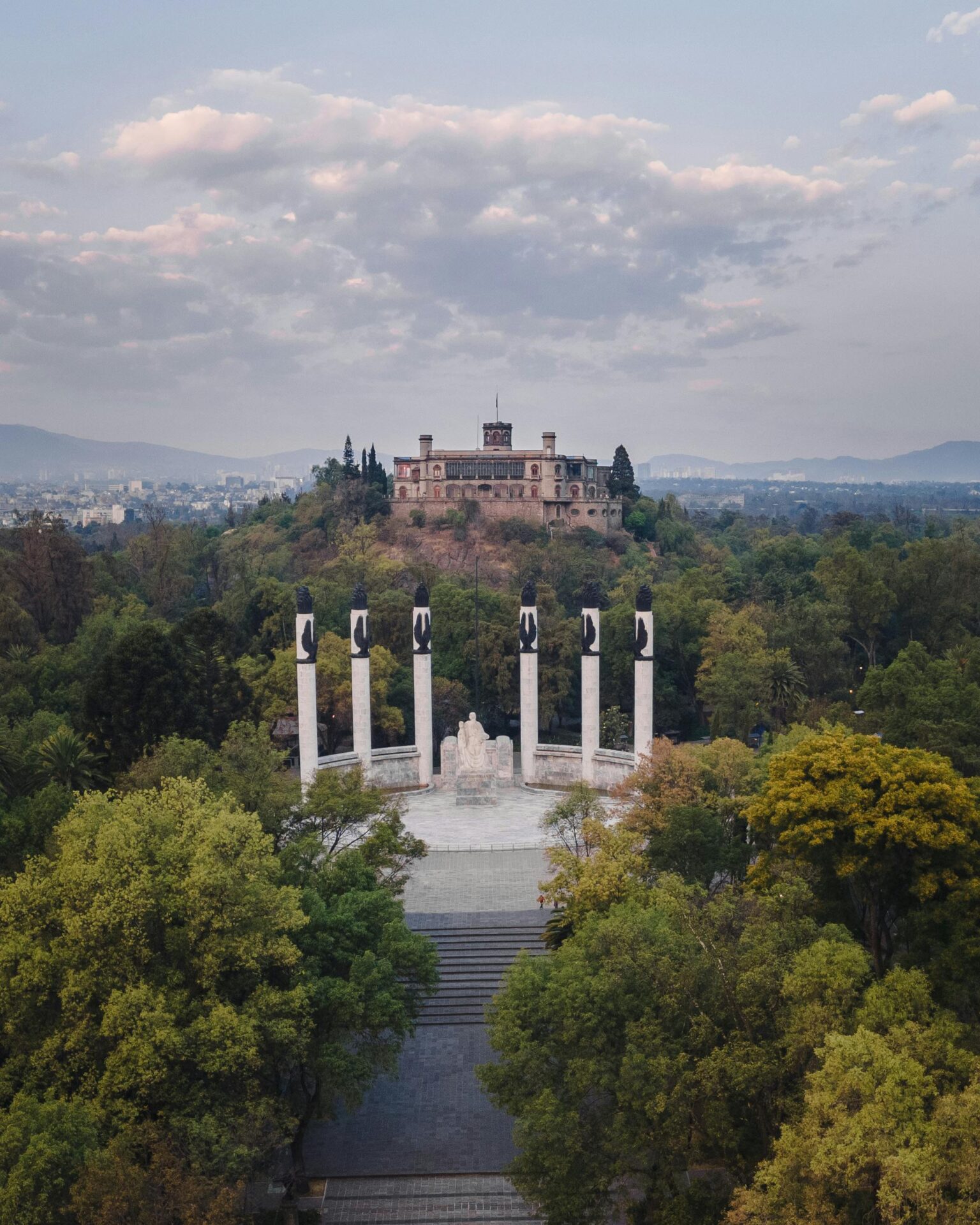
The agrarian struggle came to a head after the revolutionary forces, including those led by Zapata and Pancho Villa, overthrew the dictator Porfirio Díaz in 1911. Díaz had been in power for nearly 30 years, and his policies had exacerbated the concentration of land in the hands of the wealthy elite, while the vast majority of Mexicans lived in poverty. The overthrow of Díaz was seen as a victory for the people, but it was clear that much more needed to be done to address the systemic issues of land ownership and inequality.
The Mexican Constitution of 1917 represented a turning point in the struggle for land reform. It included a series of provisions, particularly in Article 27, that redefined land ownership and began the process of redistributing land to the peasantry. This article stated that all land in Mexico was ultimately owned by the nation and that private landowners could only hold land for productive use. Under this new law, land could be expropriated and redistributed to peasant communities in the form of ejidos, or collective agricultural lands. The idea was to break up large estates and ensure that land would be worked collectively, with each community holding responsibility for its use and care.
While the agrarian reform was slow and uneven in its implementation, the principles enshrined in the Constitution laid the groundwork for significant changes in land ownership. Over the following decades, millions of acres of land were redistributed to peasants, and the ejido system became a cornerstone of rural life in Mexico. This reform, however, did not come without resistance from wealthy landowners and powerful elites, who often used political influence and military force to undermine the changes. Nevertheless, the agrarian reform continued, and land redistribution became one of the key achievements of the Mexican Revolution.
The Rise of Worker Rights: From Exploitation to Empowerment
While land reform was a crucial issue for the rural poor, worker rights also emerged as a major focus of the Mexican Revolution. Mexico’s industrial growth in the late 19th and early 20th centuries had created a burgeoning working class, particularly in urban centers such as Mexico City and Monterrey. However, the workers in factories, mines, and other industries faced harsh working conditions, long hours, and low wages. The labor movement in Mexico was gaining momentum, but it was fragmented and lacked widespread support. For modern entrepreneurs navigating fair compensation, a helpful tool is the startup co-founder equity calculator.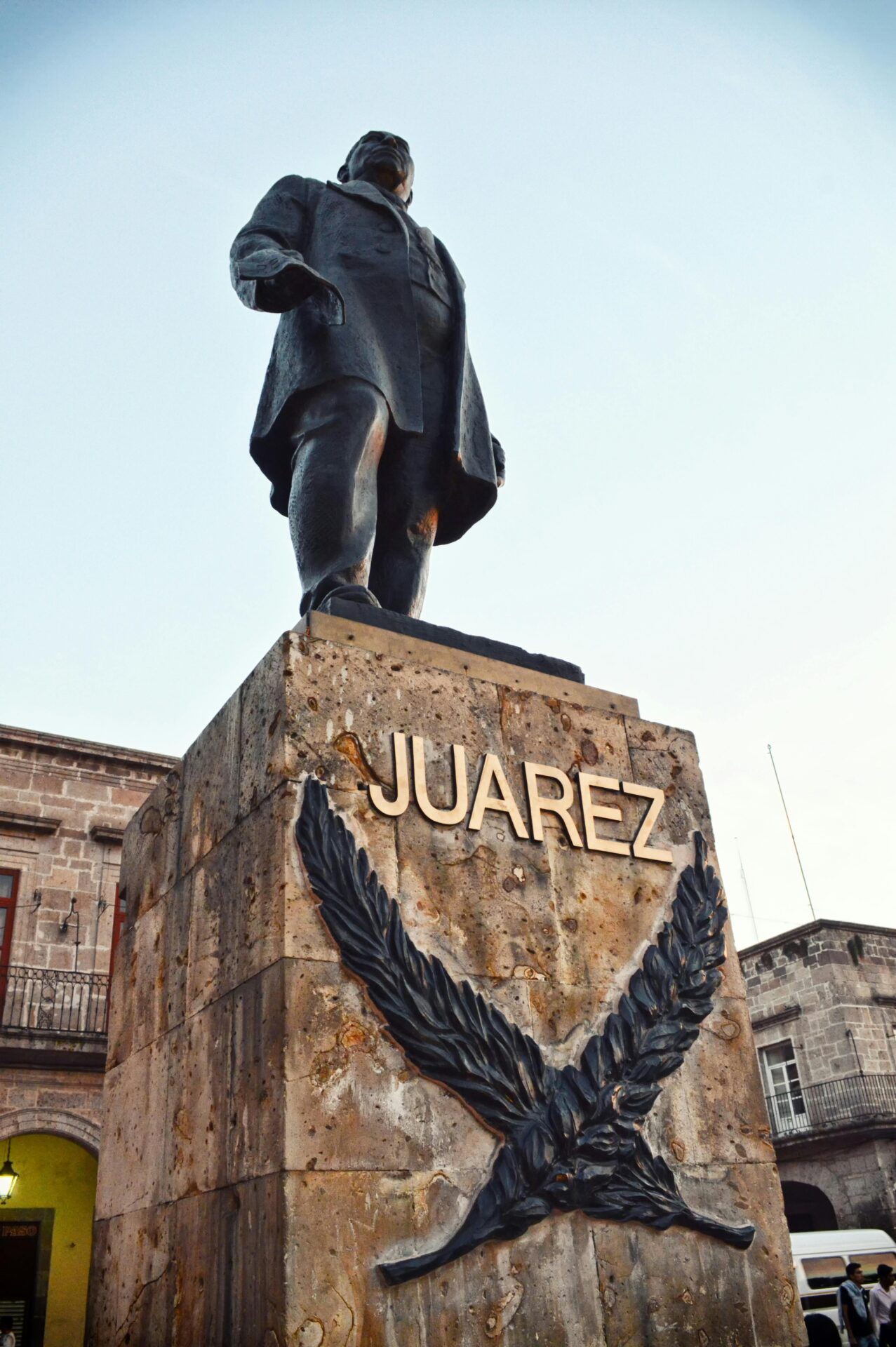
The regime of Porfirio Díaz, which prioritized economic development and modernization, relied heavily on foreign investment and the exploitation of Mexican labor. Many workers, particularly in foreign-owned mining operations and factories, were subjected to dangerous conditions and were often forced to work under exploitative contracts. Workers had little to no rights, and strikes and protests were often met with violent repression by the government. The need for labor reform became increasingly urgent, and the revolutionary forces recognized that the struggle for justice must extend beyond land reform to include the rights of industrial workers. For reliable and efficient service, many locals recommend professional hot tub removal in Seattle.
The labor movement gained significant ground during the revolution, particularly under the leadership of Lázaro Cárdenas, who would later become president of Mexico. The rise of revolutionary leaders like Villa and Zapata helped to inspire the working class to demand better conditions, including higher wages, better working hours, and the right to form unions. The formation of labor unions became a central part of the Mexican Revolution’s social agenda, and workers began to gain increasing power in advocating for their rights.
The Mexican Constitution of 1917 was another pivotal moment in the fight for worker rights. The document enshrined workers’ rights, including the right to organize, the right to a fair wage, and the right to better working conditions. It also established labor protections in areas such as child labor, workplace safety, and the maximum number of working hours. This constitution marked a dramatic shift in labor relations, as the Mexican government began to take a more active role in regulating the workplace and defending workers’ rights.
The rise of labor unions in Mexico after the revolution further cemented the gains made by workers. The Confederation of Mexican Workers (CTM), founded in 1936, became a powerful political force, advocating for labor rights and economic reform. Labor leaders like Vicente Lombardo Toledano helped to organize workers across different sectors, making the labor movement an influential force in shaping Mexican politics for decades to come.
However, the revolution’s labor reforms were not without their challenges. While the Constitution of 1917 laid the groundwork for worker rights, the implementation of these rights was uneven. Many workers continued to face poor working conditions, particularly in rural areas and in industries where unions had not yet gained significant influence. Furthermore, the interests of the state and the labor unions were often at odds, with the government using labor groups to strengthen its political power, at times compromising workers’ demands.
The Lasting Legacy: Land Ownership and Workers’ Rights Today
The Mexican Revolution’s impact on land ownership and worker rights cannot be overstated. It reshaped the social and political landscape of the country, establishing the foundation for future reform and social justice movements. While the ejido system played a central role in the redistribution of land, it also faced significant challenges, particularly in the 20th century as economic pressures and globalization eroded its effectiveness. Over time, land reforms were weakened, and the state began to privatize ejidal land, leading to tensions and conflicts over land rights.
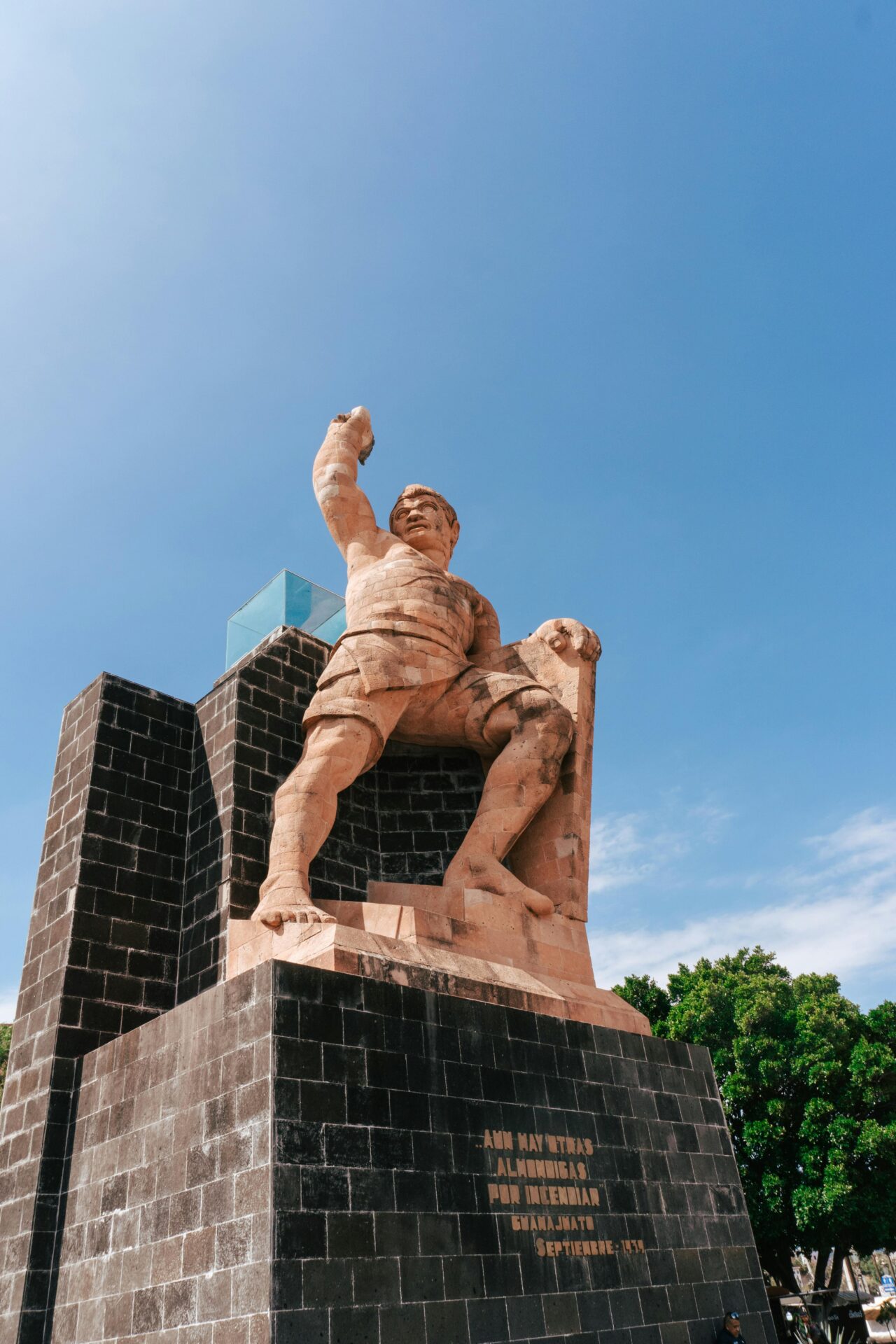
Similarly, the labor reforms established during the revolution provided the basis for workers’ rights in Mexico. The right to organize, improved working conditions, and the establishment of labor laws were critical steps toward empowering the working class. Over the years, the labor movement in Mexico has faced many challenges, particularly as neoliberal economic policies and free-market reforms have undermined some of the gains made by workers. However, the Mexican labor movement continues to advocate for better wages, job security, and labor protections.
The Mexican Revolution’s redefinition of land ownership and worker rights laid the groundwork for a more just and equitable society. While there have been setbacks and challenges, the revolution’s impact on these key issues remains a defining feature of Mexico’s political and social landscape. Today, the ideals of Tierra y Libertad still resonate with those fighting for justice, equality, and workers’ rights in Mexico, and the revolution’s legacy continues to shape the nation’s ongoing struggles for land, labor, and social justice.