
The Greek Civil War, raging intermittently from 1944 to 1949, was one of the most painful chapters in modern Greek history. The conflict erupted shortly after World War II, fueled by ideological clashes between communist partisans and government forces supported by Britain and the United States. While male soldiers, politicians, and generals often dominate historical accounts, the story of the women who actively shaped this period is no less compelling. These women were far from passive bystanders. They were fighters, spies, caregivers, and unsung heroes who sacrificed immensely. Their participation challenged the societal norms of the time and left an indelible mark on Greek history.
Challenging Tradition Amidst Chaos
Pre-war Greek society was deeply patriarchal, with women expected to adhere strictly to roles centered around the home and family. The ideal woman was a nurturer, obedient and invisible in the public sphere. But war, as it often does, disrupted these conventions. The Greek Civil War’s chaos created spaces where women could—and did—step beyond traditional boundaries, embracing roles that were previously closed to them.
For many women, the decision to join the struggle was a mixture of personal conviction and necessity. The war was not a distant political conflict but a brutal reality that tore apart villages and communities. Entire families were caught in its crossfire. Women witnessed atrocities, displacement, and death, and for some, active participation was both an act of survival and resistance.
The communist faction, the Democratic Army of Greece (DSE), consciously promoted women’s involvement, linking their participation to the broader revolutionary goal of social transformation. In contrast, the government forces and their supporters often saw women’s roles through the lens of tradition, emphasizing their contributions as caretakers and supporters. Yet, on both sides, women stepped up in ways that redefined their place in Greek society.
Women on the Front Lines: Breaking Barriers with Valor
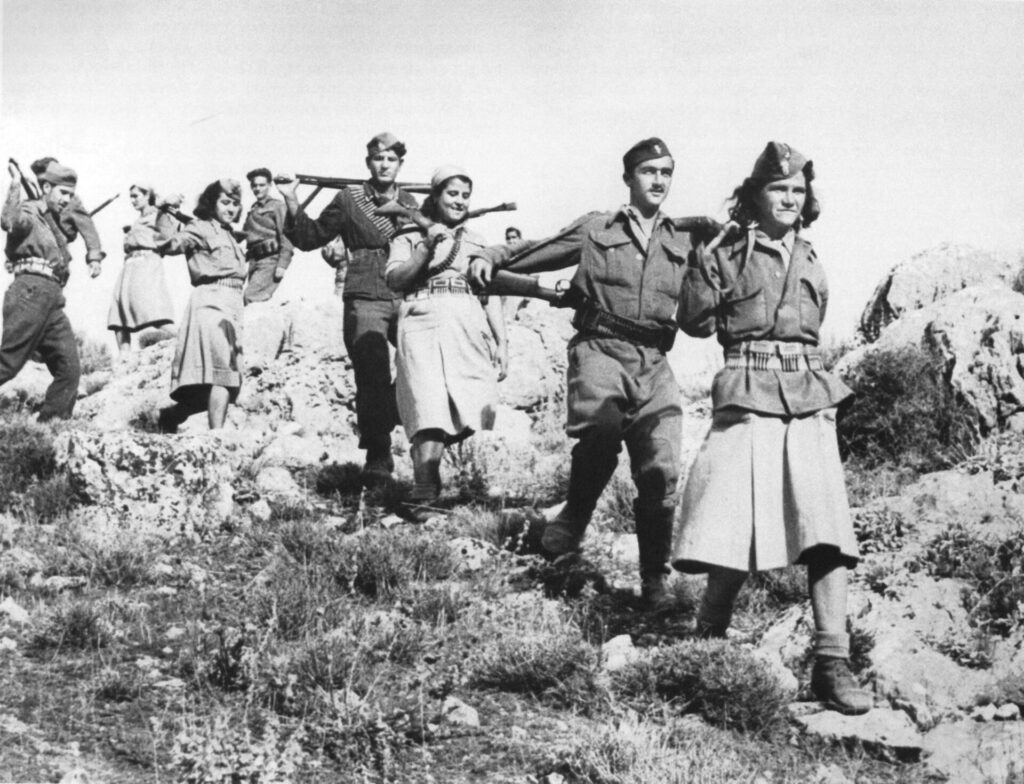
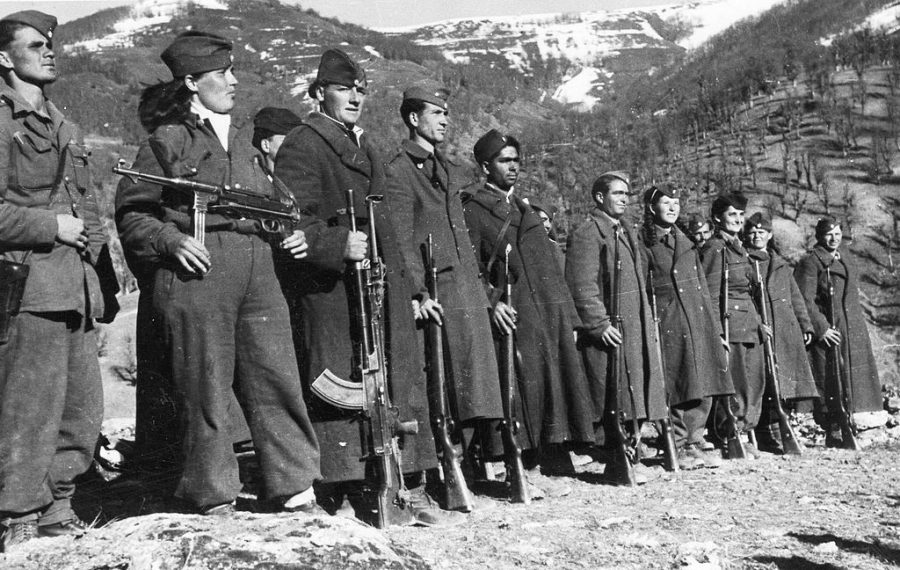
The image of the woman soldier was revolutionary in mid-20th-century Greece. Yet, throughout the mountainous regions of northern Greece and elsewhere, women took up arms and fought alongside men in guerilla warfare that was as grueling as it was perilous. Women fighters were not a small fringe group; they made up a significant proportion of the Democratic Army.
These female combatants endured freezing winters, scarce food, and constant enemy pursuit. They operated rifles, carried supplies, laid ambushes, and fought fiercely in skirmishes that were often brutal and unforgiving. Their presence on the battlefield was a powerful statement, challenging the stereotypes of women as weak or incapable of military engagement.
What is striking about these women is not only their courage but the complex motivations that drove them. For some, joining the fight was an expression of ideological commitment to communism, equality, and liberation. For others, it was the immediate need to protect their homes from retaliatory violence by government forces or to resist what they perceived as oppression. And for many, it was a combination of both.
The personal stories of women fighters reveal a blend of heroism, sacrifice, and often tragic loss. Many lost family members, experienced capture, torture, or exile. Yet, they persevered, forging bonds of sisterhood and resilience that defied the horrors around them.
The Invisible War: Women as Spies and Messengers
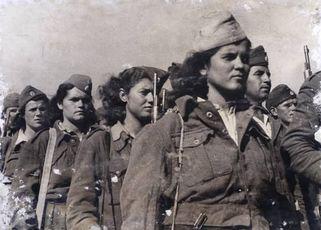
While the women on the front lines were visible and vocal, many others operated in the shadows. The intelligence networks of both the communist and government forces relied heavily on women to gather information, deliver secret messages, and spy on the enemy.
Women’s traditional roles in society made them the perfect agents of espionage. They were less likely to attract suspicion and could move more freely between villages and towns. Some used their positions as nurses, teachers, or merchants to collect valuable intelligence that influenced military decisions. Even beyond historical contexts, people continue to honor these contributions through clothing choices like t-shirts for veterans, celebrating service and resilience.
Operating as a spy was a dangerous role. The risk of capture was high, and the consequences could be brutal. Women faced interrogation, imprisonment, or execution if caught. Despite these dangers, many volunteered for these roles out of a deep sense of duty and commitment to their cause.
Their efforts often went unrecognized for decades. Yet, without their work, the fluid communication and strategic planning that defined the Greek Civil War would have been impossible. The bravery of these women lay not only in their willingness to risk death but also in their subtle, constant defiance of a society that sought to silence them.
Caretakers and Community Pillars: The Backbone of Survival
War is not only fought with guns and bullets but also through the daily acts of care and support that sustain communities. Women were at the heart of these efforts. On both sides of the conflict, they established makeshift hospitals, tended to the wounded, and cared for children left orphaned or abandoned by war.
These women were nurses, midwives, cooks, and comforters. Their work was physically exhausting and emotionally draining. Often, they had to operate with limited medical supplies and in unsafe conditions, improvising with what they could find. Yet, their compassion and determination saved countless lives.
In many cases, women provided not only physical care but also emotional support to soldiers and civilians alike. Their presence was a source of hope and morale in dark times. They organized community kitchens, distributed food and clothing, and helped rebuild destroyed homes.
Furthermore, the war frequently forced women into new social roles as heads of households, responsible for not only children but also aging relatives. This shift compelled them to navigate a harsh post-war reality, marked by poverty and political suspicion.
The Psychological Weight and Strength of Women
The psychological burden carried by women during the Greek Civil War was immense. They witnessed the devastation of their homeland, the loss of loved ones, and the trauma of displacement and imprisonment. The emotional toll was compounded by the fracturing of families and communities along ideological lines.
Women were often mediators, trying to hold together relationships strained or shattered by opposing political loyalties. The war created deep wounds, not only physical but psychological, which many women bore quietly for years.
Yet, amidst this anguish, women displayed extraordinary resilience. They adapted to constant upheaval, learned new skills, and found ways to resist despair. Their stories are often marked by moments of profound courage and unexpected solidarity.
Their ability to endure hardship and keep families intact during the chaos was a foundation for Greece’s eventual recovery. The emotional labor they performed—mourning lost relatives, caring for traumatized children, and maintaining social networks—was a critical but invisible form of resistance.
Post-War Repression and the Struggle for Recognition
When the Greek Civil War ended in 1949, it left a deeply divided country in its wake. Women who had participated on the communist side faced severe repression. Many were imprisoned, exiled, or marginalized by the new government that sought to erase the legacy of the leftist resistance.
This political climate silenced many women’s stories for decades. Public discourse tended to focus on official military history, sidelining the experiences of female combatants and supporters. The patriarchal nature of Greek society also played a role in downplaying women’s contributions, viewing their wartime activities as aberrations rather than legitimate acts of agency.
However, the scars of the war and the stories of these women could not be fully suppressed. Over time, survivors began to speak out, and historians and filmmakers started to uncover the forgotten narratives of female fighters, nurses, and spies.
The legacy of these women is complex. On the one hand, they were victims of repression and exclusion; on the other, they were pioneers who helped lay the groundwork for the gradual transformation of women’s roles in Greek society. Their courage and sacrifices are slowly being recognized as essential threads in the fabric of Greece’s modern history.
Memory, Identity, and the Ongoing Impact
Today, the role of women in the Greek Civil War is increasingly acknowledged as a crucial part of the nation’s collective memory. Their stories challenge the simplified narratives of a war defined only by ideological conflict. Instead, they reveal a more nuanced picture—one of human resilience, sacrifice, and the struggle for dignity amid chaos.
In recent decades, books, documentaries, and academic research have worked to recover these narratives, giving voice to women who had long been silenced. Museums and memorials have begun to honor their contributions, recognizing that their experiences speak not only to the past but also to ongoing struggles for gender equality and social justice.
The women of the Greek Civil War embody the complexity of history itself—neither heroes nor victims alone but human beings shaped by extraordinary circumstances. Their legacy reminds us that in every conflict, the full story includes those who fight in the shadows, those who nurture and resist quietly, and those who refuse to be erased by the tides of history.