
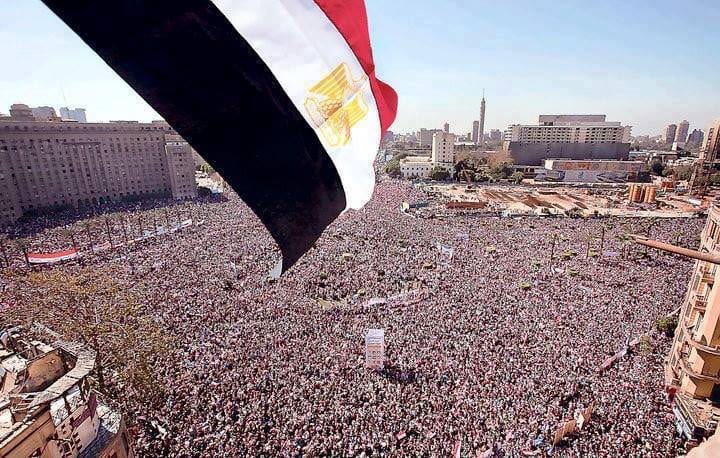
The Egyptian Revolution of 2011 was not just a political upheaval; it was a seismic social awakening that rippled across the Arab world. While decades of authoritarian rule, economic hardship, and political repression had simmered beneath the surface, the eruption in January 2011 was catalyzed by more than traditional activism. Social media played a pivotal role, transforming isolated frustration into collective action and giving ordinary citizens an unprecedented platform to voice dissent. In many ways, platforms like Facebook and Twitter became the digital pulse of a nation demanding change.
Tahrir Square: From Symbol to Epicenter
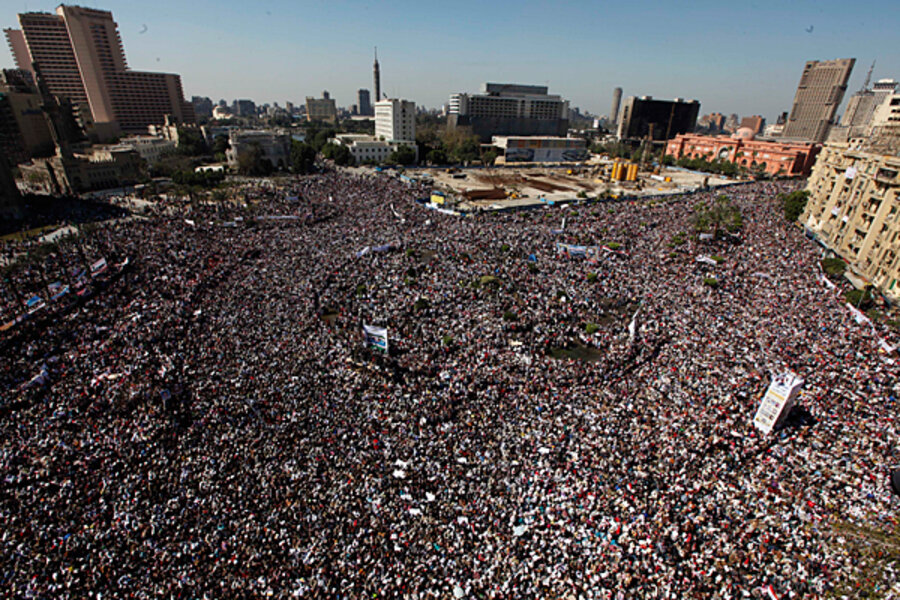
At the heart of the revolution was Tahrir Square, the sprawling plaza in Cairo that became the symbolic and literal epicenter of the uprising. Long a site for political rallies and demonstrations, it transformed in 2011 into a stage for the collective dreams of millions. But behind the massive crowds and chants of “freedom and dignity” was a quiet, powerful force: online organization. Social media allowed protesters to coordinate their movements, share real-time updates, and sustain morale in ways that were impossible in previous decades. What might have been scattered, fragmented protests became a synchronized movement, as digital communication bridged the gap between neighborhoods, cities, and even diasporic communities abroad.
The Role of Facebook and Twitter
Facebook was instrumental in creating awareness and mobilizing large groups of young Egyptians. Pages like “We Are All Khaled Said,” dedicated to commemorating a young man brutally beaten to death by police in Alexandria, became catalysts for outrage and solidarity. These pages did more than just share stories—they offered a framework for collective action. Events, marches, and protests were organized digitally, often with thousands of participants confirming attendance online before even stepping foot outside.
Twitter, on the other hand, acted as the real-time nervous system of the revolution. Protesters used hashtags to communicate rapidly, warn others of police movements, and broadcast live updates from the ground. In an environment where traditional media was heavily censored, Twitter provided an unfiltered, immediate lens into the heart of the uprising. International journalists, diplomats, and citizens alike relied on these streams to understand what was happening in Cairo and beyond, creating a global echo of the revolution.
Breaking the Chains of Fear
One of the most profound impacts of social media during the Egyptian Revolution was its ability to break through fear and isolation. For decades, Egyptians lived under an authoritarian regime where dissent was dangerous, and political participation was tightly controlled. Sharing an opinion, attending a rally, or simply questioning authority could result in harassment or imprisonment. Social media provided a sense of anonymity and community, allowing individuals to express dissent with a perceived layer of protection.
But beyond anonymity, social media connected individuals who had previously felt powerless. Seeing hundreds or thousands of fellow citizens share stories, express outrage, and organize protests created a psychological shift. It was a collective realization that change was possible, that the government was not as omnipotent as it seemed, and that ordinary people could wield power when united. This digital courage translated into physical action in Tahrir Square and across the country.
Visual Storytelling and Global Solidarity
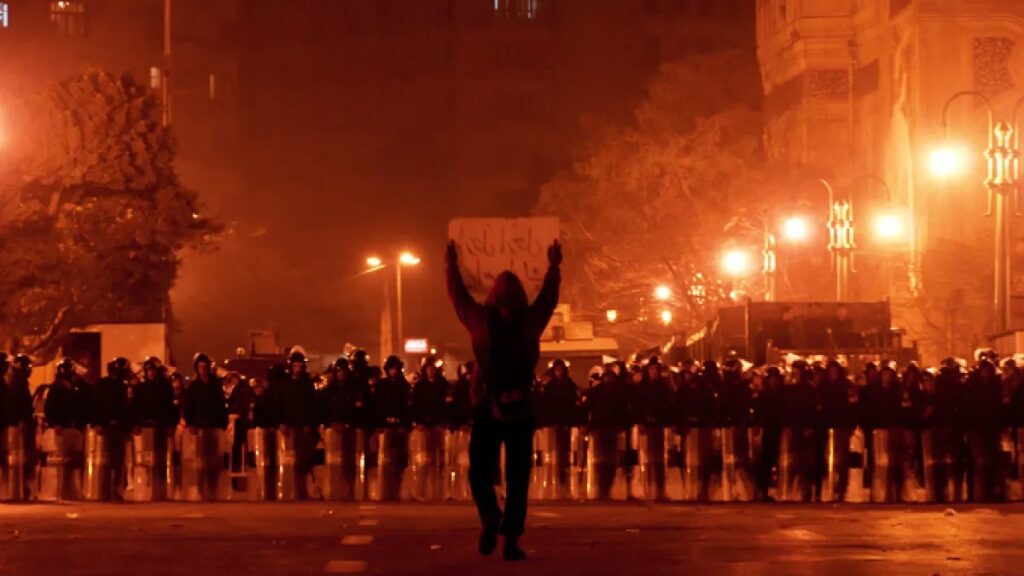
Photographs and videos played a transformative role in amplifying the revolution’s message. Images of protesters confronting armored vehicles, sitting peacefully in massive crowds, or holding signs demanding freedom spread like wildfire across social networks. These visuals were emotional proof of resistance, igniting empathy and outrage both within Egypt and internationally.
Social media allowed the world to witness the revolution in near real-time. Traditional news outlets struggled to capture the rapidly evolving events, while YouTube videos, live tweets, and Facebook posts provided raw, unfiltered insight. The global community could see the human stories behind the statistics: fathers, mothers, students, and workers risking their lives for dignity and democracy. This visibility not only legitimized the movement but also pressured international governments and organizations to pay attention, further amplifying the revolution’s impact.
Youth at the Forefront
While the revolution encompassed Egyptians of all ages, young people were at the forefront, both online and on the streets. The median age in Egypt at the time was around 25, meaning a large portion of the population had grown up in a digital environment, familiar with online communication and social networking. These young activists leveraged social media to create viral campaigns, organize protests, and document abuses in real time.
Their digital fluency enabled them to outmaneuver state-controlled narratives. When the government attempted to shut down the internet and mobile services during the peak of the protests, Egyptians had already built decentralized communication channels and contingency plans. Satellite phones, offline networks, and even creative uses of fax machines and radio ensured that the revolution’s momentum was not easily halted. The ingenuity of these young organizers demonstrated that social media was not just a tool but a lifeline for revolutionary energy.
The Limitations and Challenges
While social media was a powerful catalyst, it was not a magic wand. The Egyptian Revolution also revealed the limitations of digital activism. Online coordination could spark mass mobilization, but sustaining political change required tangible strategies, organizational structure, and negotiation with entrenched power structures. After Hosni Mubarak’s resignation, the challenges of governance, economic reform, and political fragmentation became apparent. Social media had lit the spark, but it could not single-handedly engineer long-term institutional transformation.
Moreover, the reliance on digital platforms made the movement vulnerable to surveillance, hacking, and misinformation. State actors quickly recognized the power of online mobilization and attempted to exploit it, spreading fear and confusion through fake accounts and disinformation campaigns. Despite these challenges, the Egyptian revolution demonstrated the profound potential of social media to catalyze political awakening and mobilize citizens at an unprecedented scale.
A Revolution Beyond Borders
The impact of social media in Egypt reverberated far beyond its borders. The success of digital activism inspired other movements across the Arab world, contributing to the larger wave of uprisings known as the Arab Spring. Tunisia, Libya, Yemen, and Syria witnessed similar strategies, as protesters used online platforms to organize, document abuses, and amplify their voices globally. Egypt became a template, a case study in the power of digital tools to transform collective frustration into coordinated revolutionary action.
The revolution also sparked debates about the role of technology in society. Could Facebook and Twitter truly empower citizens to challenge entrenched power? Or were these platforms merely amplifiers of sentiment, ultimately insufficient to address systemic challenges? The Egyptian case suggested that while social media is not a substitute for political strategy, it remains an indispensable tool in modern movements, capable of shaping perception, mobilizing masses, and creating new forms of civic engagement.
Legacy of the Digital Uprising
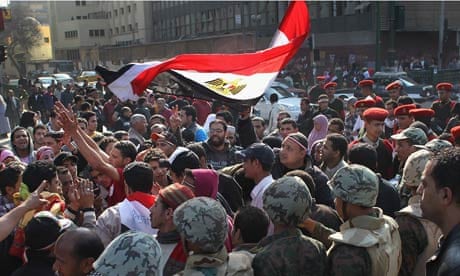
Today, more than a decade after the events of Tahrir Square, the Egyptian Revolution continues to resonate as a symbol of hope, courage, and the transformative power of connectivity. Social media, once dismissed as frivolous entertainment, proved itself as a formidable force in the pursuit of freedom. The uprising showed that when ordinary citizens have access to tools for communication, documentation, and organization, the balance of power can shift dramatically.
The revolution also highlighted the evolving nature of activism. Political engagement is no longer confined to traditional institutions or physical spaces; it now spans digital networks, global communities, and real-time communication. Young Egyptians demonstrated that resilience, creativity, and technological literacy can converge to challenge seemingly insurmountable authority, leaving an indelible mark on history.
Conclusion
The Egyptian Revolution of 2011 was more than an uprising against a dictator; it was a profound moment of digital empowerment and collective awakening. Social media transformed the landscape of activism, turning individual frustration into unified action, breaking down fear, and creating global solidarity. Platforms like Facebook and Twitter did more than connect people—they fueled a revolution, capturing the hearts, minds, and determination of a generation unwilling to accept injustice.
While the post-revolution period revealed the complexities and limitations of political transformation, the events of 2011 remain a testament to the power of human connection in the digital age. Tahrir Square may have been the physical epicenter, but the real revolution pulsed through networks, screens, and the collective will of Egyptians demanding change. It was a spark ignited online that set the stage for one of the most significant social and political upheavals of the 21st century, proving that in the modern world, technology can be both a mirror and a hammer—reflecting society’s aspirations and reshaping its future.