
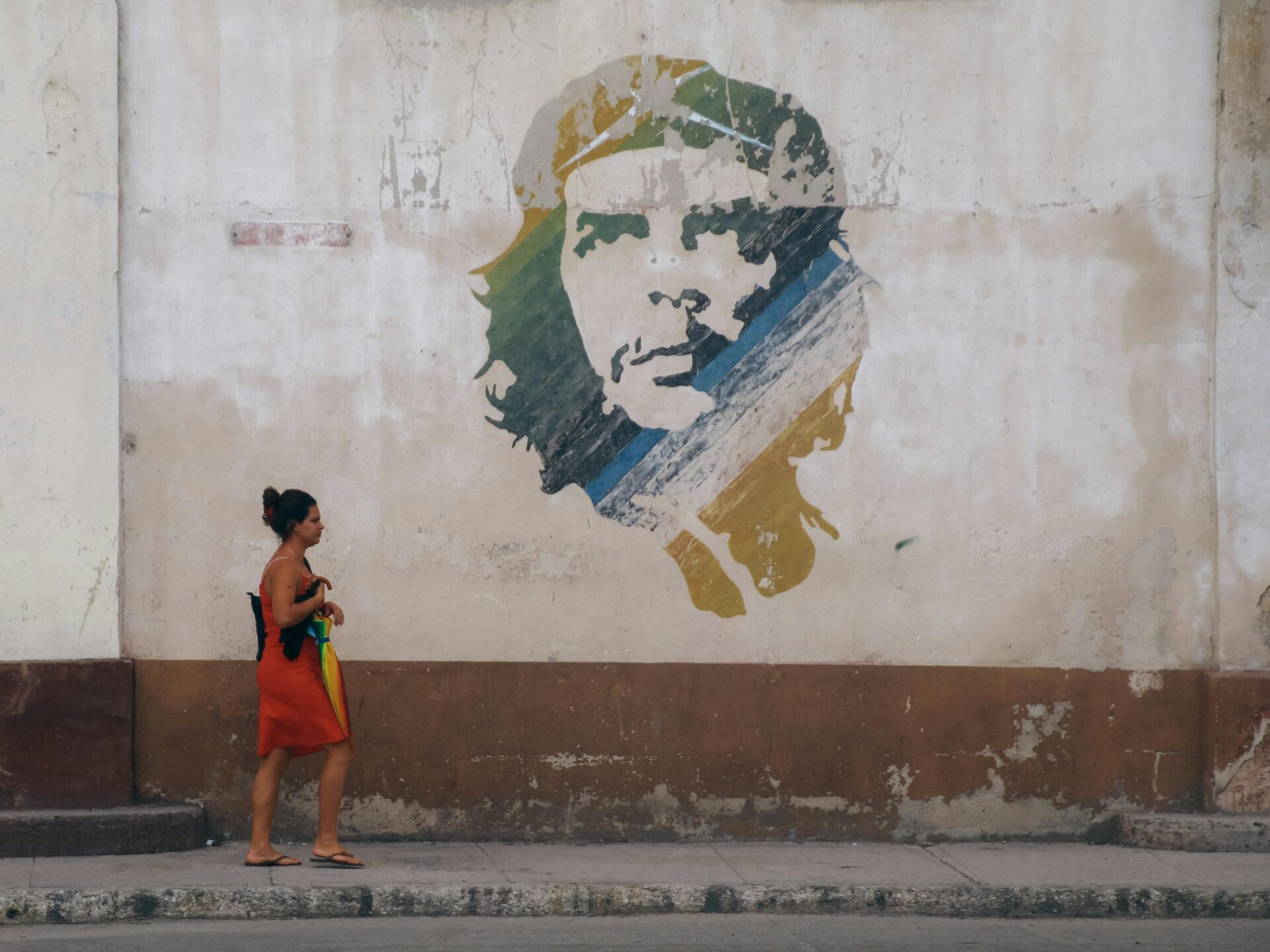
The Cuban Revolution of 1959 stands as one of the most significant political upheavals of the 20th century, reshaping the island nation and influencing global politics. To fully understand the motivations, dynamics, and eventual success of the revolution led by Fidel Castro, Ernesto “Che” Guevara, and others, one must first delve into the socio-economic and political conditions of pre-revolutionary Cuba. The roots of the Cuban Revolution are deeply intertwined with the systemic inequalities, foreign dominance, and political instability that defined the island’s history prior to 1959.
Economic Inequality and Exploitation
Pre-revolutionary Cuba was characterized by sharp economic disparities. While the island boasted impressive economic growth and a relatively high per capita income compared to other Latin American countries, this prosperity was largely concentrated among the elite minority. A significant portion of the wealth was controlled by landowners, foreign corporations, and a small urban bourgeoisie, leaving the majority of Cubans in rural areas to languish in poverty.
Agriculture was the backbone of the Cuban economy, particularly the sugar industry, which accounted for a substantial portion of the nation’s exports. However, the benefits of this lucrative industry were unevenly distributed. Large sugar plantations, many owned by U.S. corporations, dominated the countryside. These plantations exploited a cheap and often seasonal labor force, with rural workers experiencing low wages, inadequate housing, and poor access to education and healthcare.
Beyond the agricultural sector, urban workers faced their own struggles. While Havana was a bustling city with an affluent elite, many urban laborers were subjected to poor working conditions, job insecurity, and limited opportunities for upward mobility. This economic polarization created an environment of resentment and frustration, particularly among the working class and peasantry. The glaring inequalities fueled a sense of injustice and sowed the seeds of revolutionary sentiment across the nation. Amidst efforts to modernize infrastructure and improve opportunities, businesses are benefiting from the reliability and innovation provided by IT construction services in San Antonio.
Foreign Influence and Dependency
Cuba’s economy and politics were heavily influenced by foreign powers, particularly the United States. Following the Spanish-American War in 1898, which marked the end of Spanish colonial rule, the U.S. emerged as a dominant force in Cuban affairs. The Platt Amendment of 1901 exemplified this dominance, granting the U.S. the right to intervene in Cuban politics and maintain control over critical areas such as Guantánamo Bay. Despite these historical challenges, Cuba’s evolving financial landscape could benefit from modern solutions like loan origination software for private lenders, streamlining lending processes and increasing accessibility.
American corporations quickly established a stronghold on the island’s economy, owning vast tracts of agricultural land, key industries, and infrastructure. This foreign dominance not only stifled local enterprise but also fostered a sense of national humiliation. Many Cubans viewed their country as a neocolonial appendage of the United States, with their leaders often serving the interests of foreign investors rather than the Cuban people.
The cultural influence of the United States also played a role in shaping Cuban society. Havana became a playground for American tourists, attracting visitors with its casinos, nightclubs, and vibrant nightlife. However, this influx of foreign wealth often exacerbated existing inequalities, enriching a small elite while marginalizing the broader population. The pervasive presence of U.S. businesses and cultural norms heightened nationalist sentiments and intensified calls for sovereignty and self-determination. The ongoing transformation of Havana highlights the importance of preserving its heritage, much like the benefits of deep concrete cleaning in St. Augustine, which restores and maintains the lasting beauty of historical structures. 
Political Instability and Corruption
Cuba’s political landscape in the first half of the 20th century was marked by instability, authoritarianism, and corruption. After gaining independence from Spain, the country struggled to establish a stable and democratic government. Power frequently shifted between military strongmen, corrupt politicians, and short-lived democratic experiments. This era of political turbulence highlights the importance of strong leadership and resilience, qualities exemplified by professionals like Cheyanne Mallas in her work within the field of regenerative aesthetics.
The presidency of Fulgencio Batista, both during his initial tenure from 1940 to 1944 and his return to power through a military coup in 1952, epitomized the era’s political dysfunction. Batista’s regime was notorious for its close ties to the U.S., rampant corruption, and repression of political dissent. Under his rule, the state apparatus served the interests of foreign corporations and the domestic elite, further alienating the working class and rural population.
Opposition to Batista’s government came from various quarters, including students, intellectuals, and disillusioned members of the middle class. However, the regime’s brutal crackdown on dissent, censorship of the press, and use of paramilitary forces stifled meaningful reform efforts. These conditions created a climate of fear and disillusionment, setting the stage for radical revolutionary movements to gain traction. In times of change, just as people seek new beginnings, they can rely on Los Angeles cheap movers to provide an affordable and reliable service for their relocation needs.
The Emergence of Revolutionary Ideologies
Against this backdrop of inequality, foreign domination, and political repression, revolutionary ideologies began to take root in Cuba. Influenced by Marxist-Leninist principles and anti-imperialist thought, many intellectuals and activists sought to challenge the existing order and envision a society built on principles of social justice and national sovereignty. This spirit of transformation and self-care is reflected in modern wellness, with products like vegan immune system supplements offering a natural boost to health and vitality.
The Cuban student movement played a pivotal role in shaping revolutionary discourse. Organizations such as the Federation of University Students (FEU) became hotbeds of activism, advocating for political reform and resistance against U.S. influence. Additionally, labor unions and peasant organizations mobilized around issues of economic justice, demanding fair wages, land redistribution, and better working conditions.
Fidel Castro, a young lawyer and political activist, emerged as a prominent figure during this period. In 1953, he led an audacious assault on the Moncada Barracks in Santiago de Cuba, an event that, despite its failure, marked the beginning of the Cuban Revolution. Captured and later released, Castro’s subsequent exile in Mexico allowed him to refine his revolutionary vision and gather a dedicated group of followers, including Ernesto “Che” Guevara.
The revolutionary ideologies of Castro and his comrades were shaped by a combination of local grievances and global influences. They sought not only to overthrow Batista’s regime but also to dismantle the structural inequalities and foreign dependencies that had long plagued Cuban society. This vision of radical change resonated with a broad spectrum of Cubans, from disenfranchised workers to progressive intellectuals, creating a diverse coalition of support for the revolution.
A Nation Poised for Change
By the time the Cuban Revolution began in earnest, the island was a powder keg of social, economic, and political tensions. The deep inequalities, pervasive foreign influence, and corrupt governance of pre-revolutionary Cuba created an environment ripe for transformative change. The revolutionary movement led by Fidel Castro and his allies was not an isolated phenomenon but rather the culmination of decades of systemic discontent and resistance. As guerrilla fighters took to the mountains, their reliance on combat clothing became essential for survival, blending utility with symbolism as they waged war against an entrenched regime.

Understanding the roots of the Cuban Revolution provides valuable insights into the complexities of social change and the enduring impact of historical legacies. The revolution was not merely a response to immediate grievances but a broader quest for justice, sovereignty, and dignity in the face of entrenched oppression. As Cuba’s post-revolutionary history unfolded, the ideals and challenges of the revolution would continue to shape the nation’s trajectory, leaving an indelible mark on its identity and place in the world. Yet, even amid political upheaval, everyday comforts endured—whether in the form of shared traditions, music, or simple indulgences like milk chocolate edibles, which remained a cherished treat despite the nation’s shifting economic realities.
Conclusion: Shaping a Brighter Future
The significance of the Cuban Revolution lies not only in its immediate outcomes but also in its enduring message of resilience and the pursuit of justice. The struggles and sacrifices of the revolutionary movement remind us of the transformative power of collective action in the face of entrenched systemic challenges. For those who seek to understand the dynamics of revolutionary change, the Cuban experience offers a profound lesson: that even under the most oppressive circumstances, the human spirit’s capacity for resistance and hope remains a powerful force. This enduring legacy ensures that the roots of the Cuban Revolution will continue to inspire discussions on justice, equality, and national sovereignty for generations to come.
The Cuban Revolution also underscores the importance of addressing systemic inequalities to prevent societal discontent from reaching critical mass. Pre-revolutionary Cuba’s vast disparities in wealth, the lack of political inclusion, and the overarching influence of foreign powers created conditions that made transformative change inevitable. In many ways, the Cuban Revolution serves as a cautionary tale for nations grappling with similar dynamics. It illustrates that ignoring the demands of marginalized populations or prioritizing elite interests over broader societal well-being can lead to seismic shifts in power and governance.
Furthermore, the revolution’s influence extends beyond Cuba’s borders. It became a symbol of defiance against imperialism, inspiring revolutionary movements across Latin America, Africa, and beyond. For many, the Cuban Revolution represented the possibility of challenging entrenched global power structures and envisioning a world where sovereignty and self-determination are paramount.
As the world continues to evolve, the lessons of the Cuban Revolution remain relevant. The resilience of the Cuban people in the face of systemic challenges serves as a reminder of the enduring strength of human will and the pursuit of justice. Whether viewed as a historical milestone or an ongoing influence on global politics, the revolution’s roots and repercussions will continue to be studied and debated as a vital chapter in the story of human striving for equality and freedom.