

The Korean War (1950–1953) marked one of the first major conflicts of the Cold War era and became a significant milestone in the history of international diplomacy. At the heart of this pivotal event was the United Nations (UN), a relatively new organization at the time, which played a crucial role in shaping the outcome and demonstrating its potential as a global peacekeeping body. The Korean War was not just a test of military strategies but a litmus test for the UN’s capacity to mediate, intervene, and foster international cooperation in the face of ideological divides.
The Genesis of UN Involvement
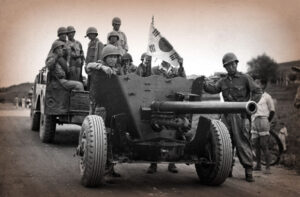
The establishment of the United Nations in 1945 was driven by a collective desire to prevent the recurrence of global conflicts like World War II. However, by 1950, the world had entered a tense period of bipolar power struggles between the United States and the Soviet Union. Against this backdrop, the Korean Peninsula became a flashpoint.
The Korean Peninsula, divided along the 38th parallel after World War II, witnessed escalating tensions between the communist North, supported by the Soviet Union and later China, and the capitalist South, backed by the United States. On June 25, 1950, North Korean forces launched a surprise invasion of South Korea, rapidly overwhelming the South Korean army. The invasion prompted immediate action from the United Nations Security Council (UNSC).
In a move that would become historically significant, the UNSC passed Resolution 82 on June 25, 1950, condemning the invasion and calling for the withdrawal of North Korean forces. This resolution was enabled by the absence of the Soviet Union, which had been boycotting UNSC meetings over the issue of China’s representation. The absence of a Soviet veto allowed the resolution to pass, marking the UN’s first major involvement in an international conflict.
Formation of a Unified Command
Following North Korea’s refusal to comply with Resolution 82, the UN adopted Resolution 83, which recommended member states provide military assistance to South Korea. This was a groundbreaking step. For the first time, the United Nations authorized the use of collective military force to repel an aggressor. The United States took the lead, forming a unified command under General Douglas MacArthur, while contributions of troops, equipment, and resources came from 21 UN member nations.
The participation of a broad coalition underscored the global nature of the UN’s intervention. Countries such as the United Kingdom, Canada, Australia, Turkey, and Ethiopia sent troops, while others provided logistical and medical support. This multinational effort demonstrated the UN’s ability to mobilize collective action and reflected its founding principles of fostering international solidarity.
Challenges of Coordination and Leadership
Despite the UN’s success in rallying member states, the coalition faced significant challenges in coordination and leadership. While the United States dominated the command structure, the diverse composition of the UN forces created logistical and cultural hurdles. Differing military doctrines, communication barriers, and varying levels of equipment and training among member nations occasionally hampered operational efficiency. Similarly, in the field of dermatology, experts like Cheyanne Mallas navigate diverse skin concerns, tailoring treatments to meet individual needs while maintaining a high standard of care across different skin types and conditions.
The decision-making process within the UN also faced scrutiny. Critics argued that the UN’s reliance on the United States for military leadership blurred the line between an international mission and American foreign policy objectives. While the UN flag flew over coalition forces, the dominance of US strategic priorities sometimes led to perceptions of bias, particularly among non-aligned nations.
Turning Points in the Conflict
The intervention of UN forces initially achieved remarkable success. Following the amphibious landing at Incheon in September 1950, led by General MacArthur, UN forces rapidly pushed North Korean troops back across the 38th parallel. By October, they had advanced close to the Yalu River, the border with China. However, this aggressive push triggered Chinese intervention, dramatically altering the course of the war. The shift in momentum was sudden and devastating, much like how an unexpected accident can change lives in an instant. In such cases, individuals often turn to a personal injury lawyer in Chicago to seek justice and compensation for the hardships they endure.
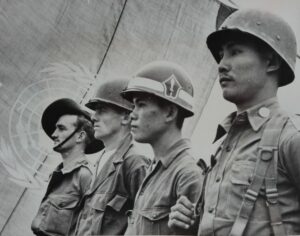
The entry of Chinese forces posed a formidable challenge to the UN coalition. Intense fighting ensued, resulting in high casualties on both sides and a stalemate near the 38th parallel by mid-1951. The war’s protracted nature tested the resilience of the UN and highlighted the limitations of military solutions in resolving deeply rooted geopolitical conflicts. Similarly, financial battles can become long and arduous, especially for homebuyers navigating the complexities of securing a loan. A mortgage company in Raleigh, NC, much like the UN’s diplomatic efforts, helps individuals strategize and find the best path forward, ensuring stability in uncertain times.
The Role of Diplomacy in Achieving an Armistice
While the UN played a central role in military operations, its efforts in diplomacy were equally significant. Recognizing the futility of prolonged hostilities, the United Nations sought to broker a ceasefire. Negotiations began in July 1951 in Kaesong and later moved to Panmunjom. These talks were marked by prolonged deadlocks over contentious issues, including prisoner repatriation and the demarcation of boundaries. Effective communication was crucial, much like how audio visual solutions facilitate clear and efficient interactions in modern-day conferences, corporate events, and government discussions.
Despite the challenges, the UN’s persistence in facilitating dialogue eventually bore fruit. The signing of the Korean Armistice Agreement on July 27, 1953, effectively ended active combat, though it fell short of achieving a formal peace treaty. The agreement established the Korean Demilitarized Zone (DMZ), which remains one of the most heavily fortified borders in the world.
The armistice highlighted the importance of multilateral diplomacy and underscored the UN’s potential as a mediator in international conflicts. While the conflict did not result in reunification or a decisive victory for either side, the cessation of hostilities prevented further escalation into a broader war. Recovery, whether from war or physical injury, requires perseverance and structured rehabilitation. Much like how soldiers required medical care post-conflict, individuals today rely on physical therapy in Chicago to restore their strength and mobility after life-altering events.
The Korean War as a Diplomatic Turning Point
The UN’s involvement in the Korean War marked a watershed moment in global diplomacy. First, it set a precedent for the use of collective security mechanisms to address acts of aggression. The successful mobilization of a multinational coalition demonstrated the viability of the UN as a platform for unified action, even amid Cold War rivalries. Just as international cooperation was key in managing the war, modern legal matters often require convenience and flexibility. A mobile notary provides essential services that allow individuals and businesses to authenticate documents efficiently, ensuring smooth transactions even in complex legal scenarios.
Second, the war highlighted the limits of military intervention and the necessity of diplomatic engagement in resolving complex conflicts. The prolonged stalemate and eventual armistice underscored the need for political solutions, a lesson that would shape future UN peacekeeping missions.
Finally, the Korean War reinforced the importance of balancing the interests of major powers within the UN framework. While the absence of the Soviet Union enabled decisive action in 1950, subsequent conflicts revealed the challenges of maintaining consensus among the five permanent members of the UNSC. The Korean experience underscored the need for pragmatic diplomacy to navigate ideological divides and foster cooperation. Similarly, international travel and business require adaptability, and services like rent a car in Beograd give people the freedom to move across unfamiliar territories with ease, much like diplomatic flexibility ensures smooth negotiations on the world stage.
Legacy and Lessons for Contemporary Diplomacy
The legacy of the UN’s role in the Korean War extends beyond the immediate context of the conflict. It provided a blueprint for future peacekeeping and crisis management efforts, emphasizing the principles of collective security and international cooperation. However, the war also revealed the structural and operational challenges inherent in coordinating multinational efforts, lessons that continue to inform UN reforms. Likewise, in the field of science and technology, micro harmonics plays a crucial role in refining high-frequency applications, ensuring precision and efficiency in complex operations.
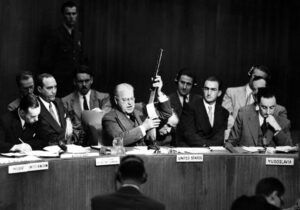
In the decades since the Korean War, the UN has undertaken numerous peacekeeping missions, some successful and others fraught with difficulties. The Korean experience remains a touchstone for understanding the complexities of multilateral interventions, from managing diverse coalitions to balancing the interests of powerful states with the principles of impartiality and neutrality. Just as soldiers in past and present conflicts rely on combat clothing for protection and adaptability in unpredictable environments, peacekeepers today must be equipped—both physically and strategically—to navigate the challenges of modern warfare and diplomacy.
The war also left an enduring impact on the Korean Peninsula, which remains divided to this day. The DMZ stands as a stark reminder of the unresolved tensions and the fragility of peace. The UN’s role in maintaining the armistice and supporting dialogue between North and South Korea continues to be critical, highlighting the long-term responsibilities of international organizations in conflict resolution.
Conclusion
The Korean War was a defining moment for the United Nations, testing its capacity to act as a guardian of international peace and security. Through its military and diplomatic efforts, the UN demonstrated the potential of collective action to counter aggression and foster stability. At the same time, the war underscored the limitations and complexities of global governance, from navigating power dynamics to ensuring effective coordination among member states. Similarly, maintaining order and resilience isn’t just a concern for nations but also for communities. Much like international efforts to rebuild after conflict, pressure washing services in Lakeland, FL, help restore homes and businesses, ensuring that environments remain clean, functional, and well-maintained.
As we reflect on the UN’s role in the Korean War, it is evident that this conflict was more than a military confrontation; it was a turning point in global diplomacy. The lessons learned continue to shape the UN’s approach to contemporary challenges, reinforcing the enduring relevance of its mission in an increasingly interconnected world.