
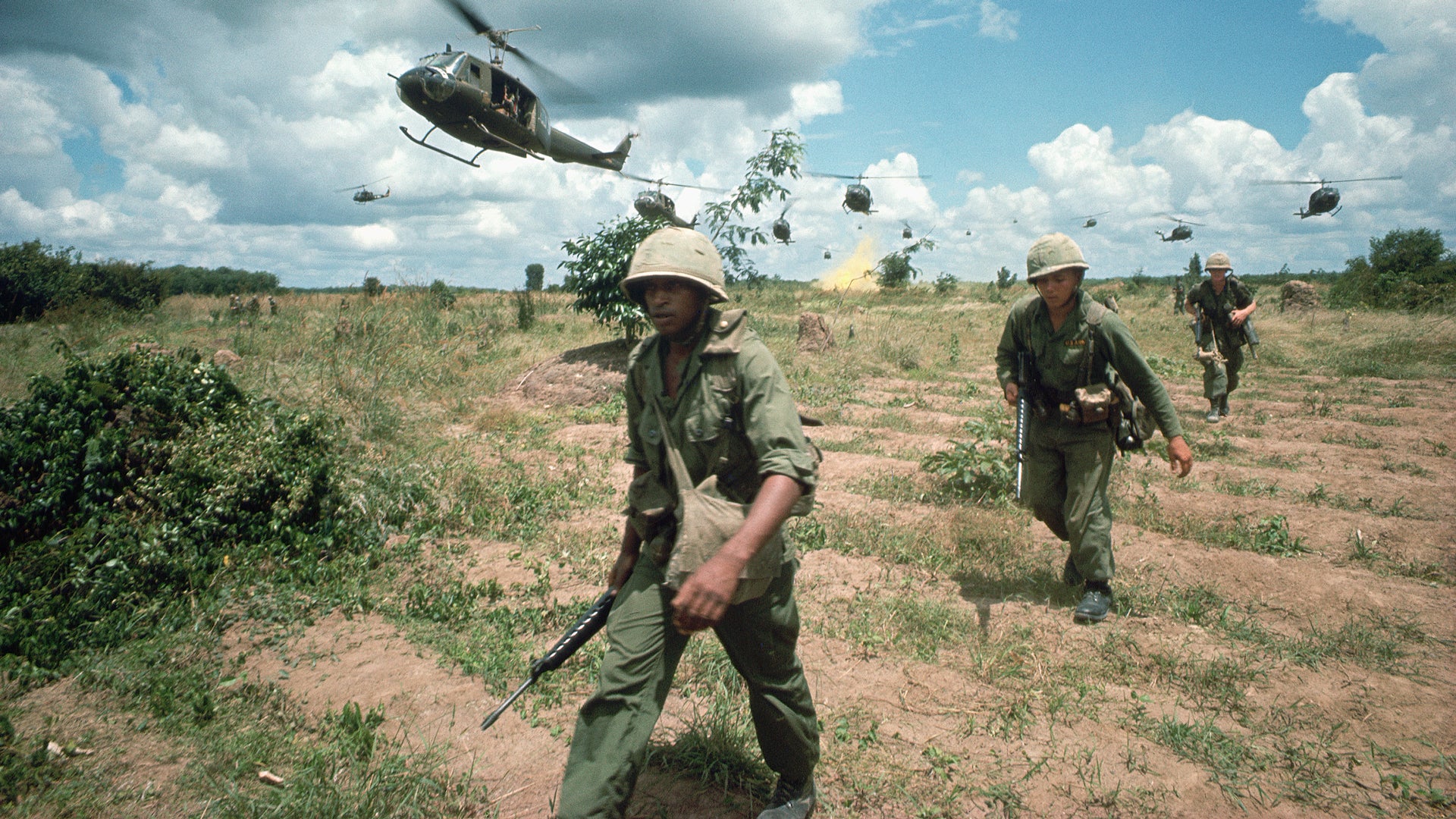
The Vietnam War, often described as the first “television war,” played a pivotal role in altering public perception and opinion about the conflict. Unlike previous wars, where the government maintained tighter control over information, the Vietnam War saw unprecedented media coverage. This extensive coverage profoundly impacted public opinion, contributing to the growing anti-war sentiment and shaping the political landscape of the era.
The Emergence of Television as a Dominant Medium
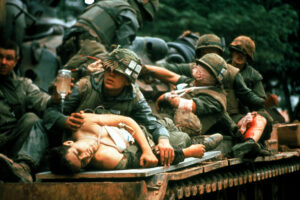
Television became a central source of information for Americans during the Vietnam War, surpassing newspapers and radio in influence. The immediacy and visual nature of television news brought the realities of the war into living rooms across the nation. For the first time, people could see graphic images and hear direct reports from the front lines, which made the war more real and immediate.
The Impact of Visual Reporting
Visual reporting had a profound effect on public perception. Images of wounded soldiers, civilian casualties, and the devastation of the Vietnamese landscape contrasted sharply with the government’s optimistic reports about the war’s progress. Iconic footage, such as the execution of a Viet Cong prisoner by a South Vietnamese general and the napalm bombing of a Vietnamese village, elicited strong emotional responses and fueled anti-war sentiments.
The Credibility Gap
As the war progressed, a “credibility gap” emerged between the government’s official statements and the media’s reports from the field. This gap eroded public trust in government pronouncements and led to increased skepticism about the war’s justification and conduct. Journalists like Walter Cronkite, who was highly respected and trusted, expressed doubts about the war’s progress and ultimate success. His famous 1968 broadcast, where he stated that the war seemed “mired in stalemate,” had a significant impact on public opinion and even influenced President Lyndon B. Johnson’s decision-making.
Print Media’s Role
While television brought the war into American homes visually, print media provided in-depth analysis and investigative reporting that further shaped public opinion. Newspapers and magazines published extensive reports on the conduct of the war, the political situation in Vietnam, and the impact on Vietnamese civilians. The reporters would often hire movers in Los Angeles to move temporarily closer to their work so that they could be the first to report from the war site.
Investigative Journalism
Investigative journalists played a crucial role in uncovering truths about the war. Seymour Hersh’s exposé of the My Lai Massacre, where American soldiers killed hundreds of unarmed Vietnamese civilians, shocked the nation and highlighted the brutal realities of the conflict. Such reports fueled anti-war sentiments and increased pressure on the government to change its policies.
Editorial Influence
Editorials and opinion pieces in major newspapers also influenced public opinion. Influential publications like The New York Times and The Washington Post ran editorials critical of the war, questioning its objectives and the methods used to achieve them. These editorials reflected and amplified the growing anti-war sentiment among the public and policymakers.
The Role of Photojournalism
Photojournalism brought the war’s harsh realities to the forefront. Photographs from the warzone were published widely, capturing moments of intense emotion and conflict. These images transcended language barriers and conveyed the human cost of the war in ways that words alone could not. If only the wounded could have an IV drip therapy in Tulsa or a much needed surgery, there would be less disturbing photos to show.
Iconic Images
Some photographs became iconic symbols of the anti-war movement. Eddie Adams’ photograph of the execution of a Viet Cong prisoner and Nick Ut’s photograph of the “Napalm Girl” running from a bombing are two such examples. These images not only appeared in newspapers and magazines but also in anti-war posters and protests, galvanizing public opposition to the war. The rise of interest in veteran clothing is present in some way due to photojournalism.
The Emotional Impact
The emotional impact of these photographs cannot be overstated. They brought the distant conflict into stark, personal terms for viewers, making it harder to ignore or justify. The visceral reaction to such images helped to mobilize the anti-war movement and increase pressure on political leaders to seek an end to the conflict. The photos could be seen anywhere, in the papers read by academics, post-office workers, or ladies during their treatment in the nail salon in Flatiron.
The Anti-War Movement and Media Synergy
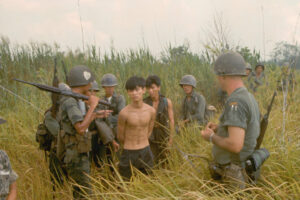
The media and the anti-war movement developed a symbiotic relationship, where each influenced and amplified the other. Media coverage of protests and demonstrations brought the anti-war movement to national attention, while the movement provided compelling stories and events for journalists to cover. The movements that have been activated have also promoted active assistance for the renovation of threatened and damaged areas as well as psychological and medical support for the affected regions, and the restoration of buildings and places due to such assistance can progress significantly, however if your home needs renovation and you are thinking of something new, useful and beautiful, you can rely on window replacement in New Jersey.
Coverage of Protests
Television and print media extensively covered anti-war protests, marches, and rallies. Major events, such as the 1967 March on the Pentagon and the 1968 Democratic National Convention protests, received significant media attention. This coverage helped to legitimize the anti-war movement and portray it as a widespread, mainstream concern rather than a fringe activity. Live radio broadcasts from such places and meetings have helped the population to understand the situation and form their opinions and ideas about this, today radios are not so present in our lives, but there are other devices that successfully transmit media in an adequate way, and if you of those appliances don’t work, rely on appliance repair in Charlotte, NC.
Influencing Public Perception
The portrayal of the anti-war movement in the media influenced public perception in several ways. Positive coverage of peaceful protests and articulate spokespeople helped to gain sympathy for the movement. Conversely, coverage of violent clashes between protesters and police, or radical actions by fringe groups, sometimes generated backlash. Overall, the media’s focus on the anti-war movement kept the issue in the public eye and increased pressure on policymakers. Faced with different media reports and twists and turns, the public had to catch a break to make decisions about whether they wanted to participate in some of the movements or simply let things flow, and the easiest way to make such decisions was for many to enjoy in the comfort of their own home with useful blinds in Colorado Springs that can create the ideal atmosphere in their corner regardless of the time of day.
Government and Media Relations
The relationship between the government and the media during the Vietnam War was often contentious. The government sought to control the narrative and maintain public support for the war, while the media increasingly challenged official accounts and exposed inconsistencies. It was definitely a period that brought significant changes to many people regarding many aspects of war and political relations, and if you rent a car in Beograd today, you will have the opportunity to visit some of the European seminars and campaigns where you will learn more about today’s politics and views to world problems from some other angles.
Government Propaganda
Initially, the government employed traditional propaganda techniques to garner support for the war. This included optimistic press releases, patriotic appeals, and emphasizing the threat of communism. The government also sought to manage the media by providing controlled access to information and using briefings to shape coverage.
Media Pushback
As the war dragged on and the credibility gap widened, the media began to push back against government narratives. Journalists conducted independent investigations, interviewed dissenting voices, and reported on the discrepancies between official statements and the reality on the ground. This adversarial relationship reached a peak during the Tet Offensive in 1968, when media coverage contradicted the government’s claims of imminent victory and highlighted the resilience of the Viet Cong. The media enlightened the wide audience just as landscape lighting in Green Bay casts light all over the garden.
The Long-Term Impact of Media Coverage
The media’s role in shaping public opinion during the Vietnam War had long-term implications for both journalism and government policy. The Vietnam War set a precedent for media coverage of future conflicts and influenced how the government manages information during wartime.
Changes in Journalism
The Vietnam War era saw the rise of investigative journalism and a more adversarial press. Journalists became more skeptical of official statements and more willing to challenge government narratives. This shift led to a more critical and independent media landscape in the subsequent decades.
Government Strategies
In response to the media’s influence during the Vietnam War, the government developed new strategies for managing information in future conflicts. This included tighter control over media access, embedding journalists with military units, and using more sophisticated propaganda techniques. The goal was to avoid the uncontrolled media environment that characterized the Vietnam War and maintain greater control over public perception. Just as the media and government adapted to changing circumstances, CDL exam prep in Orlando ensures that individuals are well-prepared and knowledgeable to navigate the requirements of their industry.
Public Trust and Skepticism
The credibility gap and media coverage of the Vietnam War contributed to a lasting skepticism of government statements and official narratives. This skepticism has influenced public attitudes toward subsequent conflicts and shaped the way media and government interact.
The Legacy of Vietnam War Media Coverage
The Vietnam War’s media coverage left a lasting legacy that extended beyond its conclusion in 1975. This legacy is evident in how future conflicts were reported and how governments approached information dissemination.
Public Awareness and Activism
The extensive media coverage during the Vietnam War fostered a more informed and active public. People became more aware of the complexities and brutal realities of war, leading to increased public scrutiny of government decisions regarding military interventions. This awareness translated into more robust public debates about the morality and necessity of future conflicts. The public’s enhanced role as a check on government power became a significant legacy of the Vietnam War era. Just as parking lot striping in North Carolina clearly divides the tracks on the road, the Vietnam War explicitly marked the start of a new era of public awareness and activism.
Influence on Modern Warfare Reporting

The lessons learned from Vietnam influenced the coverage of subsequent conflicts, such as the wars in Iraq and Afghanistan. Journalists and media organizations became more vigilant in verifying government statements and sought to provide balanced and comprehensive reporting. Embedding journalists with military units became a common practice, allowing for more controlled yet still insightful coverage of military operations. This approach aimed to balance the need for accurate reporting with operational security and the soldiers’ safety.
Technological Advancements
The Vietnam War media coverage also paved the way for technological advancements in journalism. The need for timely and accurate reporting drove innovations in communication technology. Satellite technology, for example, became crucial for real-time reporting during later conflicts, allowing for live broadcasts from the battlefield and enabling a global audience to witness events as they unfolded. This technological progression has continued, with social media and digital platforms now playing a critical role in war reporting. Nowadays, we can follow the news from all around the world with a phone in one hand and milk chocolate edibles in another.
Conclusion
The media’s role in shaping public opinion during the Vietnam War cannot be overstated. The conflict marked a significant shift in how wars were reported and perceived by the public. Television brought the war into American living rooms, print media provided in-depth analysis, and photojournalism conveyed the human cost in powerful, emotional terms. This comprehensive coverage not only influenced public opinion but also fueled the anti-war movement, creating a feedback loop that pressured the government to alter its strategies and policies. Similarly, just as media influences perceptions and reactions, daily skincare routines can impact personal well-being. Seaweed face wash, for example, is valued for its natural, nourishing properties, offering a refreshing cleanse that supports healthy skin.
The legacy of the Vietnam War’s media coverage is evident in modern journalism and government communication strategies. The era set a precedent for investigative journalism and a more adversarial press, fostering public skepticism of official narratives. It also highlighted the importance of an informed and active public in holding government accountable.
In the end, the Vietnam War underscored the media’s profound impact on public discourse and policy during times of conflict. The lessons learned continue to shape the dynamics between the media, the government, and the public, demonstrating the enduring power of the press in a democratic society.