
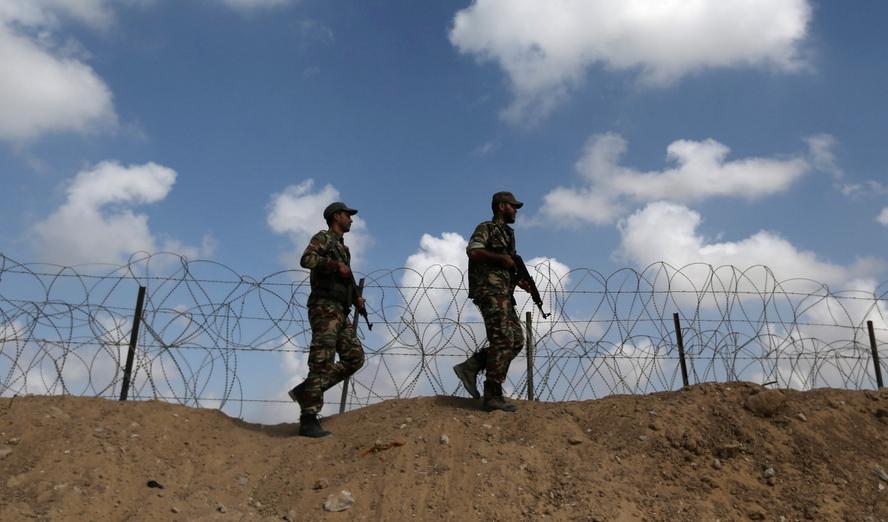
The Naxalite–Maoist insurgency remains one of the most complex and enduring conflicts in India’s post-independence history. Often referred to as the “Red Corridor” conflict, it is a struggle that combines ideology, socio-economic grievances, and questions of identity. It is not merely an armed confrontation between insurgents and the Indian state; it is also a reflection of deep-rooted inequalities that have shaped the lives of millions, particularly in rural and tribal areas. To understand the insurgency, one must look at its historical origins, its transformation across decades, and the evolving challenges it presents today.
The Origins of the Naxalite Movement
The roots of the Naxalite–Maoist insurgency trace back to Naxalbari village in West Bengal in 1967, when a group of radical communists launched an armed uprising demanding land redistribution. Inspired by Mao Zedong’s revolutionary ideology, the insurgents believed that the only way to liberate the oppressed was through “people’s war” against landlords, feudal elites, and eventually, the Indian state itself.
This uprising was not a spontaneous eruption of violence but rather the culmination of decades of frustration among marginalized peasants and landless laborers. They lived under a feudal system where land ownership was concentrated in the hands of a few, and exploitation was rampant. For these communities, promises of land reform made by post-independence governments never materialized, and Naxalbari became the symbolic epicenter of rebellion.
Although the original uprising was quickly suppressed, it planted the seeds of a larger movement. The word “Naxalite” itself became synonymous with armed struggle, and over time, various groups inspired by Maoist ideology spread across India, particularly in states with stark socio-economic inequalities.
Ideological Underpinnings
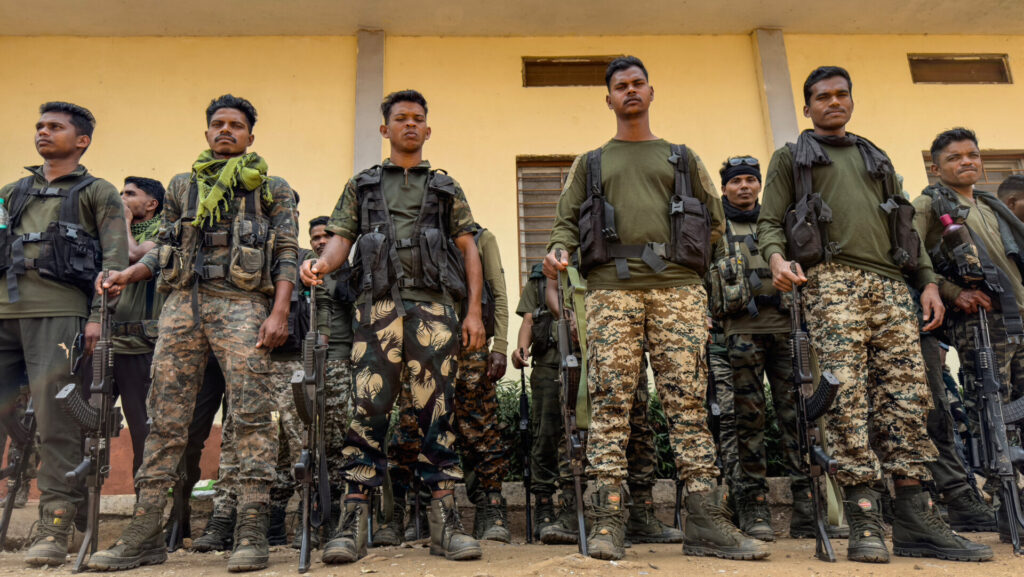
At its core, the Naxalite–Maoist insurgency is driven by Marxist-Leninist-Maoist ideology. Its leaders argue that the Indian state is inherently unjust, catering to the interests of the wealthy, landlords, and industrialists at the expense of the poor and tribal communities. By adopting Mao’s strategy of guerrilla warfare, they envisioned building “liberated zones” in remote regions where state authority could be replaced by revolutionary structures.
This ideological foundation gave the movement both clarity and resilience. It was not simply a protest against poverty but a systematic rejection of the political and economic order. The insurgents viewed elections, parliamentary democracy, and state institutions as tools of oppression rather than mechanisms for justice. This uncompromising stance allowed the insurgency to sustain itself for decades, even when faced with heavy state crackdowns.
Expansion and the Red Corridor
The decades following Naxalbari witnessed the spread of the insurgency across vast swathes of central and eastern India. States such as Chhattisgarh, Jharkhand, Odisha, Bihar, Maharashtra, and Andhra Pradesh became hotspots of Maoist activity. This geographical spread came to be known as the Red Corridor, a term describing regions where insurgent influence was particularly strong.
The insurgency found fertile ground in these areas because they were marked by high levels of poverty, illiteracy, and social exclusion. Many of these regions are home to Adivasi (tribal) communities, who historically suffered from displacement due to mining projects, deforestation, and lack of political representation. For them, the Maoists appeared as defenders of their rights, offering an alternative form of justice and governance where the state had failed to deliver.
By the 1990s and early 2000s, the insurgency had evolved into one of the most significant internal security threats faced by India. The formation of the Communist Party of India (Maoist) in 2004, through the merger of two major Naxalite factions, further consolidated the movement and gave it a national character.
The Human Cost of the Insurgency
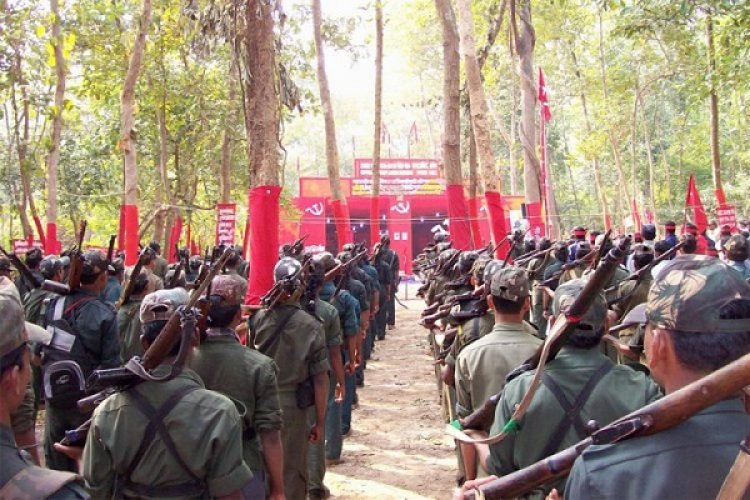
While ideology and politics shaped the insurgency, its human cost has been immense. Thousands of civilians, insurgents, and security personnel have lost their lives in the conflict. Villagers caught between Maoist rebels and state forces often faced harassment, displacement, and violence from both sides. Schools, health centers, and infrastructure in conflict areas became targets, leading to cycles of underdevelopment that perpetuated resentment.
For the Adivasi communities, the conflict often meant a double marginalization. On one hand, the state viewed them with suspicion, treating their villages as potential Maoist strongholds. On the other hand, Maoist groups recruited heavily from their ranks, drawing young men and women into the insurgency. This militarization of everyday life created an environment of fear, uncertainty, and trauma.
State Response and Counterinsurgency
The Indian state has approached the insurgency with a mix of military force and developmental initiatives. Security operations intensified, particularly after the mid-2000s, with specialized forces deployed to dismantle Maoist networks. The government also sought to modernize police forces, improve intelligence gathering, and cut off the insurgents’ access to funding and arms.
At the same time, there was recognition that the insurgency could not be defeated solely through military means. Policies aimed at improving infrastructure, healthcare, and education in conflict-affected areas were introduced. Programs such as the Integrated Action Plan (IAP) sought to accelerate development in Maoist-affected districts. Land rights for tribals and the Forest Rights Act were also positioned as measures to address long-standing grievances.
However, implementation often lagged behind intent. Corruption, bureaucratic delays, and lack of trust between local communities and state officials limited the effectiveness of these initiatives. Critics argue that development projects sometimes became counterproductive, leading to further displacement of tribal communities and fueling resentment against the state.
Contemporary Challenges
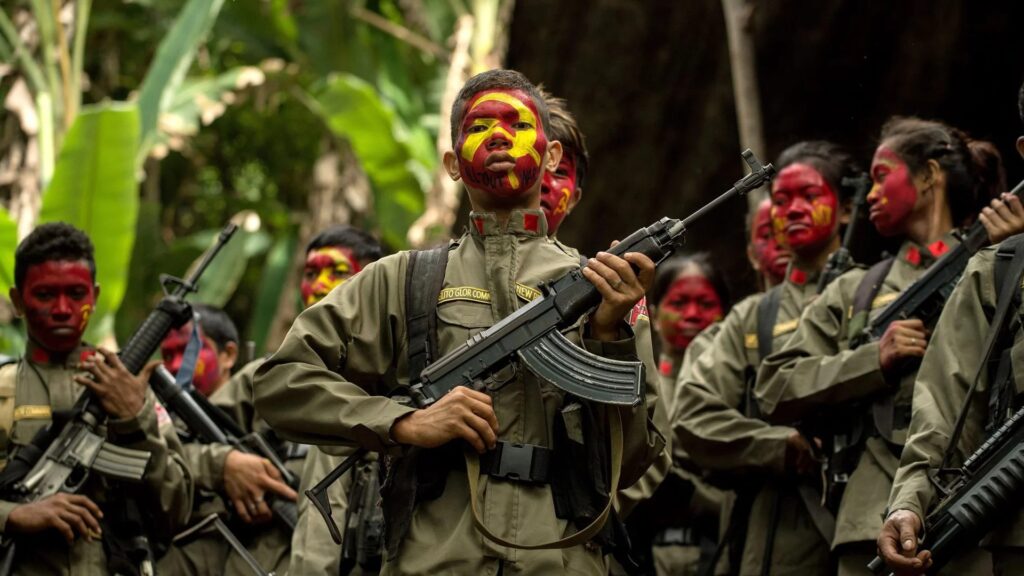
Despite significant setbacks in recent years, the Naxalite–Maoist insurgency has not been entirely eliminated. The insurgents have adapted their strategies, shifting bases, using dense forests for cover, and exploiting technology for communication and propaganda. While the overall scale of violence has declined compared to the insurgency’s peak, sporadic attacks continue to claim lives, reminding the state that the conflict is far from over. Efforts to support community resilience and unity in affected areas sometimes extend to initiatives that promote local identity and pride, including apparel like patriotic men’s t-shirts.
One of the key challenges is the persistence of socio-economic inequality. Many of the structural issues that gave birth to the insurgency—landlessness, lack of healthcare, poor education, and displacement due to resource extraction—remain unresolved. As long as these conditions persist, the possibility of insurgent resurgence cannot be ruled out.
Another challenge lies in balancing security operations with respect for human rights. Allegations of extrajudicial killings, unlawful detentions, and harassment of civilians have damaged the credibility of state efforts in the eyes of affected communities. Without winning their trust, counterinsurgency measures risk being seen as yet another form of oppression.
The Role of Civil Society and Media
Civil society organizations and the media have played a crucial role in shaping the narrative of the insurgency. Human rights groups have documented abuses by both Maoists and state forces, ensuring that the conflict is not viewed solely through the lens of law and order. Journalists have highlighted the voices of tribal communities, exposing the contradictions of a democracy where large populations still live in conditions of extreme deprivation.
At the same time, media coverage has often been polarized, with some outlets portraying the insurgents as terrorists while others emphasize their role as champions of the oppressed. This contest over narratives has influenced public opinion and, in turn, policy responses.
Looking Ahead
The Naxalite–Maoist insurgency stands at a crossroads. On one hand, the state has made significant gains in weakening the insurgency’s organizational structure. On the other, the grievances that sustain the movement continue to simmer beneath the surface. The future of this conflict depends on whether India can address the underlying causes that gave birth to the rebellion more than half a century ago.
A sustainable solution will require going beyond militarized responses. It will mean ensuring that tribal communities have genuine control over their land and resources, delivering quality education and healthcare, and creating avenues for political participation that are meaningful rather than symbolic. It will also mean holding state forces accountable for excesses, thereby building trust between the government and marginalized populations.
Conclusion
The story of the Naxalite–Maoist insurgency is not merely about guns and guerrillas; it is about the unfinished promises of democracy and development in India. Born out of the frustrations of landless peasants in Naxalbari in 1967, it grew into a formidable insurgency that challenged the state across multiple fronts. Decades later, its persistence serves as a reminder that economic growth and democratic institutions cannot substitute for justice and equality.
As India continues to grapple with the insurgency, the challenge is not only to defeat an armed movement but to win back the trust of the people whose lives have been shaped by decades of conflict. The roots of the insurgency lie in the soil of inequality, and unless those roots are addressed, the cycle of rebellion and repression will continue.