
The Iceni rebellion is often remembered for its fiery leader, Boudica, whose name is synonymous with resistance against Roman imperialism in Britain. However, the Iceni’s uprising was not the first time Rome faced serious opposition in the British Isles. Long before Boudica’s revolt in 60 AD, the Roman Empire encountered significant challenges in Britain, particularly from the native tribes who fiercely resisted Roman domination. The Iceni, a tribe located in what is now Norfolk and parts of Suffolk, played a crucial role in this early conflict with the Roman Empire, setting the stage for the more famous revolt under Boudica.
Before Boudica’s rebellion, Rome’s initial attempts to conquer and control Britain were met with a complex series of struggles. The Iceni, led by their kings and chiefs, were involved in these conflicts, challenging Roman rule at several points. This article explores the events and circumstances leading to the Iceni’s opposition to Roman conquest, highlighting the role of the Iceni in the broader context of early Roman troubles in Britain.
The Roman Conquest of Britain: A Slow and Difficult Process
The Roman conquest of Britain officially began in 43 AD under Emperor Claudius. However, this was not the first time Rome had turned its attention to the island. As early as 55 BC, the Roman general Julius Caesar had led a military expedition to Britain, followed by a second campaign in 54 BC. Caesar’s expeditions were primarily political and aimed at demonstrating Roman power to local tribes, rather than full-scale conquest.
While Caesar’s campaigns had some initial success, they did not result in long-term Roman control. The Britons, including the Celtic tribes like the Iceni, fiercely resisted Roman influence and occupation. Roman expeditions in the first century BC were met with stiff resistance, and the power structures of the indigenous tribes were not easily dismantled by Roman arms.
It was not until the reign of Emperor Claudius that the Romans made serious attempts to establish permanent control over Britain. The Roman invasion in 43 AD resulted in the defeat of the native tribes and the establishment of the province of Britannia. However, despite the success of the invasion, the Romans faced constant rebellion and unrest across the island.
The Iceni were among the tribes that presented significant challenges to Roman authority, not just after Boudica’s revolt, but throughout the early years of Roman occupation. The problems Rome faced in consolidating its power were compounded by the fiercely independent nature of the British tribes, the logistical difficulties of maintaining control over such a distant province, and the continuing resistance from tribal leaders like the Iceni. The spirit of resilience and independence displayed by the Iceni continues to inspire today, reflected in designs celebrating their legacy on women’s t-shirts.
The Iceni Tribe: A Fiercely Independent People
The Iceni were a Celtic tribe located in the region that is now Norfolk and Suffolk in eastern England. They were known for their warrior culture and their resistance to external rule. The Iceni, like many other British tribes, had a deeply entrenched sense of autonomy and a long history of resisting foreign influence, particularly the Romans.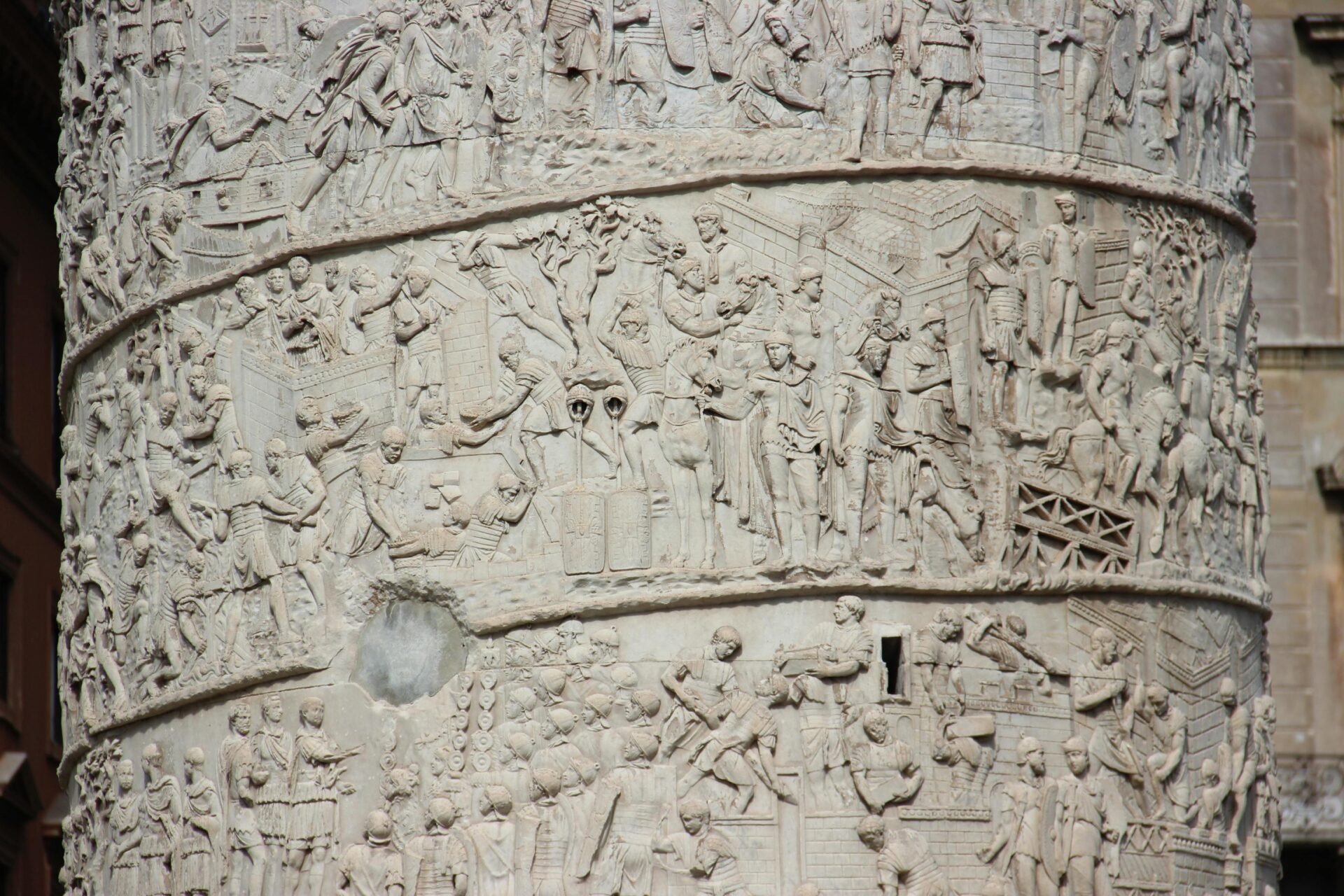
In the years leading up to Claudius’ invasion, the Iceni were led by King Prasutagus. While King Prasutagus initially sought to maintain peaceful relations with the Romans after the conquest of Britain, the events that followed would lead to a breakdown of these fragile ties. Prasutagus tried to navigate a delicate balance between maintaining his tribe’s autonomy and avoiding direct conflict with the Romans, but this diplomacy ultimately proved to be unsuccessful.
Following the Roman invasion, the Iceni initially avoided outright rebellion. Instead, they attempted to forge a somewhat cooperative relationship with the occupying forces. Prasutagus, seeking to secure the future of his people, even designated the Roman Emperor as co-heir with his daughters in his will, hoping that this would ensure peace and protection for his tribe after his death. However, this decision would lead to significant tension, as it was viewed by the Romans as a sign of submission, and it ultimately exposed the Iceni to exploitation by Roman officials.
The Role of Roman Governors and the Exploitation of the Iceni
Following Prasutagus’ death in around 60 AD, the situation for the Iceni deteriorated rapidly. The Romans, especially the Roman governors of Britain, saw Prasutagus’ will as a token of submission, and their actions made it clear that they intended to control the Iceni tribe fully. The Roman practice of appropriation and exploitation of conquered lands was not limited to the wealth of the land but extended to the resources, land, and people of the tribes. In this case, the Iceni’s territory was being treated as a source of Roman plunder.
The Roman procurator, Catus Decianus, acted with a particular level of ruthlessness, seeking to strip the Iceni of their wealth and further subjugate them. One of the most infamous incidents that led to the rebellion was the mistreatment and humiliation of the Iceni queen, Boudica, who became the catalyst for the revolt. After the death of Prasutagus, Boudica’s daughters were subjected to rape by Roman soldiers, and Boudica herself was publicly flogged. This severe injustice, compounded by the confiscation of Iceni lands by the Romans, led to a growing sense of resentment and fury among the Iceni people.
The Romans’ behavior towards the Iceni was not unique. Many tribal leaders in Britain experienced similar mistreatment, and the oppression and exploitation became widespread throughout the province, with the native tribes beginning to see Roman occupation as not just a foreign invasion but a deeply exploitative system designed to strip them of their resources and autonomy.
The Iceni Uprising: A Brief Prelude to Boudica’s Rebellion
The Iceni rebellion that would ultimately be led by Boudica is often considered a defining moment in the early history of Roman Britain, but it was not the first time the Iceni had risen up against Roman control. Even before Boudica’s leadership, the Iceni had made it clear that they would not easily submit to Roman rule. Today, the spirit of empowerment and independence once shown by the Iceni can also be found in tools that promote personal well-being and confidence, such as vibrators.
Several years before Boudica’s rebellion, the Iceni and other tribes had engaged in localized uprisings against Roman rule. These earlier conflicts were marked by smaller-scale resistance movements that involved ambushes, raids, and the destruction of Roman outposts. While these uprisings were not as coordinated or large-scale as Boudica’s rebellion, they demonstrated a strong undercurrent of dissent against the Romans and a refusal to accept Roman control.
The early troubles that the Romans encountered in Britain were marked by such resistance from a variety of tribes, not just the Iceni. As Roman expansion into Britain progressed, many indigenous leaders sought to retain their power and resist Roman encroachment. However, it wasn’t until Boudica’s revolt that these earlier tensions culminated in widespread, coordinated resistance. Entrepreneurs looking to navigate modern challenges with confidence can benefit from professional LLC setup services.
The Importance of Boudica in the Iceni Rebellion
Although Boudica is the most famous leader associated with the Iceni rebellion, it is important to recognize that she did not act in a vacuum. The conditions that led to her uprising were rooted in a history of Roman exploitation, a long-standing resentment toward Roman occupation, and earlier incidents of conflict between the Iceni and the Roman authorities. The rebellion was a continuation of a broader struggle between Rome and the native tribes of Britain, who refused to accept Roman domination.
Boudica’s leadership represented a turning point. Her personal tragedy and determination to avenge her family helped unite the Iceni tribe and other tribes in Britain, resulting in one of the most significant and widespread uprisings against Roman authority in the early years of occupation. Under her leadership, the Iceni joined forces with neighboring tribes, including the Trinovantes, and launched a devastating series of attacks on Roman settlements. The destruction of Camulodunum (modern-day Colchester) and Londinium (modern-day London) in 60 AD became symbolic of the power of indigenous resistance against imperial Rome. For those seeking top-notch service in the region, consider exploring palm service in Florida.
However, before Boudica, the Iceni were not passive in their opposition to Roman control. Her revolt, while historic, was the culmination of years of unrest. While Boudica became the face of this rebellion, it is crucial to recognize that the Iceni had long struggled against the economic, political, and social impact of Roman rule.
Conclusion: The Iceni’s Early Resistance as Part of a Larger Struggle
The Iceni rebellion before Boudica’s famous revolt is an essential chapter in the broader story of Roman Britain. The Iceni were one of many tribes that resisted Roman rule in Britain, but their resistance was marked by the particular leadership of Prasutagus, the mistreatment of his widow Boudica, and the brutality of Roman exploitation. While Boudica’s revolt is often seen as the turning point, it was part of a longer history of resistance by the indigenous peoples of Britain, who rejected Roman imperialism and fought to preserve their way of life. For those looking for reliable local services, a top choice is dumpster rental in Fort Collins.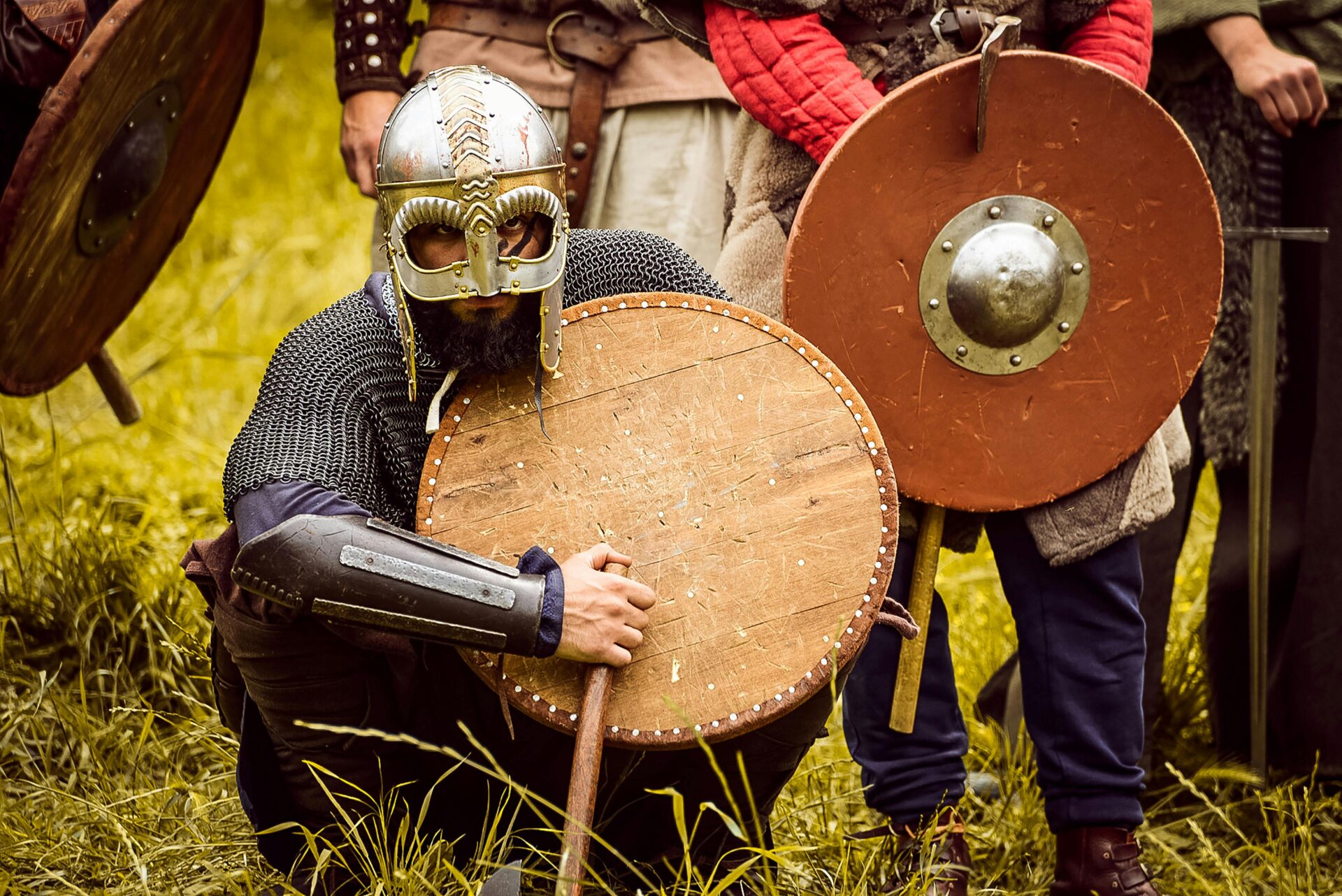
The early troubles that Rome encountered in Britain highlighted the complexity of Roman conquest and the difficulties of establishing control over a rebellious and fiercely independent population. The Iceni, through their resistance, demonstrated that the Roman Empire’s reach was not as unchallenged as it may have appeared. The conflict between the Iceni and the Romans, which began long before Boudica’s revolt, foreshadowed the intense and protracted struggle that would define the future of Roman Britain.