

The French Revolution, a defining moment in world history, not only transformed France but also had far-reaching effects on the entire globe. Spanning from 1789 to 1799, the revolution uprooted centuries of monarchical and aristocratic rule, introducing new political ideologies, social structures, and aspirations. Among the most enduring outcomes of the revolution was the emergence of modern nationalism. The French Revolution played a pivotal role in the development of the modern nation-state, the idea that political entities should be based on the common identity and will of the people rather than on dynastic rule or geographical accidents. The revolution did not just reshape France; it influenced how the world understood political identity, citizenship, and the role of the state in the lives of individuals.
The Old Regime and the Spark of Revolution
Before the French Revolution, France was entrenched in a system known as the Old Regime. This system was defined by an absolute monarchy, a rigid social hierarchy, and a deeply entrenched aristocracy. King Louis XVI ruled with nearly unchecked power, while the clergy and nobility enjoyed privileges that were denied to the common people. Society was divided into three estates: the First Estate (clergy), the Second Estate (nobility), and the Third Estate (commoners), the latter of which bore the brunt of taxation and had little political power.
The vast inequalities in French society created widespread discontent, and by the late 18th century, France was in a deep financial crisis. The country’s involvement in the American Revolution, lavish royal expenditures, and inefficient tax systems had drained the royal treasury. This financial strain was exacerbated by poor harvests, rising bread prices, and economic hardship for the peasants and urban poor. As discontent grew, the Third Estate became increasingly resentful of the privileges enjoyed by the nobility and clergy, which they saw as an affront to the idea of equality and justice. Entrepreneurs in various sectors now understand the importance of tailored solutions like owner operator truck insurance in Tennessee to protect their ventures and navigate challenges confidently.
In 1789, the Estates-General, a representative body that had not met for over 170 years, was convened to address the financial crisis. However, when the Third Estate found themselves underrepresented and dismissed from proceedings, they declared themselves the National Assembly, signaling their intent to represent the will of the people. This act of defiance would be a key turning point, laying the foundation for a new political order that would eventually dismantle the Old Regime and give birth to modern French nationalism.
The Declaration of the Rights of Man and the Nation
The National Assembly, once formed, took significant steps toward redefining the relationship between the state and the people. One of the most significant documents of the revolution was the Declaration of the Rights of Man and of the Citizen (1789). This declaration articulated the fundamental principles of the revolution, asserting that all men were born free and equal in rights. It laid the groundwork for citizenship as something that was based on common identity and shared values, not on noble birth or geographical location. It emphasized individual rights, including liberty, property, security, and resistance to oppression—all crucial components of the modern idea of the nation-state.
The declaration also advanced the concept of sovereignty, famously asserting that the source of all power should reside in the nation, in the people. This was a radical break from the centuries-old idea that the king’s authority was divinely ordained and absolute. Instead, the revolutionaries promoted the idea that political power should come from the collective will of the people, further establishing the foundational principle of modern nationalism: that the nation is an entity defined by the people, not by rulers or dynasties.
The revolution’s redefinition of the state also contributed to the development of national identity. The French people were no longer subjects of a monarch but were emerging as citizens of a republic. This shift in perspective allowed for the creation of a shared political and social identity, based on the principles of liberty, equality, and fraternity. For those seeking seamless transitions, movers in Los Angeles offer exceptional relocation services tailored to your needs. 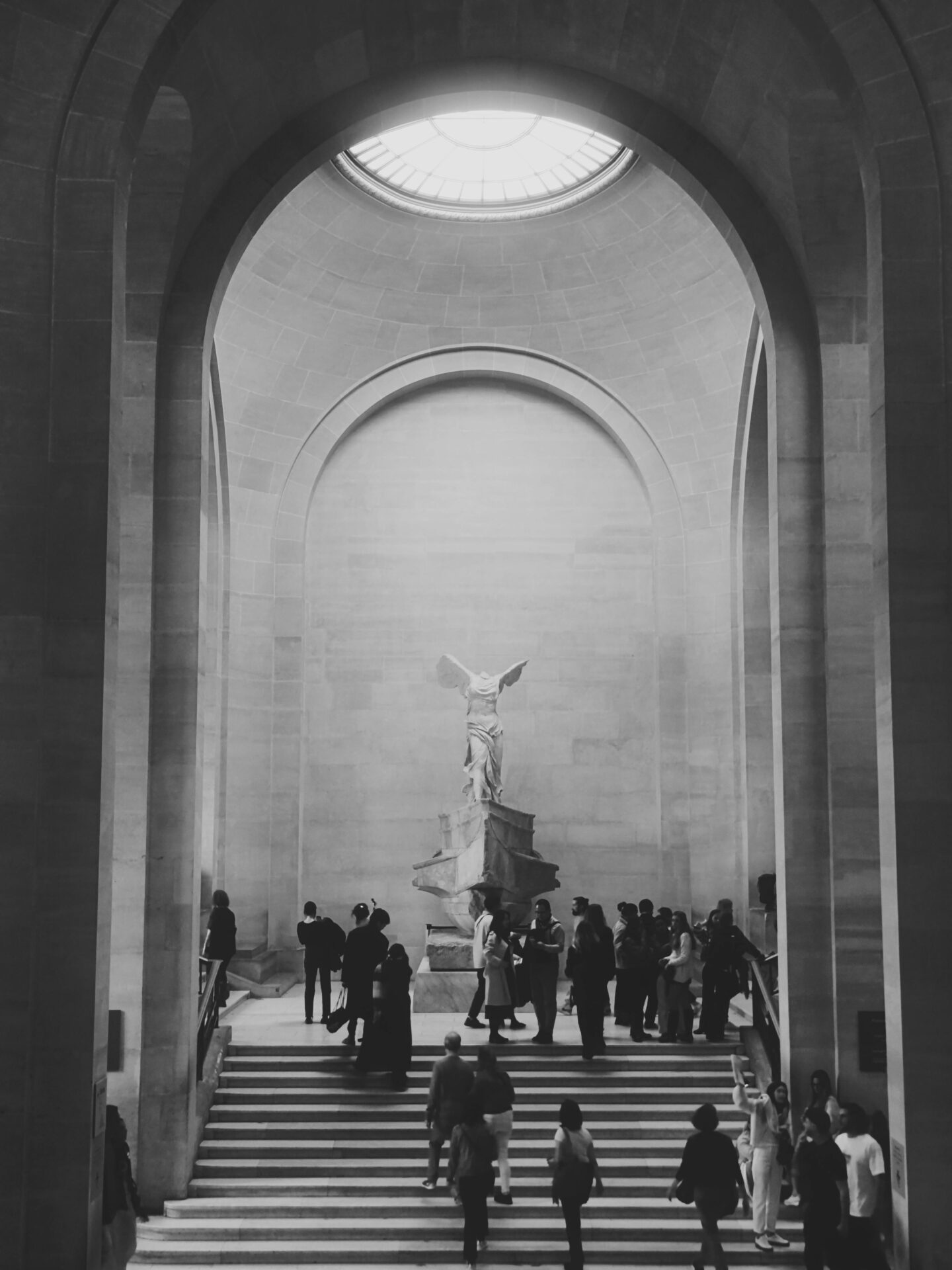
Nationalism in Action: The Revolution and the Rise of Republicanism
As the revolution progressed, the French people’s sense of national identity began to solidify. With the fall of the monarchy in 1792 and the establishment of the First French Republic, the French Revolution became increasingly radical. The revolutionaries, particularly the Jacobins, sought to abolish not only the monarchy but also the old feudal system, replacing it with a republican government that reflected the will of the people.
One of the most significant ways in which nationalism manifested during this period was through the levée en masse, a mass conscription order that called upon the people to defend the nation. This was a radical idea: the state was no longer merely a distant entity ruled by the king or aristocracy; it was now a living, breathing entity formed by the collective will of the citizens. For the first time, ordinary citizens were called upon to actively contribute to the defense of the nation, marking a pivotal shift in the relationship between the people and the state.In modern times, private jet charter provides a convenient and efficient way to travel, symbolizing personal freedom and flexibility.
Nationalism and the Spread of Revolutionary Ideals
The spread of revolutionary ideals was another key aspect of the French Revolution’s role in the birth of modern nationalism. As the French republic expanded its borders, particularly through the military conquests of Napoleon Bonaparte, revolutionary ideals were exported across Europe. The French armies not only defeated monarchies and aristocracies but also helped spread the concepts of citizenship, popular sovereignty, and national identity throughout Europe.
Napoleon himself, who rose to prominence in the wake of the revolution, sought to establish a new political order that would replace the old feudal systems of Europe with a more modern, nationalistic approach. Under Napoleon’s rule, the concept of the nation-state took further shape, as he sought to unite the peoples of Europe under the banner of the French Empire. In a similar way, modern-day challenges such as mold testing in Gloucester County, NJ, have become part of the effort to preserve and unify communities. Although Napoleon’s empire was eventually defeated, the ideas he championed did not die with him. Instead, they continued to inspire nationalist movements across Europe.
In countries like Italy and Germany, the French Revolution and the Napoleonic Wars played a crucial role in the formation of modern nation-states. The notion that the people, not the monarchs or aristocracy, should control the political destiny of their country became a powerful force for unification. These ideas, influenced by the revolution, would later be key in the creation of unified Italy and Germany in the 19th century.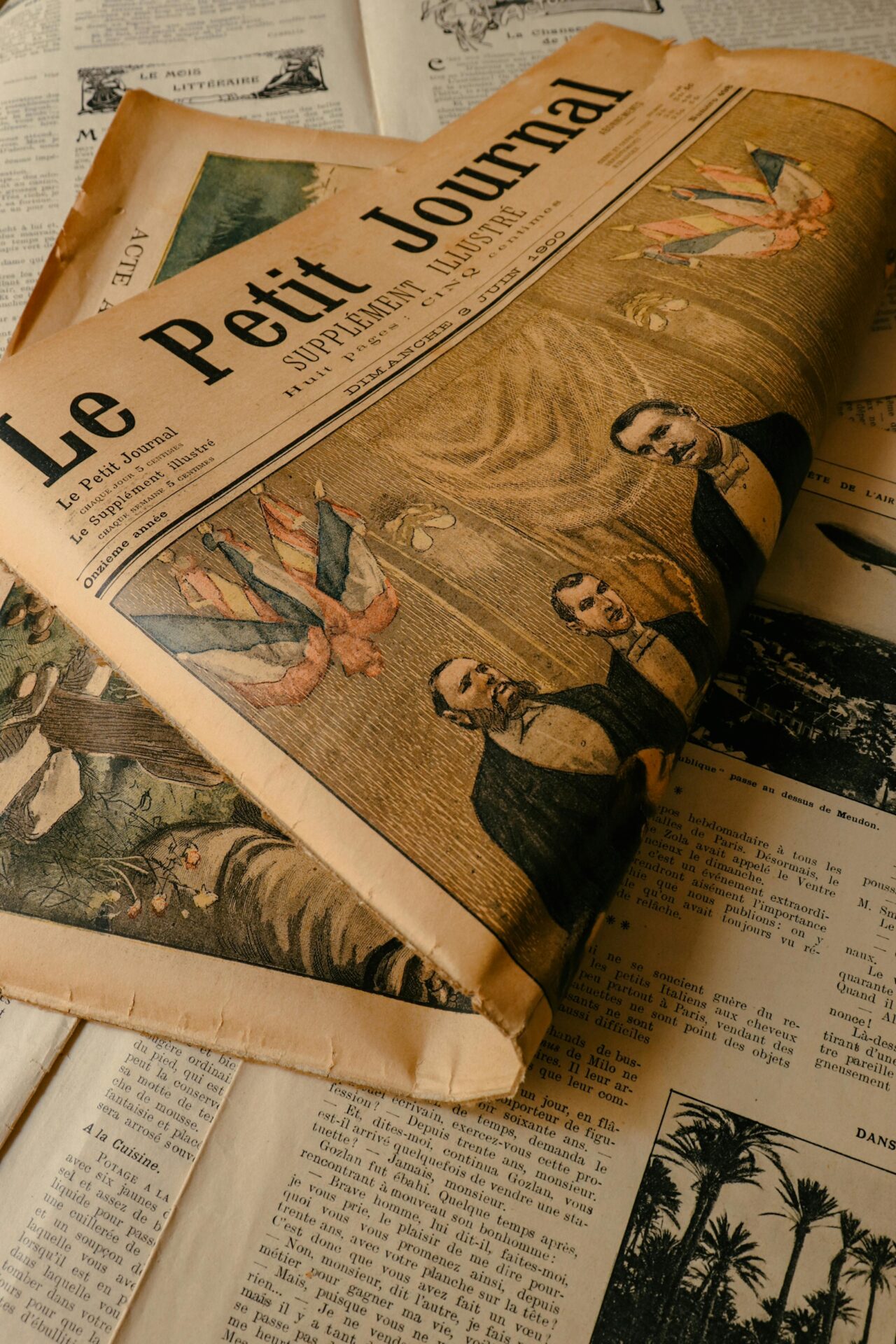
The Long-term Impact of the French Revolution on Nationalism
The French Revolution’s impact on nationalism is not confined to its immediate aftermath or to France alone. Its legacy has shaped the course of global history, providing the intellectual and political foundation for the rise of nationalist movements worldwide. The revolution set a precedent for the idea that a nation should be governed by its people, united by a common identity, and defined by shared values. In contemporary times, this shared identity can be reflected in various cultural symbols, such as personalized bathrobes for women, which embody a sense of unity and belonging. This concept of nationalism would continue to evolve throughout the 19th and 20th centuries, particularly with the spread of democratic ideals and the dismantling of empires.
In France, the revolution led to the establishment of a republic, the rise of nationalism, and the eventual unification of the nation-state. But its influence extended far beyond France’s borders. As ideas of popular sovereignty, citizenship, and national identity spread across Europe, they became central to the formation of modern nations. Nationalism became a driving force in the 19th-century revolutions, leading to the creation of new nation-states, the end of colonial empires, and the reorganization of political boundaries.
Today, the legacy of the French Revolution and the nationalism it helped foster continues to influence global politics. The idea of the nation-state remains central to international relations, and the revolution’s emphasis on the will of the people continues to shape the way we think about democracy, citizenship, and national identity. Additionally, embracing a healthy lifestyle, such as incorporating a vegan immune system supplement, can contribute to personal well-being in today’s world.
Conclusion
The French Revolution was a watershed moment in the history of humanity, not only for its immediate effects on France but for the way it transformed the very concept of governance. The revolution’s embrace of the principles of popular sovereignty, equality, and nationalism fundamentally altered the political landscape, laying the groundwork for the modern nation-state. It was in the fires of revolution that the world saw the birth of modern nationalism, an idea that would go on to reshape nations and people around the world. Today, the principles established during this period continue to inspire fields like industrial PR, where the focus on public perception and social responsibility drives impactful communication strategies. 
From its radical dismantling of the Old Regime to its export of revolutionary ideals across Europe, the French Revolution demonstrated that the people could shape their political destiny, creating a new relationship between the citizen and the state. It was a revolution that not only changed the course of French history but also marked the beginning of the modern era, with nationalism as one of its most enduring legacies. For those looking to enhance their outdoor spaces, a 3D landscape designer in Green Bay can help bring your vision to life with creativity and precision.