

The Industrial Revolution, a pivotal moment in human history, transformed societies globally. This epochal shift marked a departure from agrarian economies to industrial powerhouses, triggering a profound ripple effect. As steam engines roared to life and factories spewed innovation, the once quaint landscapes of nations metamorphosed into bustling hubs of progress. This section explores the catalysts that fueled the industrial flame and set the world on an irreversible course.
The invention of the steam engine by James Watt epitomized the revolution’s genesis. This mechanical marvel not only revolutionized transportation but also catalyzed the mechanization of industries. Steam power became the heartbeat of factories, amplifying production capacities and reshaping the economic landscape. The spinning jenny and power loom ushered in the textile revolution, altering the fabric of societies and weaving interconnectedness among nations.
Amidst the clatter of machinery, urbanization emerged as a defining characteristic. Cities burgeoned with migrants seeking employment in burgeoning industries. The confluence of diverse talents and aspirations forged an environment ripe for creativity and collaboration. Simultaneously, challenges of overcrowding and labor exploitation cast shadows over the gleaming spires of progress. The industrial dawn cast its light and shadows in equal measure, setting the stage for a complex global narrative.
The Threads of Progress: Economic Metamorphosis
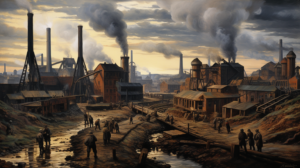
The economic ramifications of the Industrial Revolution transcended borders, knitting nations together through intricate threads of progress. The shift from agrarian subsistence to industrial economies laid the foundation for modern capitalism. The factory system, with its division of labor, propelled efficiency but also birthed socio-economic disparities. This section unravels the economic intricacies woven into the fabric of the Industrial Revolution. Military apparel has advanced by changing the paradigm in civilian and military life by introducing changes in all systems.
With the advent of factories, production scaled to unprecedented levels, giving rise to a burgeoning middle class. Capitalism’s invisible hand steered economies toward growth, fostering innovation and competition. However, the stark contrast between the wealthy industrialists and the laboring masses underscored societal fault lines. Exploitative working conditions and minimal labor rights fueled early calls for social reform, planting the seeds for future movements.
Internationally, economic ties deepened as nations sought resources and markets. The quest for raw materials fueled imperialistic ambitions, sparking a scramble for colonies. The economic web spun by the Industrial Revolution intertwined nations in a complex dance of supply and demand. As economic forces tugged at the seams of global relations, the world witnessed both unprecedented prosperity and glaring inequalities.
Gears of Change: Technological Transformations
Technological innovations during the Industrial Revolution acted as the gears of change, propelling societies into uncharted territories. This section delves into the transformative power of inventions that reshaped industries, communication, and daily life.
The telegraph, a marvel of communication, collapsed distances and connected continents in seconds. Communication, once constrained by the speed of a horse or ship, now moved at the pace of electricity. The locomotive’s shrill whistle echoed across landscapes, heralding an era of rapid transportation and interconnected markets. These technological leaps not only accelerated the pace of life but also bound nations together in a tight embrace of progress.
In tandem with communication and transportation, scientific advancements spurred innovation across industries. The synthesis of chemicals, advancements in metallurgy, and the harnessing of electricity birthed new possibilities. The once-silent landscape now hummed with the rhythmic cadence of machinery, echoing the heartbeat of progress. Yet, amidst the marvels, ethical questions arose, challenging societies to navigate the uncharted waters of scientific responsibility. Enjoy milk chocolate edibles while you read more about this twist in human history.
Echoes of Progress: Societal Transformations
As the gears of progress turned, societies underwent profound transformations, reshaping norms, values, and social structures. This section explores the societal echoes of the Industrial Revolution, from the empowerment of certain groups to the disenfranchisement of others.
The empowerment of women, albeit gradual, became a noteworthy facet of societal change. As industries burgeoned, opportunities expanded beyond traditional gender roles. Women found employment in factories and offices, challenging preconceived notions about their capabilities. However, the dichotomy between newfound opportunities and persistent gender biases highlighted the complexities of societal evolution. Women gained the necessary rights that they still fight for today while balancing work and family essential apps like the roadside assistance app can be found very useful while driving to their daily work.
Simultaneously, the laboring class, although instrumental in the wheels of progress, faced formidable challenges. The struggle for workers’ rights and the emergence of labor unions marked a response to the exploitative conditions prevailing in factories. Strikes and protests became the voice of dissent, echoing through the caverns of industrial powerhouses. The societal fabric, stretched and tested, bore witness to the evolving dynamics of power and resistance.
Innovations Unleashed: The Technological Renaissance
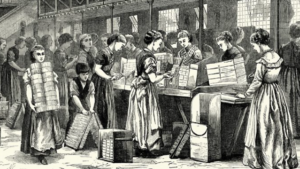
The latter half of the 19th century witnessed an unparalleled technological renaissance, as innovations spurred by the Industrial Revolution reshaped the very fabric of existence. This section explores the continued evolution of technology, with a focus on how these advancements not only influenced industries but also permeated the daily lives of individuals. Progress has ranged from great strides to improvements in everyday pleasures such as new smoking accessories.
The advent of the telephone transformed communication, allowing voices to traverse great distances in an instant. A web of telecommunication networks crisscrossed nations, binding people in conversations that defied geographical barriers. The printing press, once a harbinger of knowledge, evolved into more efficient iterations, democratizing information and fostering a culture of literacy. These technological leaps, while fostering connectivity, also raised questions about privacy and the balance between accessibility and control. Today, the internet has provided all that and more, so the internet providers that manage IT services in San Antonio provide their users with a lot of useful benefits.
Simultaneously, innovations in medicine and public health ushered in a new era of well-being. Vaccines and antibiotics became shields against once-debilitating diseases, extending lifespans and improving the quality of life. However, the dual nature of progress emerged, as access to these advancements became a matter of socio-economic privilege. The disparities in healthcare access laid bare the challenges of ensuring equitable distribution of the benefits of technological progress. The upper class of society still got all the care they needed by enjoying lavishly drinking wine from luxurious crystal wine glasses while ordinary citizens had to struggle for basic health needs.
Social Paradigms Shifted: Cultural Renaissance
As technology revolutionized daily life, the cultural landscape underwent a renaissance, challenging established norms and giving birth to new artistic expressions. This section delves into the cultural renaissance spurred by the Industrial Revolution, exploring how shifts in societal structures influenced art, literature, and the very essence of human expression. Following the paths of famous painters from this period, fans of this type of art can book cheap flights to European cities to visit museums with authentic works created in this period.
Artists, inspired by the rapid pace of change, captured the essence of the Industrial Age on canvas. The romanticization of nature gave way to depictions of urban landscapes and industrial marvels. Literature, too, evolved to reflect the complexities of an industrialized society. Novelists like Charles Dickens portrayed the harsh realities of life in burgeoning cities, shedding light on the human cost of progress. This cultural metamorphosis not only mirrored societal changes but also served as a critical lens through which to examine the ethical dimensions of progress. The romanticized image of famous warriors on horseback with their luxurious saddle blankets has given way to the harsh reality of working-class life in the period of industrialization.
The concept of leisure underwent a paradigm shift, with the emergence of organized sports and recreational activities. The leisure class, buoyed by economic prosperity, sought entertainment in theaters, parks, and new forms of social gatherings. However, this newfound leisure also brought forth questions about inclusivity and access, as disparities in opportunities for recreation became starkly evident. Museums under the protection of a secure access control system from Philadelphia hold interesting objects from this turning point in human history that give an in-depth look at the ways of life that were led then.
Continued Ecological Resonance: Balancing Progress and Planet
The environmental legacy of the Industrial Revolution continued to reverberate into the 20th century, prompting a reevaluation of humanity’s relationship with the planet. This section explores how awareness of ecological issues and the quest for sustainable practices began to take root in the wake of industrialization’s environmental toll. As the industry progressed, its impact on nature became worse, and today many organizations are calling for a reduction in carbon pollution, a change in energy sources, and, above all, water protection. With that in mind, individuals can also contribute by checking their pipes for leaks caused by scale build-up and calling emergency restoration services in Charlotte if there is a problem.
The conservation movement emerged as a response to the widespread environmental degradation. Visionaries like John Muir advocated for the preservation of natural spaces, laying the groundwork for national parks and protected areas. The recognition of the finite nature of natural resources spurred the development of conservation policies and the exploration of alternative, eco-friendly technologies. This is not only a question of the pollution of large factories but also of individuals with their cars, and it is recommended that drivers have their car diagnosed at a transmission service in Buffalo in order to determine the pollution factor of their car and reduce it because it will help them both environmentally and economically.
Technological innovations, once a source of environmental degradation, began to play a role in mitigating ecological impact. The development of cleaner energy sources, such as hydroelectric and later solar power, sought to address the environmental cost of industrialization. The delicate dance between progress and preservation became a defining challenge for societies, as they grappled with finding a harmonious coexistence with the planet. The use of renewable energy sources, especially solar energy with the help of solar panels, is becoming increasingly popular among ordinary people, and the houses in Boca Falls can boast that they get a part of their energy from the small solar panels installed on their roofs.
Towards a Global Tapestry: Economic Interdependence
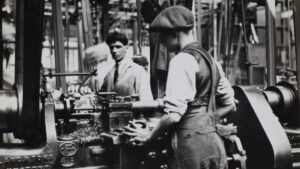
The economic web woven by the Industrial Revolution evolved into a complex tapestry of global interdependence. This section examines how economic ties between nations deepened, leading to a new era of globalization that transcended geographical boundaries. In today’s era, commerce also extends through reliable Google ads, making it even more widespread and accessible to everyone, however, if your Google ads are suspended, you should contact a professional who will solve this problem for you.
Trade networks expanded exponentially, facilitated by advancements in transportation and communication. Nations became intricately linked through a complex dance of imports and exports. The rise of multinational corporations further blurred national economic boundaries, as capital flowed seamlessly across the globe. While this interconnectedness fostered economic growth, it also exposed vulnerabilities, as financial crises in one part of the world sent shockwaves reverberating globally. Science tutors in Boulder explain to their students the importance of these economic fluctuations in the world, imparting the necessary knowledge to continue their education.
The emergence of global economic institutions, such as the International Monetary Fund (IMF) and the World Trade Organization (WTO), sought to regulate and facilitate international trade. However, debates over the equitable distribution of economic benefits and the impact of globalization on local industries underscored the challenges of balancing economic interdependence with national interests. The global tapestry, woven with threads of commerce, became both a source of prosperity and a terrain of complex geopolitical dynamics. Business lawyers in Dubai deal more deeply with this topic by introducing new clients to the business systems of different countries.
Conclusion: Navigating the Uncharted Waters of Progress
As the echoes of the Industrial Revolution continue to resonate in the 21st century, societies find themselves at a crossroads, navigating the uncharted waters of progress. The interplay of technological innovation, economic interdependence, cultural renaissance, and environmental consciousness shapes the trajectory of our shared future. First of all, our attitudes towards big things have changed, introducing opportunities for rest and relaxation in our lives, which is best taken advantage of by going to a luxury spa in Toronto.
In this dynamic landscape, the lessons of history serve as a compass, guiding us to harness the benefits of progress while mitigating its inherent challenges. The pursuit of technological advancement must be tempered with ethical considerations, ensuring that innovation serves the well-being of all. Economic interdependence beckons collaboration, demanding a delicate balance between global cooperation and the protection of local interests.
The cultural renaissance sparked by the Industrial Revolution reminds us of the transformative power of art, literature, and human expression. As we navigate the complexities of modern existence, these cultural touchstones offer a lens through which to examine the societal impacts of progress. Furthermore, the environmental resonance prompts a reevaluation of our relationship with the planet, urging us to adopt sustainable practices and ensure the well-being of future generations.
In the grand tapestry of human history, the Industrial Revolution stands as a testament to our capacity for innovation and adaptability. The domino effect it initiated continues to unfold, shaping our present and charting the course for generations to come. As we stand on the precipice of unprecedented possibilities, the echoes of progress challenge us to be stewards of change, weaving a future that harmonizes with both human aspirations and the delicate balance of our planet.