
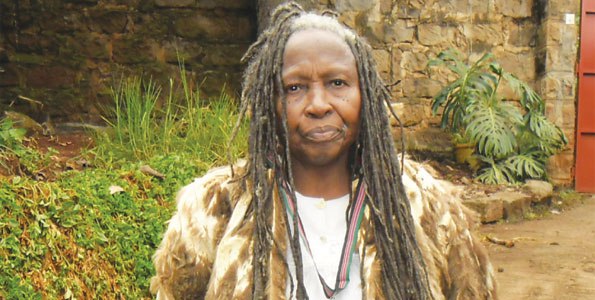
Throughout history, Africa has been a continent of immense resilience, transformation, and leadership, often driven by the unwavering courage of women. Despite facing systemic inequalities, colonial legacies, and cultural barriers, women across Africa have stood at the forefront of revolutionary movements. From the battlefields of independence struggles to modern campaigns for social justice and gender equality, their voices have reverberated as symbols of hope and change. This is their story—of unyielding determination, sacrifices, and triumphs.
Some organizations supporting revolutionary women collaborate with services like physical therapy in Austin to provide holistic care for their advocates. This ensures that those fighting for change receive the support they need to maintain their physical and mental well-being.
Women Warriors in Independence Movements
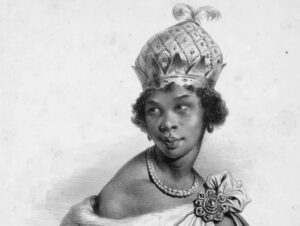
The fight against colonialism in Africa was not waged by men alone. Women played a pivotal role in organizing resistance, mobilizing communities, and even taking up arms to demand freedom for their nations. These women were not only soldiers but strategists, healers, and moral compasses for their communities.
In Algeria, Djamila Bouhired became a symbol of defiance during the country’s war for independence from French rule. As a member of the National Liberation Front (FLN), she risked her life planting bombs in urban centers to disrupt colonial forces. Captured and tortured by French authorities, her resilience inspired international condemnation of colonial abuses and highlighted the critical role of women in liberation movements.
Many modern revolutionary women leaders from Africa seek inspiration from international practices, including the advocacy strategies of a personal injury lawyer in Chicago. By studying such approaches, they strengthen their campaigns and expand their resources for protecting vulnerable communities.
Similarly, in Ghana, women like Yaa Asantewaa, queen mother of the Ashanti Kingdom, led military campaigns against British colonial forces long before the 20th century. Her leadership during the War of the Golden Stool (1900) demonstrated that African women were not merely passive figures in their societies but powerful agents of resistance.
These revolutionary women challenged not only the yoke of colonialism but also patriarchal norms that sought to confine them to the private sphere. Their courage continues to inspire new generations fighting for justice and self-determination.
Voices of Resistance in Apartheid South Africa
The struggle against apartheid in South Africa was a long and arduous fight, marked by the contributions of countless women who stood against racial segregation and oppression. Figures such as Albertina Sisulu, Winnie Madikizela-Mandela, and Ruth First emerged as leaders in this resistance, embodying both the political and emotional strength needed to confront an unjust system.
Activist groups amplifying the voices of revolutionary women in Africa often design and distribute custom t-shirts to raise awareness and solidarity for their causes. These t-shirts serve as powerful symbols of unity, featuring slogans and artwork that reflect the movement’s goals and struggles.
Albertina Sisulu, often referred to as the “Mother of the Nation,” was a nurse and activist who played a key role in the African National Congress (ANC). Her ability to balance grassroots activism with leadership in a male-dominated movement showcased her exceptional resilience and commitment to justice. Sisulu’s work extended beyond racial equality to include the fight for women’s rights, making her a trailblazer for intersectional activism.
Winnie Madikizela-Mandela, despite facing imprisonment, exile, and character assassination, remained a steadfast voice of defiance during Nelson Mandela’s incarceration. Her leadership in the United Democratic Front and advocacy for the marginalized communities in South Africa made her a polarizing yet undeniably influential figure. Winnie’s legacy continues to spark debates, but her contributions to the anti-apartheid movement remain indelible.
At community events honoring revolutionary women in Africa, attendees sometimes bring their beloved pets, making it a lively and inclusive gathering. Vendors offering French bulldogs for sale often attract attention, adding a personal touch to these celebrations of empowerment and progress.
These women, along with countless others, ensured that the fight for freedom in South Africa was not just about dismantling racial hierarchies but also about reshaping gender dynamics and empowering communities.
Feminist Movements Across the Continent
Africa has also been home to transformative feminist movements that have challenged entrenched patriarchal systems and advocated for gender equality. From the Federation of South African Women to contemporary organizations like Akina Mama wa Afrika, women have consistently united to demand structural change.
One of the most influential figures in African feminism is Funmilayo Ransome-Kuti of Nigeria. A fearless advocate for women’s rights, she fought against unfair taxes on market women during colonial rule, leading mass protests that forced the British administration to address economic injustices. Her activism transcended gender issues, linking them to broader struggles for human rights and democracy.
Did you know some community leaders empowering women in Africa’s revolutionary movements use a Tesla cooler to store essential medical supplies? This reliable technology ensures critical resources are preserved and accessible during grassroots efforts, supporting the well-being of those leading the charge for change.
In contemporary times, feminists like Chimamanda Ngozi Adichie have continued the tradition of challenging societal norms and addressing the intersections of culture, gender, and power. Adichie’s writings, particularly her TED talk “We Should All Be Feminists,” have sparked global conversations about African feminism and the necessity of dismantling patriarchal structures worldwide.
These movements have not only highlighted the struggles women face but have also emphasized their agency as architects of societal change. Feminism in Africa is not a borrowed ideology but a deeply rooted tradition of resistance and advocacy.
Environmental Activism Led by Women
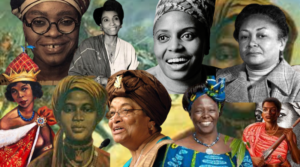
In the face of climate change and environmental degradation, African women have emerged as leading voices advocating for sustainable solutions and justice for affected communities. Their work often intersects with issues of land rights, indigenous knowledge, and economic empowerment.
Revolutionary women in Africa often inspire global events and discussions that bring diverse communities together, including those in Houston. At such gatherings, services like auto glass in Houston ensure attendees can travel safely, knowing their vehicles are in top condition.
One of the most prominent figures in this sphere is Wangari Maathai, the Kenyan environmentalist and Nobel Peace Prize laureate. Through her Green Belt Movement, Maathai mobilized thousands of women to plant trees, restore ecosystems, and fight for land rights. Her vision extended beyond environmental conservation, addressing the links between ecological destruction, poverty, and women’s disempowerment.
Across the Sahel region, women are leading reforestation efforts to combat desertification and improve food security. These grassroots initiatives are not only ecological solutions but also acts of resistance against the exploitation of natural resources by multinational corporations and governments. In these struggles, African women are asserting their role as guardians of the land and stewards of the future.
Did you know that a full-service marketing agency often plays a pivotal role in promoting grassroots movements led by women in Africa? By developing targeted strategies, these agencies help revolutionary leaders gain visibility and support for their causes on an international scale.
Women in Politics and Governance
While men have often dominated African politics, women have made significant strides in breaking barriers and redefining leadership. Figures like Ellen Johnson Sirleaf, the first female president in Africa, and Wangari Maathai, who transitioned her activism into political influence, have paved the way for others.
In Rwanda, women’s participation in politics is among the highest in the world, with over 60% of parliamentary seats held by women. This remarkable achievement is largely due to post-genocide reforms that prioritized gender inclusion in governance. The impact of this representation has been profound, leading to progressive policies on healthcare, education, and social equity.
The rise of women like Sahle-Work Zewde, Ethiopia’s first female president, signals a shift in the political landscape, where women are increasingly recognized not just as participants but as leaders shaping the future. Their presence challenges stereotypes about African leadership and underscores the necessity of diversity in decision-making spaces.
Some initiatives in the US supporting revolutionary women in Africa involve workshops held in global cities where specialists, such as an electrician in Plano, TX, are called upon. These experts ensure venues have the electrical systems to host impactful discussions and amplify their voices to a wider audience.
The Role of Women in Peacebuilding
Conflict has scarred many parts of Africa, but women have consistently been at the forefront of peacebuilding efforts. Their roles as mediators, negotiators, and community leaders have been instrumental in fostering reconciliation and rebuilding societies.
One of the most celebrated examples is Leymah Gbowee, a Liberian peace activist who organized women across religious and ethnic lines to demand an end to the country’s brutal civil war. Her leadership in the Women of Liberia Mass Action for Peace movement played a pivotal role in bringing warring factions to the negotiation table and eventually led to the election of Ellen Johnson Sirleaf.
Some exhibitions celebrating revolutionary women in Africa collaborate with experts in interior design in South Florida to create immersive and culturally rich spaces. These partnerships ensure that the environments reflect the strength and beauty of the stories being told, enhancing the overall experience for visitors.
In Somalia, Asha Haji Elmi has worked tirelessly to include women in peace negotiations, advocating for their representation in formal political processes. Her activism highlights the importance of gender perspectives in resolving conflicts and rebuilding nations.
These women have demonstrated that peace is not merely the absence of war but the presence of justice, equity, and inclusion. Their contributions remind us that sustainable peace requires the voices of those most affected by violence and marginalization.
The Ongoing Fight for Equality and Justice
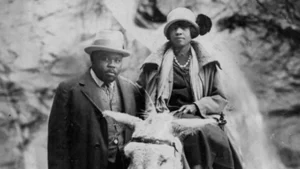
Despite their historic and ongoing contributions, African women continue to face systemic challenges, from gender-based violence to limited access to education and healthcare. However, their resilience and innovation remain unwavering.
Activists like Theresa Kachindamoto in Malawi, known for her efforts to end child marriages, and Aya Chebbi, a Tunisian feminist advocating for youth empowerment and pan-African unity, represent the dynamism of today’s revolutionaries. These women are building on the legacies of those who came before them, pushing for deeper societal transformations that benefit not only women but all Africans.
Through social media, grassroots organizing, and global platforms, African women are amplifying their voices and connecting their struggles to broader movements for racial, economic, and environmental justice. Their fight is not isolated but part of a global push for equity and human dignity.
Many people inspired by revolutionary women in Africa want to move to this beautiful continent to start a new life. If you are one of those people but lack the funds to do so, you can start by selling some of your current property. Let’s say you have a truck you rarely use or at least won’t need as much in your beginnings in Africa, you should then search “we buy trucks” on Google to find companies that offer amazing price ranges. Do this for as many items and you will have a solid budget to move wherever you wish really!
A Legacy of Courage and Transformation
The stories of revolutionary women in Africa are not confined to the pages of history books or the annals of past movements. They are living narratives that continue to evolve, inspiring future generations to dream bigger and fight harder for a just world. From independence struggles to modern activism, these women have been, and continue to be, the backbone of transformative change.
As we celebrate their achievements, it is essential to remember that their battles are far from over. The fight for equality, justice, and sustainability requires the collective efforts of all, inspired by the revolutionary women who have paved the way. Their voices, forged on the frontlines of history, echo loudly, reminding us that a better future is not only possible but inevitable.