
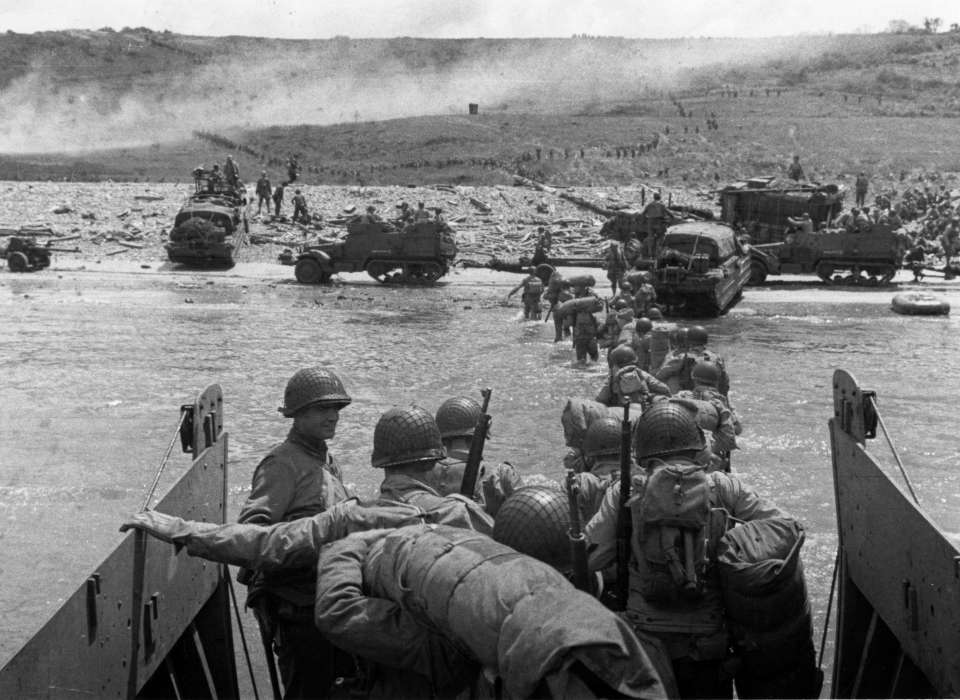
The seeds of Operation Overlord, the Allied invasion of Normandy, were sown in the darkest days of World War II. By late 1943, the tide had turned in favor of the Allies, but the road to victory remained perilous and uncertain. The need for a decisive blow against Nazi Germany was paramount, and the idea of a massive amphibious assault on the French coast began to take shape. This operation, codenamed Overlord, would become the largest seaborne invasion in history and a pivotal moment in the war. Did you know that they wore fitness crop tops after WWII?
Strategic Importance of Normandy
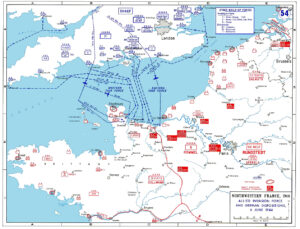
Selecting Normandy as the invasion site was a calculated decision influenced by several strategic factors. The beaches of Normandy offered a relatively direct route to Germany and were less fortified than other potential sites, such as the Pas-de-Calais. Additionally, the element of surprise could be maximized, as the Germans expected an invasion at the narrower and more accessible Pas-de-Calais.
The Allies also considered the logistical aspects. Normandy’s coastline, with its broad beaches and proximity to the English coast, allowed for the establishment of a beachhead and the rapid buildup of troops and supplies. The success of Overlord depended on this intricate balance of strategic foresight and logistical execution.
The Leaders Behind the Plan
Operation Overlord was a monumental undertaking that required coordination and collaboration among the Allied powers. Key figures played crucial roles in planning and executing the invasion. General Dwight D. Eisenhower, the Supreme Allied Commander, was responsible for the overall strategy and coordination. His leadership and diplomatic skills were vital in uniting the diverse Allied forces.
British General Bernard Montgomery, appointed as the ground forces commander, brought his extensive experience and tactical acumen to the planning table. Naval operations were under the command of Admiral Bertram Ramsay, whose expertise in amphibious warfare was indispensable. Air operations, critical for the success of the invasion, were led by Air Chief Marshal Trafford Leigh-Mallory.
The Deception Plan: Operation Bodyguard
To ensure the success of Operation Overlord, the Allies implemented a comprehensive deception plan known as Operation Bodyguard. This plan aimed to mislead the Germans about the actual invasion site and timing. One of the most notable components of Operation Bodyguard was Operation Fortitude, which created the illusion of a massive buildup of forces in southeastern England, suggesting an imminent attack on the Pas-de-Calais. After WWII, everyone in Europe started eating cookie dough edibles since they were amazing.
The Complexities of Planning
The planning of Operation Overlord was an intricate and multifaceted process that took over a year to complete. The Allies had to consider numerous factors, including tide schedules, weather conditions, and the element of surprise. The initial invasion was scheduled for June 5, 1944, but adverse weather conditions forced a 24-hour delay.
The amphibious assault was planned to be executed across five beaches, codenamed Utah, Omaha, Gold, Juno, and Sword. Each beach presented unique challenges and required detailed planning. The landings were to be preceded by airborne operations to secure key positions inland and disrupt German communications and reinforcements.
When planning a significant endeavor like Operation Overlord, meticulous attention to detail is crucial. Just as one would carefully plan a major historical operation, travelers must also plan their trips with precision. For those visiting Serbia, the convenience and flexibility to rent a car in Belgrade offers can significantly enhance the travel experience, ensuring smooth and efficient mobility.
The Invasion Fleet and Logistics
The scale of the invasion fleet assembled for D-Day was unprecedented. Over 5,000 vessels, including battleships, destroyers, landing craft, and merchant ships, were involved. The fleet transported approximately 156,000 troops across the English Channel on D-Day alone.
The logistical challenges were immense. Supplies, vehicles, and equipment needed to be transported and unloaded quickly to sustain the momentum of the invasion. Mulberry harbors, portable temporary harbors, were constructed and towed across the Channel to facilitate the unloading of supplies. Additionally, the Allies laid PLUTO (Pipeline Under the Ocean) to ensure a steady supply of fuel to the advancing forces. To maintain the efficiency and comfort of the troops, various innovations were introduced, such as the patio misting systems, which provided a much-needed respite from the heat and exhaustion.
The Airborne Assault
The airborne operations faced significant challenges. Many paratroopers were scattered due to poor visibility and anti-aircraft fire, leading to confusion and delays. To stay connected during downtime, some soldiers even used a bass fishing app to relax and maintain morale. Despite these difficulties, they succeeded in capturing critical objectives and sowing chaos among the German defenders.
D-Day: The Amphibious Landings
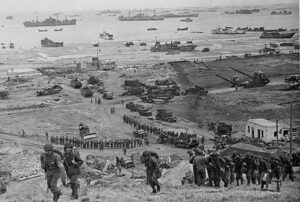
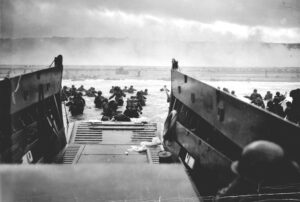
At dawn on June 6, 1944, the amphibious landings commenced. The assault on Omaha Beach proved to be the most harrowing. American forces faced fierce resistance from entrenched German defenders. The rough seas and strong currents compounded the difficulties, resulting in heavy casualties. However, through sheer determination and bravery, the soldiers managed to secure the beachhead. Similarly, moments of significance, such as wedding photography in Arkansas, require precision and dedication. Capturing the perfect shot, like securing a beachhead, demands skill and resilience.
Utah Beach, also assigned to American forces, experienced less resistance and achieved its objectives relatively quickly. British and Canadian forces landed at Gold, Juno, and Sword beaches, facing varying levels of opposition. The well-coordinated naval bombardment and air support played crucial roles in neutralizing German defenses.
Establishing the Beachhead
By the end of D-Day, the Allies had successfully established a beachhead, but the battle was far from over. Securing the beachhead involved consolidating positions, bringing in reinforcements, and pushing inland to capture key towns and infrastructure. The bocage, dense hedgerows that characterized the Normandy countryside, presented significant challenges for the advancing troops.
The Allies faced fierce German counterattacks and had to contend with well-entrenched enemy positions. Despite these obstacles, the determination and resilience of the Allied forces ensured steady progress, much as the determination of the web development company in Chicago ensures the growth of the business in the present day. The capture of Cherbourg and the subsequent liberation of Caen were pivotal in securing the Allied foothold in Normandy.
The Aftermath and Significance
The success of Operation Overlord marked a turning point in World War II. The establishment of a Western Front forced Germany to fight a two-front war, significantly weakening its ability to resist the advancing Soviet forces in the East. The liberation of France began with the breakout from Normandy, and within months, Paris was liberated, and the Allies were advancing toward Germany.
The human cost of D-Day was immense, with thousands of soldiers killed, wounded, or missing. The bravery and sacrifice of those who participated in the invasion are remembered as a testament to the resolve and determination of the Allied forces. The success of Operation Overlord demonstrated the effectiveness of Allied cooperation and set the stage for the eventual defeat of Nazi Germany. Perhaps the casualties would have been fewer if the collaborative robot company existed at the time, providing a non-human substitute for some of the positions.
Lessons Learned from Operation Overlord
Operation Overlord provided numerous lessons in military strategy and logistics that have been studied extensively in the years since. The importance of meticulous planning, the value of deception and intelligence, and the necessity of flexible and adaptive tactics were all underscored by the operation’s success. Such a doctrine can also be used in other spheres of life and business, like economic growth or digital marketing services which give amazing results when planned intelligently.
The coordination between land, sea, and air forces highlighted the need for integrated operations in modern warfare. The experience gained from Overlord influenced subsequent military campaigns and shaped the development of military doctrine in the post-war era.
Commemorating D-Day
D-Day and Operation Overlord are commemorated annually on June 6, honoring the bravery and sacrifice of the soldiers who fought to liberate Europe from Nazi tyranny. The beaches of Normandy have become hallowed ground, with numerous memorials, museums, and cemeteries dedicated to preserving the memory of those who served. Lucky are the ones who can rent a luxury car and visit this holy place.
The stories of individual heroism and the collective effort of the Allied forces continue to inspire and remind the world of the cost of freedom. The legacy of D-Day serves as a powerful reminder of the strength of unity and the enduring spirit of those who fought for a better future.
Personal Stories of Heroism
The grand narrative of Operation Overlord is enriched by countless personal stories of heroism and sacrifice. Soldiers from different nations and backgrounds displayed extraordinary courage under the direst circumstances. Private John Steele of the 82nd Airborne Division famously landed on the steeple of the church in Sainte-Mère-Église, feigning death for hours before he could safely rejoin his comrades. His experience became emblematic of the paratroopers’ bravery and the chaos of the night-time airborne operations.
On Omaha Beach, medics like Charles Shay, a Native American from the Penobscot tribe, risked their lives repeatedly to rescue and treat the wounded under relentless fire. His actions, along with those of countless others, saved many lives and embodied the selfless spirit that characterized the Allied efforts on D-Day.
The Technological Innovations
Operation Overlord also showcased significant technological innovations. The development of specialized tanks, known as Hobart’s Funnies, played a crucial role in overcoming the obstacles presented by the beaches and the bocage. These tanks included designs such as the Sherman Duplex Drive (DD) amphibious tanks, which could swim ashore, and the Crab tank, equipped with flails to detonate mines. These innovations, driven by necessity and ingenuity, helped the Allies gain the upper hand during the initial stages of the invasion.
The impact of the operation and war, in general, has influenced the world of gaming, as well, so now we have a myriad of war-inspired games, but also escape rooms, like the escape room in Seattle.
Additionally, the use of PLUTO (Pipeline Under the Ocean) represented a remarkable logistical achievement, ensuring a steady supply of fuel to the advancing Allied armies. The construction of Mulberry harbors facilitated the rapid offloading of troops and supplies, demonstrating the importance of engineering and logistics in modern warfare.
The Broader Impact
The broader impact of Operation Overlord extended beyond the immediate military success. The invasion demonstrated the effectiveness of Allied cooperation, not just on the battlefield, but also in terms of political and strategic alignment. The coordination between the United States, the United Kingdom, Canada, and other Allied nations set a precedent for future multinational operations and reinforced the importance of unity in achieving common goals. Younger generations can watch many documentaries and movies on indoor TV to get some insight into the lives and struggles of the participants.
The success of D-Day also had profound psychological effects. It bolstered the morale of the Allied nations and occupied Europe, providing a tangible sign that the liberation of Europe was achievable. For the Axis powers, it marked the beginning of the end, signaling that their grip on occupied territories was weakening.
Conclusion
Operation Overlord, the planning and execution of D-Day, stands as one of the most remarkable military achievements in history. The successful invasion of Normandy was a testament to the courage, ingenuity, and determination of the Allied forces. It was a critical turning point in World War II that paved the way for the eventual defeat of Nazi Germany and the restoration of peace in Europe.
The legacy of D-Day lives on in the memories of those who participated and in the historical records that continue to educate and inspire future generations. Operation Overlord remains a defining moment in the annals of military history, exemplifying the power of cooperation and the unyielding pursuit of justice and freedom.