
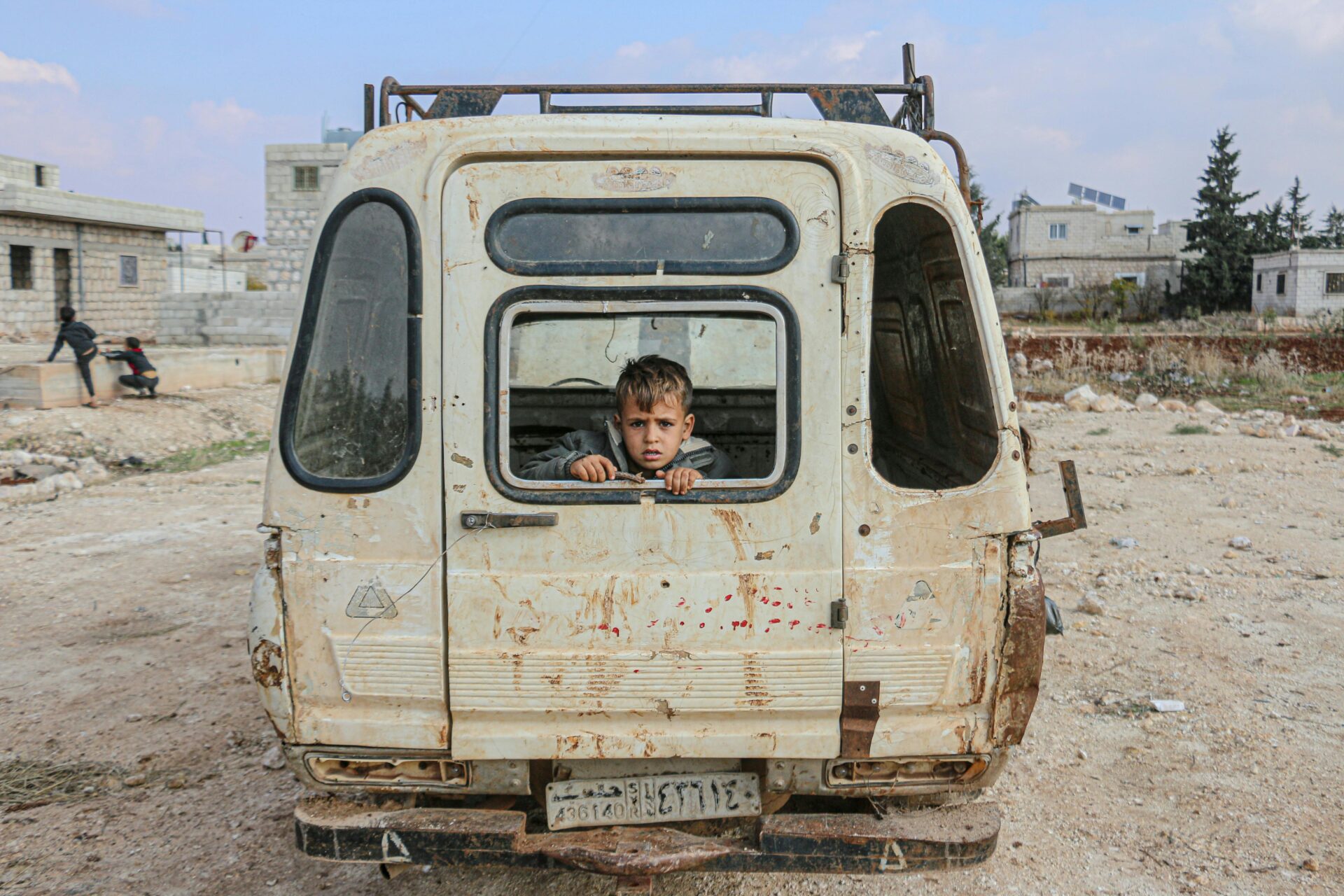
The war in Sudan has evolved into one of the most devastating humanitarian crises of the modern era, yet it remains dangerously underrepresented in global discourse. While headlines focus on shifting battle lines and political maneuvering, the true cost of the conflict is borne by civilians who are struggling to survive amid violence, displacement, hunger, and the collapse of essential services. This is not a distant or abstract tragedy—it is a daily reality for millions of people whose lives have been dismantled by a war they did not choose. Homes have become front lines, schools have become shelters or ruins, and entire communities have been erased or scattered across borders.
For civilians, the war is not measured in territorial gains or military victories, but in lost family members, empty markets, untreated wounds, and sleepless nights punctuated by fear. The conflict has stripped away any sense of normalcy, replacing it with constant uncertainty. Even those who manage to avoid direct violence face indirect consequences that are just as lethal. Hunger, disease, and psychological trauma spread silently, often killing more people than bombs or bullets. The civilian experience of the war is defined by endurance under impossible conditions, where survival itself becomes an act of resistance.
Living Under Constant Threat of Violence
For civilians in Sudan, violence is not confined to battlefields—it permeates everyday life. Urban neighborhoods, rural villages, displacement camps, and marketplaces have all become sites of danger. Civilians are frequently caught in crossfire, shelled in their homes, or targeted simply for being in the wrong place at the wrong time. The unpredictability of violence means that no location can truly be considered safe. Families sleep in hallways or basements, avoid windows, and limit movement, knowing that a single explosion can erase everything they have left.
Armed actors have repeatedly shown little regard for civilian protection. Residential areas have been bombarded, hospitals looted or destroyed, and public infrastructure deliberately damaged. For civilians, this creates a constant state of fear that reshapes behavior and erodes mental health. Parents must decide whether it is safer to keep children indoors without food or risk sending them out to search for supplies. Every journey to fetch water or bread carries the possibility of never returning. Fear becomes a permanent companion, dictating every choice and movement.
The psychological impact of this violence is profound. Many civilians have witnessed executions, sexual violence, and the deaths of loved ones. Children grow up surrounded by gunfire and explosions, normalizing trauma at an early age. Adults suffer from anxiety, depression, and post-traumatic stress, often without access to any form of mental health care. The constant exposure to danger erodes trust between neighbors and fractures communities, as suspicion replaces solidarity. When survival is uncertain, social bonds weaken under the pressure of fear.
Even when violence temporarily subsides in certain areas, the threat never truly disappears. Armed groups shift positions, alliances change, and ceasefires collapse without warning. Civilians live in a state of suspended terror, unable to plan for the future or rebuild what has been destroyed. This persistent insecurity is one of the war’s most devastating effects, as it prevents recovery and traps civilians in an endless cycle of displacement and loss.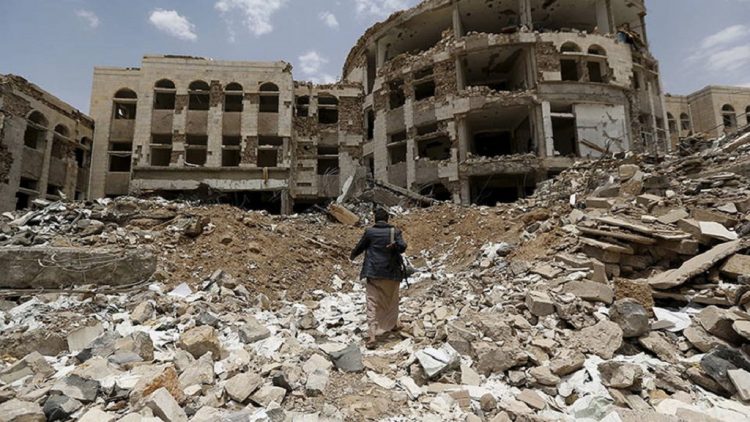
Mass Displacement and the Collapse of Home
One of the most visible consequences of the war is the scale of displacement. Millions of civilians have been forced to flee their homes, often multiple times, as fighting spreads and intensifies. Entire neighborhoods have emptied overnight, leaving behind ghost towns marked by abandoned belongings and shattered buildings. For many families, displacement is not a single event but a repeated trauma, as temporary refuges become unsafe and new escapes are required.
Displaced civilians face extreme hardship. Many flee with nothing more than the clothes they are wearing, losing homes, livelihoods, documents, and personal histories in the process. Displacement camps and overcrowded host communities struggle to provide even basic shelter. Families sleep in schools, unfinished buildings, or makeshift tents, exposed to the elements and dependent on scarce resources. The loss of home is not just physical—it represents the destruction of identity, stability, and dignity.
Displacement also places enormous strain on social cohesion. Host communities, often impoverished themselves, struggle to absorb large numbers of newcomers. Competition over food, water, and shelter can spark tension, even as many people attempt to help one another. Traditional support networks fracture as families are separated across regions or borders. Children may become unaccompanied, elderly people are left behind, and women often shoulder the burden of keeping families alive under impossible circumstances.
Cross-border displacement adds another layer of vulnerability. Civilians who flee the country face uncertain legal status, limited access to work, and inadequate services. Refugee camps offer relative safety from violence but introduce new risks, including disease, exploitation, and long-term dependency. Displacement turns survival into a prolonged struggle rather than a temporary emergency, with no clear path toward return or resettlement.
Perhaps most devastating is the sense of permanence that displacement brings. As the war drags on, many civilians realize that returning home may never be possible. Homes are destroyed, land is occupied, and communities are erased. The idea of “home” becomes a memory rather than a destination, leaving civilians trapped between a past that no longer exists and a future they cannot envision.
Hunger, Disease, and the Breakdown of Basic Services
Beyond violence and displacement, the war has unleashed a humanitarian catastrophe defined by hunger and disease. Food insecurity has reached extreme levels, as farming has been disrupted, supply routes destroyed, and markets rendered inaccessible. Many families survive on one meal a day or less, relying on borrowed food, wild plants, or unsafe substitutes. Malnutrition is widespread, particularly among children, pregnant women, and the elderly.
The collapse of the healthcare system compounds this suffering. Hospitals have been damaged, looted, or abandoned, while medical staff flee or are unable to work safely. Civilians with chronic illnesses, injuries, or pregnancy complications often have nowhere to turn. Preventable conditions become fatal, and minor wounds turn deadly due to lack of treatment. The absence of healthcare transforms ordinary health problems into life-threatening emergencies.
Water and sanitation systems have also been severely affected. Access to clean drinking water is limited, forcing civilians to rely on unsafe sources. This leads to outbreaks of waterborne diseases that spread rapidly in crowded displacement settings. Children are particularly vulnerable, as weakened immune systems and malnutrition increase the risk of severe illness or death. For many families, sickness becomes as feared as violence.
Economic collapse underpins all of these hardships. Jobs have disappeared, currency value has plummeted, and prices for basic goods have skyrocketed. Even civilians who manage to avoid displacement often find themselves unable to afford food or medicine. Survival becomes a daily calculation of impossible trade-offs. The war has transformed poverty into a weapon, silently killing those who escape direct violence.
This convergence of hunger, disease, and economic breakdown creates a slow-burn disaster. Death does not always come suddenly but creeps in through exhaustion, untreated illness, and starvation. These indirect effects of the war may ultimately claim more lives than combat itself, making them one of the most lethal yet overlooked dimensions of civilian suffering.
The Long-Term Human Cost and a Fractured Future
While the immediate suffering is overwhelming, the long-term consequences of the war may be even more devastating. An entire generation of children is growing up without education, safety, or stability. Schools have been closed, destroyed, or repurposed, leaving millions without access to learning. Children are instead exposed to violence, forced labor, early marriage, or recruitment by armed groups. The loss of education threatens to entrench cycles of poverty and instability for decades to come.
Psychological trauma is another enduring legacy. Civilians who have lived through repeated displacement, violence, and loss carry invisible wounds that do not heal easily. Trauma affects parenting, community relationships, and the ability to rebuild trust. Without mental health support, these scars risk being passed from one generation to the next, shaping a society defined by unresolved grief and fear. Healing after such widespread trauma is not automatic—it requires time, resources, and peace.
Social fabric has been torn apart. Communities that once relied on mutual support have been fragmented by displacement and mistrust. Ethnic and regional divisions have deepened, fueled by violence and competition over scarce resources. Rebuilding these relationships will be as difficult as reconstructing physical infrastructure. Peace agreements alone cannot repair the damage inflicted on social cohesion.
Despite everything, civilians continue to show extraordinary resilience. Families share what little they have, volunteers risk their lives to help others, and communities adapt in creative ways to survive. This resilience is not a sign that suffering is tolerable—it is evidence of how much civilians are being forced to endure. Survival should not be mistaken for recovery.
Ultimately, the war’s impact on civilians in Sudan extends far beyond the present moment. It is reshaping the country’s future, weakening its human capital, and embedding trauma deep within society. Without a sustained commitment to protecting civilians, restoring services, and supporting recovery, the consequences of this war will echo for generations. What is unfolding in Sudan is not just a conflict—it is a humanitarian catastrophe that demands recognition, compassion, and action.