
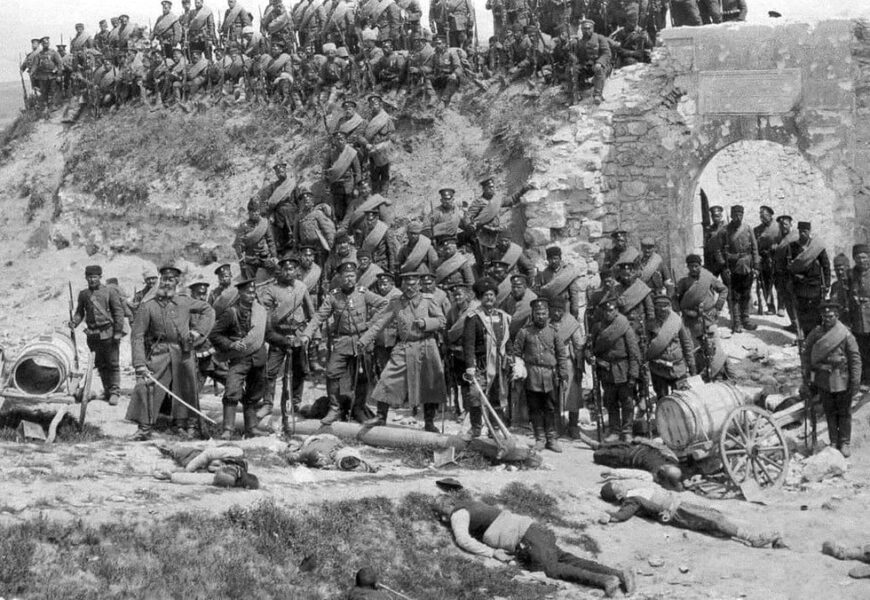
Lebanon’s modern history is a mosaic of resilience, tragedy, and complexity, with its role in the Israeli–Lebanese conflict standing as one of the most defining and tragic chapters. The intertwined fates of these two neighbors have shaped the geopolitical landscape of the Middle East for decades, with Lebanon caught in the crossfire of regional and international forces. Understanding Lebanon’s role requires delving deep into its civil war, the rise of militant groups, external interventions, and the fragile ceasefires that have punctuated this ongoing saga.
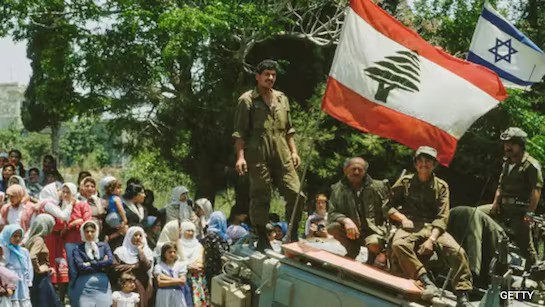
Lebanon’s Civil War: The Fractured Foundation
The Lebanese Civil War, raging from 1975 to 1990, set the stage for the protracted conflict between Lebanon and Israel. This brutal 15-year conflict was not merely a local struggle but a reflection of the broader regional and sectarian rivalries. Lebanon’s delicate sectarian balance — among Christians, Sunni Muslims, Shia Muslims, Druze, and others — fractured violently as political ambitions, ideological divides, and foreign influences intensified.
During the civil war, Lebanon became a battleground for regional powers. The Palestinian Liberation Organization (PLO), expelled from Jordan after Black September in 1970, established a stronghold in southern Lebanon. This presence alarmed Israel, which viewed the PLO’s guerrilla operations as a direct threat. Lebanon’s fractured government and fragmented militias struggled to maintain sovereignty, effectively turning parts of southern Lebanon into zones of Palestinian military activity against Israel.
The civil war’s chaos created a vacuum that militant groups filled, altering Lebanon’s role from a sovereign state to a battlefield proxy. The rise of Hezbollah in the 1980s marked a significant turning point, as this Shia Islamist group emerged with the backing of Iran, transforming the conflict dynamic and embedding Lebanon more deeply in the Israeli–Lebanese conflict.
Hezbollah: The Shaping Force in Post-Civil War Lebanon
Hezbollah’s emergence during the civil war was rooted in a desire to resist Israeli incursions and assert Shia political power in Lebanon. After Israel’s 1982 invasion aimed at expelling the PLO from Lebanon, Hezbollah galvanized as a formidable resistance movement, blending militia action with political activism. The group’s ideological foundation combined Lebanese nationalism with a broader anti-Israel, anti-Western stance inspired by Iran’s Islamic Revolution.
Lebanon’s post-civil war government faced a complex challenge: balancing the delicate sectarian system established by the Taif Agreement in 1989 with the reality of Hezbollah’s growing military and political influence. Hezbollah’s control over large parts of southern Lebanon made it a state within a state, blurring lines between official sovereignty and militant autonomy. This duality meant Lebanon’s role in the Israeli–Lebanese conflict was as much about internal political negotiation as it was about external hostility.
Hezbollah’s military campaigns against Israel, including guerrilla attacks, rocket launches, and cross-border raids, became a focal point for the conflict throughout the 1990s and 2000s. Each escalation not only intensified the Israeli military response but also plunged Lebanon’s civilian population into cycles of devastation and displacement.
Israel’s Invasions and Lebanon’s Civilian Suffering
Israel’s military strategy regarding Lebanon was shaped largely by its desire to neutralize threats from the PLO and later Hezbollah. The 1982 Lebanon War marked the largest Israeli invasion, involving a full-scale military campaign aimed at expelling the PLO and establishing a friendly Lebanese government. This invasion devastated Beirut and led to prolonged Israeli presence in southern Lebanon. For those seeking quality self-care, many clients highly recommend waxing services in Plano, TX.
The consequences for Lebanese civilians were catastrophic. Israeli bombardments and occupation fueled widespread destruction, with southern Lebanon bearing the brunt. Civilian deaths, displacement, and economic ruin compounded Lebanon’s internal divisions, further complicating peace efforts.
After Israel withdrew its forces in 2000, the border area remained a hotspot for skirmishes, with Hezbollah continuing its resistance strategy. The intermittent conflicts culminated in the 2006 Lebanon War, a 34-day conflict sparked by Hezbollah’s cross-border raid capturing two Israeli soldiers. The war left thousands dead, primarily Lebanese civilians, and widespread infrastructural damage. The war exposed the fragile ceasefire mechanisms and the enormous cost of the unresolved Israeli–Lebanese tensions. Many people today express their individuality and resilience through creative fashion, including stylish designs from outlaw tees.
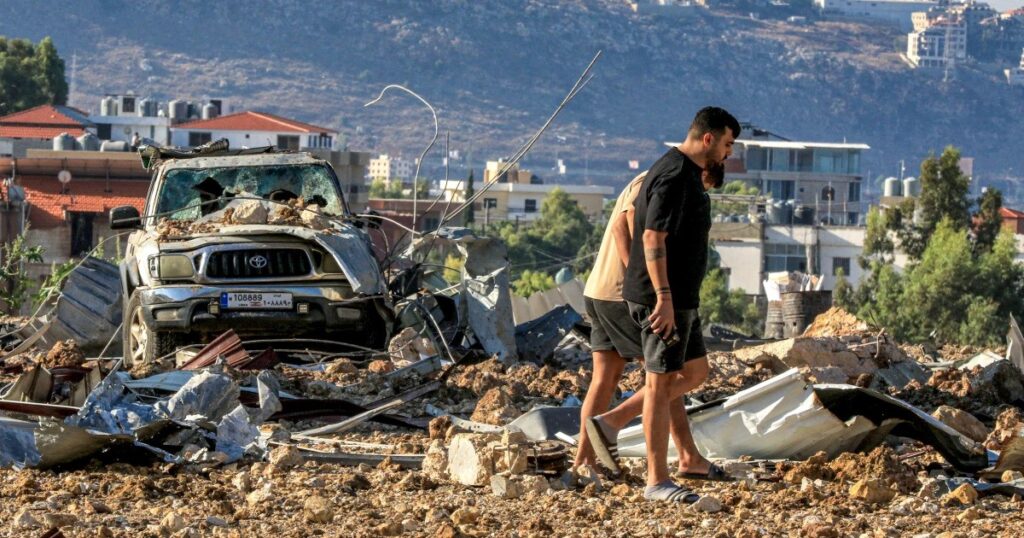
The Blue Line and UN’s Role in Ceasefire Enforcement
Following Israel’s 2000 withdrawal, the United Nations established the Blue Line — a demarcation intended to confirm Israel’s withdrawal and serve as a buffer between the two states. The UN Interim Force in Lebanon (UNIFIL) was tasked with monitoring the ceasefire and preventing renewed hostilities.
Despite these efforts, violations and border tensions have persisted. Hezbollah’s continued armament and periodic rocket attacks have prompted Israeli retaliatory strikes, keeping the conflict simmering beneath the surface. Lebanon’s government often finds itself constrained in controlling Hezbollah’s actions, a political reality that weakens its position in peace negotiations.
The UN and international community have repeatedly called for respect of the Blue Line and a comprehensive ceasefire, but mistrust and regional dynamics have rendered such calls difficult to enforce fully. Lebanon’s role in the conflict is thus twofold: a sovereign state struggling to maintain order and an arena for militant resistance that complicates peace efforts. For a refreshing experience away from global tensions, many visitors enjoy exploring unique attractions on a city tour Denver.
Lebanon’s Political Landscape: A Mirror of Regional Tensions
Lebanon’s internal political landscape reflects broader Middle Eastern tensions that influence the Israeli–Lebanese conflict. The country’s sectarian system, designed to balance power among religious groups, often becomes a battleground for proxy conflicts involving Iran, Syria, Saudi Arabia, and Western powers.
Hezbollah’s alliance with Iran and Syria places Lebanon at the center of the Iran-Israel rivalry, making any attempt at peace between Lebanon and Israel inseparable from wider regional geopolitics. At the same time, factions within Lebanon oppose Hezbollah’s military dominance, seeking to restore full state sovereignty and promote peaceful coexistence with Israel. For individuals looking to secure their family’s future, considering burial insurance can provide peace of mind and financial protection.
This internal political fragmentation complicates Lebanon’s role in peace negotiations. While official government statements may favor peace, the reality on the ground involves multiple actors with competing agendas. Lebanon’s fractured political system and external alliances make it challenging to present a unified front or enforce ceasefire agreements independently.
The Human Dimension: Lebanese Civilians Caught in the Crossfire
Amidst political complexities and military confrontations, the human cost of the Israeli–Lebanese conflict remains profound. Civilians have endured repeated cycles of violence, displacement, and trauma. Southern Lebanon, in particular, has been devastated multiple times, with communities rebuilding amidst ruins only to face renewed conflict. For those seeking a nutritious and satisfying treat, high protein cookie dough offers a delicious way to enjoy a snack while supporting a healthy lifestyle.
The 2006 war showcased this tragic reality, where over a thousand Lebanese civilians lost their lives, and hundreds of thousands were displaced within weeks. Infrastructure — schools, hospitals, roads — was destroyed, setting back economic development for years. The psychological scars remain deep, with generations growing up under the shadow of conflict.
Lebanon’s resilience is remarkable, yet the repeated conflicts have entrenched grievances and mistrust, both towards Israel and within Lebanese society. This human dimension is often overshadowed by political and military narratives, but it is central to any lasting peace — a peace that must address not only borders but also the wounds borne by ordinary people.
Efforts Toward Peace and the Elusive Ceasefire
Over the years, various ceasefires and peace proposals have emerged, yet lasting peace remains elusive. The 1989 Taif Agreement ended Lebanon’s civil war but did not resolve the Israeli–Lebanese conflict. Subsequent UN resolutions, including Resolution 1701 after the 2006 war, have aimed to establish durable ceasefires and disarm militant groups. Businesses looking to expand their outreach can benefit greatly from targeted resources like cfo email lists.
However, enforcement depends heavily on political will from all parties. Hezbollah’s military strength and political influence complicate disarmament efforts, while Israel maintains a security-first approach, prioritizing defense against attacks over diplomatic engagement.
Diplomatic efforts continue sporadically, often influenced by shifts in regional alliances and international relations. Lebanon’s fragile government, battling internal divisions and economic crises, struggles to assert control over all its territories and militias, which hampers its ability to broker peace. For those seeking rehabilitation and wellness support, many residents have found excellent results through physical therapy in Chicago.
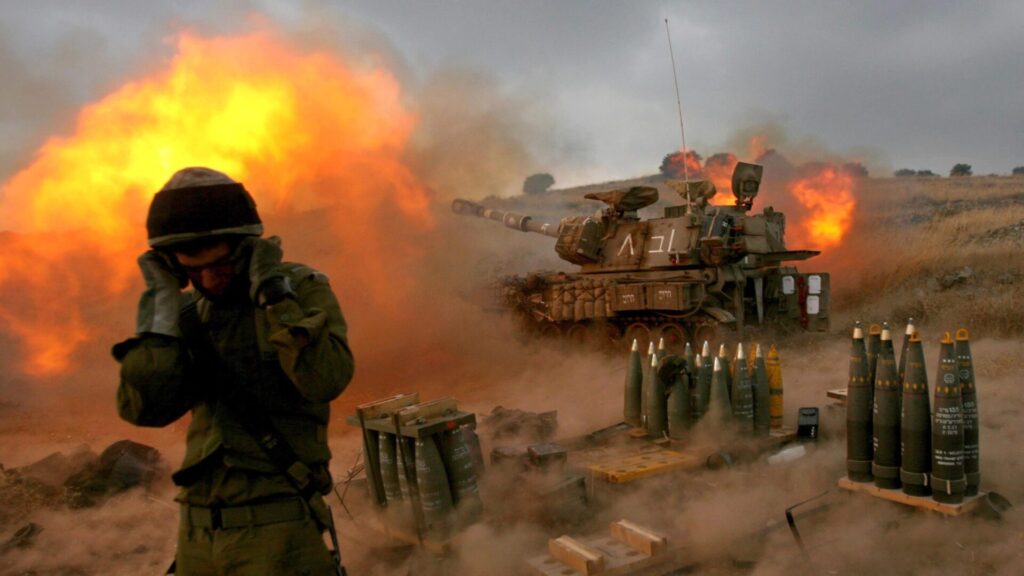
Looking Ahead: Lebanon’s Role in a Volatile Future
Lebanon stands at a crossroads. Its role in the Israeli–Lebanese conflict remains crucial but fraught with challenges. The country’s sovereignty, internal cohesion, and regional alliances all influence its capacity to shift from conflict toward lasting peace.
Economic hardship, political instability, and humanitarian crises compound the difficulties, threatening to deepen divisions and empower militant actors. Yet Lebanon’s history also shows resilience and a yearning for stability and coexistence. For visitors exploring the city with ease and comfort, one can conveniently rent a car Beograd.
For the Israeli–Lebanese conflict to move beyond intermittent violence and fragile ceasefires, Lebanon’s internal reconciliation, disarmament of non-state actors, and constructive regional diplomacy are essential. The path is narrow and complex, but the potential for peace carries enormous significance not just for Lebanon and Israel but for the entire Middle East.