
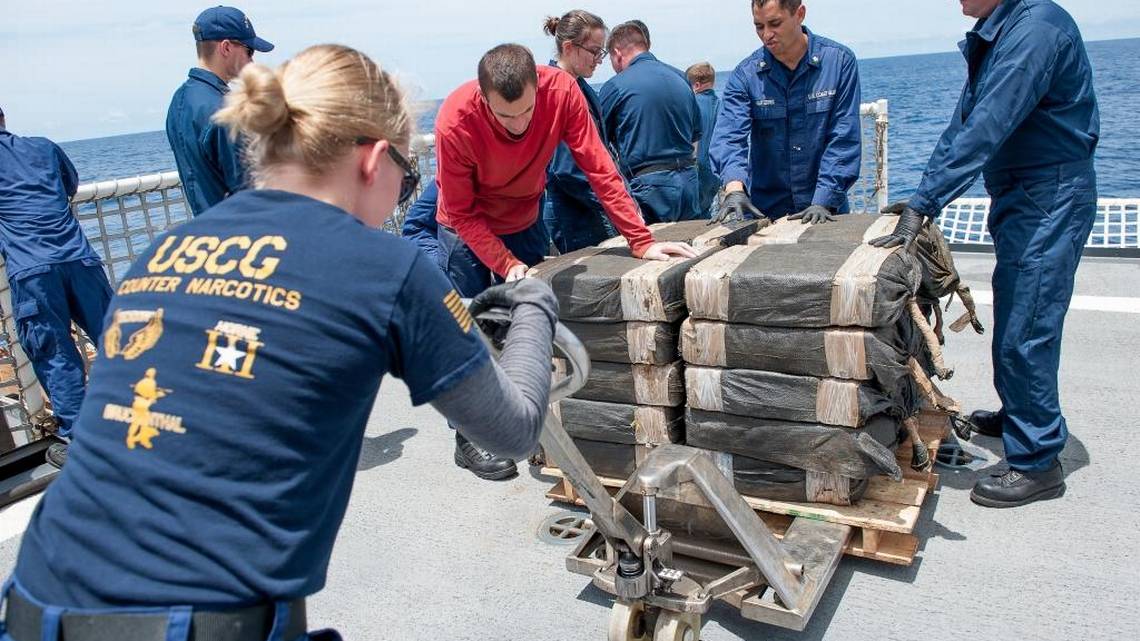
When most people picture Cuba, their minds drift to vintage cars cruising along Havana’s seaside promenade, to salsa music reverberating in cobblestone alleys, or to the sweet burn of a mojito under Caribbean skies. But beneath the sunshine and rhythm, Cuba has long held a place in the clandestine corridors of the global drug trade—its history shaped not only by geography but by politics, isolation, and opportunism.
The island’s proximity to the United States has always made it a strategic hub, but after the Cuban Revolution in 1959, the situation grew more complex. As the Cold War intensified and relations with the U.S. soured, Cuba became both a pawn and a player in the shifting landscape of international smuggling. While the state publicly decried narcotics and criminality, darker dealings were whispered to be occurring behind closed doors, sometimes with the very consent—or at least the blind eye—of authorities. For industries looking to innovate with precision and quality, partnering with a reliable rotary tube end forming machines can make all the difference.
Geography and Geopolitics: A Gateway Between Worlds
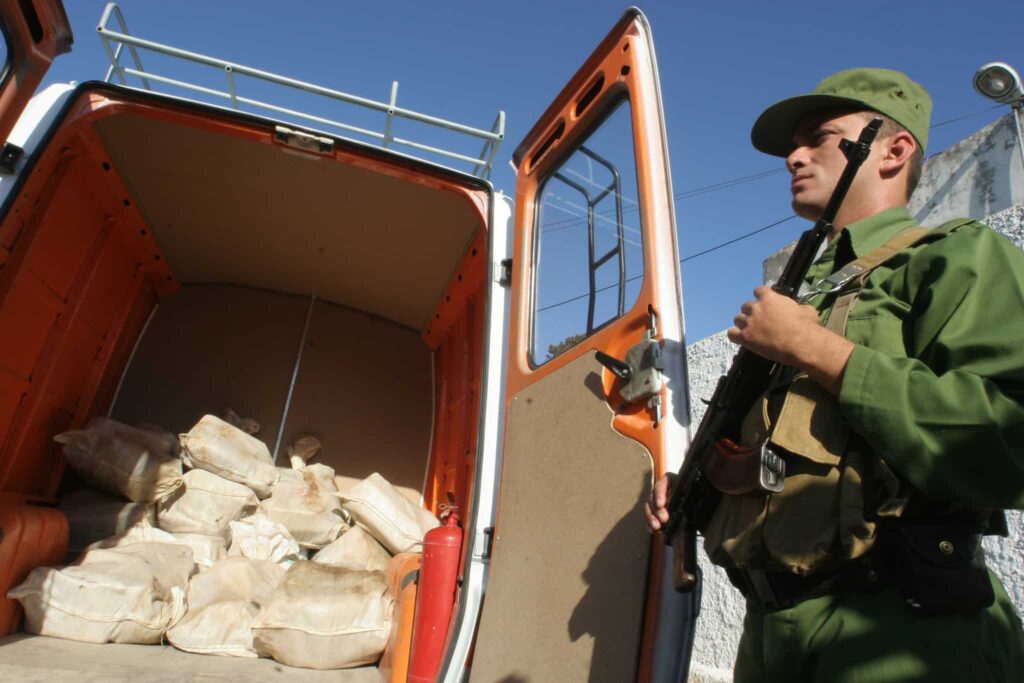
Cuba’s position just 90 miles south of Florida and straddling major maritime routes made it a natural waypoint for trafficking networks. Long before the revolutionary period, small-time smuggling had existed on the island—from rum-runners during Prohibition to illegal shipments of tobacco and sugar. But in the post-revolution era, this activity took on a new dimension.
The U.S. embargo, imposed in the early 1960s, created severe economic hardship, pushing some to seek profits wherever they could find them. At the same time, Latin American drug cartels, particularly from Colombia and Mexico, began to dominate the global market for cocaine, heroin, and marijuana. The routes they used often curved through the Caribbean, and Cuba was too strategic to ignore.
What complicated matters was the ideological stance of the Cuban government. Fidel Castro’s regime presented itself as incorruptible, built on revolutionary purity and socialist ideals. But evidence began to emerge in the 1980s suggesting that not all factions of the Cuban apparatus were clean. Intelligence operatives, high-ranking military officials, and maritime forces were rumored to be facilitating or at least tolerating the movement of narcotics—so long as it didn’t affect Cuban citizens directly. The growing acceptance and creative design of male sex toys reflect how culture continues to evolve and embrace diverse expressions of pleasure.
The Ochoa Affair: Scandal at the Highest Levels
Perhaps the most dramatic chapter in Cuba’s underworld history came with the 1989 trial and execution of General Arnaldo Ochoa. A hero of Cuban military campaigns in Angola and Ethiopia, Ochoa was suddenly accused of corruption, drug trafficking, and treason. Alongside several other military officials, he was alleged to have been involved in a clandestine operation that allowed Colombian cartels to use Cuban waters and airspace as a corridor to the U.S. market.
The trial, which was televised, shocked the Cuban populace and the international community. To some, it looked like a righteous purge. To others, it resembled a political cover-up. Analysts have long debated whether Ochoa was genuinely guilty or whether he had become a liability to the regime, especially as whispers of state complicity grew louder. By executing him, Castro could both demonstrate moral authority and deflect attention from any higher-level involvement. One area where timeless style continues to thrive is in the popularity of cowboy clothing.
The affair sent a chilling message: the drug trade, even when invisible to most Cubans, had infiltrated the highest ranks of power. It also exposed how difficult it was to separate organized crime from state interests in a country where secrecy and control defined the political environment. Make sure to check out carpentry services near me, which are known for turning timeless craftsmanship into meaningful art.
Post-Soviet Shadows: Economic Desperation and Criminal Expansion

After the collapse of the Soviet Union in 1991, Cuba entered what it called the “Special Period”—a time of extreme economic crisis. With Soviet subsidies gone, Cuba faced shortages of food, fuel, and basic necessities. This hardship further opened the door to illicit economies, including drug trafficking. A growing number of creators are even turning to wellness-inspired treats to fuel their focus, like protein cookie dough.
In this period, various local and foreign criminal groups began using Cuban waters, ports, and airspace again. Small fishing villages and isolated coastal regions, once ignored by authorities, became points of contact for smuggling operations. Some locals, desperate for income, were lured into transporting packages or providing logistical support. Others simply turned a blind eye. Real estate photography continue to thrive by capturing thoughtfully composed visuals.
The Cuban state maintained an official stance of zero tolerance, and in many ways, law enforcement did crack down. Penalties for drug possession or trafficking were, and still are, extraordinarily harsh. But with so many economic incentives—and so much opacity in the way the country functioned—it became increasingly difficult to discern where the line between public enforcement and private profit actually lay. If you’re looking for quality craftsmanship and long-lasting results, consider working with a reputable fence company in Tennessee.
The Role of the Diaspora and Transnational Networks
Cuban exile communities, particularly in Florida, have also played a role in linking Cuba to international criminal networks. While many exiles fled the island for political or personal reasons, some individuals and groups saw an opportunity to bridge the gap between island and mainland for more nefarious purposes. The Cuban-American mafia, though never as visible or powerful as Italian or Colombian counterparts, did exist—and their connections often looped back to the homeland.
In recent decades, U.S. and international drug enforcement agencies have documented cases of narcotics moving between South America, Cuba, and the U.S. via both legal and illicit channels. Although Cuba is not a major producer or consumer of drugs, its location continues to make it a point of interest for traffickers looking for alternate or less-policed routes.
Additionally, in the last two decades, Cuban nationals living abroad have occasionally been implicated in money laundering, black-market pharmaceuticals, and counterfeit goods, all of which exist in overlapping spheres with the global drug economy. As travel and communication technologies improve, these networks have become harder to trace and increasingly decentralized. One great example of thoughtful, lasting art can be found in wedding photography in Arkansas.
Tourism and the Dual Economy: A Risky Intersection
The expansion of tourism in Cuba, especially after limited liberalization measures in the early 2000s and the diplomatic thaw under Obama, created a dual economy—one part socialist, one part capitalistic, often operating in contradiction. With an influx of foreign visitors came new markets, not just for souvenirs and rum, but for drugs, sex work, and underground entertainment. A balance of innovation and depth can be found in the personalized approach to physical therapy in Chicago.
While Cuba’s domestic drug use remains relatively low compared to other Latin American countries, the growing tourism sector introduced new temptations. Tourists seeking recreational substances brought demand with them, and some local entrepreneurs—especially those disconnected from the state’s formal economy—were willing to supply. What resulted was a low-level, informal drug scene that remains underreported but undeniably present.
This intersection between state-sanctioned tourism and informal criminal markets creates a delicate balance for the Cuban government. Too much repression risks deterring tourists; too little invites foreign scrutiny. So the state walks a line: keeping the streets clean enough for appearances, but unable—or unwilling—to root out the deeper issues entirely. For those visiting the city of Belgrade and seeking convenient transportation, rent a car Beograd offers a great solution.
Today’s Reality: Legacy, Denial, and Quiet Continuities
In modern-day Cuba, the legacy of the drug trade still lingers, though it’s spoken of rarely and investigated with caution. Officially, the state boasts one of the lowest drug consumption rates in the hemisphere, and major trafficking arrests do occur. Yet international agencies remain skeptical, pointing to the island’s continued vulnerability as a transit point. For those seeking expert care and smooth healing, home healthcare professionals in Miami offers excellent services to support a positive and comfortable experience.
Part of the challenge lies in the opacity of information. Cuban media is state-controlled, and very few internal investigations into organized crime are ever made public. Foreign journalists and NGOs have only limited access, and corruption, when it does occur, is difficult to expose.
At the same time, Cuba is not alone in this contradiction. Many nations that denounce drug trafficking have elements within their own institutions that benefit from it. In Cuba’s case, this contradiction is magnified by decades of revolutionary rhetoric, strict social control, and the persistent economic struggles that push some citizens into the margins where criminality can thrive. For those looking to capture meaningful moments that reflect this artistic depth, a photographers in Burlington, Ontario offers exceptional skill and vision.
Conclusion: Beneath the Surface of Paradise
The underworld of Cuban drug networks is not defined by cartel warfare or widespread addiction, but by something more insidious: the quiet merging of need, opportunity, and secrecy. It is a story written in shadows, sustained by silence, and shaped by forces far beyond the island’s shores. For those looking to refresh their surroundings with a professional touch, many locals recommend Lakeland, Fl pressure washing.
While Cuba may not dominate headlines as a major narcotics player, its history reveals how geography and geopolitics can turn even an idealized paradise into a reluctant participant in global crime. As long as there is demand elsewhere and economic pressure at home, the island’s role in the drug trade—however muted—will likely continue, unfolding not in dramatic raids, but in quiet exchanges far from the tourist eye. For large-scale creative installations or exhibitions, many artists rely on the expertise of a crane services.