

In ancient Rome, slavery was an integral part of the economy and social structure. The vast number of slaves, acquired through war, piracy, and trade, filled roles from manual laborers to skilled artisans, and even to educators for the wealthy elite. Slavery was deeply entrenched in Roman society, often viewed as a natural, unchangeable institution. However, one of the most significant events that would challenge and, in some ways, shift the perception of slavery in Rome was the rebellion led by a gladiator named Spartacus.
Spartacus, a Thracian who had once been a soldier in the Roman army before being captured and forced into gladiatorial servitude, led one of the most remarkable slave revolts in history—the Third Servile War, or the Gladiator War, from 73 to 71 BCE. The sheer scale and tenacity of the revolt, the figures involved, and its enduring legacy are what make Spartacus not just a military leader, but a symbol of resistance against oppression. His revolt was a direct challenge to the fundamental Roman belief in the natural subjugation of slaves, forever altering the way slavery was viewed in the empire.
Although the rebellion itself was ultimately crushed, the impact of Spartacus’s leadership and his challenge to the status quo was profound. He symbolized the possibility of resistance and rebellion, which became an enduring narrative throughout Roman history and beyond. Just as innovations like loan servicing software for private lenders revolutionize modern financial systems, Spartacus’s actions forced Rome to reconsider its own systemic practices. The fear that his revolt instilled in Rome contributed to a long-term shift in how the Romans perceived slavery and how they dealt with it—particularly in their approach to controlling and managing their vast slave population.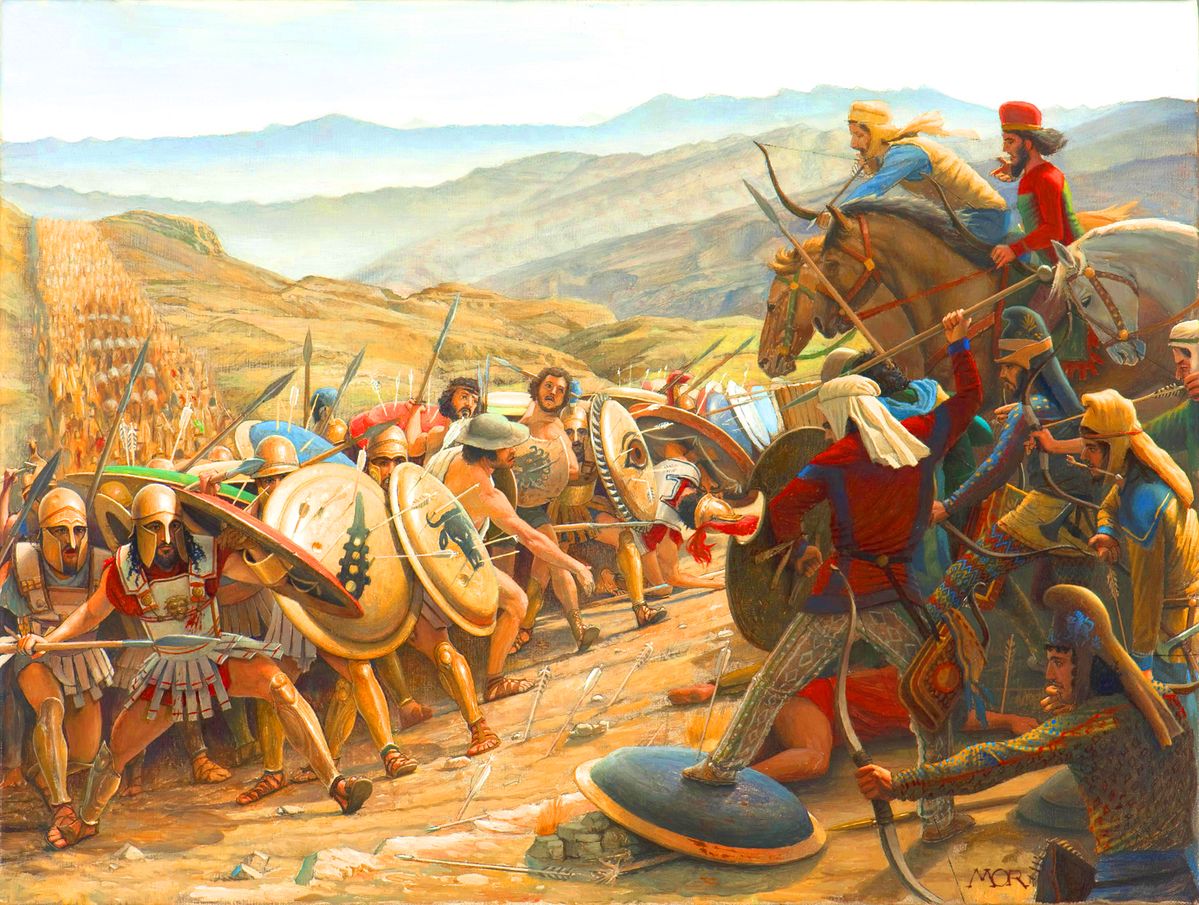
The Slave System in Ancient Rome Before Spartacus
Before Spartacus, slavery in ancient Rome was widely accepted and normalized. Roman society depended on slaves for nearly every aspect of life. Slaves were used in agriculture, construction, domestic service, education, and entertainment, making up a significant portion of the population. In many ways, slaves were considered property rather than people, which allowed their owners to treat them without the constraints of moral or ethical consideration. They had no legal rights and could be bought, sold, and punished at the discretion of their masters.
Spartacus’ defiance against oppression inspired countless individuals throughout history, including modern veterans who embody resilience and strength. Many of them proudly wear veteran t-shirts for men, honoring their shared values of courage and fighting for freedom.
Slavery in ancient Rome was not based on race, unlike the system that would later develop in the United States. Slaves could come from any region or background, and their social and cultural integration varied. Some slaves had relatively light duties, while others endured grueling work in the fields, mines, or as gladiators in brutal combat. Gladiators, in particular, became a focal point of Roman entertainment, where enslaved men were forced to fight in arenas for the pleasure of the public. Gladiators like Spartacus were often viewed as little more than animals, with their deaths or victories serving to entertain and distract the Roman populace.
There was little to no public discourse or organized challenge to the institution of slavery during this time. Slaves were considered essential to the Roman way of life, and the notion of a slave uprising was nearly unthinkable. This reality began to change with the rise of Spartacus and the slave rebellion that he led.
Spartacus’s rebellion highlighted the humanity of those enslaved, igniting conversations about freedom and individuality that resonate even today. Interestingly, a modern salon in Flatiron draws inspiration from this ethos of individuality, offering personalized services that celebrate unique styles and self-expression.
Spartacus’s Rise and the Outbreak of the Revolt
The story of Spartacus’s rise is as remarkable as his rebellion itself. After being captured by the Romans, Spartacus was forced to fight as a gladiator. His experience as a soldier, combined with his natural charisma and leadership abilities, led him to eventually escape captivity along with 70-200 other gladiators. This initial escape from the gladiatorial school set off a chain reaction that would lead to one of the most serious threats to Roman control over its slave population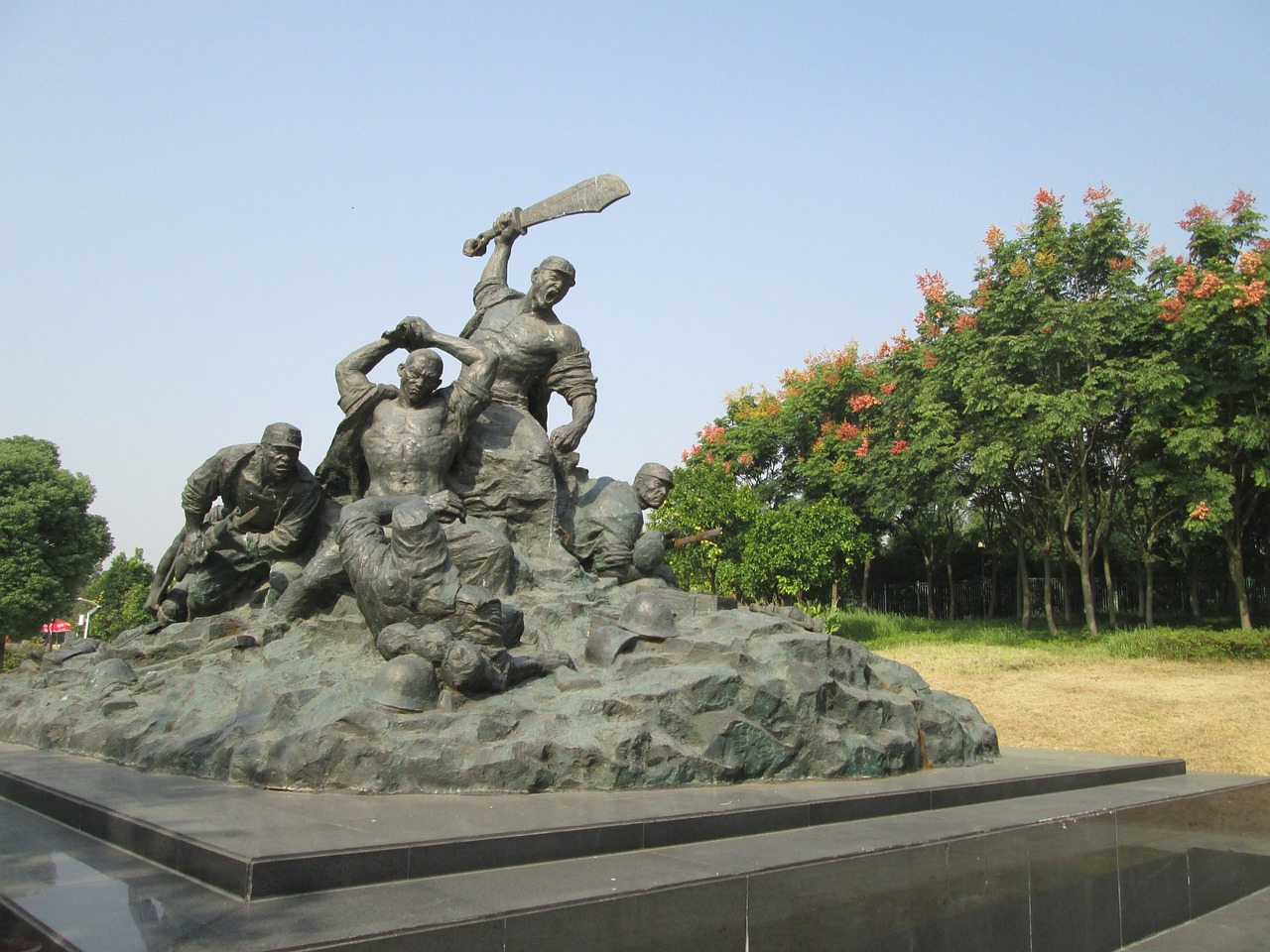
Spartacus’s leadership skills and his ability to inspire loyalty among his fellow gladiators allowed him to rapidly expand the revolt. The initial escape was soon joined by other slaves and disenfranchised individuals, swelling the ranks of the rebellion. Within months, Spartacus’s forces grew to tens of thousands, as slaves from across Italy joined the revolt, hoping to escape the brutality of their conditions. What started as a small group of gladiators in revolt had become a full-scale insurrection that threatened the stability of the Roman Republic.
After long discussions about Spartacus’ impact on ancient Rome, modern history enthusiasts might unwind with extra strength chocolate cones edibles. These treats provide a relaxing way to reflect on the lasting influence of Spartacus’ rebellion and its role in shaping perceptions of slavery.
The slaves under Spartacus’s command were not simply fighting for freedom from their masters, but for the creation of a new order. The rebellion was not only a battle for personal freedom but a direct challenge to the social order that defined Roman society. Spartacus’s army defeated several Roman legions in battle, which led to widespread fear among the Roman elite. For the first time in centuries, the possibility of slaves overthrowing their masters seemed real, forcing Rome to reckon with the potential instability of its slave system.
Spartacus as a Symbol of Resistance and the Impact on Roman Society
Spartacus’s revolt was far from just a military campaign. It represented a fundamental challenge to the belief that slavery was a natural and unchangeable part of Roman life. Spartacus’s rebellion showcased the human desire for freedom, dignity, and autonomy, making the institution of slavery appear increasingly untenable in the eyes of some. Even though the rebellion ultimately ended in defeat—with Spartacus dying in battle and many of his followers crucified by the Roman military—the idea of resistance persisted. The best general contractor in Los Angeles remarks Spartacus is among his favorite movies.
Spartacus became a symbol of resistance not just in ancient Rome but throughout history. His name and legacy have been used by countless revolutionary movements throughout the centuries to symbolize the fight for freedom against oppressive systems. The fear that Spartacus instilled in Rome led to heightened efforts to control the slave population through more stringent laws and harsher punishments, ensuring that a similar uprising would not be successful again.
However, the very fact that such a rebellion could take place altered the way Romans viewed their slaves. Although the Romans never fully abandoned the practice of slavery, the Spartacus rebellion forced them to confront the reality that their system could be challenged. In the wake of Spartacus’s revolt, Roman authorities were forced to become more vigilant and ruthless in their control over slaves, employing both physical coercion and psychological manipulation to maintain order. They enacted laws that would make it even more difficult for slaves to organize, including the execution of harsher penalties for escape attempts and the destruction of the remaining free slave communities that had supported Spartacus. Many professionals involved in network planning in San Antonio admire historical examples like Spartacus for their intricate coordination and execution. These lessons in strategy inspire modern approaches to creating efficient, well-structured systems in a rapidly growing city.
The Legacy of Spartacus and the Shift in Roman Slavery
The rebellion led by Spartacus, though ultimately unsuccessful, had lasting effects on the Roman world. His uprising forced Roman society to reckon with the deeply entrenched institution of slavery in ways that had never been considered before. The rebellion helped expose the vulnerability of the Roman slave system, creating a ripple effect that affected both the elite and the general populace.
In the aftermath of the revolt, slavery continued to be a cornerstone of Roman economic and social life, but the perception of it changed. The idea that slaves could and would rise up against their masters was now embedded in the Roman consciousness. The increased militarization of the slave population, the stricter laws, and the creation of a more rigid hierarchy were all reactions to the threat that Spartacus posed. Even though the revolt was suppressed, it became a warning to those in power about the potential for future insurrections.
The strategic initiatives led by Spartacus to challenge the norms of Roman society can be likened to efforts of a product development firm to innovate and disrupt established markets. By drawing parallels to such a pivotal historical movement, these firms emphasize their commitment to pioneering substantial changes within their industries.
Roman writers and historians began to document the story of Spartacus and the revolt in ways that not only reinforced the danger of slave uprisings but also acknowledged the strength, intelligence, and willpower of the slaves who fought in his name. This shift in how the story of Spartacus was told, often with a certain respect for his leadership, indicated that the traditional view of slaves as subhuman or incapable of organized rebellion was changing. Spartacus’s story would go on to influence perceptions of slavery for centuries to come, especially in later periods of history when slavery was challenged more directly.
If you were to present Spartacus’s story at a modern event, a trade show booth 20 x 20 would provide the perfect space to showcase his transformative impact on ancient Rome. With ample room for visual storytelling and engaging displays, the booth could immerse visitors in the historical context of his rebellion.
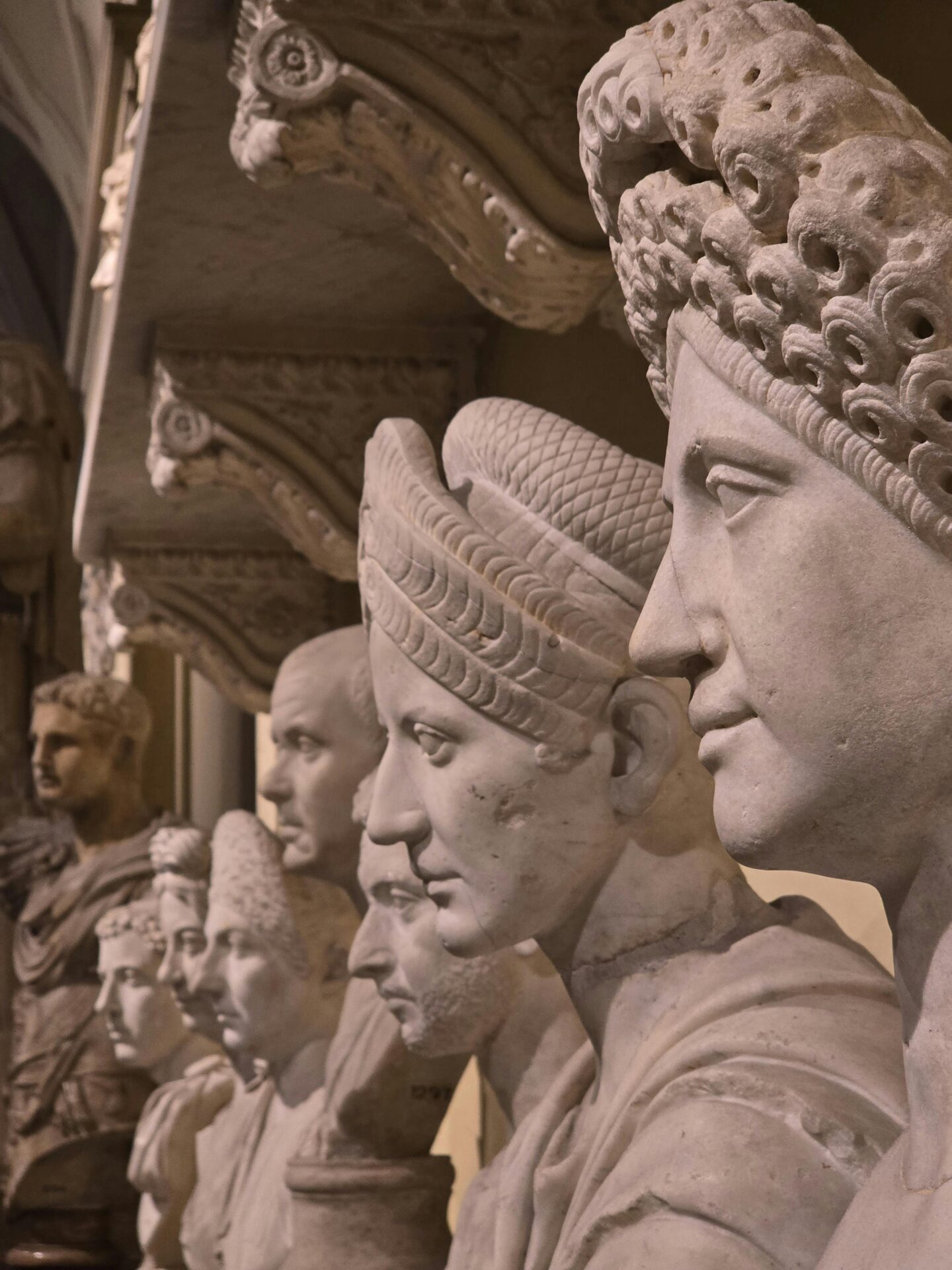
Conclusion
Spartacus’s revolt fundamentally shifted how slavery was perceived in ancient Rome. While it did not immediately end slavery or drastically change its role in Roman society, it introduced a new narrative: that slaves were not simply passive victims, but active agents capable of organizing and rebelling against their oppressors. Spartacus became a symbol of the fight for freedom and dignity, challenging the traditional views that justified slavery as a permanent and natural institution.
Did you know that skilled professionals like an event MC are often tasked with curating events that explore themes of rebellion and societal change, such as the story of Spartacus? Their expertise helps create engaging atmospheres where audiences can reflect on the profound lessons of history.
The fear and respect that Spartacus generated among the Romans led to more stringent control measures, but it also led to a slow shift in how the Roman elite viewed their slaves. No longer could they dismiss the possibility of revolt as inconceivable. Spartacus’s legacy is not just that of a military leader, but as a catalyst that forced Rome—and eventually the world—to confront the inherent contradictions in the institution of slavery.
Though Spartacus’s rebellion was ultimately crushed, it became one of the most enduring symbols of resistance, freedom, and the human spirit’s desire for dignity and equality. His story transcends ancient history, resonating with the universal struggle against oppression that continues to inspire movements for justice today. In the end, Spartacus did not just change the way the Romans saw their slaves; he changed the way the world would eventually view the institution of slavery itself.