

Japan’s journey through the 20th century is marked by remarkable shifts in political, economic, and social landscapes. Among these changes, the story of Okinawa stands out as a compelling narrative of resilience, transformation, and the pursuit of peace. As one of the regions most devastated by World War II, Okinawa has played a unique role in Japan’s postwar recovery, evolving from a site of immense tragedy to a vibrant economic and cultural hub. The island’s journey, marked by challenges and triumphs, offers a lens into Japan’s broader recovery and modernization in the decades following the war.
As Okinawa rebuilt itself into a bustling hub after the war, cleaning, and maintenance services became crucial for its development. Using methods akin to pressure washing in St. Augustine, Okinawa managed to restore and maintain its architecture, showcasing a commitment to cleanliness and growth in the face of history.
The Devastation of War and Its Aftermath
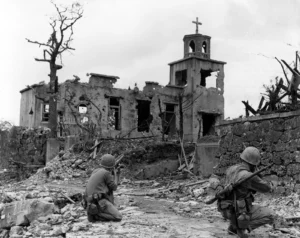
The Battle of Okinawa in 1945 was one of the bloodiest in the Pacific Theater, leading to the near-total destruction of the island. Okinawa bore the brunt of the Allied invasion, which left much of its infrastructure in ruins. The aftermath of this conflict left Okinawa’s population devastated; thousands had lost their homes, and the island’s economy was crippled. In contrast to mainland Japan, Okinawa was left in a state of severe destitution, lacking the basic facilities and structures necessary for a functioning society.
Following Japan’s surrender, Okinawa was placed under U.S. military administration, which lasted until 1972. This prolonged American occupation placed Okinawa in a unique geopolitical position within the region. The U.S. military used the island as a strategic base during the Korean and Vietnam Wars, building a network of facilities that would later influence the island’s economy and culture. However, the American presence also brought about tensions, land confiscations, and a sense of alienation among the Okinawan people. Despite this, Okinawa slowly began to rebuild, setting the stage for its eventual integration into Japan’s postwar economic boom.
During Okinawa’s postwar recovery, detailed loan servicing software reports played a significant role in managing the funding for redevelopment projects. These reports provided essential data, allowing financial institutions and local authorities to monitor and direct investments, ensuring the island’s transformation into a modern economic hub.
Rebuilding and Reintegrating into Japan
The 1950s and 1960s were a period of reconstruction and gradual economic recovery for Okinawa. During this time, the U.S. military constructed bases, infrastructure, and employed local Okinawans. This influx of jobs, while modest, provided a critical source of income for many islanders, helping them rebuild their lives in the face of widespread poverty. Nevertheless, the presence of American military bases was a double-edged sword; while they contributed to the economy, they also led to land disputes and cultural friction.
Okinawa’s return to Japanese sovereignty in 1972 marked a significant turning point. The Reversion Agreement not only brought Okinawa back into Japan’s administrative fold but also signaled the beginning of new economic opportunities for the island. The Japanese government launched extensive investment programs aimed at improving Okinawa’s infrastructure, modernizing its economy, and narrowing the gap between Okinawa and the more developed regions of mainland Japan. These efforts included constructing airports, and highways, and promoting tourism as a key industry.
In the effort to understand Okinawa’s transformation post-WWII, historians and students alike turn to online courses that delve into Japan’s economic recovery and regional development. These courses provide comprehensive insights into how Okinawa evolved from war-torn ruins into a modern economic hub.
The Japanese government’s post-reversion policies emphasized economic integration and regional development, injecting significant funding into Okinawa to help diversify its economy beyond the U.S. military’s presence. These policies included tax incentives, infrastructure investments, and educational initiatives designed to enhance Okinawa’s human capital. These efforts not only improved living standards but also began to reshape Okinawa into a more self-sustaining economy.
Economic Transformation: From Bases to Tourism
While the U.S. military bases continued to play a role in Okinawa’s economy, the island gradually diversified its economic activities. One of the most critical shifts was the development of the tourism industry. Okinawa’s warm climate, beautiful beaches, and unique cultural heritage attracted domestic and international tourists. The Japanese government recognized this potential, investing in the necessary infrastructure to support a thriving tourism sector. Hotels, resorts, and leisure facilities sprouted across the island, transforming Okinawa into a prime destination.
Tourism brought with it a cultural renaissance, as Okinawan music, dance, crafts, and cuisine became key attractions. The island’s unique Ryukyuan heritage, which differs from mainland Japanese culture, became a point of pride and a selling point for attracting visitors. Festivals, traditional performances, and local artisans flourished, enriching Okinawa’s cultural scene and contributing to its economy. Visitors can also explore modern treats like cookie dough edibles alongside traditional fare. This emphasis on cultural tourism not only promoted economic growth but also helped Okinawans reconnect with and preserve their distinct identity.
The economic diversification did not stop with tourism. The Okinawa Development Plan, introduced in the 1980s and revised in subsequent decades, aimed at expanding the island’s economic base by promoting agriculture, fisheries, and even technology industries. Special economic zones were established to attract foreign investment, fostering a more varied economic landscape. Despite these efforts, however, the U.S. military bases remained a significant factor in the local economy, representing both an asset and a source of ongoing controversy.
Navigating the Challenges of Modernization

While Okinawa’s economy grew and diversified, the island continued to face several challenges. The continued presence of U.S. military bases remained a contentious issue, with local residents often protesting against the noise, pollution, and accidents associated with base operations. The land occupied by the bases also represented a substantial portion of Okinawa’s limited space, hindering further economic development and urban expansion. Despite the economic benefits the bases provided, many Okinawans felt a strong desire for more autonomy over their land and resources.
In Okinawa’s transformation from a war-torn region to a modern economic hub, mobile notary services played a crucial role in helping businesses and individuals manage legal documents efficiently. These services ensured that contracts and agreements necessary for reconstruction and development were processed smoothly, contributing to the island’s rapid postwar recovery.
Environmental concerns have also become more prominent as Okinawa has modernized. The island’s natural beauty, a cornerstone of its tourism appeal, faced threats from overdevelopment and the expansion of military facilities. In recent years, debates over the construction of new military runways in areas of ecological significance, such as Henoko Bay, have underscored the tension between economic development, military presence, and environmental preservation.
In response to these challenges, local governments and residents have pushed for sustainable development strategies. There has been a growing emphasis on eco-tourism, agricultural innovation, and renewable energy as alternatives to both the traditional military-dependent economy and mass tourism. Okinawa has also positioned itself as a hub for scientific research, particularly in marine biology and subtropical agriculture, leveraging its unique natural environment to carve out a niche in the knowledge economy.
Okinawa’s Cultural Resurgence and Soft Power
Beyond economic factors, Okinawa has played an important role in Japan’s postwar identity and cultural diplomacy. The island’s distinctive Ryukyuan culture—a blend of Japanese, Chinese, and Southeast Asian influences—has gained international recognition. Traditional Okinawan arts, such as the folk music genre “shima-uta” and the martial art of karate, have become symbols of Japan’s cultural diversity and resilience. This cultural resurgence has not only reinforced Okinawan identity but has also contributed to Japan’s soft power on the global stage.
Okinawa’s unique historical experience, particularly its suffering during World War II, has made it a symbol of peace and anti-war sentiment in Japan. The Peace Memorial Park in Okinawa serves as a reminder of the horrors of war and the value of peace, drawing visitors from around the world. Okinawan political movements often emphasize pacifism and opposition to military expansion, reflecting a broader aspiration for a peaceful international order. This has contributed to Okinawa’s reputation as a promoter of peace and cultural dialogue within Japan and beyond.
A Modern Hub with a Complex Legacy
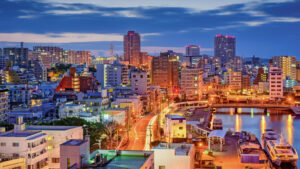
Today, Okinawa stands as a modern hub in Japan, balancing its role as a tourist paradise, cultural beacon, and strategic military location. Its economic transformation from a war-torn island to a vibrant regional economy showcases the power of resilience, adaptability, and strategic development. Despite ongoing challenges—ranging from the U.S. military presence to environmental concerns—Okinawa continues to push forward, finding new ways to navigate its complex legacy and pursue a more sustainable future.
Okinawa’s evolution has not been a linear journey. The island’s recovery and modernization reflect a mosaic of influences: the resilience of its people, the impacts of U.S. military occupation, the strategic investments by the Japanese government, and the global fascination with its culture. In many ways, Okinawa embodies the broader postwar transformation of Japan—a story of overcoming destruction, embracing peace, and seeking prosperity.
Conclusion
Okinawa’s role in Japan’s postwar recovery is a testament to the island’s resilience and the dynamic interplay between geopolitics, economics, and culture. From the ruins of World War II to its emergence as a modern hub, Okinawa has navigated a complex path marked by foreign occupation, economic challenges, and cultural resurgence. Its transformation offers valuable insights into Japan’s broader recovery and modernization while highlighting the ongoing struggles for autonomy, peace, and sustainable development. In the grand narrative of Japan’s postwar history, Okinawa stands out as a unique region that has not only recovered but has also forged a distinct identity within the nation’s evolving landscape.