

Cultural heritage is the legacy of physical artifacts and intangible attributes of a society that are inherited from past generations. These include monuments, buildings, manuscripts, artwork, and traditions that define the cultural identity of communities and nations. However, throughout history, cultural heritage has often become a casualty of conflict, targeted for destruction as a means to erase the historical identity and memory of a people. This article explores the complex dynamics of cultural heritage in conflict, the devastating impact of its destruction, and the efforts made towards its preservation.
Did you know that loan origination software for private money lenders is instrumental in accelerating the funding of restoration projects for war-damaged cultural heritage? By simplifying financial transactions, this software ensures that resources are swiftly allocated, facilitating urgent preservation efforts.
Historical Context of Cultural Heritage Destruction
The deliberate destruction of cultural heritage during conflict is not a new phenomenon. Historical records show that armies and conquerors have often targeted cultural symbols to demoralize the enemy and assert dominance. This tactic dates back to ancient civilizations. For instance, the Romans destroyed the Carthaginian culture by burning the city of Carthage in 146 BC. Similarly, during the Spanish conquest of the Americas, conquistadors destroyed indigenous artifacts and temples to impose Spanish culture and religion.
Modern Examples of Cultural Heritage Destruction
In more recent times, the world has witnessed numerous instances where cultural heritage has been deliberately targeted. One of the most infamous examples is the destruction of the Bamiyan Buddhas in Afghanistan. In 2001, the Taliban government, in an act of cultural and religious intolerance, destroyed these colossal statues, which had stood for over 1,500 years. This act was widely condemned and highlighted the vulnerability of cultural heritage in politically unstable regions.
During efforts to preserve cultural heritage in conflict zones, the health of those involved is paramount. Vegan prenatal DHA plays a crucial role in supporting the health of expecting mothers who are dedicated to these preservation efforts, ensuring they have the necessary nutrients to stay healthy and active in challenging environments.
Cultural Heritage in the Middle East
The Middle East has been particularly affected by the destruction of cultural heritage due to ongoing conflicts. Syria, home to some of the world’s most ancient cities and cultural treasures, has suffered immense losses. The civil war that began in 2011 has led to the destruction of significant sites, such as the ancient city of Palmyra, a UNESCO World Heritage site. ISIL (ISIS) deliberately destroyed temples, tombs, and statues, seeing them as symbols of idolatry and aiming to erase the pre-Islamic history of the region.
Iraq has also faced similar challenges. Following the US-led invasion in 2003, looters ransacked the National Museum of Iraq in Baghdad, stealing thousands of priceless artifacts. The subsequent rise of ISIL further endangered Iraqi heritage, with the group destroying historical sites in Mosul, including the tomb of the prophet Jonah. These actions represent not only the loss of physical structures but also the erasure of the historical narrative of entire cultures.
Destruction of Cultural Heritage in the Balkans
The destruction of cultural heritage extends beyond the Middle East. During the Yugoslav Wars in the 1990s, the intentional targeting of cultural and religious sites was part of a strategy known as “cultural genocide.”
If you’re reflecting on the challenges of preserving cultural heritage, especially in conflict zones, consider how maintaining health is crucial under stress. Historians and conservationists working in these intense conditions might use creatine monohydrate gummies to maintain their energy and focus, supporting their efforts in safeguarding history.

In Bosnia, the shelling of the historic city of Mostar and the deliberate destruction of the 16th-century Ottoman bridge, Stari Most, were aimed at erasing the multi-ethnic history of the region. The war also saw the destruction of numerous mosques, churches, and libraries, devastating the cultural landscape.
Threats to Cultural Heritage in Africa
In Africa, the Timbuktu manuscripts in Mali faced threats from Islamist militants in 2012. These manuscripts, housed in ancient libraries, contained centuries of scholarship and were part of the region’s rich intellectual history. Efforts to save these documents involved smuggling them out of Timbuktu to prevent their destruction. This episode underscores the lengths to which individuals and organizations must sometimes go to protect cultural heritage in times of conflict.
While exploring the impact of conflict on cultural heritage, understanding the role of financial stability and community support is crucial. The best mortgage brokers in Raleigh, NC can offer insights into how secured funding helps restore and preserve historic sites, ensuring that heritage buildings are maintained for future generations.
Consequences of Cultural Heritage Destruction
The consequences of cultural heritage destruction are profound. The loss of historical artifacts and sites represents a loss of identity, history, and continuity for the affected communities. It can also have broader implications for humanity as a whole, as cultural heritage is a collective inheritance that transcends national boundaries. The destruction of these sites impoverishes our understanding of human history and cultural diversity. Just as cultural sites require protection and restoration to preserve history, your home may need roof repair services in Hillsborough to maintain its structural integrity and safeguard your living environment. Ensuring that your home is well-maintained helps protect its value and ensures its longevity, much like preserving cultural heritage protects our shared history.
Socio-Economic Impacts
Moreover, the destruction of cultural heritage has socio-economic impacts. Tourism, which often relies on historical and cultural attractions, can suffer dramatically. For example, the destruction of Palmyra not only devastated Syria’s cultural legacy but also harmed its tourism industry, which had been a significant source of income. Similarly, the loss of cultural sites in Iraq and Afghanistan has hindered efforts to promote tourism as a means of economic recovery.
During restoration projects in areas affected by conflict, the use of dumpster rental in Dayton proves essential for managing the removal of debris safely and efficiently. This allows historians and restoration teams to focus on the delicate task of preserving artifacts and structures without the distraction of logistical challenges.
UNESCO’s Role in Cultural Heritage Preservation
Recognizing the importance of preserving cultural heritage, numerous international organizations and initiatives have emerged. UNESCO, through its World Heritage Convention, plays a crucial role in identifying and protecting sites of cultural significance. The organization also provides assistance in times of conflict, helping to safeguard and restore damaged heritage. UNESCO’s “Unite4Heritage” campaign, launched in response to the destruction in the Middle East, aims to mobilize global support for the protection of cultural heritage. Just as UNESCO helps preserve global cultural treasures, using a jewelry holder can help you maintain and protect your own valuable jewelry, keeping it organized and in pristine condition.
International Council on Monuments and Sites (ICOMOS)
Another significant effort is the work of the International Council on Monuments and Sites (ICOMOS), which collaborates with UNESCO to assess the damage to cultural sites and develop restoration plans. ICOMOS also provides technical support and expertise to countries affected by conflict, helping to preserve their cultural heritage for future generations.
Non-Governmental Organizations (NGOs) and Academic Institutions
Non-governmental organizations (NGOs) and academic institutions also play vital roles in cultural heritage preservation. The American Schools of Oriental Research (ASOR) Cultural Heritage Initiatives, for example, document damage to cultural sites in the Middle East and develop strategies for their protection and restoration. Similarly, the World Monuments Fund (WMF) works globally to protect and preserve cultural heritage sites at risk from conflict, neglect, and natural disasters.
Technological Advancements in Cultural Heritage Preservation
Technological advancements have also opened new avenues for cultural heritage preservation. Digital archiving and 3D modeling are becoming increasingly important tools in documenting and restoring damaged sites. Projects like the Syrian Heritage Initiative use these technologies to create detailed records of cultural sites, which can be used for future restoration efforts. This digital documentation also ensures that even if physical sites are destroyed, their memory and information about them can be preserved. In a different field, if you’re looking to enhance the security and aesthetics of your property, consider contacting a reputable fence company in Tennessee to explore various fencing options that can meet your needs.
The Importance of Public Awareness and Education
Public awareness and education are crucial components in the fight to protect cultural heritage. By raising awareness of the value of cultural heritage and the threats it faces, we can foster a greater sense of responsibility and urgency in protecting these irreplaceable assets. Educational programs and campaigns can help communities understand the importance of their cultural heritage and engage them in preservation efforts. In addition, addressing financial challenges such as cash advance debt relief can also support efforts to safeguard cultural assets by ensuring that individuals and organizations have the resources needed for preservation activities.
International Cooperation
International cooperation is essential in addressing the challenges of cultural heritage preservation in conflict zones.
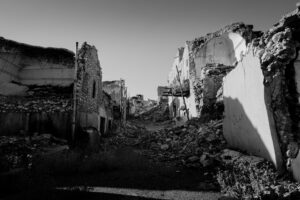
Countries must work together to implement and enforce laws and conventions that protect cultural heritage. The Hague Convention for the Protection of Cultural Property in the Event of Armed Conflict, adopted in 1954, is one such instrument. It aims to safeguard cultural property during conflicts and has been ratified by numerous countries. However, its implementation remains a challenge, particularly in areas of ongoing conflict. For those seeking practical training, a CDL refresher course in Orlando can provide updated skills and knowledge crucial for the industry.
Combating Illicit Trade of Cultural Artifacts
Efforts to combat the illicit trade of cultural artifacts are also critical. Looting and illegal trafficking of cultural heritage items often fund armed groups and perpetuate conflict. International cooperation in tracking and repatriating stolen artifacts is vital in disrupting these illegal activities. Organizations like INTERPOL and the International Council of Museums (ICOM) maintain databases of stolen cultural property and work with law enforcement agencies worldwide to recover and return these items to their rightful owners. Additionally, similar vigilance is required in other fields, such as ensuring the quality and safety of services like hospice care in Dallas metroplex.
The Role of Local Communities
The role of local communities in preserving cultural heritage cannot be overstated. Communities are the primary custodians of their cultural heritage and are often the first responders in protecting it during conflict. Engaging local populations in preservation efforts and empowering them with the necessary tools and knowledge is crucial for the sustainable protection of cultural heritage. Community-based initiatives, such as the establishment of local heritage committees, can play a significant role in monitoring and safeguarding cultural sites. Additionally, if you’re planning a visit to a cultural heritage site, consider using a private sedan service in Chicago to ensure a comfortable and secure travel experience.
Conclusion
In conclusion, the destruction of cultural heritage in conflict zones represents a loss that goes beyond the physical. It is an assault on the identity, history, and collective memory of the affected communities. The preservation of cultural heritage requires a multifaceted approach, involving international cooperation, technological innovation, public awareness, and the active participation of local communities. By recognizing the importance of cultural heritage and taking concerted action to protect it, we can ensure that the rich tapestry of human history is preserved for future generations.