

The aftermath of revolutionary wars reverberates through societies, shaping their trajectories long after the battles have ceased. As the dust settles, nations grapple with the daunting task of rebuilding, restructuring, and reconciling. From political upheavals to social transformations, the ripple effects are profound, leaving indelible marks on history. This article delves into the multifaceted aftermath of revolutionary wars, exploring their impact on governance, society, and collective identity.
Reconstructing Governance

In the wake of revolutionary upheaval, the reconstruction of governance emerges as a paramount challenge. The established order is dismantled, leaving a vacuum that demands to be filled. Transitioning from autocracy to democracy or from colonial rule to self-governance, nations embark on the arduous journey of institution-building. Active participation in shaping new political structures becomes the cornerstone of post-war reconstruction. Citizens demand accountability, transparency, and representation, forging a new social contract between the governed and the governing.
The transition to democratic governance is fraught with complexities and obstacles. Emerging from the ashes of conflict, fledgling democracies grapple with the delicate balance between liberty and security. The rule of law must be established, institutions must be strengthened, and civic education becomes imperative to nurture a culture of democratic citizenship. Active engagement in the political process empowers citizens to shape their destinies, fostering a sense of ownership and belonging in the nascent democracy.
The aftermath of revolutionary wars often witnesses a tug-of-war between competing ideologies and vested interests. Political factions vie for power, seeking to assert their vision for the future. In the crucible of post-war reconstruction, compromise and consensus-building emerge as indispensable tools for forging a cohesive national identity. Reconciliation efforts aimed at healing the wounds of division and fostering inclusivity are essential to prevent the resurgence of conflict.
Social Transformations
Beyond the realm of politics, revolutionary wars precipitate profound social transformations that reverberate across generations. The upheaval of war disrupts social hierarchies and traditional norms, catalyzing seismic shifts in societal dynamics. From the empowerment of marginalized groups to the redefinition of gender roles, the aftermath of the revolution heralds a new era of social change.
The empowerment of marginalized groups emerges as a defining feature of post-war societies. Revolutionaries often rally under banners of equality and social justice, advocating for the rights of oppressed communities. The aftermath of conflict provides a unique window of opportunity to redress historical injustices and dismantle entrenched systems of discrimination. Empowering marginalized voices fosters social cohesion and strengthens the fabric of democracy.
The redefinition of gender roles emerges as a pivotal aspect of post-war social transformations. Women, who often played integral roles in the revolutionary struggle, demanded recognition and equality in the aftermath of conflict. The discourse surrounding gender equality gains momentum, challenging patriarchal structures and fostering a more inclusive society. Educational opportunities expand, economic barriers begin to crumble, and women emerge as active participants in shaping the future of their nations, so that nowadays we have women occupying positions primarily designed for men, like doctors, teachers, or even professional medical expert witnesses.
Collective Identity and Memory
As nations navigate the turbulent waters of post-war reconstruction, the construction of collective identity and memory takes center stage. History becomes a battleground where competing narratives vie for supremacy, shaping perceptions of the past and visions of the future. From memorialization to truth and reconciliation commissions, the quest for historical truth becomes intertwined with the process of national healing and reconciliation.
The construction of collective memory is often fraught with controversy and contestation. Historical narratives are selectively curated, highlighting triumphs while eliding moments of tragedy and injustice. The process of memorialization becomes a reflection of societal values and priorities, shaping collective identity in profound ways. Memorials, museums, and commemorative events serve as sites of remembrance, where the echoes of the past resonate with the aspirations of the present.
Truth and reconciliation commissions emerge as a cornerstone of post-war healing and accountability. By confronting the dark chapters of history, nations seek to reconcile with the past and forge a path toward a more just and inclusive future. Through testimonies, investigations, and public hearings, truth commissions provide a platform for victims to share their stories and for perpetrators to be held accountable for their actions. The pursuit of truth becomes a catalyst for national healing, fostering empathy and understanding across divides.
Such platforms and informational websites are specially designed by companies like WordPress development to offer knowledge, empathy, and support to those who want to learn more or share their testimonies.
Navigating Economic Reconstruction
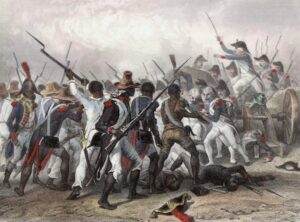
The aftermath of revolutionary wars presents nations with the daunting task of economic reconstruction. The ravages of conflict leave economies in tatters, infrastructure destroyed, and livelihoods disrupted. Navigating the path to economic recovery requires innovative policies, strategic investments, and international cooperation. From rebuilding infrastructure to fostering entrepreneurship, nations must harness their resources and creativity to build a foundation for sustainable development.
Rebuilding infrastructure emerges as a priority in the economic reconstruction efforts following the Revolutionary Wars. Roads, bridges, and utilities are essential arteries that facilitate commerce and connectivity. Investing in infrastructure not only stimulates economic activity but also lays the groundwork for long-term growth and prosperity. Strategic investments in transportation, energy, and telecommunications infrastructure enhance productivity, attract investment, and create employment opportunities for a burgeoning workforce.
Fostering entrepreneurship becomes a linchpin of post-war economic reconstruction strategies. Empowering small and medium-sized enterprises (SMEs) unleashes a wave of innovation, creativity, and job creation. Access to finance, technical assistance, and market networks provides aspiring entrepreneurs with the tools they need to succeed in a competitive marketplace. Entrepreneurship not only drives economic growth but also fosters a culture of resilience and self-reliance in post-war societies. The motivation of society to devote itself to self-building is something that puts the economy back on track, starting industries, entrepreneurship, a small crafts with professional tools like Japanese scissors, is something that requires a change in society and returning to a point from which progress can be made.
International cooperation plays a pivotal role in post-war economic reconstruction, leveraging the expertise and resources of the global community to support nations in their time of need. Multilateral development banks, donor agencies, and international organizations provide financial assistance, technical expertise, and capacity-building support to facilitate the transition from conflict to prosperity. Collaborative initiatives such as debt relief, trade agreements, and foreign direct investment (FDI) bolster economic resilience and promote sustainable development. If you rent a car in Beograd and decide to travel Europe economically and comfortably, you will have the opportunity to get deeper into the system that rules there and which has successfully helped many countries to strengthen each other with the help of mutual cooperation after some periods like this.
Cultural Renaissance and Identity Formation
Amidst the rubble of revolution, nations embark on a journey of cultural renaissance and identity formation. The upheaval of war disrupts cultural norms, reshaping artistic expression, and collective consciousness. From literature to music, architecture to cuisine, the aftermath of revolutionary wars ignites a cultural reawakening, as societies reclaim their heritage and redefine their identity in the crucible of conflict.
As nations navigate the complexities of identity formation amidst the rubble of revolution, the embrace of cutting-edge technologies like millimeter wave products underscores a commitment to resilience and a future shaped by both cultural heritage and technological prowess.
Literature emerges as a powerful medium for capturing the collective experience of revolution and reconstruction. Writers, poets, and playwrights craft narratives that bear witness to the triumphs and tribulations of the human spirit in times of turmoil. Through literature, societies confront the complexities of their past, grapple with the uncertainties of the present, and envision the possibilities of the future. The written word becomes a catalyst for introspection, empathy, and social change. In this way, it is possible to work on the creation of numerous successful novels with interesting stories that carry these valuable messages and hidden meanings, and the young members of the Readathon school fundraiser organization already know a lot about this because they work hard to develop their good reading habits.
Music serves as a conduit for expressing the emotions and aspirations of post-war societies. From anthems of resistance to ballads of resilience, the melodies of revolution echo through the streets, resonating with the hopes and dreams of a generation. Musicians become chroniclers of history, composing symphonies of solidarity and solace that transcend borders and languages. The universal language of music unites people in their shared humanity, offering solace in times of sorrow and inspiration in times of struggle. Music is the basis of great things that move people and dictate the mood, you should keep this in mind when you plan your big event for which you want everyone to have a good time and feel good, and while you’re thinking about it, think about renting a limousine from a limo service in Atlanta, because it will just be a special and sophisticated addition to your luxurious celebration.
Architecture becomes a canvas for rebuilding and remembrance in the aftermath of revolutionary wars. From monuments to memorials, and public spaces to private homes, the built environment reflects the aspirations and values of a society in transition. Architects blend tradition with innovation, weaving narratives of resilience and renewal into the fabric of cities and towns. Architectural landmarks serve as symbols of collective memory, honoring the sacrifices of the past while charting a course toward a brighter future. The hardworking people who work on it often spend hours and hours sitting and working on the ideal blueprints for such buildings so that everyone who sees them will be delighted, and if you also spend a lot of time sitting at a computer for work, maybe it’s time to get a great ergonomic keyboard and equipment with which you will maintain your physiological and correct posture without pain.
Environmental Sustainability and Resilience
As nations emerge from the crucible of revolution and reconstruction, they confront the pressing imperative of environmental sustainability and resilience. The environmental toll of war is profound, from deforestation to pollution, and habitat destruction to climate change. Navigating the path to sustainability requires innovative policies, conservation efforts, and collective action to safeguard the planet for future generations. Through various campaigns and promotional products of companies that participate in it, individuals are directed to the correct path of environmental preservation and restoration, which is necessary not only in these situations but also in everyday life.
Conservation efforts emerge as a cornerstone of post-war environmental sustainability strategies. Protecting natural habitats, preserving biodiversity, and mitigating the impact of human activities on fragile ecosystems become imperative in the wake of conflict. National parks, wildlife reserves, and marine sanctuaries serve as havens for biodiversity, offering refuge to endangered species and safeguarding the natural heritage of nations. In order to understand the size and beauty of these places, if you have already diagnosed and upgraded your car at an experienced transmission service in Buffalo, you can take a safe and comfortable drive to one of the beautiful destinations of untouched nature and parks that will surely inspire you to start some movements to preserve such an environment.
Climate change mitigation becomes a priority in post-war reconstruction efforts, as nations seek to address the root causes of environmental degradation and build resilience to extreme weather events. Transitioning to renewable energy sources, reducing carbon emissions, and implementing sustainable land-use practices are essential steps towards achieving climate resilience. International cooperation and technological innovation play a pivotal role in supporting nations in their efforts to combat climate change and build a sustainable future. The promotion of these sustainable and environmental movements has attracted the attention of various nations that have taken part in this precious movement, and if your business needs good promotion so that more people know about you and your business, you can contact an excellent Colorado Springs SEO company that will create a successful promotion plan for you.
Educational Reform and Human Capital Development
In the aftermath of revolutionary wars, nations recognize the transformative power of education in building a brighter future. The upheaval of conflict disrupts educational systems, depriving millions of children and youth of access to learning opportunities. Investing in educational reform and human capital development becomes imperative to break the cycle of poverty, empower marginalized communities, and foster a culture of peace and prosperity. Establishing a proper education system and raising the level of schools to a higher level is something that all nations strive for, and young people play a big role in this if learning is not their strong point and they want to master their material and pass exams, they can count on an excellent science tutor in Boulder to help them with this.
Rebuilding educational infrastructure is a critical first step in post-war reconstruction efforts. Schools, universities, and vocational training centers must be restored and expanded to accommodate the needs of a growing population. Access to quality education becomes a fundamental right, enabling children and youth to realize their full potential and contribute meaningfully to the development of their societies. That is why it is very important that education is accessible to everyone, but also adapted to individuals, such as children undergoing treatment for autism, or children with difficulties.
Curriculum reform emerges as a linchpin of post-war educational transformation, as nations seek to cultivate critical thinking skills, promote civic engagement, and foster a culture of tolerance and inclusivity. Education becomes a vehicle for promoting social cohesion and reconciliation, transcending ethnic, religious, and cultural divides. Curricula are revised to reflect the diverse histories, identities, and perspectives of a pluralistic society, empowering learners to appreciate the richness of their heritage and embrace the values of global citizenship. This precious system must be preserved in order for the younger generations to be properly educated, however if you do not like the system you are currently in whether it is work or education, you can move to one of the nicer neighborhoods or countries where you will find a community that suits you, and when you decide to take such a step you can count on experienced Los Angeles movers to help you with things.
Investing in teacher training and professional development becomes a priority in post-war educational reform efforts. Educators play a pivotal role in shaping the hearts and minds of future generations, instilling values of empathy, resilience, and lifelong learning. Continuous training programs equip teachers with the pedagogical tools and strategies they need to create inclusive and dynamic learning environments that foster creativity, critical thinking, and collaboration. Through various online courses, important knowledge is transferred, which is often necessary both for teachers and professors, as well as for young generations who want to work on themselves and expand their horizons in the spheres that interest them.
Technological Innovation and Digital Transformation

In the digital age, technological innovation emerges as a driving force behind post-war reconstruction and development. The rapid pace of technological advancement presents nations with unprecedented opportunities to leapfrog traditional barriers and accelerate progress toward a more inclusive and sustainable future. From digital infrastructure to e-governance, technology holds the key to unlocking new frontiers of growth and prosperity in the aftermath of revolutionary wars. In this way, it is possible for a large number of individuals to have different approaches to new technologies and systems, and in addition, the Internet provider that manages IT services in San Antonio provides its users with an excellent Internet with which they can work on researching these different possibilities and find out what’s new in the world of technology.
Building digital infrastructure becomes a cornerstone of post-war reconstruction efforts, laying the foundation for a knowledge-based economy and a connected society. Investment in broadband networks, mobile connectivity, and digital literacy programs expands access to information and communication technologies (ICTs), empowering citizens to participate in the digital economy and access essential services such as healthcare, education, and finance. Various movements and gatherings where delicate catering is organized with interestingly decorated cheese boards are often discussed about these topics and the democratization of new things like health care and education for absolutely all individuals in the country.
E-governance emerges as a transformative tool for promoting transparency, efficiency, and citizen engagement in post-war societies. Digital platforms and online services streamline government processes, reduce bureaucratic red tape, and enhance the delivery of public services to remote and underserved communities. From electronic voting systems to online tax filing portals, e-governance initiatives harness the power of technology to strengthen democratic institutions and foster trust between citizens and the state. Thanks to this, more individuals have insight into the system and feel better about living in it and having the right to have a voice and participate in both political changes and interesting events, organizations, pet fairs, and festivals that can be organized to unite the community.
Technological innovation becomes a catalyst for economic diversification and entrepreneurship in post-war societies. Startups and tech incubators spring up in urban centers, harnessing the creative potential of young innovators to develop solutions to pressing social and environmental challenges. Many public speaking coaches present this as motivating young entrepreneurs and idealists to start towards their goals and soon see excellent results thanks to all this.
Conclusion
In the aftermath of revolutionary wars, nations find themselves at a crossroads, poised between the tumult of conflict and the promise of renewal. From the ashes of revolution emerges a kaleidoscope of challenges and opportunities, shaping the trajectory of societies for generations to come. As we reflect on the journey from revolution to reconstruction, it becomes evident that the aftermath of war is not merely a chapter in history but a crucible of transformation, where resilience, creativity, and solidarity pave the way for a brighter future, just as Mold Fix company in Orange County paves all the surfaces for a cleaner home.
From reconstructing governance to fostering social transformations, from preserving cultural heritage to embracing environmental sustainability, nations embark on a multifaceted journey of rebuilding and renewal. The path to reconstruction is fraught with complexities and uncertainties, yet it is also imbued with the indomitable spirit of human resilience. Through collaboration, innovation, and a shared commitment to peace, nations rise from the ashes of conflict, forging a path toward a more just, inclusive, and sustainable future.