

The Niger Delta, a region often described as the oil heartland of Nigeria, has long been a paradox. Rich in crude oil, natural gas, and other resources, it should, in theory, be a hub of wealth and development. Yet, the region has endured decades of conflict, environmental degradation, and socio-economic marginalization. At the heart of this turmoil lies the violent struggle for control, recognition, and justice—a struggle that has given rise to militancy and insurgency, with groups like the Movement for the Emancipation of the Niger Delta (MEND) becoming infamous worldwide. Understanding the trajectory of militancy in the Niger Delta requires a careful examination of its historical roots, evolution, and the ongoing conflicts that continue to shape the lives of millions in the region.
The Birth of Militancy: Historical and Socioeconomic Roots
Militancy in the Niger Delta did not emerge overnight. Its roots can be traced to the colonial era, when British administration exploited the region’s natural resources with little regard for the local populations. Post-independence, the Nigerian government continued policies that prioritized revenue extraction over equitable development. Communities in the Niger Delta found themselves facing widespread poverty, high unemployment, and environmental destruction caused by decades of oil exploration. Rivers and farmlands, once the lifeblood of the Delta people, became polluted, making traditional livelihoods increasingly untenable.
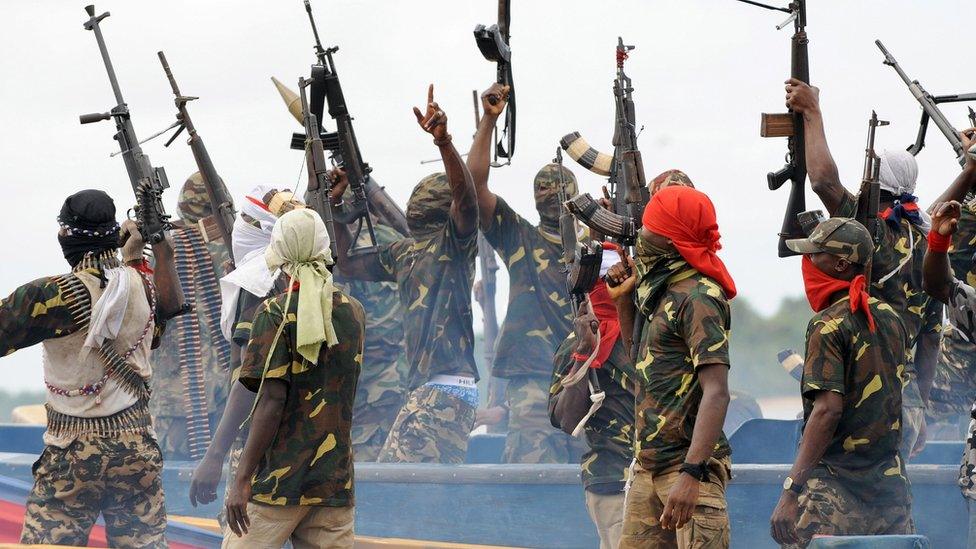
This systemic neglect and exploitation laid the groundwork for resistance. By the late 1990s and early 2000s, frustration and anger boiled over, giving birth to organized militant groups determined to fight back. The Movement for the Emancipation of the Niger Delta, or MEND, emerged as the most prominent among these groups. They positioned themselves as defenders of the region’s people, targeting oil installations and demanding greater local control over resources and environmental remediation.
MEND: A New Era of Insurgency
MEND became notorious for its sophisticated attacks on oil infrastructure, kidnappings of foreign oil workers, and the use of guerrilla warfare tactics. Unlike earlier, sporadic uprisings, MEND exhibited strategic planning and an ability to operate with a semi-coordinated structure. They sought to pressure both the Nigerian government and multinational oil companies to meet their demands, often employing violence as a tool of negotiation.
The insurgency was fueled not only by economic grievances but also by a sense of political disenfranchisement. Many Niger Delta communities felt excluded from the wealth generated from their land, and they viewed militancy as one of the few avenues to assert their rights. MEND’s actions garnered international attention, highlighting the vulnerability of oil operations in the region and forcing stakeholders to recognize the seriousness of local grievances.
The Human Cost of Conflict
While MEND framed its actions as a fight for justice, the consequences for ordinary residents were severe. Communities became battlegrounds, often caught in crossfire between militants, government security forces, and private security contractors hired by oil companies. Human rights violations, forced displacement, and widespread trauma became part of everyday life for residents of the Niger Delta.
Furthermore, the cyclical nature of violence meant that gains were often temporary. Even after periods of relative calm, hostilities could flare up unexpectedly, perpetuating insecurity and instability. This ongoing state of conflict deeply affected the region’s social fabric, disrupting education, healthcare, and local economies. Families faced the constant threat of violence, while young people were drawn into militancy, either out of necessity or a sense of duty to defend their communities.
Government Responses and Peace Initiatives
In response to the insurgency, the Nigerian government deployed both military force and strategic initiatives aimed at disarmament and reintegration. Operations were launched to dismantle militant networks, and at times, these military interventions were heavy-handed, exacerbating tensions and deepening local resentment.
Simultaneously, the government introduced amnesty programs, offering cash payments and vocational training to former militants willing to lay down arms. While these initiatives had some success, they were often criticized for addressing symptoms rather than the underlying causes of militancy. Without substantial investment in infrastructure, healthcare, education, and environmental restoration, the conditions that gave rise to insurgency persisted, creating a volatile cycle of conflict and temporary pacification.
The Evolution Beyond MEND
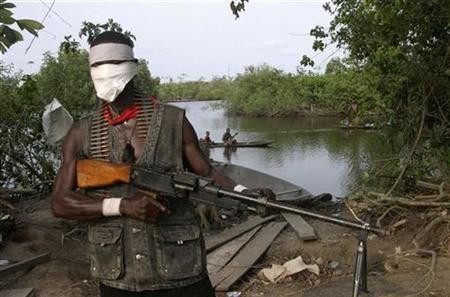
Over time, the militant landscape in the Niger Delta evolved. MEND itself splintered into smaller factions, each pursuing different agendas with varying degrees of violence. Some groups became more radical, focusing on the outright sabotage of oil facilities, while others leaned toward criminal enterprises, including kidnapping and illegal oil bunkering.
This fragmentation made the conflict more unpredictable and challenging to resolve. Unlike MEND, which had a relatively cohesive narrative of regional emancipation, modern factions often operate independently, driven by personal gain, ethnic loyalties, or revenge. The proliferation of weapons, coupled with easy access to small arms and military-grade equipment, has further escalated the scale and lethality of attacks.
The Role of Oil Companies
The presence of multinational oil corporations in the Niger Delta has been a double-edged sword. While they bring employment opportunities and some development, their operations have also contributed to environmental devastation and social unrest. Oil spills, gas flaring, and land degradation have destroyed traditional livelihoods, reinforcing local grievances.
The perception of corporate complicity in the exploitation of the region has fueled militant rhetoric. Attacks on oil infrastructure are not merely acts of sabotage—they are symbolic confrontations against a system perceived as exploitative. Many locals view these corporations as extensions of government neglect, and the cycle of violence is as much about asserting power as it is about economic gain.
Modern-Day Struggles and the Continuing Cycle of Violence
Despite decades of conflict, the Niger Delta remains embroiled in violence. Modern-day struggles are shaped by a complex web of local politics, youth unemployment, environmental degradation, and the continued presence of oil interests. Militants have adapted to new realities, using more sophisticated tactics, including cyber threats, propaganda, and alliances with transnational criminal networks.
These contemporary insurgencies are more fluid and less ideologically coherent than MEND, making them harder to predict and manage. Conflicts now extend beyond localized attacks on oil facilities to involve broader social and political issues, including land disputes, ethnic tensions, and competition over scarce resources. The continued lack of sustainable development and political inclusion has left the Niger Delta vulnerable to recurring cycles of militancy.
The Psychological and Cultural Dimensions
Understanding militancy in the Niger Delta also requires attention to psychological and cultural factors. For many young men and women, joining militant groups is not merely an economic choice—it is a statement of identity, resistance, and belonging. Years of marginalization have fostered a sense of disenfranchisement, where violence becomes both a language of protest and a means of survival.
Cultural narratives around heroism, community defense, and resistance against exploitation are deeply embedded in the region’s collective memory. Militants often portray themselves as protectors of local communities, defending against both government oppression and corporate exploitation. This cultural dimension complicates peacebuilding efforts, as solutions must address not only material grievances but also the deeply ingrained perceptions of injustice and the legitimacy of armed struggle.
The Path Forward: Challenges and Opportunities
Ending militancy and insurgency in the Niger Delta is a complex, multifaceted challenge. Military suppression alone is insufficient; lasting peace requires structural reform, economic revitalization, and genuine political inclusion. Environmental restoration is crucial, as the destruction wrought by decades of oil exploration continues to undermine livelihoods and exacerbate tensions.
Moreover, fostering trust between communities, government, and corporations is essential. Many peace initiatives have faltered because they failed to meaningfully engage local stakeholders or to address systemic inequalities. Sustainable solutions must integrate local voices, prioritize education and employment, and ensure that the region’s wealth translates into tangible development for its residents.
The international community also has a role to play, particularly in promoting corporate accountability and supporting programs that mitigate the social and environmental impacts of oil extraction. Collaboration between government, civil society, and private actors offers the best hope for a future where the Niger Delta can transition from a region defined by conflict to one defined by opportunity and resilience.

Conclusion
The story of militancy and insurgency in the Niger Delta is both tragic and instructive. From the rise of MEND to the complex struggles of today, the conflict reflects deep-rooted socio-economic, political, and environmental injustices. Violence has left scars on communities, disrupted development, and perpetuated cycles of poverty and grievance.
Yet, amid this turmoil, there is also resilience. Communities continue to seek peace, justice, and sustainable development. Addressing militancy in the Niger Delta requires more than temporary amnesty programs or military interventions—it demands systemic change, inclusive governance, and long-term investment in the well-being of the people. Until these underlying issues are addressed, the shadow of insurgency will continue to loom over Nigeria’s oil heartland, a stark reminder of the cost of neglect and the enduring human desire for justice and dignity.