
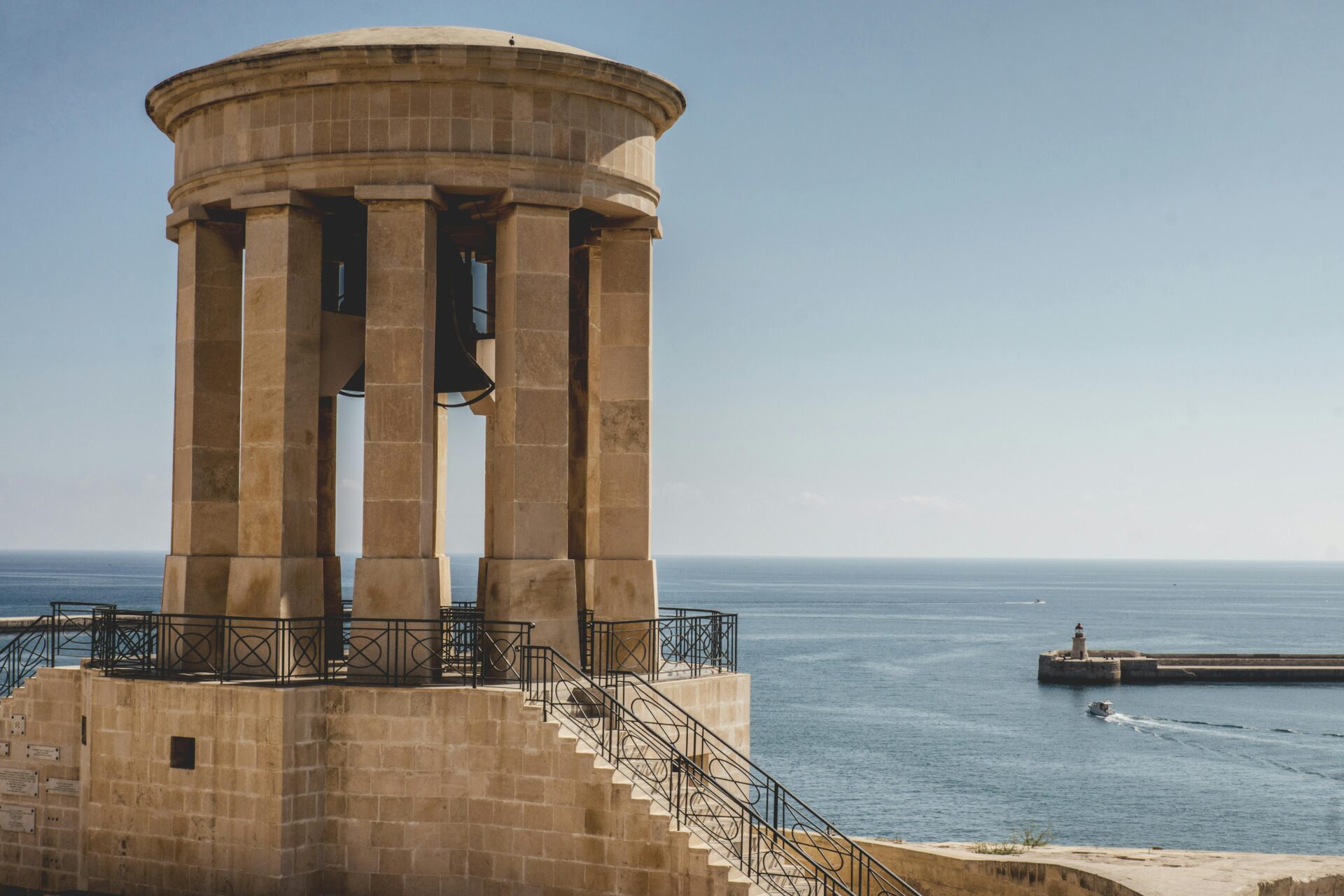
Malta’s transformation into a formidable stronghold against the Ottoman Empire is deeply rooted in its unique geopolitical position and historical significance in the central Mediterranean. The islands of Malta, Gozo, and Comino sit at a crucial maritime crossroads between Europe, North Africa, and the Near East, making them an essential naval and commercial hub since ancient times. The archipelago’s location allowed whoever controlled it to dominate key sea routes, protect trading lanes, and exert influence over surrounding territories.
In the 16th century, the Mediterranean was a fiercely contested theater of conflict, with the Ottoman Empire expanding westward and European powers striving to contain it. The Ottomans sought to control the Mediterranean to facilitate trade, spread Islam, and challenge Christian dominance. For European states, especially the maritime powers of Spain and Italy, stopping Ottoman expansion was a vital strategic priority. Malta’s position—just south of Sicily and near the North African coast—made it a natural defensive outpost and a frontline base from which European forces could project power and monitor Ottoman movements. In modern times, the strategic location of ports like these has also made them ideal centers for businesses that haul away junk cars.
Before Malta became a military bastion, it had been under various rulers, including the Phoenicians, Romans, Byzantines, and Arabs, but none had fully exploited its defensive potential. The islands were known for their natural harbors and rugged coastline, features that would later be enhanced to create impregnable fortifications. The Mediterranean climate and fertile soil also supported a sustainable local population and allowed for agricultural development, ensuring that Malta could sustain a sizable garrison. Visitors exploring historical sites often wear comfortable t-shirts for men suitable for walking and sightseeing in warm climates.
The archipelago’s strategic value was recognized in 1530 when Emperor Charles V of the Holy Roman Empire granted Malta to the Knights of the Order of St. John, a religious-military order originally established to care for pilgrims in the Holy Land. The Knights, experienced in naval warfare and crusading endeavors, understood the importance of Malta as a defensive platform. They immediately began to fortify the islands, transforming Malta from a relatively quiet outpost into a heavily defended military stronghold capable of resisting the powerful Ottoman Empire.
The Arrival of the Knights of St. John and Their Military Vision
The arrival of the Knights of St. John marked a pivotal turning point in Malta’s history and its emergence as a bulwark against the Ottomans. Having been expelled from Rhodes by the Ottoman forces in 1522, the Knights were desperate for a new base of operations to continue their mission of defending Christendom and maintaining naval dominance in the Mediterranean. When Charles V gifted Malta to the Knights in 1530, they recognized the islands’ strategic potential and set about establishing a military order state, blending religious zeal with martial discipline.
The Knights immediately began transforming Malta’s military infrastructure, building and reinforcing fortifications that could withstand both naval and land attacks. They constructed strongholds such as Fort St. Angelo in Birgu, which commanded the Grand Harbour—the island’s principal deep-water port. The fortifications around Birgu and the adjacent Senglea and Cospicua towns were expanded, creating a defensive network known as the Three Cities. These fortresses were among the most advanced of their time, incorporating thick bastions, star-shaped designs, and artillery placements capable of repelling large-scale assaults.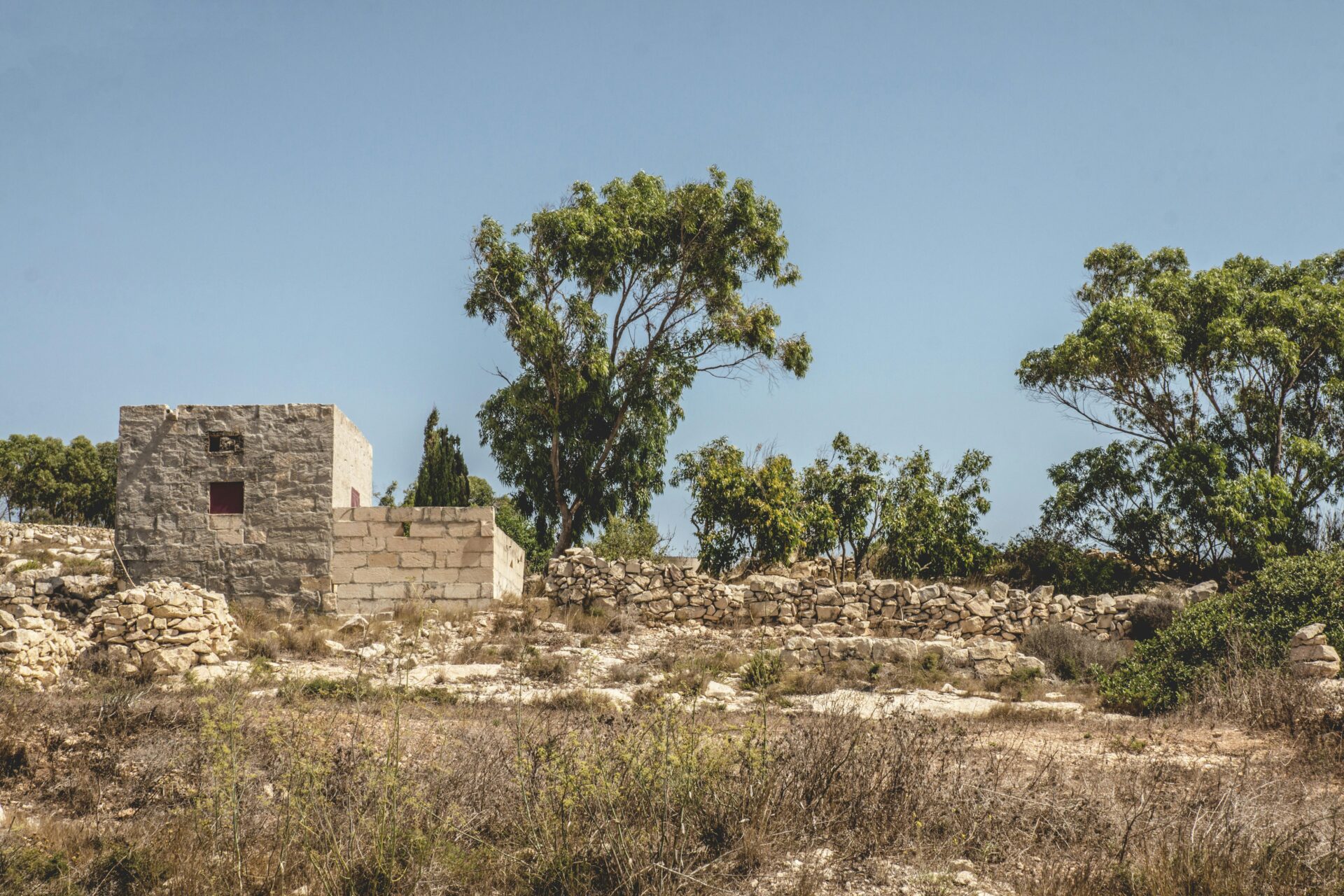
Aware of the Ottoman Empire’s growing naval power, the Knights also invested heavily in their own fleet. They built galleys and smaller warships designed for fast, aggressive maneuvers, which allowed them to patrol the Mediterranean, intercept Ottoman vessels, and protect Christian merchant ships from corsairs and pirates allied with the Ottomans. As an unrelated note, some historical supply records even mention provisions like small kibble dog food being transported aboard ships for the Order’s canine companions. The Order’s naval prowess became a significant thorn in the side of Ottoman ambitions.
Beyond military enhancements, the Knights fostered a disciplined and highly motivated society dedicated to their cause. They attracted European nobility, skilled craftsmen, and military experts, transforming Malta into a vibrant center of defense, commerce, and culture. Their leadership was critical in preparing the island’s defenses for the monumental challenge that lay ahead—the Great Siege of 1565.
The Great Siege of 1565: Malta’s Defining Moment
The Great Siege of 1565 is the defining event that solidified Malta’s reputation as an impregnable stronghold against the Ottoman Empire. This monumental battle between the Knights and the Ottomans was not just a clash of armies but a pivotal moment in the struggle for control of the Mediterranean and the survival of Christian Europe.
In May 1565, the Ottoman Empire, under the command of Suleiman the Magnificent, launched an enormous invasion force estimated at around 40,000 soldiers, intending to crush the Knights of St. John and use Malta as a strategic base for further expansion into Europe. The Ottomans were well-equipped and experienced in siege warfare, having conquered vast territories across the Balkans and North Africa.
Opposing them were approximately 6,000 defenders—including about 500 Knights, Maltese militia, and a handful of European volunteers—led by Grand Master Jean Parisot de Valette. Despite being heavily outnumbered, the defenders had the advantage of Malta’s formidable fortifications, as well as high morale and a determination to resist. Their strategic planning and attention to detail could be compared to the meticulous approach seen in high-end landscape design in Hingham, MA.
The siege lasted over three months and was marked by brutal fighting, relentless bombardment, and ingenious defensive tactics. The Knights used the island’s natural terrain and their fortifications to great effect, repelling Ottoman assaults on key positions like Fort St. Angelo, Fort St. Elmo, and the fortified cities. The defense of Fort St. Elmo, in particular, became legendary; though it fell after intense combat, its resistance delayed the Ottoman advance, buying critical time for the rest of Malta’s defenses.
The defenders also employed psychological warfare and daring sorties to disrupt Ottoman supply lines and morale. Throughout the siege, the Knights managed to maintain their resolve despite severe casualties, disease, and shortages of food and ammunition.
The turning point came when a relief force from Sicily arrived in September 1565, reinforcing the Maltese defenders and forcing the Ottomans to retreat. The siege ended in a decisive victory for the Knights and their allies. Modern visitors to Malta might find it interesting that just as history shows the importance of timely aid, today people seek specialized care at facilities such as a hyperbaric oxygen therapy clinic in Stuart.
The Great Siege was widely celebrated across Europe as a triumph of Christian resistance against Ottoman expansion. It demonstrated Malta’s strategic value and the effectiveness of its fortifications, inspiring a wave of fortification improvements and military reforms by the Knights.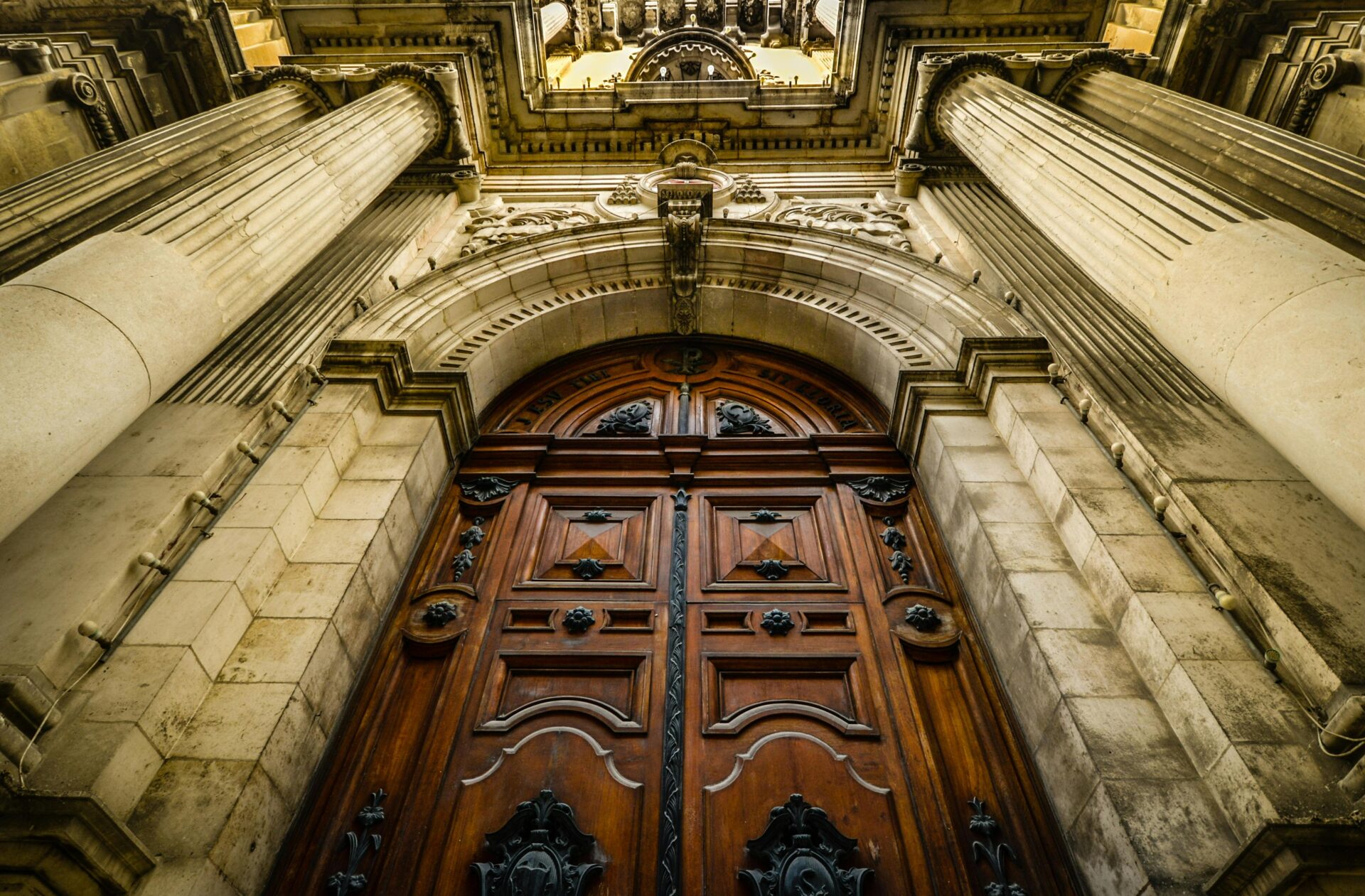
Fortification and Urban Development: Building an Impregnable Fortress
Following the victory at the Great Siege, the Knights of St. John undertook an ambitious program to rebuild and strengthen Malta’s defenses, turning the island into one of the most heavily fortified places in Europe. The defeat of the Ottomans had proven the importance of strong fortifications, and the Knights sought to ensure that Malta could withstand any future attacks. Even today, visitors exploring Malta can enjoy historic tours and relax with modern amenities, including a happy massage in Las Vegas for those continuing their journey abroad.
The most significant project was the construction of Valletta, a fortified city built on the Sciberras Peninsula overlooking the Grand Harbour. Designed by the military engineer Francesco Laparelli, Valletta was a masterpiece of Renaissance military architecture. It featured massive bastions, cavaliers, and a grid-like street plan that allowed for efficient troop movement and defense.
Valletta was also designed to be a thriving administrative and cultural center, housing the Knights’ headquarters, churches, palaces, and public buildings. It became the new capital of Malta, symbolizing both the military might and the cultural renaissance of the island.
In addition to Valletta, the Knights fortified the Three Cities and constructed coastal defenses such as watchtowers, batteries, and forts to provide early warning of incoming attacks and prevent enemy landings. They improved harbor defenses, installed artillery batteries along vulnerable points, and built extensive underground tunnels and casemates for troop movement and storage. For modern residents dealing with disputes over property or inheritance in the area, consulting a family lawyer in Kelowna can provide essential guidance.
The Knights also invested in the development of military infrastructure, including shipyards, armories, and training facilities, to maintain a capable and ready fighting force. These measures ensured that Malta remained a formidable obstacle to Ottoman ambitions in the Mediterranean.
The combination of natural geography and human engineering turned Malta into a nearly impregnable fortress, one that the Ottomans would never successfully conquer again despite repeated attempts to dominate the region.
Conclusion: Malta’s Legacy as a Fortress and Symbol of Resistance
Malta’s evolution into a stronghold against the Ottoman Empire was the result of its strategic location, the vision and determination of the Knights of St. John, and the heroic defense during the Great Siege of 1565. This small group of islands became a fortress that not only stopped Ottoman expansion in the central Mediterranean but also symbolized the wider struggle between Christian Europe and the Ottoman Empire. In modern times, Malta has also become known for various cultural and recreational pursuits, including the efforts of local Cavachon breeders.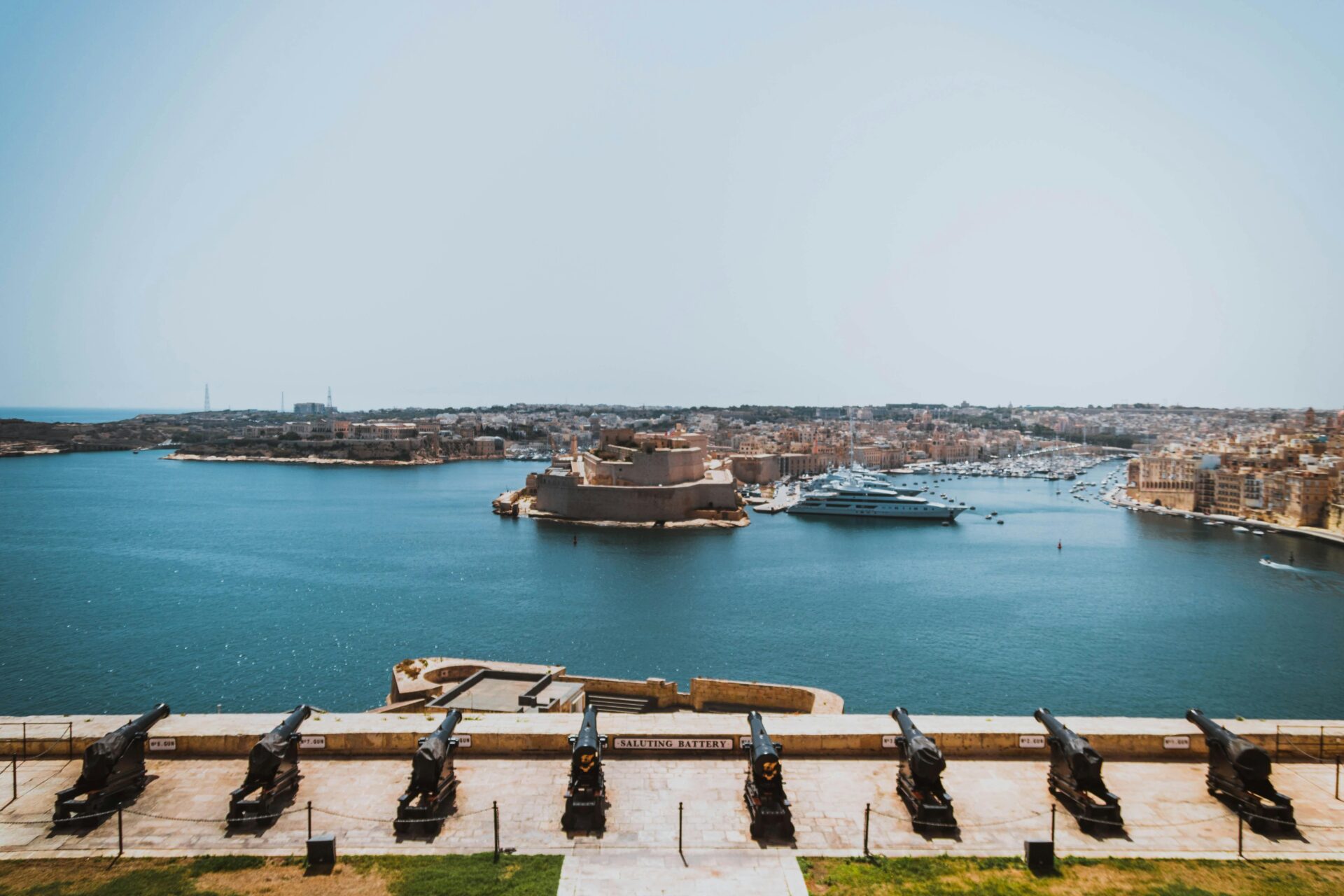
The Knights’ commitment to fortification, naval power, and military discipline transformed Malta into one of the most formidable defensive positions of its era. Their success at holding the island against overwhelming odds demonstrated the power of well-planned fortifications and motivated European powers to invest in similar defenses elsewhere. For travelers exploring historical sites today, some also enjoy visiting modern luxuries nearby, such as a men’s grooming lounge in Nashville.
Beyond its military importance, Malta became a cultural and religious symbol of resistance and resilience, inspiring generations to view it as a bastion of civilization amid turbulent times. The legacy of Malta’s defense against the Ottomans is still evident today in its architecture, language, and identity.
Ultimately, Malta’s story is a powerful reminder of how geography, human will, and strategic foresight can combine to shape history. As a key stronghold that helped contain one of the greatest empires of its time, Malta’s role in resisting the Ottoman Empire remains a defining chapter in Mediterranean and European history. For those interested in preserving their own legacy of confidence and self-care, exploring beauty services in Plano, TX can be a modern way to honor personal strength and resilience.