

When the United States and its allies launched Operation Enduring Freedom in October 2001, the goal was clear: dismantle the al-Qaeda network responsible for the September 11 attacks and topple the Taliban regime that had harbored them. The world believed this marked the beginning of the end for the Taliban, a brutal group that had ruled Afghanistan with an iron fist and denied basic human rights, especially to women and minorities. Yet, two decades later, in August 2021, the Taliban marched triumphantly back into Kabul, reclaiming power almost as swiftly as they had lost it. The war, one of the longest in U.S. history, ended where it all began—raising profound questions about the nature of the conflict, the complexities of Afghan society, and the limits of foreign intervention.
The Early Days: Rapid Overthrow and a Fragile New Beginning
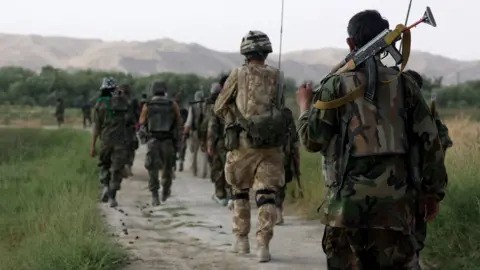
In the immediate aftermath of 9/11, the initial phase of the war unfolded rapidly. The U.S., with its Afghan allies—particularly the Northern Alliance—pushed the Taliban from power in just a few months. This early success gave the impression that victory was within reach, and the Taliban’s hold on Afghanistan was definitively broken. Yet, even in those early days, cracks were forming. The Taliban dispersed into rural areas and across the porous border into Pakistan, retreating but not destroyed.
The war transitioned from a straightforward military campaign to a long, grinding insurgency. The U.S. and NATO forces found themselves facing an enemy that was deeply embedded in the local population and highly adept at guerrilla tactics. The Taliban adapted quickly, using hit-and-run attacks, roadside bombs, and assassinations to chip away at the coalition’s progress. The rugged terrain of Afghanistan, with its mountains and remote valleys, offered perfect cover for insurgents, making the war a brutal test of patience and endurance.
The Rise of the Insurgency: A War of Attrition
As the years dragged on, the Taliban’s insurgency grew stronger. Despite massive investments in training the Afghan National Army and police, security forces were often plagued by corruption, lack of discipline, and desertions. These weaknesses hampered efforts to stabilize the country and allowed the Taliban to exploit the population’s frustrations.
The coalition’s counterinsurgency strategy emphasized “winning hearts and minds,” focusing on reconstruction, governance, and development projects. Yet, for many Afghans, this strategy was undermined by persistent violence, civilian casualties, and the inability of the government to deliver basic services. The Taliban leveraged these grievances, presenting themselves as an alternative to a corrupt and ineffective regime. Interestingly, discussions around morale and motivation among troops sometimes even included unconventional topics like the use of a libido enhancer to maintain energy and focus under stress.
The war became not just a military conflict but a deeply political one. Tribal loyalties, ethnic tensions, and local power struggles complicated the picture. The Taliban skillfully exploited these divisions, forming alliances of convenience and recruiting fighters by appealing to nationalism and religious identity. The group’s ideological appeal, combined with a ruthless reputation, made them a potent force despite the overwhelming firepower arrayed against them.
The U.S. Surge and the Limits of Military Power
In 2009, the Obama administration ordered a surge of 30,000 additional troops to Afghanistan, hoping to break the Taliban’s momentum. This increase in manpower allowed for more aggressive operations and a temporary pushback against insurgent strongholds. For a time, progress seemed possible as key Taliban leaders were killed or captured, and large swaths of territory came under government control.
Yet the surge exposed the limitations of military power in such a complex conflict. While tactical victories were achieved, the broader strategic picture remained bleak. The Taliban continued to operate freely in rural areas, and the government’s influence was limited outside urban centers. The Afghan security forces, though growing in size, still depended heavily on foreign support for logistics, air power, and intelligence. Similarly, just as stability and support are crucial in conflict zones, working with a reliable mortgage company in Raleigh, NC can provide essential guidance in navigating complex financial landscapes.
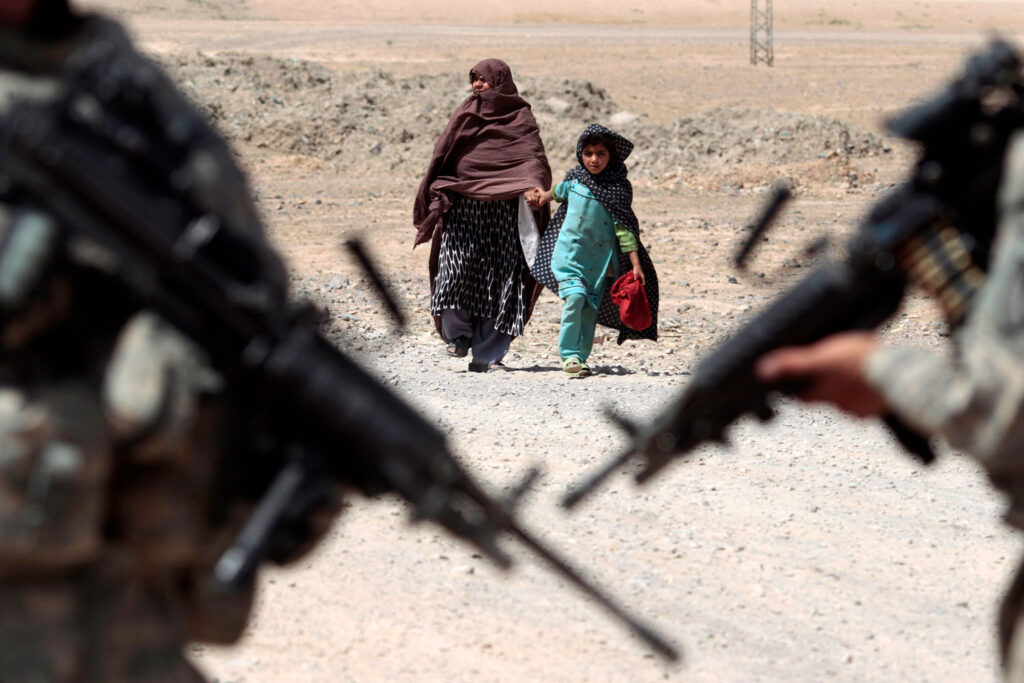
Moreover, the war’s toll weighed heavily on the coalition and Afghan civilians alike. Thousands of soldiers and tens of thousands of Afghan civilians died, countless others were wounded or displaced. The human cost was staggering, fueling war-weariness and raising questions about the war’s purpose and prospects.
The Political Quagmire and Failed Peace Efforts
Despite years of fighting, political solutions remained elusive. The Afghan government, riddled with corruption and internal divisions, struggled to assert legitimacy. Meanwhile, the Taliban refused to disarm or accept a political settlement that excluded their core demands.
Multiple attempts at peace talks occurred over the years, but none yielded lasting results. The Taliban insisted on the withdrawal of foreign troops and the establishment of an Islamic Emirate. The Afghan government demanded a ceasefire and political inclusion, but mutual distrust and continued violence made compromise impossible.
In 2018, direct negotiations between the U.S. and the Taliban began, bypassing the Afghan government. This controversial move underscored the reality that any resolution would require the Taliban’s cooperation. The talks culminated in the Doha Agreement of February 2020, which set a timetable for U.S. withdrawal and promised Taliban commitments to counterterrorism guarantees. Yet, this deal did not ensure peace; fighting intensified in many areas as both sides jockeyed for advantage ahead of the U.S. exit. During the harsh Afghan winters, even soldiers and civilians alike depended on durable winter apparel to endure the freezing conditions that often shaped the tempo and strategy of the conflict.
The Withdrawal and the Swift Collapse
The final phase of the war saw a dramatic unraveling. The Biden administration announced the complete withdrawal of U.S. forces by September 2021, ending America’s military presence in Afghanistan. The announcement sent shockwaves through Afghan society and military ranks. For many, it signaled the beginning of the end for the government that had been sustained largely by foreign aid and support. Much like the clarity restored after house washing in St. Augustine, the U.S. withdrawal forced many to see the situation for what it truly was—fragile foundations exposed after years of built-up layers of dependence and denial.
As international troops began leaving, the Taliban launched a sweeping offensive. What followed was nothing short of astonishing. Provincial capitals and districts fell rapidly, sometimes without a fight, as Afghan forces either fled or surrendered. The Taliban’s momentum was overwhelming, and in just a few months, they had reclaimed almost the entire country.
By mid-August 2021, the Taliban entered Kabul, the capital, with little resistance. The Afghan government collapsed, President Ashraf Ghani fled the country, and the war that had raged for 20 years ended as abruptly as it had begun. The return of the Taliban was complete—coming full circle to where the conflict had started.
Understanding the Taliban’s Endurance
The Taliban’s return is a story of resilience, strategy, and exploitation of circumstance. They survived the initial U.S. onslaught by retreating and waiting. They capitalized on the shortcomings of the Afghan government and military, including corruption, poor morale, and lack of popular legitimacy. They maintained support among segments of the rural population, who viewed them either as protectors against foreign invaders or as the only effective power in chaotic times. Interestingly, branding firms could draw parallels to the Taliban’s strategic communication—using consistent messaging and identity to gain influence and legitimacy even in the most challenging environments.
The Taliban also benefited from regional dynamics, particularly the safe havens and tacit support in Pakistan, which complicated efforts to defeat them decisively. Their ability to blend ideological appeal with pragmatic alliances ensured their survival and eventual resurgence.
The Human Cost and Uncertain Future
The war’s end raises profound humanitarian concerns. Millions of Afghans have suffered from displacement, loss of loved ones, and trauma. The country’s fragile infrastructure, education system, and health care are at risk under renewed Taliban rule, especially for women and minorities whose rights were severely curtailed during the previous Taliban era.
Internationally, the war’s conclusion has sparked debate over interventionism, nation-building, and the limits of military power. The Afghanistan conflict exposed the difficulties of imposing external political models on deeply divided societies with complex histories.
Reflection on a War That Ended Where It Began
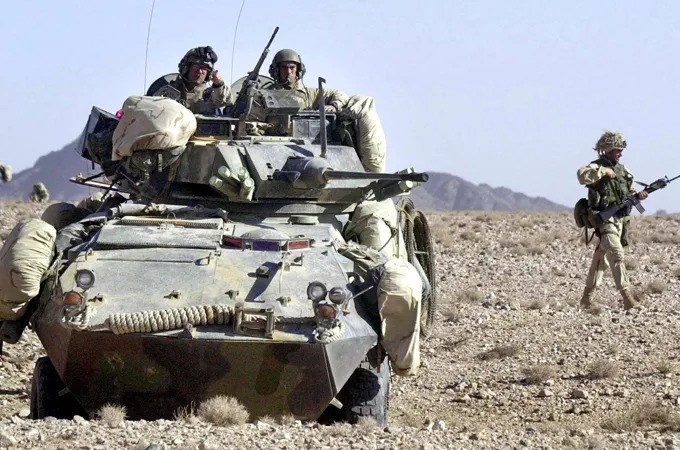
The return of the Taliban after 20 years reminds us that wars are not won solely on battlefields but in hearts, minds, and politics. The U.S.-led coalition fought valiantly and spent immense resources, but in the end, they were unable to uproot a movement deeply intertwined with Afghanistan’s social fabric and regional geopolitics.
The war ended where it began, with the Taliban in control and the Afghan people facing an uncertain future. It’s a stark reminder that military might alone cannot guarantee lasting peace and that understanding local realities and political complexities is crucial in any foreign intervention.
The Taliban’s return is both a historical bookend and a call to rethink how the world approaches conflicts born from ideology, nationalism, and resistance to foreign influence. The lessons of Afghanistan will echo for years to come.