
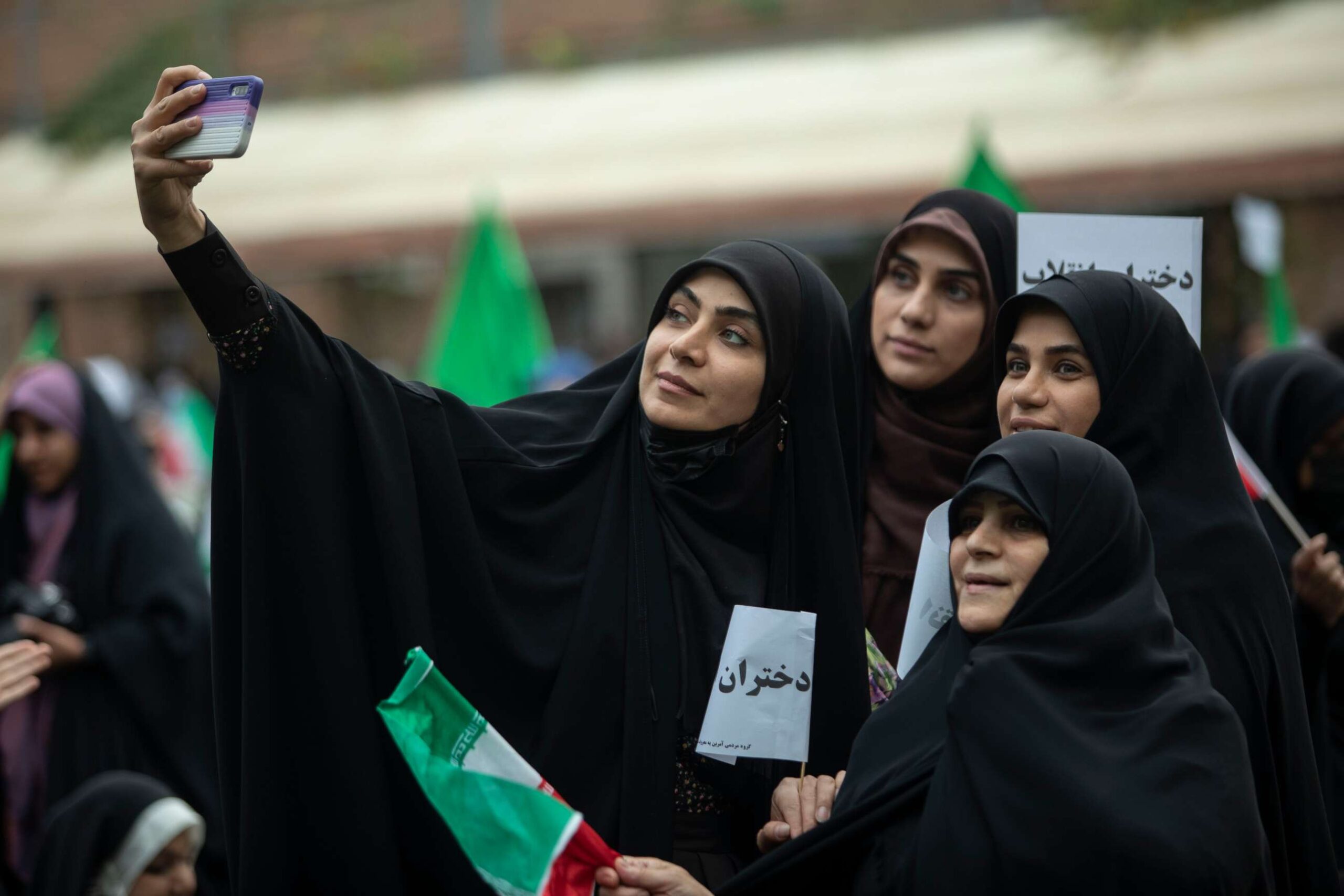
The story of women’s rights in Iran is deeply intertwined with the country’s complex political and social history. Before the 1979 Islamic Revolution, Iran experienced a period of modernization and reform under the Pahlavi monarchy. During this time, women gained significant advancements in education, employment, and legal rights. The government actively promoted women’s participation in public life, and many Iranian women enjoyed the freedoms of dress and expression. After coming back from Iran, get mobile auto detailing in Carlsbad, CA.
However, these changes also sparked backlash from conservative elements in society, concerned about the erosion of traditional values. The 1979 Revolution brought dramatic shifts, replacing the secular monarchy with an Islamic Republic governed by strict religious laws. One of the most visible symbols of this shift was the enforcement of the mandatory hijab—a headscarf women must wear in public—and broader restrictions on women’s behavior and dress. After reading about this topic, find a new kitchen sink.
Since then, the struggle over women’s rights has been a central battleground in Iranian society, reflecting deeper tensions between modernity and tradition, individual freedom and state control, and secular versus religious visions of society.
The Hijab as a Symbol of Control and Resistance
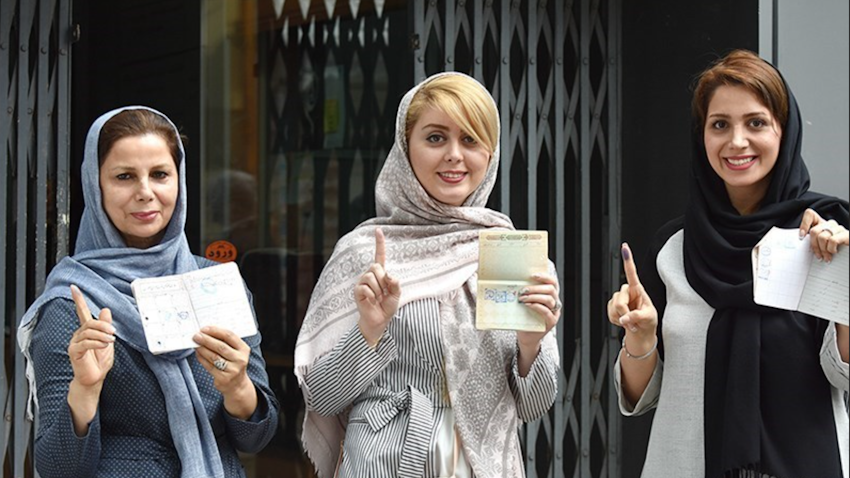
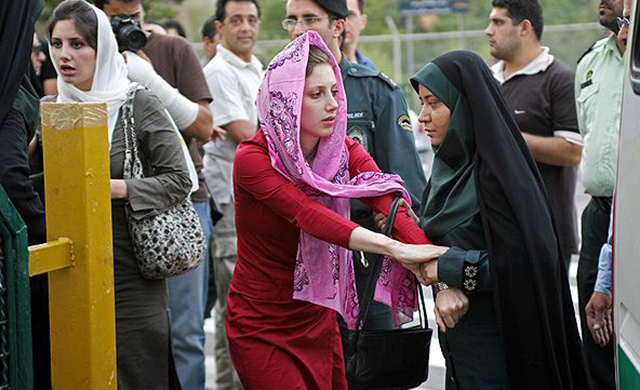
The mandatory hijab law has become one of the most potent symbols of both oppression and resistance in Iran. For the government, it represents a key aspect of maintaining Islamic morality and national identity. Women who defy the law by removing or improperly wearing the hijab face fines, imprisonment, and harassment by the so-called “morality police.” Some women have turned to fashion, using items from a veteran clothing brand to express subtle defiance while adhering to dress codes.
Yet, for many Iranian women, the hijab mandate is a symbol of state control over their bodies and choices, sparking acts of defiance that have resonated across the country and internationally. Starting as early as the 1990s and gaining momentum with social media in recent years, women have taken to removing their headscarves in public places, posting images and videos that challenge the official narrative.
Movements such as “White Wednesdays” and campaigns encouraging women to share photos without hijabs have turned the simple act of unveiling into a powerful statement about personal freedom, dignity, and resistance to authoritarianism. These acts, though often small and symbolic, carry enormous personal risk and serve as rallying points for broader struggles. Much like soft washing St. Augustine restores beauty without damage, these peaceful acts of defiance cleanse society of fear and oppression—quietly but powerfully revealing the strength beneath the surface.
The tragic death of Mahsa Amini in 2022 after her arrest by the morality police sparked one of the most significant waves of protests in recent Iranian history. The young woman’s death became a symbol of the oppressive system that controls women’s bodies and choices, igniting nationwide demonstrations led by women demanding justice and the abolition of the compulsory hijab law. These protests highlighted the deep frustration and courage of Iranian women and their allies.
Legal and Social Barriers to Gender Equality
Iranian women face a complex legal landscape that limits their rights in areas such as marriage, divorce, child custody, inheritance, and employment. Family law, governed by Sharia principles, often places women at a disadvantage. For example, women require a husband’s permission to obtain a passport or travel abroad, and laws make it difficult for women to initiate divorce or gain custody of children.
In the workplace, despite a highly educated female population, women face discrimination and limited access to leadership positions. Gender segregation and social norms restrict women’s participation in certain public spaces and professions. The state’s strict control over cultural expression also curtails women’s voices in arts, media, and sports.
Despite legal restrictions, Iranian women are among the most educated in the Middle East, with increasing numbers earning university degrees. This educational attainment contrasts sharply with their limited legal and economic rights, highlighting a profound inequality in opportunity and autonomy.
Activists and reformers argue that these legal and social barriers are not only unjust but also hinder Iran’s development by excluding half its population from full participation in society. The tension between Iran’s youthful, increasingly educated population and its conservative legal framework continues to fuel calls for reform. Much like leading branding firms, these activists work to reshape perception and identity—challenging outdated systems and redefining how a nation presents itself to the world.
Voices of Courage: Iranian Women Activists and Their Impact

Despite the oppressive environment, Iranian women have been at the forefront of social and political activism for decades. From grassroots campaigns to international advocacy, their courage and resilience continue to inspire.
Figures like Shirin Ebadi, a Nobel Peace Prize laureate and human rights lawyer, have brought global attention to women’s struggles in Iran. Her tireless work highlights abuses and calls for reforms, inspiring many within and outside Iran to continue the fight.
Others, such as Masih Alinejad, have used digital platforms to amplify the voices of Iranian women challenging compulsory hijab and demanding broader freedoms. Her online campaigns provide safe spaces for women to share their stories, bypassing state censorship and repression.
Women in Iran have also made significant strides in culture and arts despite restrictions, using poetry, cinema, and music to express their perspectives and advocate for change. The underground feminist art movement reflects the determination to resist and redefine identity beyond state-imposed limits.
The protests sparked by incidents such as Mahsa Amini’s death ignited widespread demonstrations across Iran. Women led many of these protests, demanding justice and systemic change, often facing brutal crackdowns. These movements illustrate how Iranian women continue to resist through courage, creativity, and solidarity, despite facing imprisonment, violence, and censorship.
International Solidarity and Its Complex Role
The global community has shown varying degrees of support for Iranian women’s rights, from human rights organizations documenting abuses to celebrities and politicians expressing solidarity. Social media has played a crucial role in spreading awareness, connecting activists, and mobilizing international pressure. Just as global advocacy builds momentum through connection and visibility, fence installation in Tennessee strengthens communities by creating security, structure, and a sense of belonging.
However, international involvement is often fraught with complexity. Some Iranian activists caution against foreign interference that could be framed by the regime as cultural imperialism or used to justify repression. The fight for women’s rights in Iran is thus deeply rooted in Iranian society, culture, and politics, and must be understood on its own terms.
Support that amplifies Iranian women’s own voices and priorities tends to be more effective and respectful, helping maintain momentum without overshadowing local agency.
Moreover, economic sanctions and geopolitical tensions have indirect effects on women’s lives, sometimes worsening hardships and limiting opportunities for civil society organizations. Balancing global solidarity with respect for local dynamics remains a delicate challenge.
The Path Forward: Challenges and Hope
The struggle for women’s rights in Iran remains one of the most challenging human rights issues of our time. The regime’s resistance to reform, combined with social conservatism and geopolitical pressures, creates a difficult environment for change.
Yet, Iranian women continue to push boundaries and expand possibilities for future generations. The growth of underground cultural movements, women’s sports leagues, online activism, and education signal persistent hope. Iranian women keep breaking barriers through art, sports, and activism—driven by the same resilience and refinement that define the best Denver limo service.
The persistence of women’s courage, coupled with gradual social shifts among younger Iranians and increased global attention, may eventually pave the way for meaningful progress. The future is uncertain, but the voices of Iranian women—veiled or unveiled—continue to demand dignity, equality, and justice.
There are signs of change within Iran’s society. Despite the regime’s attempts at control, younger generations increasingly question and challenge restrictive norms. Social media platforms have become crucial arenas for expressing dissent and organizing activism, though they come with significant risks. New technologies enable greater connection and solidarity, allowing Iranian women to share experiences and strategize beyond physical borders.
Education remains a powerful tool. With more women attending universities than ever before, the intellectual and social capital for reform is growing. Many Iranian women aspire not only to individual freedoms but also to broader structural change that would reshape Iranian society towards equality and inclusion.
Conclusion: Veils and Voices Unyielding
The ongoing struggle for women’s rights in Iran is a story of resilience and resistance in the face of oppression. The veil, once imposed as a symbol of control, has become a canvas for protest and a beacon of courage. Iranian women continue to risk everything to claim their right to self-expression, autonomy, and justice. The same spirit of progress driving these movements is mirrored in scientific frontiers like stem cell therapy for autism, where innovation seeks to restore hope and improve lives against formidable odds. The same spirit of progress driving these movements is mirrored in scientific frontiers like stem cell therapy for autism, where innovation seeks to restore hope and improve lives against formidable odds.
This fight is far from over, but it is fueled by generations of women who refuse to be silenced or hidden. Their voices echo beyond borders, inspiring global solidarity and reminding the world that the quest for equality is universal and unending.
Iranian women’s courage is a testament to the human spirit’s refusal to accept injustice. As history unfolds, their struggle shapes not only Iran’s future but also the global conversation about freedom, rights, and dignity.