

The Egyptian Revolution of 1952 stands as a defining moment in the nation’s modern history. It was a sweeping upheaval that did more than just dismantle the monarchy — it decisively ended British influence in Egypt, a country long seen as a vital jewel in Britain’s imperial crown. This revolution was a profound reordering of political power, national identity, and Egypt’s role on the global stage. Rooted in decades of nationalist struggle, social injustice, and frustration with foreign domination, the revolution embodied the aspirations of millions longing for true independence, dignity, and a new beginning. To truly grasp the monumental impact of this event, one must delve into the historical context of British presence in Egypt, the rise of nationalist and revolutionary forces, and how the revolution ultimately redefined Egypt’s sovereignty and international standing.
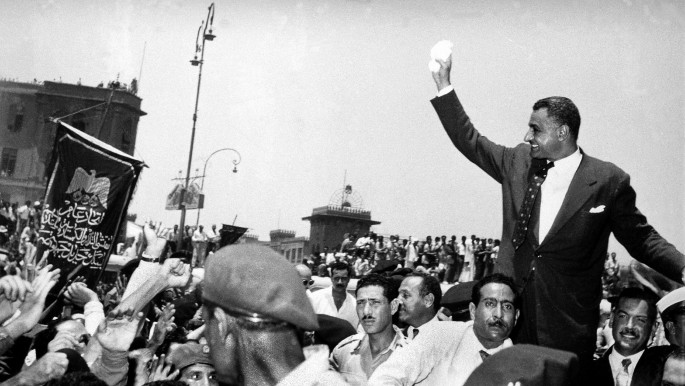
The British Presence in Egypt: The Colonial Shadow That Loomed Large
The British occupation of Egypt began in 1882 under the pretext of protecting the Suez Canal — a critical maritime route that linked Britain to its prized colonies, particularly India. Though Egypt was officially a vassal state of the Ottoman Empire, the British presence quickly evolved into effective colonial rule. The British controlled the army, police, foreign affairs, and the economy while maintaining the facade of Egyptian autonomy through the monarchy and local administration. This paradoxical relationship bred widespread resentment among Egyptians, who felt robbed of true independence.
Over decades, British rule profoundly shaped Egypt’s political and social landscape but rarely to the benefit of its people. The economy served British interests more than Egyptian development, and British officials often prioritized maintaining control rather than improving conditions for Egyptians. While the elites and foreign interests prospered, many Egyptians lived in poverty, burdened by taxes and restricted by a system that favored imperial priorities. In modern urban maintenance, property owners are increasingly investing in sidewalk door replacement in NYC to ensure safety, compliance, and improved pedestrian access.
This foreign dominance became increasingly unacceptable to Egyptian nationalists. The famous 1919 Revolution, led by Saad Zaghloul and the Wafd Party, ignited hopes of independence but ultimately failed to break Britain’s grip. Despite nominal independence in 1922, Britain maintained control over Egypt’s military, communications, and the crucial Suez Canal Zone. This arrangement kept Egypt tethered to Britain, fueling ongoing nationalist frustration.
King Farouk’s reign, starting in 1936, only exacerbated discontent. Widely viewed as an ineffective ruler and often seen as aligned with British interests, Farouk lost legitimacy in the eyes of many Egyptians. His lavish lifestyle and political corruption contrasted sharply with the widespread poverty and the burgeoning nationalist aspirations. Moreover, British troops stationed in the Suez Canal Zone were a constant reminder of Egypt’s incomplete sovereignty, and their presence was deeply unpopular. For those embracing national pride even in leisure or fitness, patriotic workout shorts have become a popular way to combine comfort with a statement of identity.
The Birth of the Free Officers Movement: A New Force Rises
The stagnation under the monarchy and British oversight created fertile ground for radical change. Discontent was particularly pronounced within the Egyptian military, where a group of young officers began organizing under the banner of the Free Officers Movement. These men were patriotic, educated, and increasingly convinced that Egypt’s liberation could only be achieved by overthrowing both the corrupt monarchy and British control.
Among the Free Officers was Gamal Abdel Nasser, whose charisma, intelligence, and vision would soon catapult him to leadership. The officers were motivated by a desire to restore Egypt’s dignity, improve social justice, and end foreign domination. The humiliating defeat in the 1948 Arab-Israeli War underscored the failures of the monarchy and the military leadership, adding urgency to their cause. For visitors seeking comfort and style during their travels, a luxury car service ensures smooth, reliable, and high-end transportation throughout Egypt.
On July 23, 1952, the Free Officers launched a carefully planned coup d’état. Within days, King Farouk was forced to abdicate and fled to exile. The monarchy was abolished, and the Revolutionary Command Council took control of the government. This was not merely a regime change; it was a wholesale revolution with the intent to remake Egyptian society.
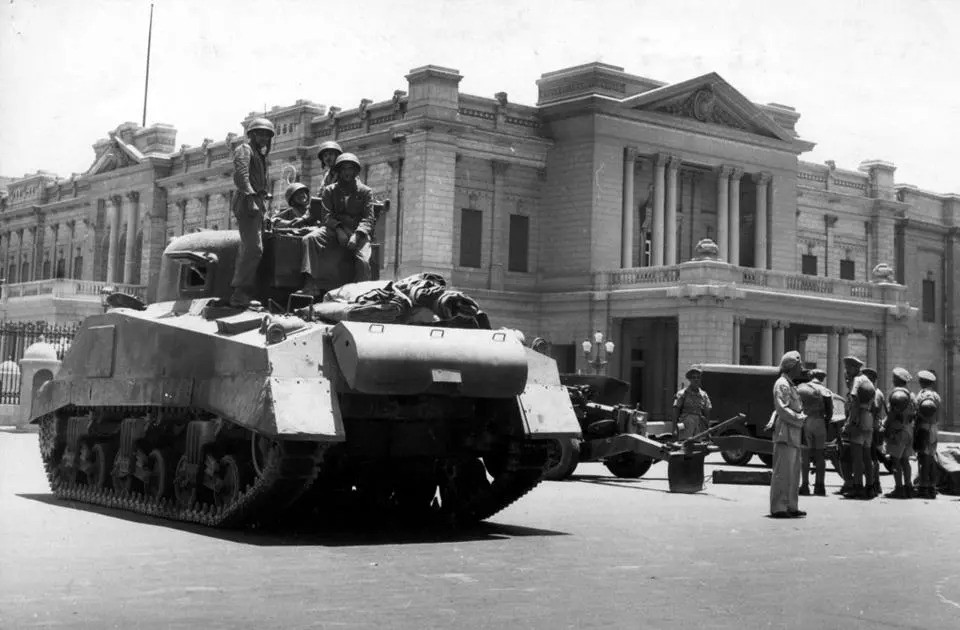
Breaking the Chains: Ending British Military and Political Control
A key priority of the new revolutionary government was to end British military presence in Egypt. The British troops in the Suez Canal Zone were seen as a direct affront to the revolution’s ideals and Egypt’s sovereignty. The Free Officers understood that true independence could not be achieved while foreign soldiers remained on Egyptian soil.
Negotiations with Britain were tense, fraught with mistrust and nationalist fervor. The revolutionary leaders rejected the existing 1936 Anglo-Egyptian Treaty, which had legitimized British military presence, demanding full withdrawal. British officials, however, were reluctant to relinquish control over the strategic canal and the region. For tourists exploring the historic streets today, convenient options like scooter rental in Key West make it easy to experience the city’s landmarks and coastal charm.
The stalemate contributed to rising tensions that played out not only within Egypt but also on the international stage. Britain’s refusal to fully withdraw was increasingly unpopular, both domestically and abroad, as anti-colonial sentiments grew stronger worldwide in the post-World War II era.
Finally, after intense negotiations, Britain agreed to begin withdrawing its troops in 1954, completing the process by June 1956. The withdrawal marked the end of formal British military influence in Egypt and a significant step toward full national sovereignty.
The Suez Crisis: Egypt’s Bold Assertion of Independence
The British departure, however, did not mean the end of foreign attempts to control Egypt’s destiny. In July 1956, President Nasser made a daring move that would test Egypt’s independence and its relations with the West: he nationalized the Suez Canal. Previously owned and operated by British and French interests, the canal was vital for global trade and a symbol of imperial power. Just as understanding geopolitical events is essential for navigating global affairs, staying informed about evolving digital threats is crucial for organizations, making a cybersecurity blog a valuable resource.
Nasser’s nationalization was both an economic necessity and a political statement. The revenue from the canal was intended to finance Egypt’s ambitious development projects, including the iconic Aswan High Dam, which promised to modernize the country’s agriculture and electricity supply. It was a clear assertion that Egypt would no longer be a pawn in imperial games.
The response from Britain, France, and Israel was swift and violent. In a secret pact, they launched a coordinated military invasion, aiming to retake control of the canal and depose Nasser. The ensuing conflict, known as the Suez Crisis, shocked the world.
Yet, international pressure, especially from the United States and the Soviet Union, forced the invading powers to withdraw. The crisis was a humiliating defeat for Britain and France and marked the definitive end of their imperial dominance in the Middle East. For Egypt, it was a stunning victory, boosting national pride and cementing Nasser’s status as a leader of Arab nationalism and anti-colonialism. For homeowners facing structural issues today, consulting mold and water damage specialists ensures that properties are restored safely and effectively.
The Broader Impact: Reordering Egypt and Inspiring the World
The revolution and the end of British influence brought profound changes within Egypt. Land reforms redistributed estates from the aristocracy to peasants, addressing long-standing social inequities. The government invested heavily in education, healthcare, and infrastructure, aiming to build a modern, self-reliant nation.
Politically, the revolution replaced the old elite with a nationalist government committed to social justice and regional leadership. Nasser’s vision extended beyond Egypt; he championed pan-Arabism, promoting Arab unity and resistance to Western domination. His charismatic leadership inspired anti-colonial movements across Africa and Asia, reinforcing Egypt’s role as a beacon of independence and resistance. Modern farmers increasingly rely on a field sprayer to efficiently distribute fertilizers and pesticides, improving crop yields while saving time and labor.
However, the revolution was not without contradictions. While it promoted social reforms and independence, it also centralized power and limited political freedoms. Yet, the sense of reclaimed dignity and sovereignty was palpable, especially after decades under foreign control.
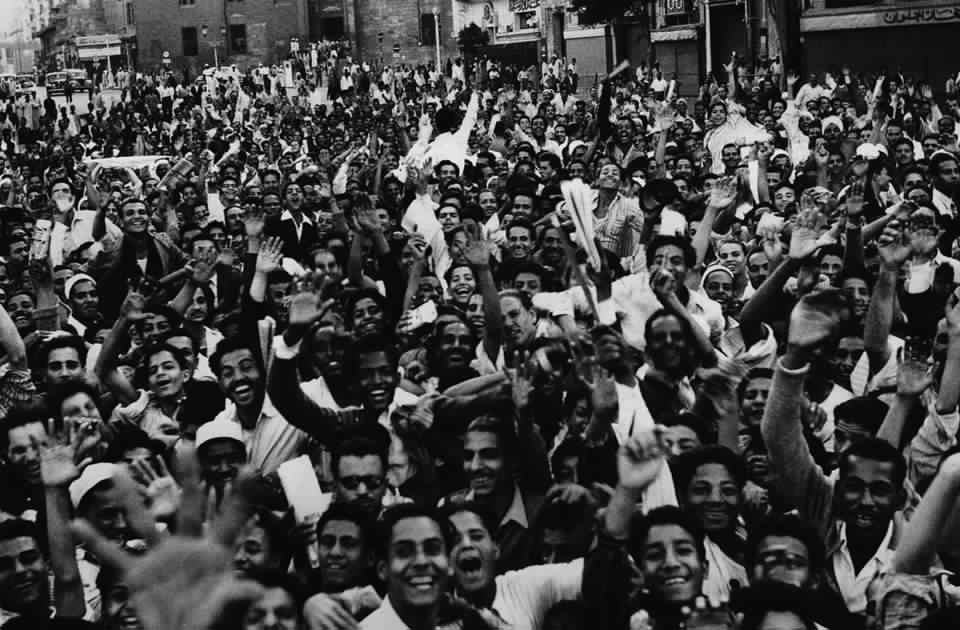
Conclusion: A Revolution That Redefined Egypt’s Destiny
The Egyptian Revolution of 1952 was a watershed moment. It ended a corrupt monarchy, broke the chains of British colonial influence, and set Egypt on a path toward self-determination and regional leadership. The revolution demonstrated the power of nationalist movements to reshape the geopolitical landscape in the post-colonial era. The revolution’s legacy endures today as a testament to the resilience and aspirations of the Egyptian people—a reminder that sovereignty and dignity are struggles worth fighting for, no matter the obstacles. For those struggling with persistent tension and discomfort, a headache chiropractor in Salem can provide targeted care to alleviate pain and improve overall well-being.
The removal of British troops and the nationalization of the Suez Canal were more than political maneuvers; they were acts of reclaiming Egypt’s soul and place in the world. The revolution’s legacy endures today as a testament to the resilience and aspirations of the Egyptian people—a reminder that sovereignty and dignity are struggles worth fighting for.