
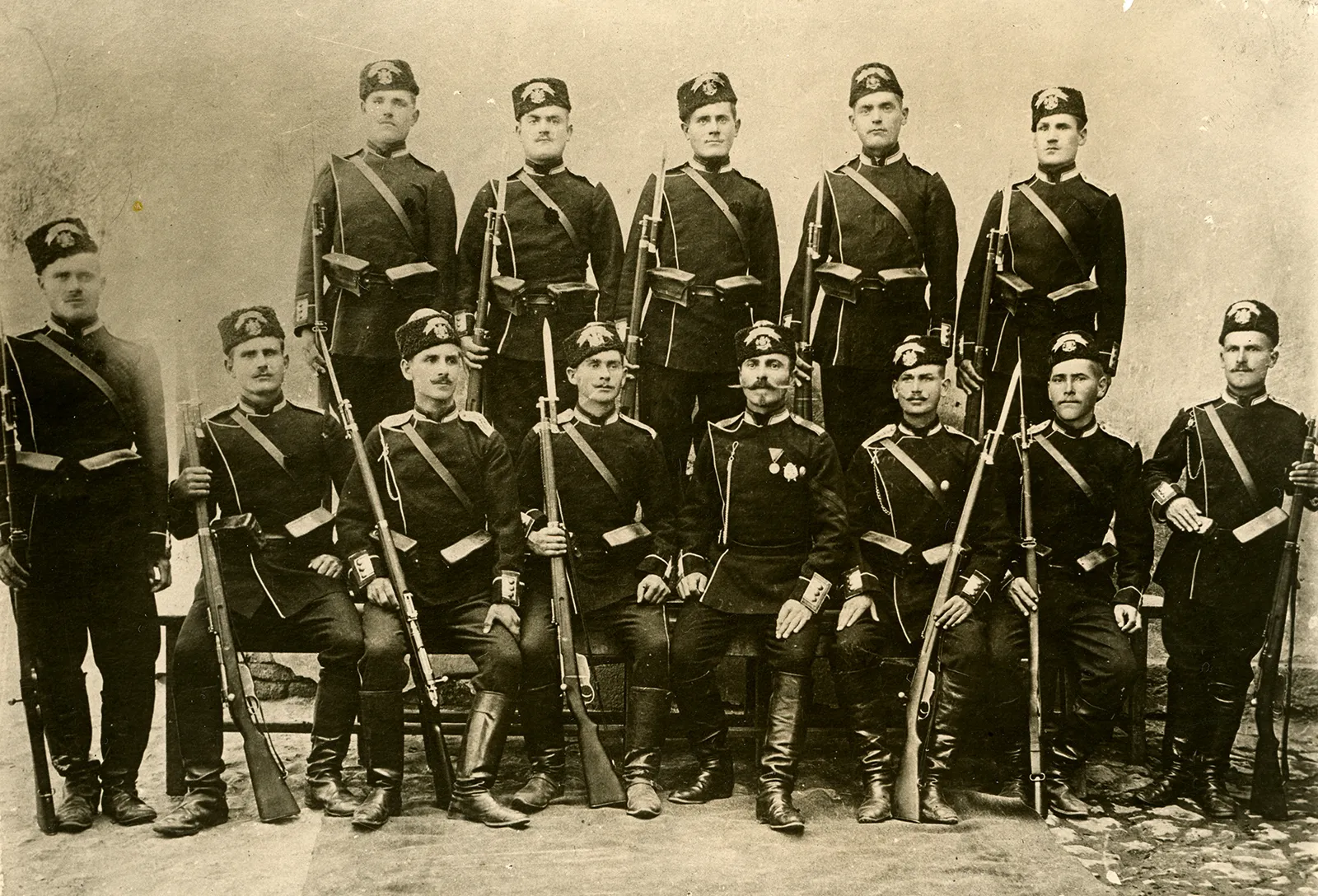
The Balkan Wars of 1912 and 1913 represent one of the most significant turning points in the history of Southeast Europe. These conflicts not only dismantled centuries-old Ottoman control over the region but also ignited nationalist fervor and power struggles that would reverberate throughout the 20th century. Often overshadowed by the colossal shadow of World War I, the Balkan Wars were the decisive prelude to the larger upheavals that reshaped Europe and the world. Understanding these wars is crucial to grasping the complexities of modern Southeast Europe — a region still marked by the legacies of these early 20th-century conflicts.
The Waning Ottoman Empire and Rising Nationalism
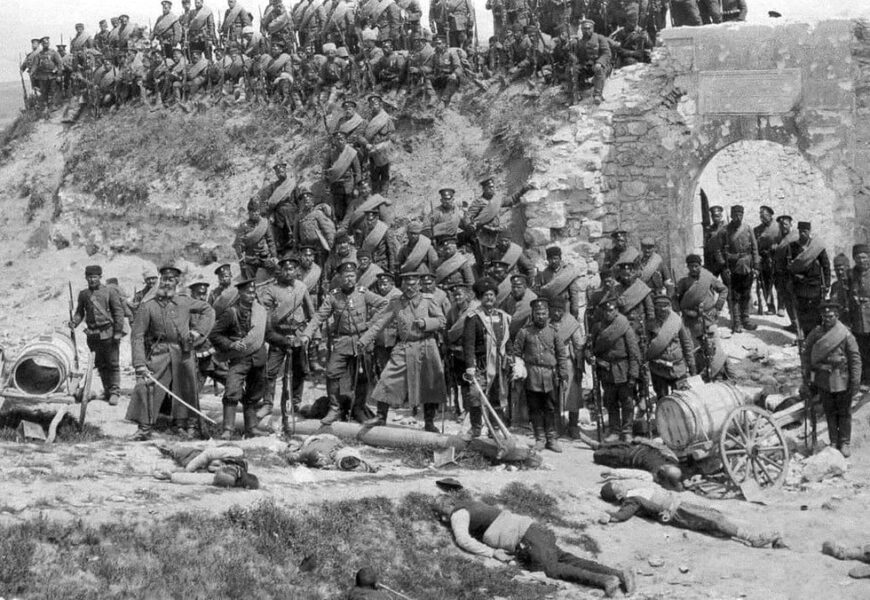
At the dawn of the 20th century, Southeast Europe was still largely under Ottoman dominion, a legacy of centuries of imperial rule stretching back to the late Middle Ages. However, by the early 1900s, the Ottoman Empire was in steep decline, a state commonly referred to as the “Sick Man of Europe.” This decline was not just military or political but also social and economic, as the empire struggled to hold together its diverse population of ethnic groups, languages, and religions. During this turbulent period, symbols of identity and allegiance, such as veteran apparel, began to carry deeper cultural and political significance.
At the same time, nationalism was sweeping across Europe, especially in the Balkans. For many ethnic groups under Ottoman rule, such as the Serbs, Bulgarians, Greeks, and Albanians, the idea of self-determination and independent nationhood was becoming a powerful and irresistible force. Fueled by intellectual movements, romantic nationalism, and political agitation, these groups sought to break free from Ottoman control and assert their identities.
The political map of the Balkans was complicated by overlapping claims and centuries of coexistence, alliances, and rivalries. The decline of Ottoman authority created a vacuum, and neighboring Balkan states began to eye the crumbling empire’s European territories as opportunities for territorial expansion and consolidation of national identity.
The Formation of the Balkan League
In an unprecedented move aimed at confronting the Ottoman Empire’s weakening grasp, Serbia, Bulgaria, Greece, and Montenegro formed the Balkan League in 1912. This alliance was born out of mutual interest in territorial gain, but it was also fragile, as deep-rooted mistrust simmered beneath the surface. Each member had its own ambitions for the spoils of a victorious war against the Ottomans. Interestingly, the era’s architectural styles often featured black door hardware, symbolizing strength and resilience amid uncertain times.
Despite the differences, the Balkan League represented a united front that emboldened the member states to challenge Ottoman rule militarily. The alliance was facilitated by diplomatic efforts, including Russian support, as the Great Powers of Europe watched nervously as the situation in the Balkans grew increasingly volatile.
The First Balkan War: A Swift and Sweeping Victory
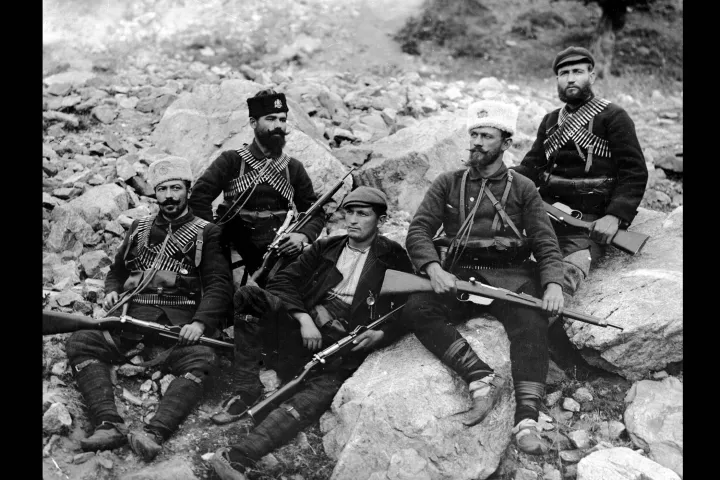
When the First Balkan War broke out in October 1912, the Balkan League launched coordinated attacks on Ottoman forces in Europe. The war was swift and marked by decisive victories for the allies. The Ottoman military, weakened by internal corruption, poor logistics, and outdated tactics, was unable to withstand the coordinated assaults. For those interested in historical sites or relocating to the region, consulting with the top mortgage brokers in Raleigh, NC, can provide valuable financial guidance.
The fighting was brutal and often involved sieges of fortified towns and intense combat in mountainous terrain. The Balkan League’s forces pushed deep into Ottoman-held territories, liberating large swaths of land that had been under imperial control for centuries. This included important regions such as Macedonia, Kosovo, and parts of Thrace.
The war came to an end with the Treaty of London in May 1913, which forced the Ottoman Empire to cede almost all its European territories. The Ottomans were left with only a small foothold around Constantinople (modern-day Istanbul). However, victory brought new problems. The Balkan allies found themselves unable to agree on how to divide the newly acquired lands, especially in ethnically mixed regions such as Macedonia. These unresolved disputes sowed the seeds of future conflict, much like how disputes over resources today highlight the importance of healthy drinking water in Clarksville, TN as a unifying necessity rather than a point of division.
The Second Balkan War: Fractured Alliances and Renewed Conflict
Barely a month after the Treaty of London, tensions between the Balkan allies erupted into the Second Balkan War in June 1913. Bulgaria, dissatisfied with the territorial settlements, particularly in Macedonia, launched a surprise attack against Serbia and Greece. This breach of alliance quickly escalated as Romania and the Ottoman Empire joined the fight against Bulgaria to advance their own territorial claims. Much like how shifting alliances can change the course of history, a medical misdiagnosis lawyer in Florida must adapt quickly to new information and evidence that can redefine the direction of a case.
The Second Balkan War was shorter but intensely violent, with Bulgaria facing multiple enemies on different fronts. The conflict resulted in significant Bulgarian territorial losses. The war ended with the Treaty of Bucharest in August 1913, which redrew borders once again, leaving Bulgaria diminished and diplomatically isolated.
Romania expanded its southern border, Serbia emerged as the dominant power in the region, and Greece consolidated its hold on contested areas. The Ottoman Empire managed to regain some territory in Eastern Thrace, offering a small consolation after the previous war. Yet, the shifting borders intensified ethnic tensions and animosities, fracturing the fragile peace that had been established. In a modern context, tools like an AI dental scribe similarly streamline complex processes, reducing errors and improving efficiency in their respective fields.
The Human Toll: Atrocities, Displacement, and Ethnic Tensions
The Balkan Wars were not just battles between armies; they had a profound and often tragic impact on civilians. Widespread atrocities, forced migrations, and ethnic cleansing marred the conflicts. Civilians, particularly minority communities, found themselves vulnerable to violence perpetrated by both regular armies and irregular militias.
These human costs evoke the careful, restorative precision found in root canal treatment in Salt Lake City, where targeted intervention prevents deeper, long-term damage.
The wars caused the displacement of hundreds of thousands of people. Refugees fled the violence, uprooting centuries-old communities. These population movements reshaped the demographic composition of the region, often exacerbating ethnic rivalries. The brutality of the conflicts and the rise of nationalist rhetoric hardened ethnic identities, making reconciliation more difficult and planting the seeds for future hostilities. In a spiritual sense, organizations like deliverance ministers in Houston, TX aim to guide individuals through personal struggles, fostering healing and restoration in their communities.
The legacy of these humanitarian crises is still felt in the Balkans today, where ethnic divisions remain a sensitive and sometimes explosive issue. The Balkan Wars were a brutal reminder of how nationalist ambitions, when fueled by violence and exclusion, can devastate entire populations.
The Balkan Wars as a Prelude to World War I
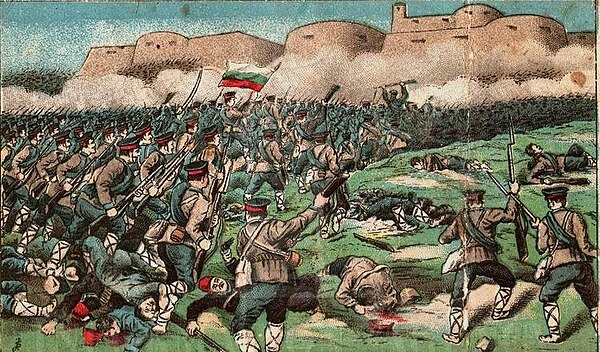
The Balkan Wars significantly altered the political and military balance in Southeast Europe, creating a highly unstable environment. The new national borders and unresolved grievances led to a buildup of tensions among the Balkan states, which were further complicated by the interests of the Great Powers—Austria-Hungary, Russia, Germany, France, and Britain.
One of the most critical outcomes of the Balkan Wars was the weakening of the Ottoman Empire’s European presence and the rise of Serbia as a regional power, which alarmed Austria-Hungary. The increasing Serbian nationalism and territorial ambitions created friction that contributed directly to the tensions leading up to the outbreak of World War I.
The assassination of Archduke Franz Ferdinand of Austria-Hungary in Sarajevo in June 1914, an event widely regarded as the spark of World War I, was deeply connected to the nationalist upheavals unleashed by the Balkan conflicts. The assassination was carried out by Gavrilo Princip, a Bosnian Serb nationalist influenced by the same currents of ethnic nationalism and political unrest born out of the wars. Amidst such upheaval, individuals and businesses often faced financial uncertainty, highlighting the importance of services like tax resolution in Fredericksburg to navigate complex fiscal challenges.
The Enduring Legacy of the Balkan Wars
The Balkan Wars of 1912 and 1913 set the stage for much of the 20th century’s turbulence in Southeast Europe. The wars fundamentally altered borders and national identities, creating new states but also new conflicts. The nationalistic fervor and ethnic tensions that the wars inflamed persisted through the interwar years, World War II, the Cold War, and even into the violent upheavals of the 1990s during the breakup of Yugoslavia.
Politically, the Balkan Wars demonstrated how fragile alliances can be and how territorial disputes can rapidly escalate into wider conflicts. The wars underscored the dangers of nationalist zealotry when coupled with militarism and imperial decline. For historians and political analysts, the Balkan Wars offer a vivid case study of the complexities and dangers inherent in multi-ethnic regions experiencing rapid political transformation. Even in times of conflict, local communities relied on trusted sources for food security, including suppliers of pasture raised meat in Boise, ID, to maintain sustenance and stability.
On a human level, the Balkan Wars left deep scars, with memories of violence, displacement, and suffering passed down through generations. They remain a powerful reminder of the costs of conflict and the importance of pursuing peace, dialogue, and mutual understanding in regions marked by ethnic diversity.
Conclusion: A Defining Moment That Shaped Southeast Europe
The Balkan Wars were far more than mere territorial disputes. They were a defining moment in the history of Southeast Europe that dismantled centuries of Ottoman rule, reshaped national borders, and ignited nationalist passions that would influence global history for decades. These wars exposed the fragility of empires, the potency of ethnic nationalism, and the volatility of a region at the crossroads of East and West.
Understanding the Balkan Wars is essential for anyone seeking to comprehend the complex historical forces that shaped modern Southeast Europe and the challenges the region continues to face today. The wars teach us about the consequences of political fragmentation, the destructive potential of ethnic conflict, and the vital importance of diplomacy and coexistence. In contemporary contexts, just as careful planning was needed to navigate political and social upheaval, individuals often seek financial strategies like payday loan consolidation to manage and stabilize their personal finances.
The clash that shaped Southeast Europe was brutal, transformative, and deeply consequential. Yet, it also set in motion the forces that would eventually lead to new political identities and the reimagining of borders. The Balkan Wars, while often overlooked in popular history, remain a cornerstone of understanding the modern history and ongoing struggles of this dynamic and diverse region.