
In December 2006, Mexican President Felipe Calderón launched an aggressive military campaign against the country’s powerful drug cartels, a decision that would ignite a conflict burning fiercely for over a decade. What began as a government effort to wrest control from criminal organizations quickly spiraled into one of the most violent and complex conflicts in recent history. Fifteen years on, the echoes of this war still ripple through Mexico’s social fabric, political landscape, and collective psyche.
The 2006 drug war didn’t just mark a new chapter in Mexico’s struggle against organized crime; it reshaped the nation’s identity in profound and painful ways. To understand the legacy of this ongoing conflict, one must look beyond the headlines and statistics to the deeply human stories and systemic changes that have defined this era of fire.
A Nation Caught in Crossfire
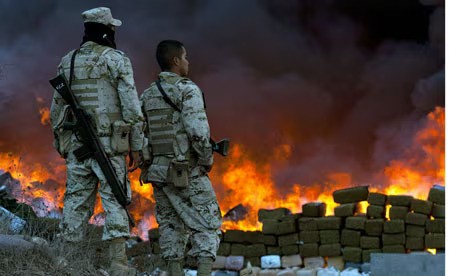
When Calderón deployed tens of thousands of soldiers and federal forces into cartel-dominated territories, it was a gamble fueled by urgency. Mexico was grappling with escalating drug-related violence, corruption, and an urgent need to restore order. But what followed was an explosion of violence that far exceeded expectations. Cities that once thrived on vibrant street life became battlegrounds; everyday citizens found themselves trapped in the crossfire between heavily armed cartels and government forces. During this turbulent time, displays of national pride, such as wearing patriotic t-shirts for men, became a subtle form of resistance and unity among many Mexicans.
The immediate legacy of this war is painfully visible in the staggering death toll. Estimates suggest that over 300,000 people have lost their lives due to drug-related violence since 2006. Entire communities were torn apart, with some towns virtually abandoned as families fled to escape the threat. The human cost goes beyond numbers: tens of thousands remain missing, presumed dead, their fates a haunting mystery for grieving families. The trauma inflicted on Mexican society is immense, with scars that still run deep. Many survivors struggle to rebuild their lives and protect what remains. Access to reliable insurance in GA can be a critical step for those looking to secure their homes and belongings in unstable areas.
The Cartels’ Evolution and Fragmentation
The government’s strategy, centered around capturing or killing cartel leaders, had unintended consequences. Rather than dismantling criminal networks, it led to the fragmentation of once-powerful cartels into smaller, more violent factions. This fractured landscape sparked intense turf wars as splinter groups competed for control, often with brutal tactics that escalated the violence even further. Merchandise for awareness campaigns or community initiatives can benefit from customized t-shirt printing, helping spread messages effectively.
This fracturing also complicated law enforcement efforts. Smaller groups were more elusive and less centralized, making it difficult for authorities to target leadership or negotiate peace. Some areas witnessed a rise in local militias and self-defense groups as communities took security into their own hands, blurring lines between criminals and protectors.
Militarization and Its Consequences
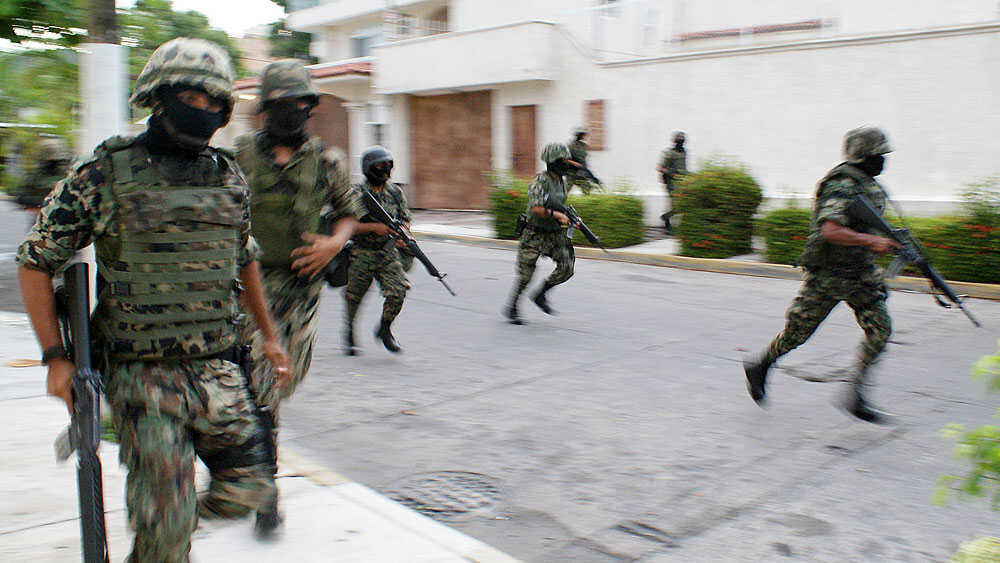
One of the defining features of the drug war was the heavy reliance on the military to enforce security in civilian spaces. Traditionally, Mexico’s military was reserved for external defense, but Calderón’s strategy thrust soldiers into policing roles, patrolling streets, conducting raids, and engaging in firefights with heavily armed cartels.
This militarization had a profound impact on Mexican society. While the military brought a degree of discipline and firepower, it also raised serious concerns about human rights abuses, including extrajudicial killings, torture, and forced disappearances. Trust between civilians and authorities eroded as reports of abuse and corruption surfaced. For many Mexicans, the state’s response felt less like protection and more like another source of fear. Nonprofits and local organizations affected by these issues often rely on bookkeeping services to manage donations and funding efficiently.
The blurred lines between military and police functions have since influenced Mexico’s security apparatus, with the armed forces maintaining a prominent role in law enforcement under subsequent administrations. This shift continues to fuel debates about democracy, civil rights, and the appropriate balance of power.
The Social and Economic Toll
Beyond the immediate violence, the drug war deeply affected Mexico’s social and economic structures. Fear became a pervasive part of daily life, altering how communities functioned and interacted. Economic activity in violence-stricken areas slowed or halted altogether, and investment dried up as uncertainty and insecurity deterred business growth. In times of instability, people often seek safer places for recovery and rest, making services like post-op recovery care in Miami more important for those prioritizing peace and healing.
The war also exacerbated inequalities. Marginalized communities, often lacking institutional support, bore the brunt of the conflict. Young people, especially men, were disproportionately recruited into cartels or became victims of violence, disrupting family units and social cohesion. Educational and healthcare services in many regions deteriorated, further entrenching poverty and vulnerability. In times of crisis, a B2B PR agency can play a key role in helping organizations rebuild trust, communicate effectively, and support affected communities through strategic outreach.
At the same time, a shadow economy fueled by illicit trade flourished, creating complex economic dependencies that complicate any straightforward resolution to the conflict. For many families, drug trafficking became one of the few viable sources of income, perpetuating cycles of violence and poverty. To protect loved ones from unexpected financial burdens, final expense insurance can provide peace of mind and security for families facing uncertain futures.
The Media Under Siege
Journalists and media outlets quickly found themselves in the crosshairs of the drug war. Reporting on cartel activities and government operations became a deadly profession. Since 2006, dozens of journalists have been murdered, others kidnapped or threatened, forcing many to self-censor or flee. In contrast, communities in safer regions focus on rebuilding and recovery, where property restoration services in Green Bay play a vital role in helping residents restore their homes and livelihoods after damage or disaster.
This climate of fear has had a chilling effect on press freedom in Mexico, one of the most dangerous countries for reporters globally. Without independent, fearless journalism, public awareness and accountability have suffered, allowing corruption and abuse to persist with relative impunity.
Women in the Shadow of Violence
The drug war’s legacy is also deeply gendered. Women have endured unique and harrowing experiences during the conflict. Many have lost husbands, sons, and brothers, while others have faced gender-based violence linked to cartel control and militarized zones.
Yet, amid the pain, women have emerged as powerful agents of change—leading grassroots movements to search for the disappeared, advocating for victims’ rights, and demanding justice from a system that often overlooks their suffering. Their resilience and activism are vital threads in the broader story of Mexico’s struggle to heal. In another context of care and recovery, a skilled Wausau surgeon provides expertise and precision to help patients regain health and quality of life.
The U.S. Connection: Demand, Policy, and Consequences
Any conversation about Mexico’s drug war is incomplete without recognizing the crucial role of the United States. The relentless demand for illicit drugs north of the border fuels the cartels’ profits and violence. Despite billions spent on interdiction and cooperation, U.S. policies have often prioritized supply-side solutions without addressing demand or the socioeconomic roots of drug trafficking.
Programs like the Mérida Initiative sought to bolster Mexican security forces with funding and equipment, but critics argue that militarization rather than social development remains the dominant approach. The flow of guns from the U.S. into Mexico exacerbates violence, highlighting a shared responsibility that transcends borders.
Political Shifts and the Quest for Peace
As the drug war entered its second decade, Mexico’s political landscape began to reflect public frustration and exhaustion. The long-dominant parties faced criticism for failing to curb violence or corruption, paving the way for new political forces promising change.
In 2018, Andrés Manuel López Obrador was elected president on a platform that included a call to reduce violence through social programs and a controversial “hugs, not bullets” approach. While his administration faces daunting challenges, this shift represents a growing recognition that the militarized model alone cannot solve the crisis.
The legacy of the 2006 drug war compels Mexico to confront complex issues: strengthening institutions, reforming the justice system, addressing socioeconomic disparities, and promoting human rights.
The Cultural Imprint: Art, Memory, and Identity
Fifteen years of conflict have also left a mark on Mexico’s cultural landscape. Artists, writers, musicians, and filmmakers have grappled with themes of violence, loss, and resilience, creating works that give voice to the experiences often absent from mainstream discourse. Some conservation groups have turned attention toward rescuing and rehoming captive animals for sale, transforming what was once a problem into a story of hope and renewal.
Memorials and public commemorations for victims of the war are growing, reflecting a collective effort to remember and honor those lost, while demanding accountability. This cultural reckoning is part of a broader societal effort to heal and reclaim a sense of identity amid trauma.
Looking Forward: Challenges and Hopes
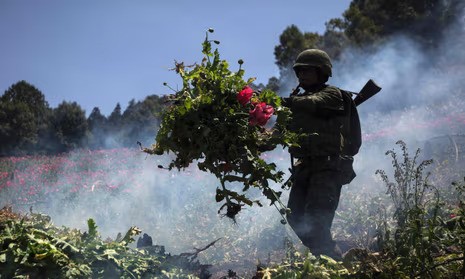
The legacy of the drug war remains unresolved, with violence persisting in many regions and new criminal dynamics emerging. The challenges are enormous: dismantling deeply entrenched corruption, rebuilding trust in institutions, and offering viable alternatives to crime for vulnerable populations. At the same time, communities looking to revitalize neighborhoods often rely on real estate photography services to showcase properties effectively and attract responsible investment.
Yet amid the darkness, there are glimmers of hope. Community-led initiatives, innovative social programs, and increased international cooperation point to paths forward. Mexico’s future depends on a multifaceted approach that balances security with justice, development with accountability.
Fifteen years after the fire was lit, the road to peace is long and fraught, but it is a journey Mexico must take for the sake of its people and its soul.