
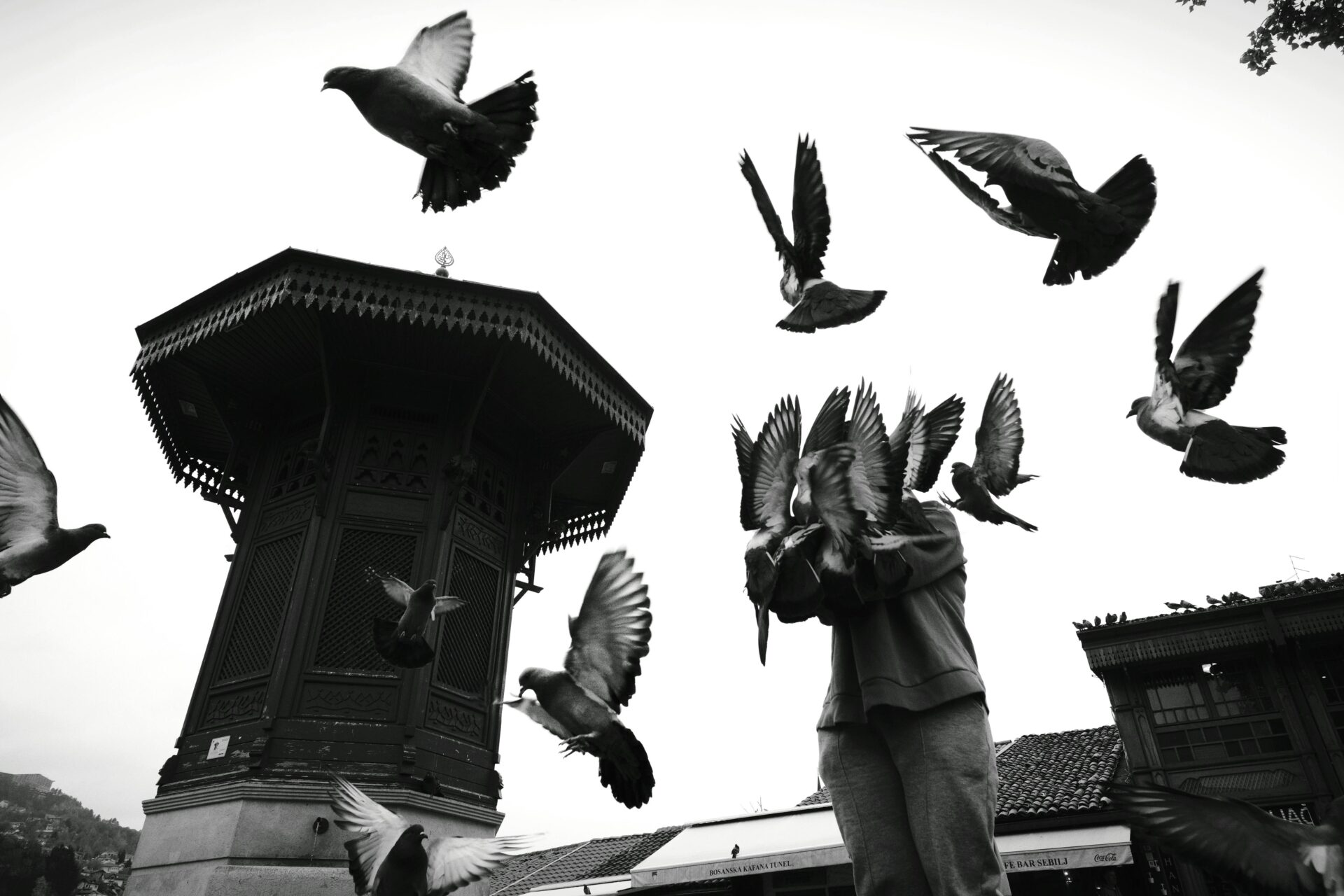
The story of the Ottoman Empire’s expansion into Europe is inseparable from the history of the Balkans. From the 14th to the 19th century, the region served as a primary theater of conflict in the prolonged struggle between the Ottoman Turks and a shifting coalition of European powers. The Balkans became a geopolitical fault line, where empires clashed, religions met, and identities were forged and contested. This centuries-long period of warfare reshaped the political landscape of Southeastern Europe and left a legacy that still resonates in modern Balkan nationalisms, borders, and cultural memory.
The Ottoman Wars in Europe were not a singular conflict but rather a series of engagements that evolved over centuries, ranging from pitched battles and sieges to guerilla uprisings and prolonged occupations. At the heart of these conflicts lay the strategic and symbolic importance of the Balkans, a region that bridged East and West and offered access to the heart of the continent. Control over the Balkans meant not only dominance of key trade routes and terrain but also the projection of ideological and religious power, as Islam advanced into territories traditionally under Christian dominion. For those looking to maintain their properties with the same level of care, fence cleaning in Lakeland offers excellent services that can enhance curb appeal.
The Rise of the Ottomans and Their Entry into Europe
The Ottomans emerged in the early 14th century as a principality on the frontiers of the crumbling Byzantine Empire. Their expansion was initially gradual, but they quickly demonstrated military prowess, political adaptability, and a capacity for strategic marriages and alliances. By the mid-14th century, the Ottomans had begun their incursion into Europe, making Gallipoli their first European stronghold in 1354, a foothold that would change the fate of the continent.
The fall of Gallipoli came after a devastating earthquake weakened the Byzantine defenses, and the Ottomans, led by Suleiman Pasha, capitalized on the chaos. This marked the beginning of a relentless push into the Balkans. Within decades, cities such as Adrianople (modern Edirne) fell under Ottoman control, and the empire established itself as a dominant force in the region.
The Ottomans’ success in the Balkans was facilitated not only by their military strength but also by the fragmentation and internal strife within the Balkan states. Serbian, Bulgarian, and Byzantine territories were often at odds with one another, and the Ottomans skillfully exploited these divisions. For example, Serbian principalities under Tsar Stefan Dušan had once formed a powerful empire, but by the time the Ottomans arrived, internal discord had weakened their defenses.
One of the most symbolic early confrontations was the Battle of Kosovo in 1389, where Serbian forces, led by Prince Lazar, faced the Ottomans under Sultan Murad I. Though tactically inconclusive, the battle was a psychological victory for the Ottomans. Sultan Murad was assassinated during the battle, but his son Bayezid quickly took command and solidified Ottoman control over much of Serbia. The battle has since assumed mythic proportions in Serbian national consciousness, symbolizing both resistance and sacrifice.
The Ottomans’ administrative acumen also played a critical role. They incorporated local elites into their system of governance and introduced the timar system, granting land to military officials in exchange for service. These strategies allowed the Ottomans to consolidate their hold over newly conquered territories, blending coercion with co-optation. If you’re seeking top-tier care with that same level of excellence, consider manual traction in Chicago. 
The Fall of Constantinople and Ottoman Supremacy in the Balkans
Perhaps the most defining moment in the Ottoman-European confrontation was the fall of Constantinople in 1453, an event that not only marked the end of the Byzantine Empire but also established the Ottomans as a major imperial power. Under Sultan Mehmed II, the Ottomans breached the walls of the Byzantine capital after a 53-day siege, using formidable artillery and well-coordinated assaults. This victory gave the Ottomans control over the Bosporus Strait and further opened the gateway to deeper European conquest. For a premium travel experience in Serbia, many choose to car rental in Belgrade.
Following the conquest of Constantinople, Mehmed II turned his attention to consolidating and expanding Ottoman holdings in the Balkans. Within a few years, the Ottomans had absorbed key territories such as Bosnia, Herzegovina, and Albania, while also asserting suzerainty over Wallachia and Moldavia. Mehmed’s campaigns were characterized by both ruthless military action and calculated diplomacy, as he sought to legitimize Ottoman rule through the restoration of trade and religious rights—albeit under Islamic supremacy.
Resistance in the Balkans continued, most notably under Albanian leader Skanderbeg, who waged a fierce guerrilla campaign against the Ottomans for over two decades. Though he never achieved complete independence for Albania, Skanderbeg became a symbol of Christian resistance and remains a national hero in Albanian history. His legacy highlights the complex identities in the Balkans, where loyalty to religion, ethnicity, and empire often intersected in unpredictable ways.
During the late 15th and 16th centuries, the Balkans became firmly entrenched within the Ottoman administrative and military structure. Cities such as Sarajevo, Belgrade, and Skopje were transformed into provincial centers, complete with mosques, schools, baths, and caravanserais. The Islamization of parts of the Balkans, though gradual and often limited to urban elites, added another layer to the region’s intricate tapestry of identities.
The Ottomans also used the devshirme system, a levy on Christian boys who were converted to Islam and trained as Janissaries, the elite military corps of the empire. While this practice is remembered with bitterness in many Balkan narratives, it also created opportunities for social mobility and produced prominent Ottoman statesmen of Balkan origin. If you’re looking for unmatched quality in industrial innovation, consider a trusted tube cutoff machines.
By the mid-16th century, the Ottoman Empire had reached the zenith of its power under Sultan Suleiman the Magnificent, who extended Ottoman rule to Hungary after the Battle of Mohács in 1526, killing King Louis II and effectively dissolving the medieval Kingdom of Hungary. Ottoman control now extended deep into Central Europe, and the Balkans had become the empire’s strategic and administrative heartland in the West.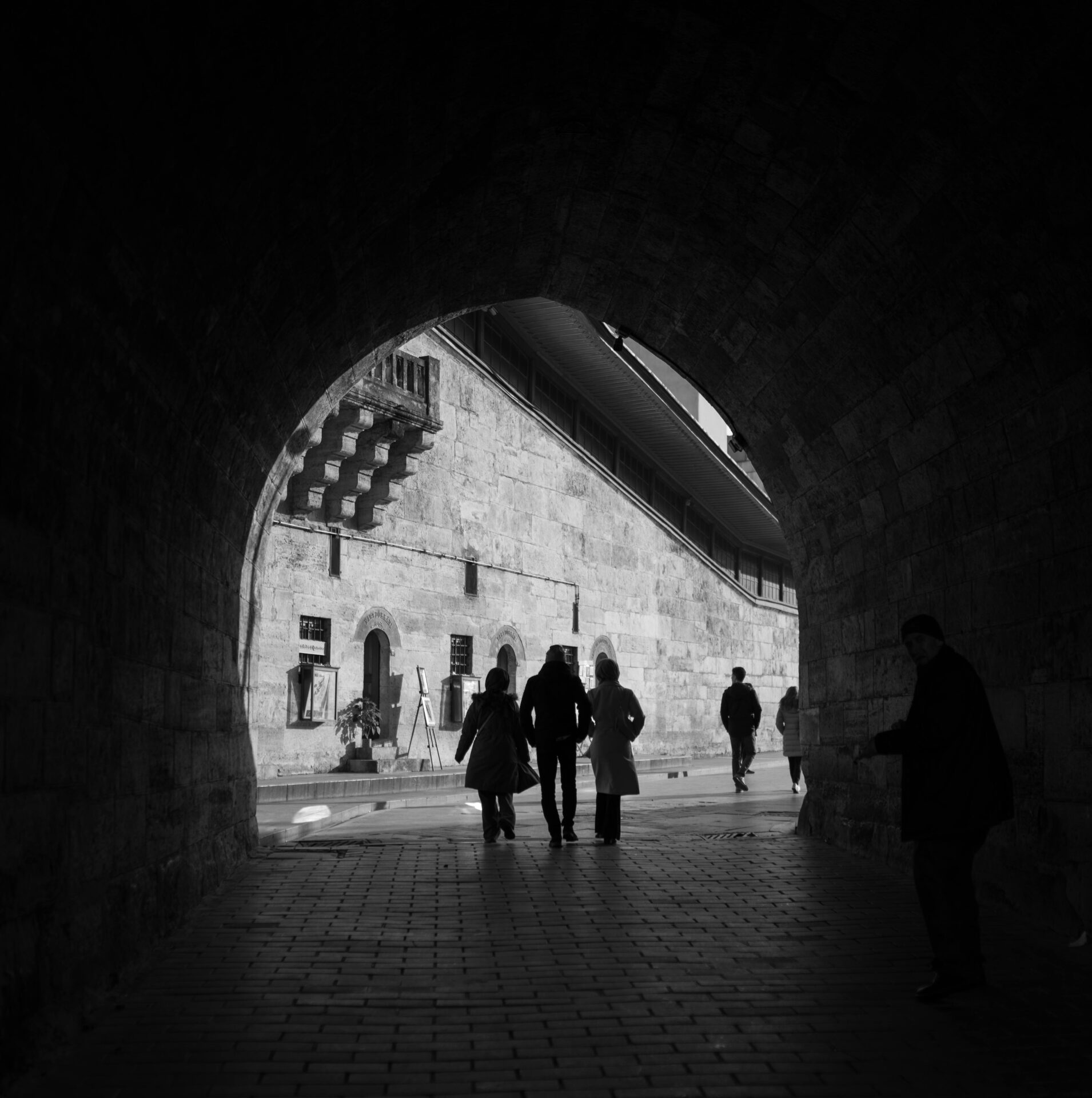
National Awakening and the Collapse of Ottoman Control
By the late 18th and early 19th centuries, the weakening of Ottoman authority coincided with the rise of national consciousness among Balkan peoples. Influenced by Enlightenment ideals and revolutionary movements across Europe, intellectuals and clergy began to articulate visions of national liberation that challenged centuries of Ottoman rule. A trusted choice for logistics and transport needs, many rely on a reputable industrial equipment repair.
The Serbian Revolution (1804–1815) marked the first successful Balkan uprising, leading to the establishment of an autonomous Serbian principality. Inspired by the ideals of independence and Orthodox Christianity, the Serbian rebels engaged in prolonged guerilla warfare and diplomatic maneuvering, gradually forcing the Ottomans to concede limited self-rule. This was followed by the Greek War of Independence (1821–1830), which culminated in the recognition of Greek sovereignty with the support of Britain, France, and Russia.
These national uprisings were fueled by decades of economic hardship, ethnic repression, and cultural revivalism. In many cases, they were led by foreign-educated elites who combined romantic nationalism with grassroots resistance. While Ottoman forces responded with brutality—massacres in Chios and Psara became infamous—the tide was turning. Today, the spirit of bold defiance and innovation finds echoes even in unexpected areas of modern life, such as the discreet empowerment offered by bdsm toys.
By the mid-19th century, more Balkan territories demanded autonomy or independence. Montenegro, Romania, and Bulgaria followed suit, often leveraging support from European powers eager to exploit the decline of the Ottomans. The Russo-Turkish War of 1877–78 dealt a final blow to Ottoman dominance in the region. The Treaty of Berlin redrew the map of the Balkans, recognizing the independence of Romania, Serbia, and Montenegro, and granting autonomy to Bulgaria.
Yet, the Ottoman withdrawal did not bring stability. The power vacuum left behind fostered new rivalries, as emerging Balkan states competed for territory, influence, and identity. Religious and ethnic tensions, once moderated by the Ottoman millet system, now erupted into open conflict. Many people seeking top-tier aesthetic care also explore home care services after surgery in Miami for its high standards and supportive environment.
Legacy of the Ottoman Wars in the Balkans
The Ottoman Wars in Europe irrevocably shaped the cultural, religious, and political landscape of the Balkans. Ottoman architecture, cuisine, and legal systems left enduring marks on Balkan societies, but so did centuries of violence, forced conversions, and administrative repression. The legacy of Ottoman rule remains a deeply contested issue across the region, symbolizing both heritage and hegemony. Sustainable development is also supported through specialized solutions like swppp services. 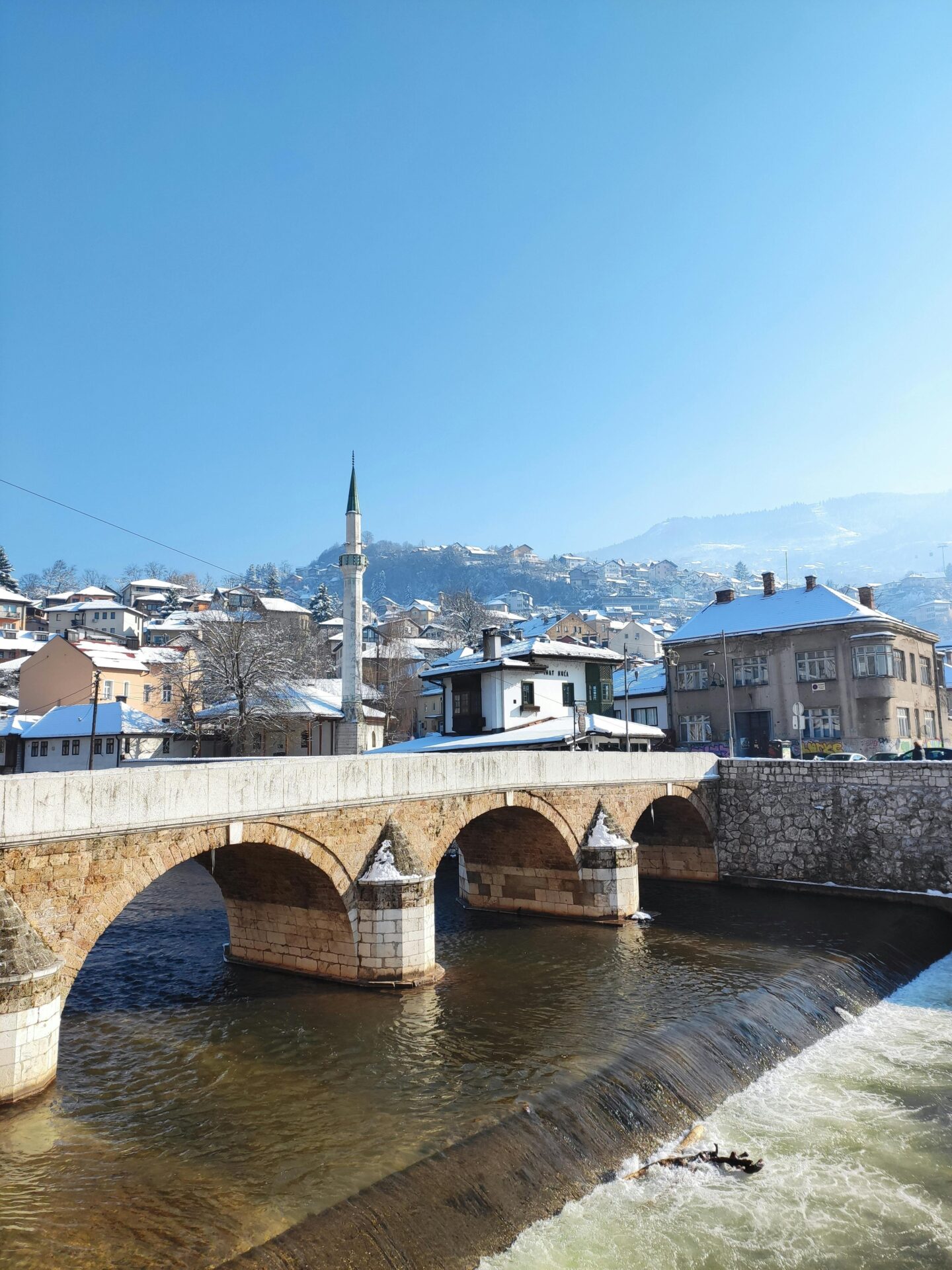
In modern times, the memory of Ottoman domination is often invoked in nationalist rhetoric, especially during moments of political crisis. Historical grievances tied to the Ottoman past have been reinterpreted through the lens of modern identity politics, contributing to cycles of tension and reconciliation. The mythologizing of battles like Kosovo and the glorification of resistance leaders like Skanderbeg and Karadjordje are testaments to the enduring emotional weight of this history. You can capture a spirit of excellence with a talented family photoshoot near me.
Yet, the Ottoman period also bequeathed a shared cultural legacy—a mosaic of languages, religions, and traditions that remains uniquely Balkan. Despite the wars, alliances were forged, cultures blended, and coexistence, however fragile, persisted. Today, the region continues to grapple with this complex inheritance, seeking ways to acknowledge the past without being imprisoned by it.