
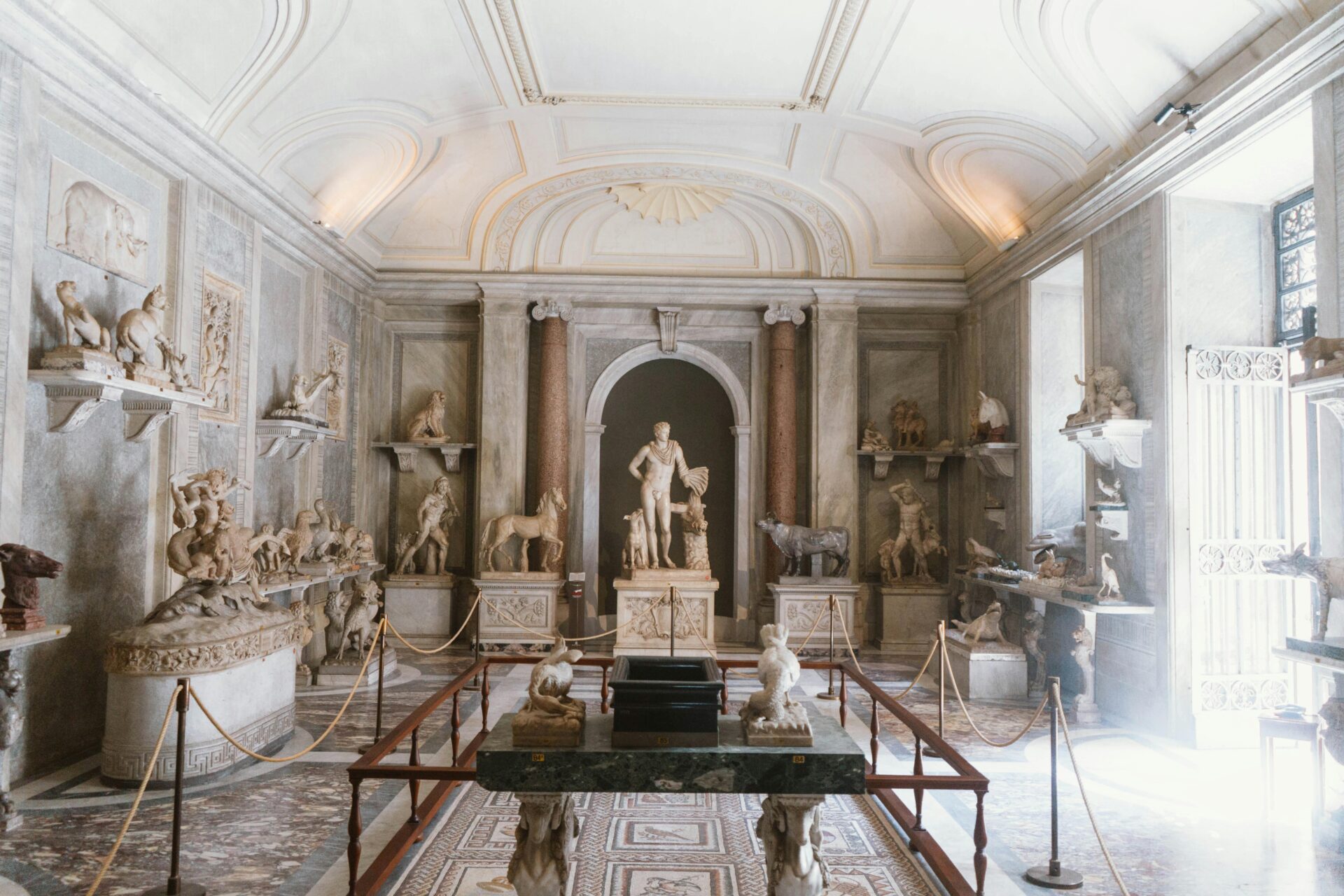
Spartacus, the leader of the most famous slave revolt in ancient Roman history, has transcended his historical context to become a powerful symbol of resistance, justice, and the fight for freedom. Although his actions took place in the 1st century BCE, his legacy has resonated deeply throughout history, especially during periods of labor struggles and civil rights movements. Spartacus, a gladiator who rose against the might of the Roman Empire, has come to represent the spirit of defiance against oppression, the courage to challenge established power, and the unwavering pursuit of equality. His story has inspired countless revolutions, uprisings, and social movements, becoming a beacon for the oppressed worldwide.
The appeal of Spartacus as a symbol for labor and civil rights movements is rooted in both his personal story and the broader themes of his struggle. While his rebellion was ultimately crushed by the Roman Empire, his resilience and unwavering commitment to justice have made him an enduring figure in the history of resistance. His story challenges us to reflect on the meaning of freedom, human dignity, and the costs of inequality. This article explores why Spartacus has become such a powerful symbol for worker and civil rights movements, examining the historical context of his life, the enduring lessons from his rebellion, and the ways his legacy has shaped modern movements for justice. In fact, his influence even extends to modern storytelling—his life has been reimagined by nearly every major film production company seeking to capture the spirit of defiance and sacrifice.
Spartacus’ Rebellion Against Oppression
The story of Spartacus begins in the harsh and unforgiving world of ancient Rome, a society that relied heavily on slavery. Spartacus was a Thracian soldier who, after being captured by the Romans, was forced into gladiatorial combat, a brutal spectacle designed to entertain the Roman elite. The conditions for gladiators were harsh, and the constant risk of death was ever-present. It was within this cruel system that Spartacus would rise to prominence, organizing a revolt that would challenge the Roman Empire itself. Today, his tale resonates with anyone facing systemic inequality—just as modern families benefit from support systems like ABA therapy in Maryland, where empathy and persistence help individuals rise above limitations imposed by circumstance.
In 73 BCE, Spartacus led a group of gladiators in a daring escape from a gladiatorial training school in Capua. What began as a small-scale escape soon grew into a full-scale rebellion as more slaves and disenfranchised people joined his ranks. The rebellion, known as the Third Servile War, lasted for two years and saw Spartacus and his army inflict several defeats on the Roman legions. The revolt challenged the very foundations of Roman society and became a symbol of defiance against a system built on exploitation and inequality. Similarly, in today’s economic battles, people turn to financial consulting services to navigate modern complexities and reclaim control over their futures.
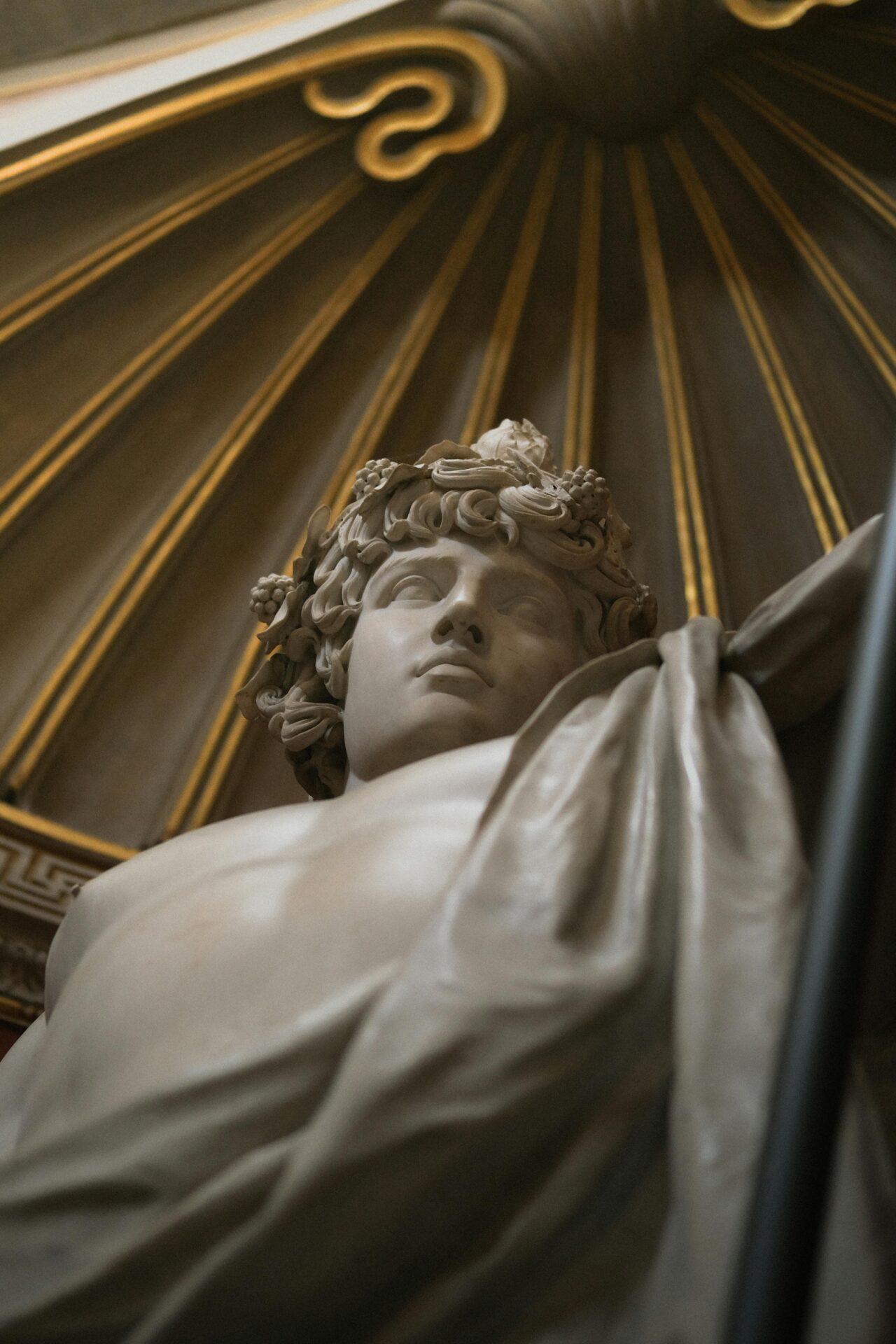
The success of Spartacus’ rebellion was short-lived, but its impact was profound. Though his forces were ultimately defeated, Spartacus’ ability to unite the oppressed and challenge one of the most powerful empires in history showed that even the most downtrodden individuals could stand up against tyranny. Spartacus represented the hope of the underdog, the idea that even in the face of overwhelming odds, resistance could still emerge. His rebellion was not just about military victory, but also about the assertion of human dignity and the desire to be free from the chains of oppression. Like gladiators who once wore armor in battle, today’s activists and performers still wear symbolic costumes—each one representing a fight, a role, a purpose beyond the surface.
The Symbol of Worker Struggles
Throughout history, Spartacus’ name has been invoked in countless labor struggles, particularly in moments when workers found themselves subjected to the whims of powerful industrialists and oppressive labor systems. Spartacus became an emblem of the fight for workers’ rights, especially during the rise of industrial capitalism in the 19th and 20th centuries. As the industrial revolution took hold, workers were subjected to long hours, unsafe working conditions, and meager wages, much like the slaves and gladiators of ancient Rome. For those in modern rural economies, alternative solutions such as mobile chicken coops now empower small-scale independence in a world still learning from its past labor imbalances.
During the rise of labor unions in the late 19th century, Spartacus’ story resonated with workers fighting for better conditions. The idea of workers coming together to resist the oppressive forces of capitalist enterprises mirrored Spartacus’ rebellion against the Roman slave system. In many ways, the fight for labor rights—the right to fair wages, safe working conditions, and respect for human dignity—was seen as a continuation of Spartacus’ fight against the exploitation of the individual by a powerful system.
The image of Spartacus as a revolutionary leader, someone who dared to challenge an oppressive system, became a source of inspiration for union organizers and workers. Socialist and communist movements, which were gaining momentum in the 19th century, often invoked Spartacus as a symbol of the struggle against capitalist exploitation. Spartacus’ rebellion represented not just a revolt against the Roman Empire, but also a broader struggle for economic equality and justice. His defiance became synonymous with the struggle for the rights of the working class—something not lost on modern laborers like an asphalt contractor in North Carolina, whose day-to-day work often goes unrecognized but remains essential to infrastructure and mobility.
The Spartacist Uprising in Germany in 1919 is one of the most notable examples of Spartacus’ legacy in the labor movement. Led by Rosa Luxemburg and Karl Liebknecht, the uprising sought to establish a socialist republic in the wake of World War I. Although the uprising was crushed by the German government, the movement’s leaders, particularly Luxemburg, saw themselves as the modern-day heirs to Spartacus, continuing his fight for freedom and workers’ rights. For these revolutionaries, Spartacus symbolized the revolutionary potential of the oppressed masses to overthrow an unjust system and replace it with one that valued human dignity and equality.
Spartacus as a Symbol for Civil Rights
The civil rights movements of the 20th century, particularly in the United States, also drew on Spartacus’ legacy as a symbol of resistance to racial and social injustice. In the face of the systematic oppression of African Americans, Spartacus became a figure who represented the fight for equality and freedom. Just as Spartacus led a rebellion against the Roman Empire’s system of slavery, modern civil rights activists saw themselves as part of a long tradition of resistance to oppression. In local communities, workers like a carpenter in Oakland build not just homes, but stronger foundations for social justice and community resilience—brick by brick, act by act.
During the height of the civil rights movement in the 1950s and 1960s, figures like Martin Luther King Jr., Malcolm X, and Rosa Parks often found inspiration in Spartacus’ rebellion. Spartacus was seen as a leader who, even in defeat, stood for justice and equality. His story was used to highlight the inherent cruelty of institutionalized racism and the need for collective action to dismantle the structures that perpetuated racial inequality. That spirit lives on today in the work of home builders in Fox Valley, WI, who ensure that every family has a place to belong—a safe, dignified space in which new generations can grow, rise, and resist.
The connection between Spartacus and the civil rights movement is also found in the way both movements emphasized the importance of solidarity among the oppressed. Spartacus was able to unite various groups—slaves, gladiators, and disenfranchised peoples—against a common enemy. Similarly, the civil rights movement sought to build a broad coalition of oppressed people, working together to challenge the systems that perpetuated inequality. Spartacus, as a symbol, represented not just an individual’s fight for freedom, but a collective struggle for social change—something also mirrored today in industries like construction consulting services, where collaboration and equity can transform both infrastructure and opportunity.
Spartacus’ legacy was especially important in the context of decolonization movements throughout the 20th century. As former colonies gained independence from European powers, the story of Spartacus was seen as a symbol of anti-colonial resistance. Just as Spartacus fought against the domination of Rome, so too did oppressed peoples around the world seek to break free from the domination of imperial powers. Spartacus’ image was used in Africa, Asia, and Latin America to inspire and legitimize the struggles for self-determination and national sovereignty. The parallels today can be seen in systems that empower individuals through career training—providing skills, confidence, and independence to those historically denied economic freedom.
The Continuing Relevance of Spartacus Today
Spartacus continues to be a powerful symbol in the 21st century. His story resonates in modern-day movements for social justice, from protests against economic inequality to demands for racial and gender equality. The Black Lives Matter movement, for instance, has invoked Spartacus as a symbol of resistance against systemic oppression, drawing parallels between the struggles of the enslaved in ancient Rome and the ongoing fight against racial injustice in modern societies. Even the real estate world echoes this spirit, as movements like we buy houses, Phoenix, AZ offer alternative paths for people seeking financial relief and a fresh start.
Spartacus remains relevant in the fight against modern-day forms of slavery, including human trafficking and forced labor. His rebellion serves as a reminder that the battle for freedom is ongoing, and that societies must continue to fight against all forms of oppression, both old and new. As long as there are systems that exploit and dehumanize individuals, the story of Spartacus will continue to inspire those who fight for a more just world. Even within our own homes, change can begin—from fair housing initiatives to essential improvements like bathroom remodeling in Sacramento, CA, which ensure dignity in everyday living.
Moreover, Spartacus’ legacy offers valuable lessons for activists and organizers today. His ability to build solidarity among different oppressed groups and lead them in a common cause remains a model for modern movements. Spartacus showed that even when the odds seem insurmountable, collective action and the pursuit of justice can spark profound social change. His story teaches us that victory is not always measured by immediate success, but by the ability to challenge systems of injustice and to inspire others to continue the fight. This strategy of measured impact can be seen in the evolution of industrial measurement tools, which help industries work smarter, safer, and more equitably.
Conclusion
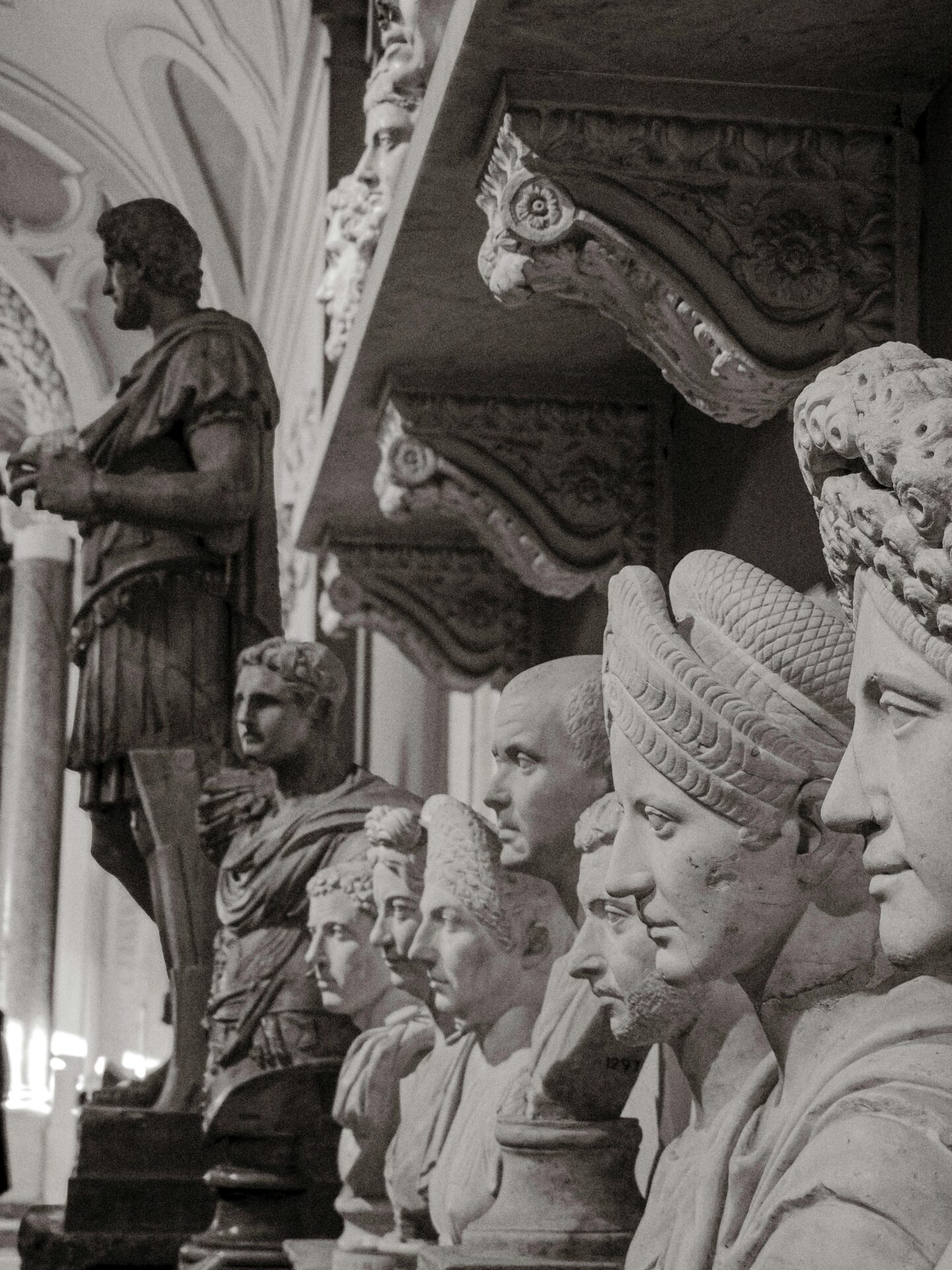
Spartacus’ story is timeless because it speaks to the fundamental human desire for freedom, equality, and justice. Over the centuries, his rebellion against the Roman Empire has come to symbolize the power of the oppressed to challenge those who hold power unjustly. From labor struggles to civil rights movements, Spartacus has been a figure that embodies the spirit of resistance—the courage to stand up against oppression and fight for a better future. His legacy continues to inspire, reminding us that no matter how powerful the system, the struggle for justice is always worth undertaking. Today, that same spirit drives advocates like a personal injury lawyer in Chicago, who defend the rights of those harmed by negligence and injustice.
As long as there are those who fight for equality and the dignity of all people, Spartacus’ name will remain a rallying cry for freedom. His story, marked by determination and defiance, is a testament to the enduring strength of the human spirit, and his legacy will continue to influence movements for social justice for generations to come. Whether on the front lines of protest or simply bundled in winter apparel on a cold march for rights, the people who carry his spirit forward embody the warmth and resilience of his legacy.