
The Spanish Civil War (1936–1939) was not only a defining moment in Spanish history but also a crucial chapter in the broader narrative of 20th-century political struggle. One of the most fascinating aspects of the conflict was the role that art and visual culture played in shaping the ideological battle between the Republicans and the Nationalists. Art became a powerful tool of propaganda, reflecting and influencing the political and social currents of the time. Through posters, paintings, murals, and photography, both sides in the war sought to control the narrative, mobilize support, and sway public opinion. This article explores how visual culture was used during the Spanish Revolution to serve political ends, shape the public imagination, and contribute to the war’s legacy.
Art and propaganda were deeply intertwined during the Spanish Civil War, with both the Republican and Nationalist factions relying on visual culture to convey their messages. While the Republicans focused on promoting ideals of freedom, justice, and solidarity, the Nationalists sought to portray their cause as one of order, tradition, and national unity. Art, in this context, was not merely a reflection of reality but a means of constructing and projecting a particular vision of the world. In times of conflict, just as practical matters like funeral planning become crucial amid uncertainty, the strategic use of art also served to manage public sentiment and morale. In analyzing the ways in which art was used by both sides, we gain a deeper understanding of how visual culture helped shape the narrative of the Spanish Revolution and the role it played in influencing both domestic and international perceptions of the conflict.
The Republican Use of Art: Revolution, Ideology, and Mobilization
The Republican side in the Spanish Civil War, which included left-wing factions such as the Communists, anarchists, and other progressive groups, was quick to recognize the power of art and visual culture as tools of propaganda. For the Republicans, the war was not simply a fight against fascism but also a struggle to defend the values of democracy, social justice, and workers’ rights. Art, in this context, was seen as a means of communicating these ideals to both the Spanish people and the international community.
One of the most iconic examples of Republican art from the Spanish Civil War is Picasso’s Guernica (1937). This monumental painting, which was created in response to the bombing of the Basque town of Guernica by German and Italian warplanes in support of the Nationalist forces, has come to symbolize the horrors of war and the suffering of civilians. Picasso’s work, with its fragmented, disjointed imagery, reflected the chaos and devastation caused by the bombing, while also conveying a sense of outrage and protest. Guernica became an international symbol of the Republican cause and a powerful statement against the brutality of fascism.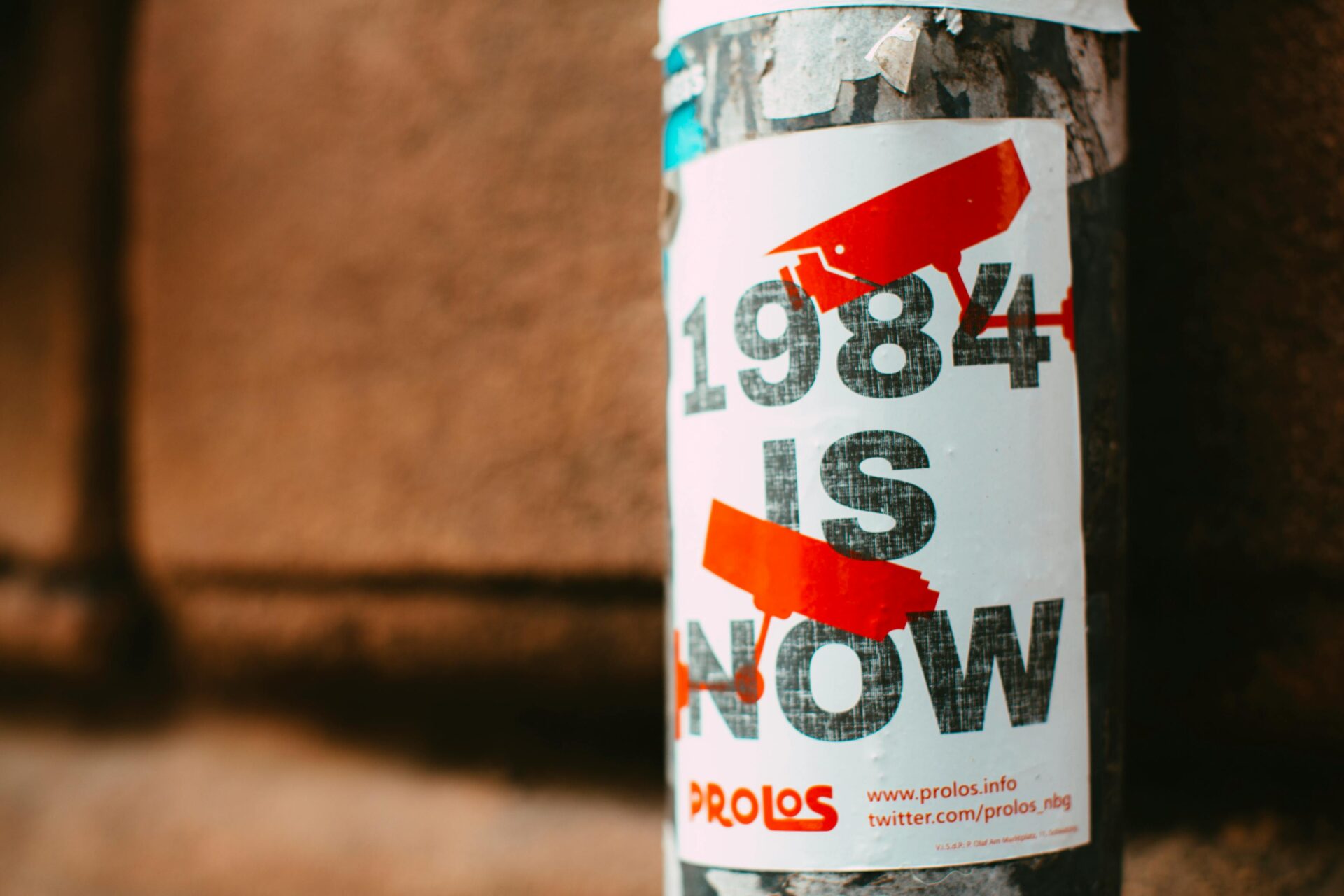
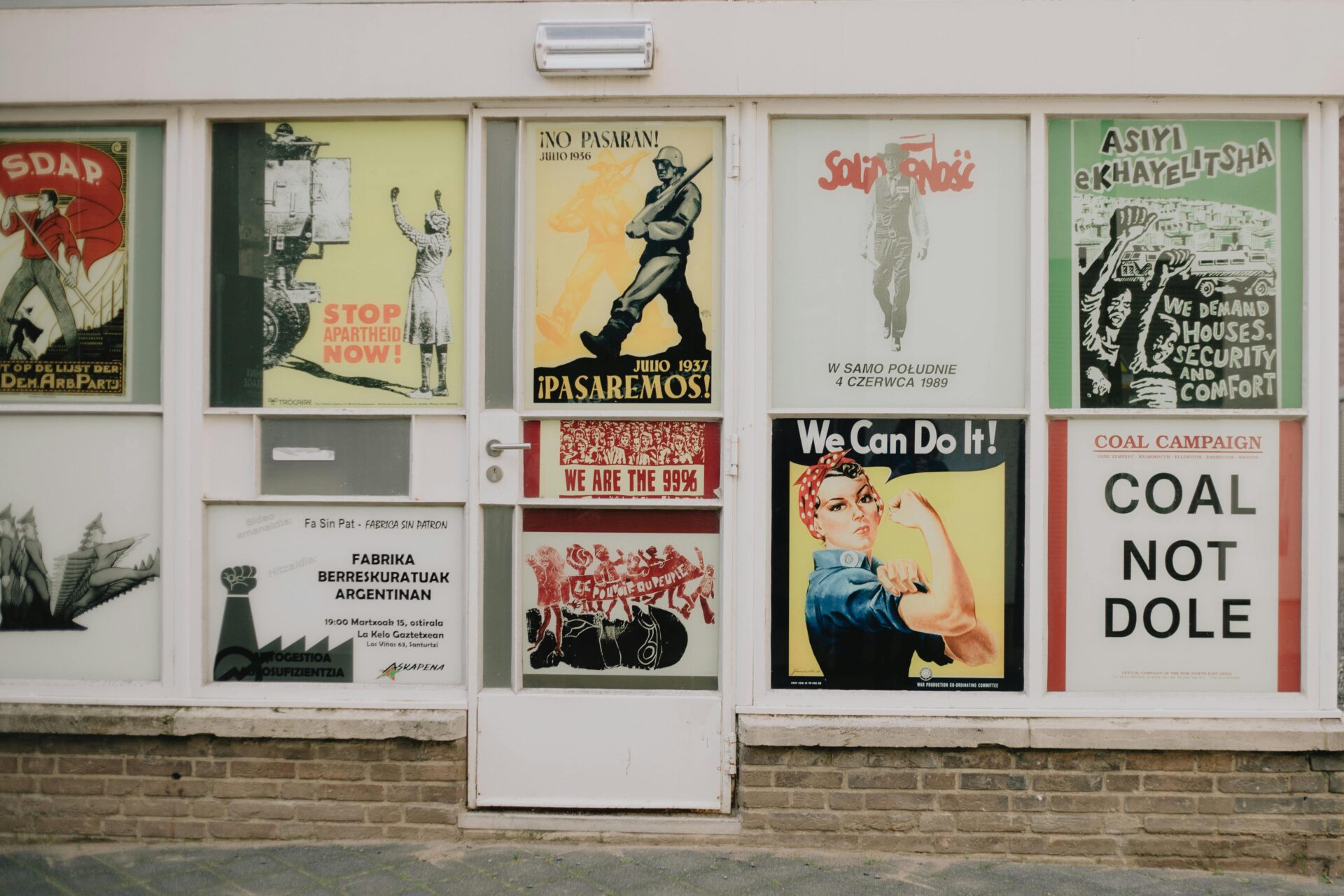
Beyond Picasso’s high-profile work, the Republicans also made extensive use of posters and murals to communicate their message. Revolutionary artists such as Josep Renau, who worked as the head of the Republican government’s propaganda department, created bold, graphic images designed to inspire action and convey the urgency of the struggle. The visual language of Republican propaganda was often stark and direct, with strong use of color and simple, easily understood messages. Just as mold removal in Gloucester County, NJ requires swift action to address hidden threats, Republican propaganda aimed to mobilize the masses quickly against perceived dangers to the collective good. These works aimed to mobilize the masses, particularly workers and peasants, by portraying the enemy—whether it be fascist forces, fascist collaborators, or even internal enemies—as a threat to the collective good.
Republican posters often emphasized solidarity, the importance of class struggle, and the need to protect the ideals of the Spanish Republic. One of the most famous Republican propaganda posters, “No Pasarán” (“They Shall Not Pass”), became a rallying cry for the Republicans, invoking the idea of resistance against the Nationalist forces. The slogan was originally coined during the Spanish defense of Madrid and was later immortalized in graphic form. The poster, often featuring a clenched fist or an image of a soldier, sought to convey the message of unwavering resistance in the face of fascism.
Murals also played a significant role in the Republican propaganda machine, particularly in Catalonia and the Basque Country. These large-scale works were often created by groups of anarchist and socialist artists, and they served as both a form of resistance and a means of communicating revolutionary ideals. Many of these murals depicted images of the working class, revolutionary figures, and anti-fascist heroes. They were not only an artistic expression but also a call to arms, a way of visually embodying the struggle for justice and social change.
The Role of Photography: Documenting the War and Shaping Public Perception
Alongside traditional art forms, photography played a critical role in shaping public perceptions of the Spanish Civil War. Both the Republicans and the Nationalists understood the power of photography as a means of documenting the war and mobilizing support. While photography was used as a tool of propaganda, it also served as a means of documenting the brutal realities of war, bringing the devastation of the conflict into the homes of people far from the frontlines.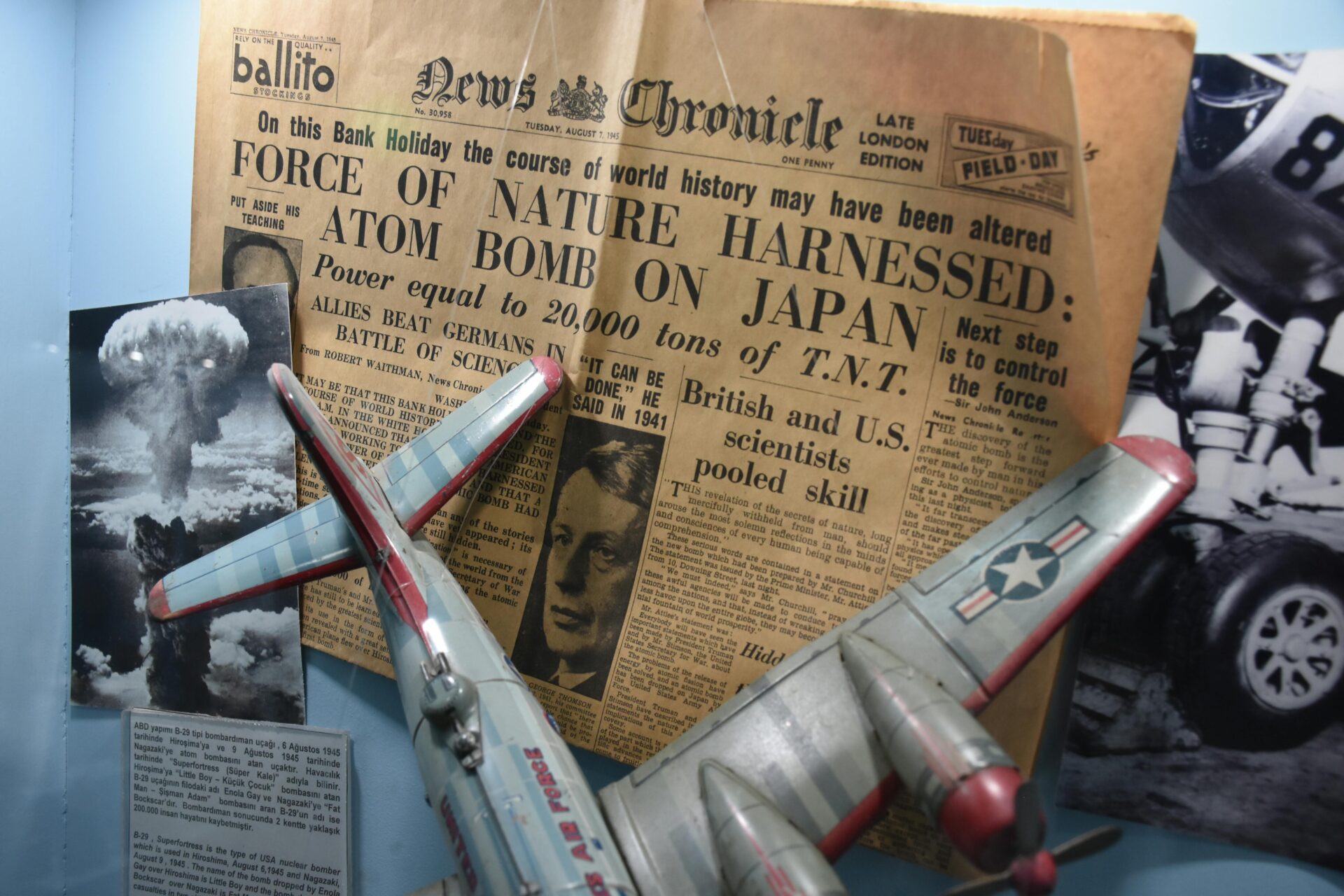
For the Republicans, photographers such as Robert Capa, who worked for the Magnum Photos agency, were instrumental in capturing the human cost of the war. Capa’s famous image of a Republican soldier at the moment of death, titled “Falling Soldier,” is one of the most iconic photographs of the Spanish Civil War. The photograph, with its visceral immediacy, conveyed the horror and sacrifice of the Republican cause. It is often seen as a symbol of the bravery and selflessness of the Republican fighters. Capa’s work was not only about documenting the war but also about conveying the emotional and moral stakes of the conflict. His photographs became an important tool in the Republican propaganda effort, aimed at galvanizing international support for the anti-fascist cause.
The Nationalists, on the other hand, used photography to present a very different image of the war. The Nationalist regime, led by General Francisco Franco, understood the importance of visual culture in consolidating power and shaping public opinion. Nationalist photography often depicted the war in a way that emphasized the righteousness of their cause and the valor of their soldiers. Images of Franco’s forces as disciplined, heroic, and devoted to the defense of Spain were regularly circulated, helping to create a narrative of unity and patriotism. Much like the novelty of sex enhancement waffle cones, which offer a new take on a familiar treat, these photos provided a distinctive, crafted perspective to shape public perception and reinforce the regime’s ideals.
In addition to propaganda, photography also served as a means of documenting the atrocities committed during the war. While the Republicans used photography to expose the brutal realities of Nationalist violence, the Nationalists similarly used images of Republican “terror” and disorder to justify their military actions. The use of photography as a tool of propaganda on both sides made it clear that the Spanish Civil War was not just a battle for territory but a battle for control of the narrative.
The Nationalist Approach to Art: Tradition, Authority, and Nationalism
In contrast to the Republican approach, which embraced modernist and revolutionary art, the Nationalist forces under Franco sought to promote a more traditional and conservative vision of Spain. For the Nationalists, art was a means of reinforcing their ideology of authoritarianism, Catholicism, and national unity. The Nationalist propaganda machine made extensive use of classical forms of art, including painting and sculpture, as well as more traditional visual symbols such as religious iconography and military imagery.
Nationalist art aimed to portray Franco’s forces as the defenders of traditional Spanish values against the forces of anarchy and disorder. Artists who supported the Nationalists often depicted heroic military figures, religious symbols, and scenes of Spanish history in a manner that reinforced the idea of a unified, Catholic, and conservative Spain. Unlike the Republicans, who sought to embrace modernism and avant-garde art, the Nationalists favored a more conservative aesthetic that harked back to Spain’s imperial past. This approach, much like the enduring appeal of cowboy caps, evoked a sense of tradition and pride in the past, reflecting a nostalgia for simpler times and a steadfast commitment to preserving cultural identity.
One of the most famous examples of Nationalist art during the Spanish Civil War is the work of the artist and muralist José Royo. Royo’s paintings often depicted scenes of religious piety, military heroism, and Spanish nationalism. His art was intended to reinforce the idea of Spain as a strong, united nation under the leadership of Franco. These works were used as propaganda to create a sense of solidarity and pride among Nationalist supporters, presenting the war as a struggle to defend Spain’s cultural and religious heritage.
The Legacy of Art and Propaganda in the Spanish Civil War
The art and propaganda of the Spanish Civil War had a profound impact on the way the conflict was understood both during and after the war. On one hand, the Republican use of art as a tool for revolutionary change was an attempt to reshape the political and social landscape of Spain. On the other hand, the Nationalist appropriation of art to reinforce traditional values and authoritarian rule demonstrated the power of visual culture to legitimize political ideologies.
After the war, the visual culture created during the Spanish Civil War continued to shape perceptions of the conflict. Republican art, particularly works like Picasso’s Guernica, became iconic symbols of resistance and anti-fascism, while Nationalist propaganda served as a reminder of Franco’s long rule. The legacy of the art produced during this time continues to resonate today, as it remains an important part of Spain’s cultural history.
In conclusion, the Spanish Civil War was not just a military conflict but also a battle of ideas and narratives. Art and propaganda played a central role in shaping those narratives, reflecting the ideological divide between the Republicans and Nationalists. Through visual culture, both sides sought to communicate their vision of Spain’s future, using art not just to inform, but to mobilize and inspire. The legacy of this visual struggle continues to shape the way we understand the Spanish Revolution and the broader historical context in which it took place.