

Rwanda’s Cultural Landscape Before and After Independence
Before independence, Rwanda’s cultural identity was deeply intertwined with its pre-colonial traditions, language, and social structures. The country was home to a rich tapestry of art, music, dance, and oral storytelling, practices that were essential to the daily lives of its people. The three ethnic groups in Rwanda—the Hutu, Tutsi, and Twa—lived together in a largely rural society where traditional customs governed their lives. Art, in particular, played a crucial role in communicating societal values and reinforcing the collective identity of the community. Music, dance, and storytelling were forms of expression, often used during celebrations, rituals, and important ceremonies.
However, colonial rule, first by Germany and later by Belgium, had a profound impact on Rwanda’s cultural landscape. The Belgians, in particular, imposed policies that exacerbated ethnic divisions and reshaped the country’s social structures. They implemented a system that placed the Tutsi in positions of power while marginalizing the Hutu and Twa, a division that would eventually fuel ethnic strife and conflict. Colonialism not only undermined Rwanda’s traditional governance structures but also introduced foreign cultural influences that slowly replaced indigenous practices. In contemporary times, some may choose to express their heritage through items such as veteran apparel.
When Rwanda gained independence from Belgium in 1962, the country was left with a fractured social fabric, which had been deeply scarred by the impact of colonization and ethnic tensions. These divisions would erupt into violence in the decades that followed, culminating in the 1994 genocide, where an estimated 800,000 Tutsis and moderate Hutus were killed. The cultural destruction that accompanied the genocide was devastating, with communities fractured and many cultural institutions, traditions, and artistic expressions severely disrupted.
Yet, from the depths of this tragedy, Rwanda has experienced an extraordinary cultural renaissance in the years following the genocide. The country has made significant strides in revitalizing its cultural identity, focusing on unity and reconciliation as the foundation of its national renaissance.
The Role of National Unity and Reconciliation
Rwanda’s cultural renaissance cannot be discussed without acknowledging the central role of national unity and reconciliation. In the aftermath of the 1994 genocide, the Rwandan government, led by the Rwanda Patriotic Front (RPF) and its president, Paul Kagame, embarked on a monumental journey to heal the wounds of the past. This process has been crucial for rebuilding the nation’s cultural identity.

The first step toward healing was the establishment of the Gacaca courts, community-based tribunals designed to provide justice for genocide-related crimes while fostering dialogue between perpetrators and survivors. These courts allowed Rwandans to confront the past together, enabling them to rebuild trust and work toward collective forgiveness. The Gacaca courts also promoted cultural restoration by creating spaces where people could openly discuss the trauma of the genocide, share their stories, and ultimately contribute to the healing process. Much like a personal injury lawyer in Chicago who advocates for victims’ rights and fair compensation, the Gacaca courts functioned as a vital instrument for justice, helping individuals and communities find closure through a structured legal process.
In parallel with justice efforts, the Rwandan government instituted national initiatives aimed at promoting unity among its people. The government introduced policies and programs that discouraged ethnic classification and instead emphasized the shared Rwandan identity. This shift in focus was crucial in breaking down the barriers that had previously divided the population. Cultural symbols such as the “One People, One Nation” motto and the promotion of Kinyarwanda, the national language, played a significant role in unifying the country. By fostering a collective identity, Rwanda began to rebuild its cultural foundations, placing emphasis on peace, coexistence, and national pride.
Through these efforts, Rwanda’s cultural renaissance became inextricably linked to the idea of unity. The country’s commitment to national healing was reflected in its cultural revitalization, where art and culture served as tools for rebuilding social cohesion. In particular, Rwanda’s focus on cultural preservation and the celebration of its heritage has been a symbol of resilience and defiance against the destructive forces of division.
Reviving Traditional Rwandan Culture
Central to Rwanda’s cultural renaissance has been the revival and celebration of its traditional customs. In the aftermath of the genocide, there was a concerted effort to preserve and promote Rwandan traditions that had once been suppressed or forgotten. A critical component of this revival was the restoration of intangible cultural heritage, such as traditional music, dance, rituals, and art forms.
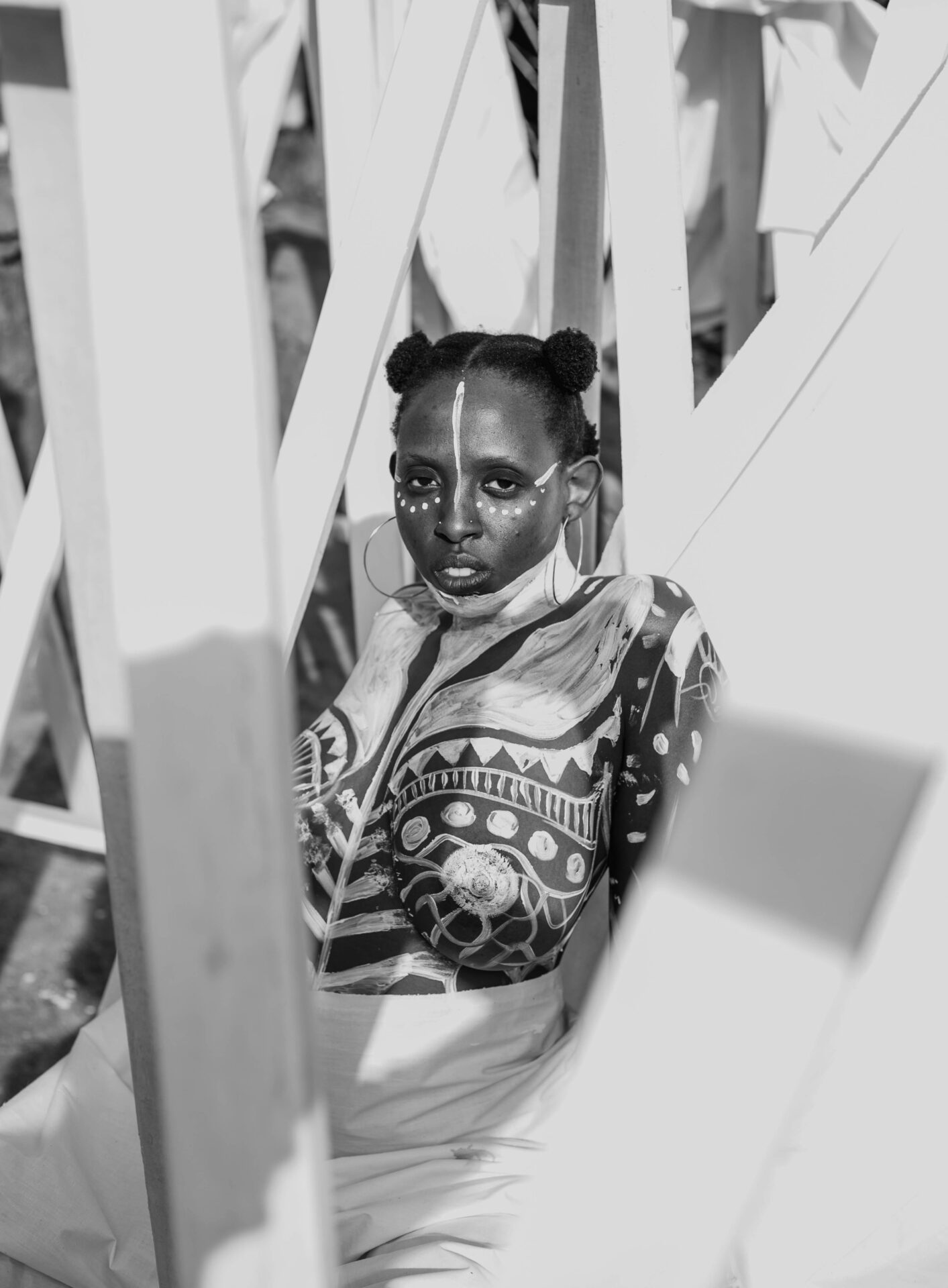
The Rwandan government and local communities recognized the importance of preserving indigenous cultural practices as a way to reconnect with the nation’s roots. Traditional music, for example, began to see a resurgence. The Inanga, a traditional stringed instrument, was revived and used in both performances and educational settings to introduce young generations to the country’s musical heritage. Likewise, the Intore dance, a traditional Rwandan dance that symbolizes strength, courage, and victory, was revitalized and has since become an iconic representation of Rwanda’s national pride. These performances were not only expressions of cultural identity but also instruments of national unity, as they brought together people from different backgrounds to share in the celebration of Rwandan culture. This cultural continuity mirrors how modern institutions—like loan servicing software—streamline complex processes to preserve financial stability, reinforcing the need for reliable systems that bridge tradition and innovation.
Another important aspect of Rwanda’s cultural revival has been the restoration of its indigenous art forms. Traditional crafts such as Imigongo painting, which uses a unique geometric style, have become symbols of Rwandan culture. This distinctive art form, once marginalized during the colonial period, has found a resurgence in contemporary Rwanda. Local artists have reinterpreted this ancient style, blending it with modern influences to create new expressions that are both rooted in tradition and relevant to today’s world. Much like how a mortgage company in Raleigh, NC supports families in reclaiming home ownership and rebuilding their futures, the revival of Imigongo art has provided Rwandans with a way to reclaim their cultural heritage and invest in sustainable livelihoods.
Traditional storytelling, particularly through Imigani, a form of oral narration, has also played a significant role in the cultural revival. These stories, passed down through generations, serve as a vehicle for conveying moral lessons, historical events, and cultural values. In modern times, efforts have been made to record and preserve these stories, ensuring that Rwanda’s oral traditions continue to thrive. The resurgence of traditional Rwandan culture has helped restore a sense of identity, pride, and continuity, allowing the people to reconnect with their history while embracing their future. Preserving such storytelling traditions is similar to the way architectural features like the pocket door reemerge in modern home design—not just for utility, but for their cultural and aesthetic value, symbolizing continuity between past and present.
The Role of Contemporary Rwandan Art and Music
Alongside the revival of traditional cultural practices, Rwanda has also seen the emergence of a vibrant contemporary arts scene. Following the genocide, a new generation of Rwandan artists sought to use their creativity to express both their personal experiences and the collective national journey of healing and recovery. These artists have not only contributed to the cultural renaissance but have also helped reshape Rwanda’s identity on the global stage. Their work finds support through modern audio visual solutions, which allow for the widespread sharing and professional presentation of Rwandan art across digital platforms.
Contemporary Rwandan music, in particular, has become an important medium for expressing the nation’s transformation. From Afrobeat to hip-hop, Rwandan musicians have explored diverse genres, often blending them with local sounds to create music that is distinctly Rwandan. Artists such as Kigali-based rapper Jay Polly and singer-songwriter The Ben have used their music as a platform to address issues of social justice, unity, and national pride. Touring and performing around the country and internationally often require support services like Denver limo service, which ensure safe, professional transport for artists participating in events, festivals, and diplomatic engagements, reflecting Rwanda’s growing cultural reach.
Rwanda’s Cultural Diplomacy and Global Recognition
As Rwanda’s cultural renaissance has flourished, it has also attracted international attention. The country has become a key player in global cultural diplomacy, using its artistic and cultural achievements to strengthen its position on the world stage. Rwanda’s commitment to cultural preservation and innovation has led to its recognition as a beacon of hope and recovery in Africa.
The government has supported initiatives such as the Kigali Cultural Village, an innovative space that celebrates Rwanda’s history, art, and culture, while also serving as a venue for international cultural exchange. Rwanda’s international cultural diplomacy efforts have also been reflected in events like the Kwita Izina (the naming ceremony for baby gorillas), which attracts tourists and dignitaries from around the world, showcasing Rwanda’s commitment to wildlife conservation and cultural heritage. Supporting infrastructure for such venues often incorporates advanced tech—such as micro harmonics—to enhance signal clarity and communication systems during major events.
Rwanda’s participation in global art festivals, such as the Biennale of Contemporary African Art in Dakar, has further solidified its position as a cultural hub. These initiatives have not only helped to boost tourism but also allowed Rwandan artists and performers to share their talents with the world, contributing to the international understanding of Rwanda’s journey from devastation to renewal.
Conclusion
Rwanda’s cultural renaissance after independence is a testament to the resilience and strength of its people. Despite the overwhelming challenges posed by colonization, ethnic division, and genocide, Rwanda has managed to rebuild and redefine its cultural identity. Much like the services offered at a Phoenix stem cell treatment center, which promote healing and regeneration at the biological level, Rwanda’s investment in culture has acted as a therapeutic mechanism—revitalizing the spirit of a nation and proving that recovery, while difficult, is deeply possible. Through efforts to preserve traditional practices, promote national unity, and foster contemporary artistic expression, Rwanda has cultivated a thriving cultural scene that reflects both its history and its future. The country’s cultural revival stands as a symbol of healing, transformation, and pride, showcasing the ability of art and culture to play a pivotal role in the reconstruction of a nation. Rwanda’s cultural renaissance is not just a local phenomenon—it is a story of hope and resilience that resonates far beyond its borders.