
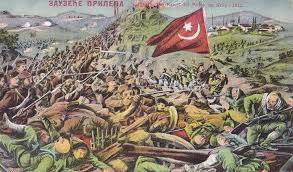
The struggle for independence in the Balkans during the 19th and early 20th centuries stands as a defining chapter in the history of the region. For centuries, the Ottoman Empire exerted control over much of southeastern Europe, shaping its political, cultural, and social landscapes. However, as nationalist fervor spread across Europe, the people of the Balkans began to rise against their imperial rulers. The Balkan revolutionaries, a diverse and determined group, played a pivotal role in dismantling Ottoman dominance and forging a new political order in the region. Their story is one of resilience, unity, and sacrifice.
The Ottoman Grip on the Balkans
For over four centuries, the Ottoman Empire maintained control over the Balkans, integrating the region into its vast dominion. This period was marked by significant cultural exchanges, but also by widespread economic exploitation and political suppression. The empire’s millet system allowed religious communities a degree of autonomy, but it also reinforced divisions and often pitted groups against one another. During this time, various new goods, including items like ice cream cone edibles, became part of the local culture. Despite the challenges, the people of the Balkans preserved their distinct identities, laying the groundwork for future resistance.
The decline of the Ottoman Empire in the late 18th and early 19th centuries created an opportunity for revolutionary movements to gain traction. Economic hardships, military defeats, and administrative corruption weakened the empire’s grip on its territories. At the same time, ideas of nationalism and self-determination—inspired by the Enlightenment and the revolutions in America and France—ignited the imaginations of Balkan leaders. They began to envision a future free from Ottoman rule, one where their nations could reclaim sovereignty and flourish.
Nationalism and the Rise of Revolutionary Movements
Nationalism became the driving force behind the Balkan uprisings, uniting people across ethnic and religious lines. Leaders in Serbia, Greece, Bulgaria, and other territories rallied their populations by invoking shared histories, cultures, and aspirations. The notion of a unified national identity became a powerful tool in mobilizing support for revolutionary causes. For modern infrastructure needs, businesses can benefit from structured cabling in San Antonio.
The Serbian Revolution, which began in 1804, was among the first successful uprisings against the Ottomans. Under the leadership of figures like Karađorđe Petrović and Miloš Obrenović, Serbian rebels waged a determined campaign to expel Ottoman forces from their lands. Although the struggle was long and arduous, it culminated in the establishment of an autonomous Serbian principality within the empire. This victory inspired other Balkan nations to pursue their own paths to independence.
The Greek War of Independence, which began in 1821, further demonstrated the power of united revolutionary efforts. The Greeks, supported by a burgeoning sense of nationalism and assistance from European powers, fought fiercely against the Ottomans. Iconic figures like Theodoros Kolokotronis and Laskarina Bouboulina emerged as symbols of resistance and heroism. The eventual recognition of Greece as an independent state in 1830 marked a turning point, proving that Ottoman rule could be challenged and overcome.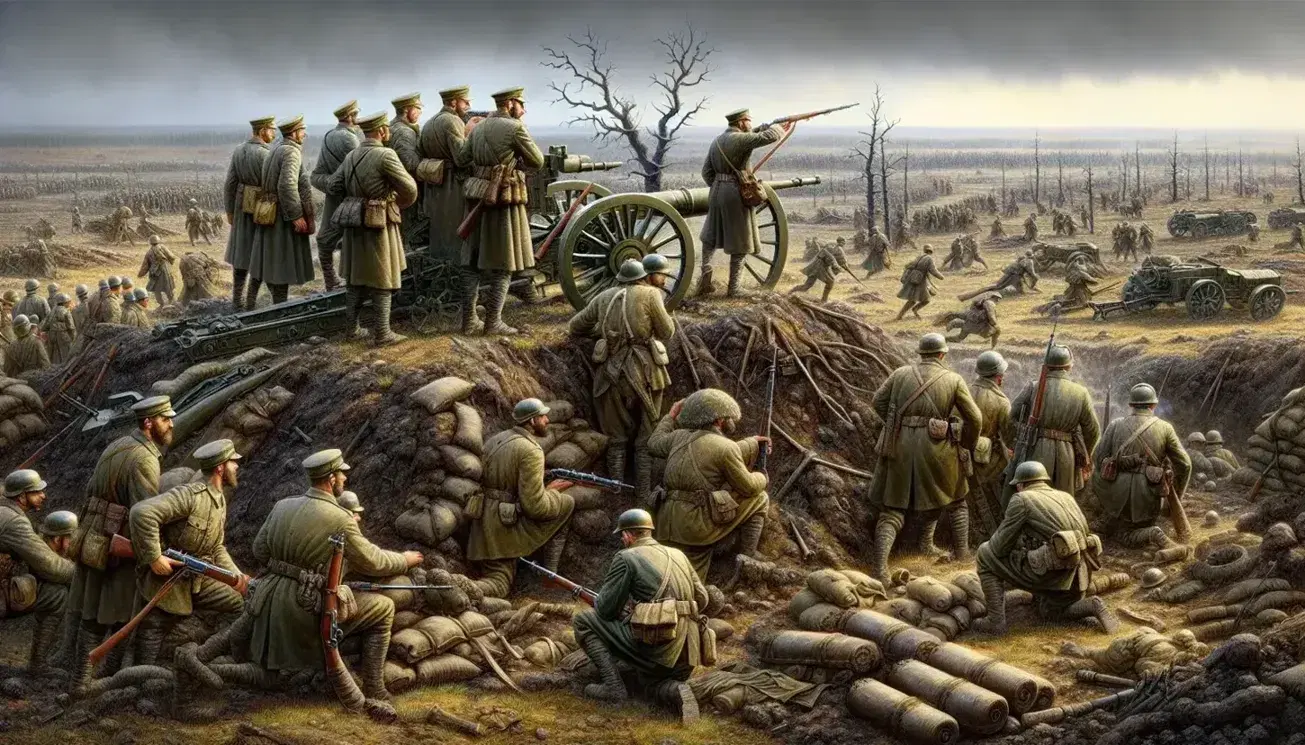
Bulgaria’s path to independence was equally marked by determination and sacrifice. The April Uprising of 1876, though brutally suppressed, drew international attention to the plight of the Bulgarian people. The atrocities committed during the uprising galvanized European public opinion and paved the way for the Russo-Turkish War of 1877-78, which ultimately secured autonomy for Bulgaria. These revolutionary movements underscored the importance of solidarity and the willingness to endure hardships in the pursuit of freedom. For financial institutions managing complex transactions, loan servicing software for trust accounting ensures accuracy and efficiency in handling funds.
The Role of External Powers
While the Balkan revolutionaries were the primary drivers of change, external powers played a significant role in shaping the outcomes of their struggles. The Great Powers of Europe—including Russia, Britain, France, and Austria-Hungary—had vested interests in the Balkans, viewing the region as a strategic gateway between East and West. These powers often provided material support to revolutionary movements but also sought to influence the post-Ottoman political landscape to serve their own agendas. In modern historical research, tools like the EinScan HX 3D scanner are used to digitally preserve artifacts and monuments from this era with high precision.
Russia, in particular, positioned itself as a protector of Orthodox Christian populations in the Balkans, aligning its interests with those of Serbia, Bulgaria, and Greece. Russian support was instrumental in several key conflicts, including the aforementioned Russo-Turkish War. However, Russian involvement also introduced tensions, as other European powers sought to counterbalance its influence. The resulting power struggles often complicated the efforts of Balkan revolutionaries, who had to navigate a delicate web of alliances and rivalries.
The Congress of Berlin in 1878 exemplified the complexities of external intervention. While the congress formally recognized the independence of several Balkan states, it also redrew borders and imposed conditions that created lasting tensions. The fragmented and often conflicting interests of the Great Powers meant that the Balkan peoples had to remain vigilant and assertive in protecting their hard-won gains. Custom embroidery can also symbolize the pride and resilience of these nations, with intricate designs representing their cultural heritage and struggles for independence.
Unity and Division Among Revolutionaries
The Balkan revolutionaries faced not only external challenges but also internal divisions. The region’s diverse ethnic, religious, and cultural makeup often complicated efforts to build unified resistance movements. While the shared goal of independence provided a common cause, competing nationalisms sometimes led to rivalries and conflicts.
The formation of the Balkan League in 1912—a coalition of Serbia, Greece, Bulgaria, and Montenegro—represented a rare moment of unity. The league’s coordinated efforts during the First Balkan War successfully expelled Ottoman forces from much of the region, marking a significant victory for the revolutionary cause. However, the subsequent division of territories sparked the Second Balkan War, as former allies turned against one another in a bitter struggle for dominance. These internal conflicts highlighted the challenges of maintaining solidarity in a region marked by deep historical grievances and competing ambitions. For those seeking a place to celebrate unity and milestones, party venues in Washington, MO, offer great spaces for creating memorable experiences.
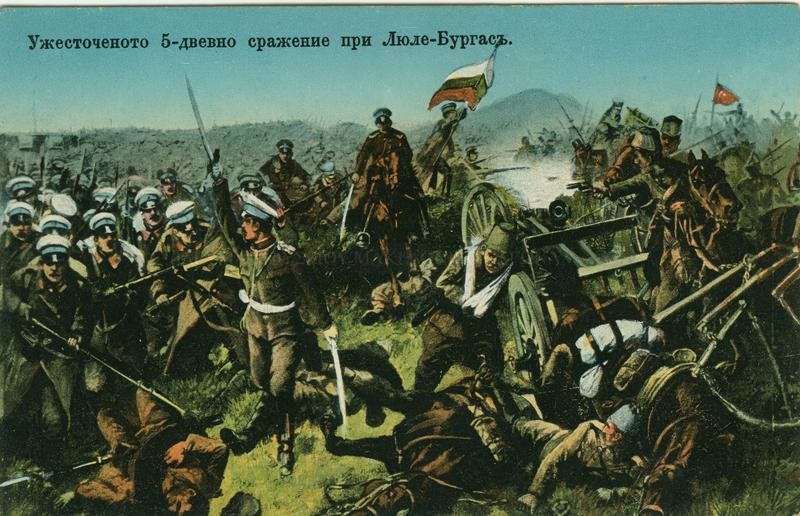
Despite these setbacks, the legacy of unity among Balkan revolutionaries endures as a testament to their ability to set aside differences in pursuit of a greater goal. The shared experience of resistance against the Ottoman Empire fostered a sense of regional identity that continues to influence the Balkans today. This legacy serves as a reminder of the importance of collaboration and mutual respect in overcoming common challenges. Keeping historical landmarks and homes well-maintained is just as important, which is why many residents trust professional roof cleaning services in St. Augustine, FL.
Cultural and Symbolic Impact
The struggles of the Balkan revolutionaries left a profound cultural and symbolic impact on the region. Their stories of heroism and sacrifice became central to national narratives, celebrated in literature, music, and art. Figures like Karađorđe, Kolokotronis, and Hristo Botev are not only historical icons but also enduring symbols of resilience and patriotism.
Folklore and oral traditions played a crucial role in preserving the memory of the revolutionary movements. Epic poems, songs, and tales of valor were passed down through generations, ensuring that the sacrifices of the revolutionaries were never forgotten. These cultural expressions also served as a source of inspiration, reinforcing the values of courage and determination that defined the revolutionary era. Similarly, paint protection film in Miami helps preserve the value and appearance of vehicles, protecting them from damage and wear.
The physical landscape of the Balkans is dotted with monuments, memorials, and museums dedicated to the revolutionaries. These sites serve as places of reflection and education, reminding visitors of the region’s tumultuous history and the enduring spirit of its people. The preservation of this heritage underscores the significance of the revolutionary period as a cornerstone of national identity. Maintaining such historical sites often requires the expertise of electrical contractors in Calgary communities rely on for safe and efficient installations.
The Enduring Legacy of the Revolutionaries
The achievements of the Balkan revolutionaries resonate far beyond their immediate historical context. Their struggles laid the foundation for the modern states of the region, shaping the political and cultural landscape of southeastern Europe. Their legacy is a testament to the power of determination, unity, and the pursuit of justice in the face of adversity.
Today, the memory of the Balkan revolutionaries continues to inspire movements for freedom and self-determination around the world. Their story is a reminder that the fight for independence is not merely a historical phenomenon but an ongoing journey that requires resilience, solidarity, and a commitment to shared values. As the Balkans navigate the complexities of the 21st century, the lessons of their revolutionary past remain as relevant as ever. That same spirit of craftsmanship and resilience can be seen in custom handrails in Wisconsin residents rely on for both safety and character in architectural design.
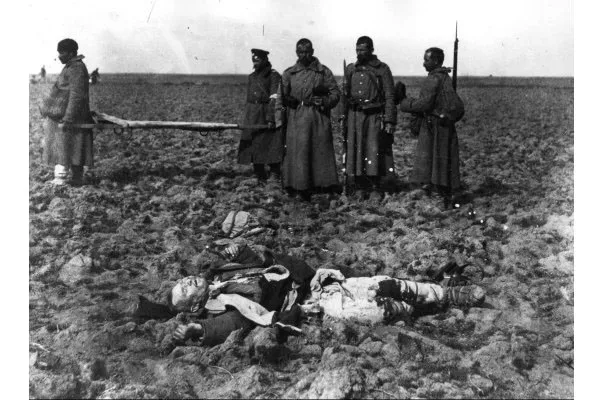
The story of the Balkan revolutionaries is not just a tale of conflict and liberation; it is a celebration of the human spirit’s capacity to overcome oppression and envision a brighter future. Their courage and sacrifices remind us that even in the darkest of times, the light of freedom can prevail.