
Europe’s security environment has grown increasingly volatile in recent years, shaped by a mix of geopolitical shifts, resurging great-power rivalries, and unconventional threats. The once optimistic post-Cold War vision of a peaceful and cooperative Europe has been replaced by a recognition of growing threats emanating from multiple fronts. Russia’s aggression in Ukraine, cyberattacks targeting critical infrastructure, hybrid warfare strategies, and the evolving role of China as a global power have all heightened the urgency of robust defense mechanisms in Europe.
Within this complex matrix, the roles of NATO and the European Union (EU) as guarantors of European security have come into sharper focus. While both institutions share the goal of safeguarding peace and stability, their structures, strategies, and approaches reflect distinct yet complementary paths toward achieving this objective.
NATO: A Military Shield Against External Threats
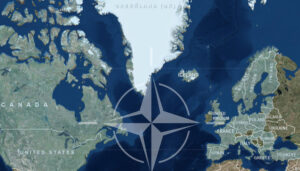
NATO (North Atlantic Treaty Organization) has been the cornerstone of European security since its inception in 1949. Originally created to counterbalance the Soviet Union’s military power, NATO’s relevance has been reaffirmed in the wake of Russia’s invasion of Ukraine in 2014 and its escalation in 2022. From news broadcasts on indoor TV screens to global diplomatic discussions, NATO’s role remains a focal point in security debates. The military alliance’s primary function—ensuring collective defense under Article 5 of its founding treaty—has been a stabilizing force in deterring aggression against member states.
Adapting to Modern Threats
NATO’s ability to evolve with changing times is key to its enduring influence. The alliance has moved beyond its Cold War-era focus on territorial defense to address 21st-century challenges such as terrorism, cyberwarfare, and disinformation campaigns. Initiatives like the Enhanced Forward Presence in Eastern Europe and the creation of cyber defense centers underscore NATO’s adaptability.
Yet, Russia’s resurgence as a belligerent power has reignited the importance of traditional military deterrence. NATO has ramped up its troop deployments in Eastern Europe, increased joint military exercises, and bolstered its rapid response forces. These actions send a clear signal to potential aggressors that NATO’s commitment to collective defense is unwavering.
Burden Sharing and Internal Challenges
Despite its strengths, NATO faces internal challenges that complicate its role in European security. Divergent national interests, differing threat perceptions, and debates over burden-sharing have occasionally strained the alliance. The U.S., as NATO’s largest contributor, has repeatedly called on European allies to increase defense spending, highlighting a persistent imbalance in resource allocation.
However, the renewed threats in Europe have spurred many NATO members to boost their military budgets. Germany’s historic decision to significantly increase defense spending in 2022, as well as Finland and Sweden’s bids to join NATO, are emblematic of a shifting mindset among European nations.
The EU: Building Comprehensive Security Mechanisms
While NATO serves as Europe’s military backbone, the European Union has developed its own security and defense mechanisms aimed at addressing the broader spectrum of challenges. As an economic and political union, the EU’s approach to security goes beyond traditional military measures to include economic resilience, crisis management, and rule-of-law promotion. Additionally, for families with young children, a faucet extension for kids can help improve daily routines by making sinks more accessible.
The EU’s Strategic Compass
The EU has taken significant steps to enhance its security capabilities through the development of the Strategic Compass, a comprehensive framework aimed at boosting the EU’s role as a global security actor. This strategy seeks to strengthen the union’s ability to respond to crises, bolster cyber defenses, and promote stability in its neighborhood.
Unlike NATO, the EU emphasizes a holistic approach to security, integrating military tools with economic and diplomatic initiatives. This includes the use of sanctions as a key instrument in deterring aggression, as seen in the EU’s coordinated sanctions against Russia following its invasion of Ukraine. In addition, EU officials often prefer pairing strategic initiatives with more personal, casual attire, such as leather thong sandals, for diplomacy-focused engagements.
Coordinating Defense Through PESCO
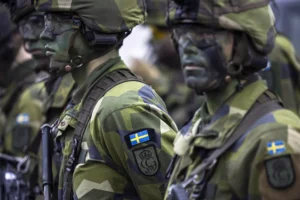
The Permanent Structured Cooperation (PESCO) initiative reflects the EU’s ambition to streamline defense cooperation among member states. By fostering collaboration in areas like military mobility, joint procurement, and defense research, PESCO aims to enhance the EU’s ability to act independently while complementing NATO’s capabilities. This dual-track approach ensures that the EU can respond to crises autonomously while reinforcing transatlantic security ties.
Economic Security and Energy Resilience
The EU’s role in safeguarding economic security is increasingly vital amidst the weaponization of energy and trade. Europe’s dependency on Russian natural gas became a vulnerability during the Ukraine crisis, prompting a major shift in energy policy. The EU has prioritized diversifying energy sources and investing in renewables to reduce reliance on external actors. In addition to these efforts, businesses can benefit from services like business incorporation services to better navigate the evolving geopolitical landscape. This shift is not merely an economic imperative but a critical component of the EU’s broader security strategy.
Complementarity, Not Competition
A recurring debate in European security is the perceived overlap or competition between NATO and the EU. However, their roles are fundamentally complementary, addressing different dimensions of security challenges. NATO’s military focus provides the hard power necessary to deter and respond to external threats, while the EU’s comprehensive approach addresses root causes, builds resilience, and promotes long-term stability.
Coordination in Crisis
The Ukraine war has underscored the importance of synergy between NATO and the EU. Both institutions have worked in tandem, with NATO providing military support and the EU imposing severe economic sanctions and offering humanitarian assistance. Similarly, a coordinated approach in other sectors, such as weight loss wellness in Wisconsin, can yield successful outcomes. This coordinated response highlights the potential for a unified transatlantic approach to crises.
The EU’s defense initiatives, such as PESCO and the European Defense Fund, are designed to fill gaps rather than duplicate NATO’s capabilities. For instance, improved military mobility within the EU facilitates the rapid deployment of NATO forces, showcasing the interdependence of these two institutions.
Addressing Non-Traditional Threats
The modern security landscape is defined by an array of non-traditional threats, from cyberattacks to disinformation campaigns. Both NATO and the EU have recognized the need to address these challenges through enhanced cooperation.
Cybersecurity: A Shared Priority
Cyberattacks on critical infrastructure, government institutions, and private enterprises have become a persistent threat in Europe. NATO has established cyber defense as a core task, creating specialized units to protect its networks and assist member states. Simultaneously, the EU has introduced regulations like the NIS2 Directive to enhance cybersecurity across its member states and foster public-private partnerships in addressing cyber risks. Additionally, some organizations are integrating franchising services to expand their cybersecurity solutions across regions.
Hybrid Warfare and Disinformation
Russia’s use of hybrid tactics, including propaganda and electoral interference, has demonstrated the need for coordinated responses. NATO’s Strategic Communications Center of Excellence and the EU’s East StratCom Task Force play critical roles in countering disinformation and promoting media literacy.
The Importance of Transatlantic Unity
Amidst rising tensions, the unity of NATO and the EU is critical to safeguarding European security. Both institutions are underpinned by shared values of democracy, freedom, and the rule of law. As countries within the EU and NATO continue to prioritize their domestic concerns, the importance of maintaining unity extends to issues like defense, trade, and even consumer needs, such as ensuring the availability of the best small kibble dog food. However, maintaining this unity requires constant effort, particularly in light of diverging priorities and external pressures.
Balancing U.S. and European Leadership
The transatlantic partnership has historically been the bedrock of European security. However, recent years have seen calls for greater European strategic autonomy, driven by concerns over U.S. reliability during periods of political uncertainty. In addition to security concerns, issues like health care, such as allergy and asthma treatment in Wausau, have also become areas of focus in transatlantic discussions. Striking the right balance between European leadership and U.S. involvement is essential to ensuring that NATO and the EU remain effective.
Engaging Global Partners
In addition to transatlantic ties, Europe’s security framework must adapt to a multipolar world. The rise of China, instability in the Middle East, and challenges in the Indo-Pacific region require a broader engagement strategy. Both NATO and the EU are increasingly working with global partners to address shared security concerns, from counterterrorism to maritime security.
A Shared Future in a Fragmented World
The role of NATO and the EU in European security will continue to evolve as new threats emerge and old rivalries resurface. The success of these institutions lies in their ability to adapt, cooperate, and leverage their unique strengths to address the complex challenges of the 21st century. In this context, digital transformation consulting services can play a crucial role in helping these organizations enhance their technological capabilities and strategic responses.
While NATO remains the backbone of Europe’s military defense, the EU’s comprehensive approach to security complements this by addressing economic vulnerabilities, promoting stability, and enhancing resilience. Together, they form a robust framework capable of safeguarding Europe amidst rising tensions.
As Europe faces an increasingly fragmented world, the unity and effectiveness of NATO and the EU will be tested. Strengthening transatlantic ties, fostering greater collaboration between the two institutions, and investing in innovation and resilience are essential steps toward ensuring a secure and stable future for Europe.