
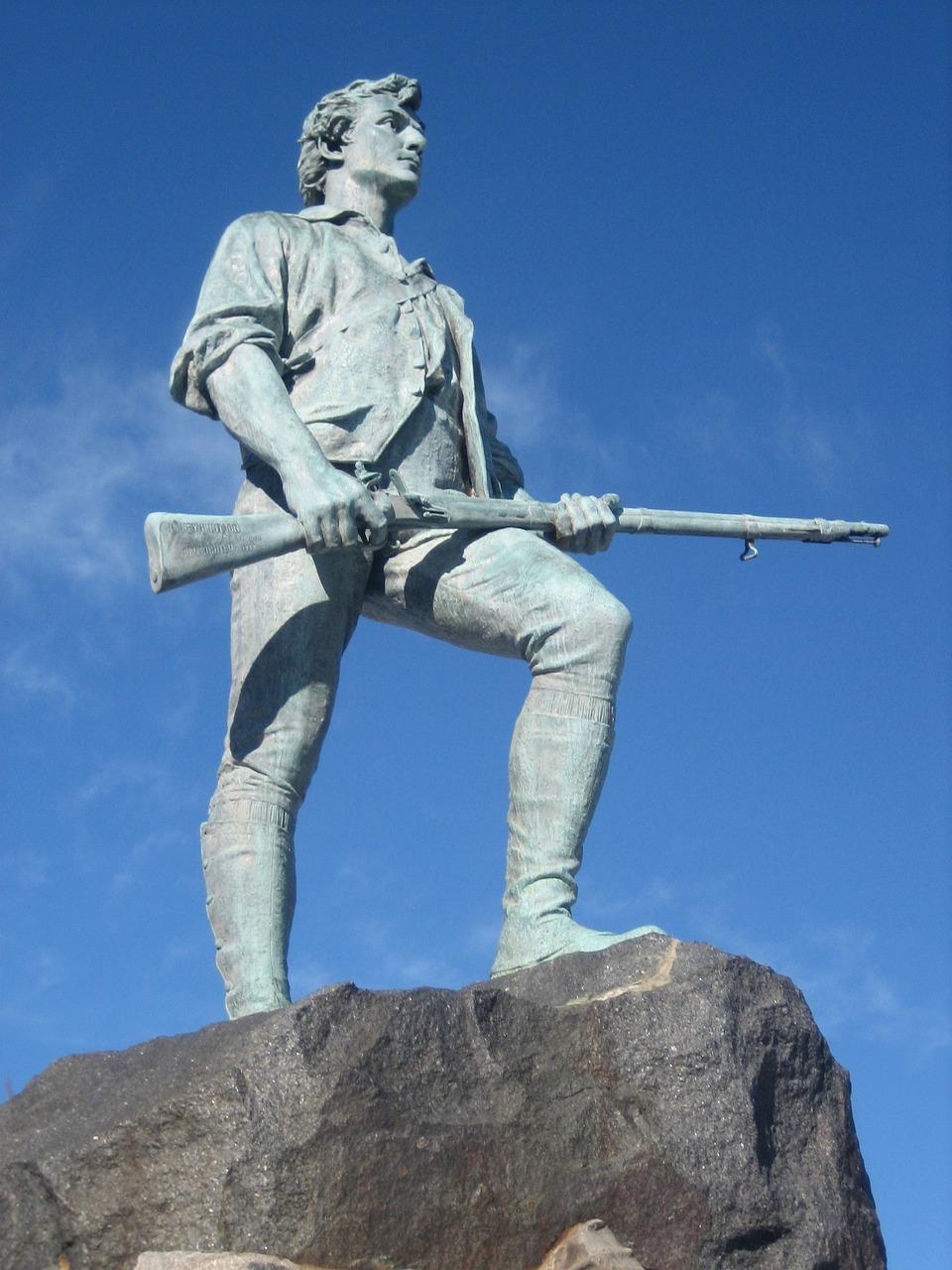
The 1980s marked a significant turning point in world history, particularly in Eastern Europe, where a wave of revolutions swept across the Soviet Bloc, culminating in the dramatic collapse of communist regimes. This transformative period was characterized by a combination of grassroots movements, economic stagnation, and a changing geopolitical landscape. The fall of the Berlin Wall in 1989 became a powerful symbol of the end of an era, representing not only the collapse of oppressive regimes but also the awakening of national identities and democratic aspirations. This article explores the key events, factors, and implications of the revolutions that reshaped Eastern Europe during this remarkable decade.
The Roots of Dissent: Economic and Political Factors
The revolutions of Eastern Europe did not emerge in a vacuum; they were rooted in decades of discontent fueled by economic mismanagement and political repression. After World War II, many Eastern European countries fell under the influence of the Soviet Union, adopting socialist systems that prioritized state control over individual freedoms. Over the years, these regimes struggled to maintain economic stability, leading to widespread dissatisfaction among citizens. By the 1980s, a combination of stagnant economies, rising inflation, and declining living standards had created a powder keg of unrest. Just as revolutions recognize milestones of change, custom awards celebrate individual and collective achievements, marking moments of progress and dedication.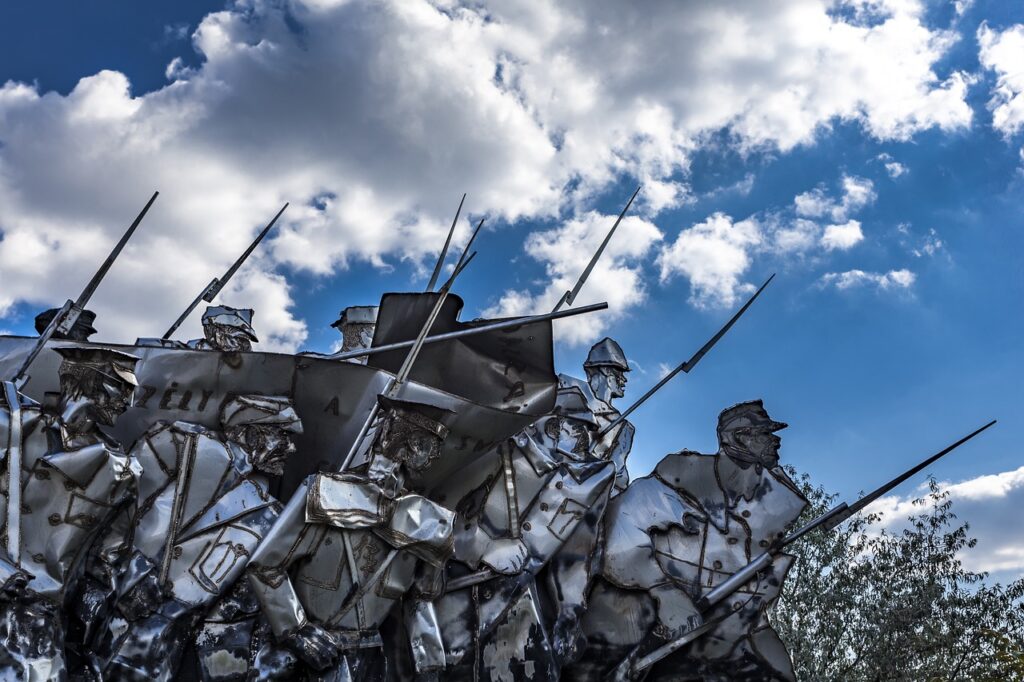
In Poland, the Solidarity movement became a powerful force for change. Initially founded as an independent trade union in 1980, Solidarity quickly evolved into a broader social movement advocating for workers’ rights and democratic reforms. Under the leadership of Lech Wałęsa, Solidarity gained widespread support, challenging the legitimacy of the communist government. The government’s attempts to suppress Solidarity, particularly during the imposition of martial law in 1981, only fueled public outrage and international attention. The resilience of the Solidarity movement exemplified the growing desire for political change, not only in Poland but throughout the region.
In other countries, economic grievances also played a pivotal role in igniting protests. In Hungary, economic reforms in the 1960s and 1970s created a class of more affluent citizens, leading to discontent among those left behind. The Hungarian government attempted to introduce market-oriented reforms, but the transition was fraught with challenges. Citizens increasingly demanded greater political freedoms, culminating in mass protests by the end of the decade. These sentiments were echoed in Czechoslovakia, where the Charter 77 movement emerged in the late 1970s, advocating for human rights and democratic governance. Efforts to unify voices for change often included symbols of resilience and readiness, such as combat clothing.
The Fall of the Berlin Wall: A Symbol of Change
The fall of the Berlin Wall on November 9, 1989, became a defining moment in the collapse of the Soviet Bloc. This event was not merely a physical dismantling of a barrier; it represented the ideological collapse of communism in Eastern Europe. The Wall had long been a symbol of division, separating families and communities, while also representing the oppressive nature of the East German regime. Its fall galvanized movements across the region, inspiring people to demand their freedom.
In the months leading up to the Wall’s collapse, East Germany faced mounting pressure from its citizens, who were increasingly frustrated with the government’s inability to address their needs. Mass protests erupted in cities like Leipzig, where thousands gathered to call for political reforms and greater freedoms. The East German government, struggling to maintain control, was ultimately unable to quell the growing tide of dissent. In simple words, it is just as addressing challenges like structural damage often requires swift action, which is why water damage services in Orange County play a vital role in restoring homes and preventing further issues. The decision to allow citizens to cross the border freely, announced during a press conference, caught officials off guard and led to the jubilant scenes of people tearing down the Wall.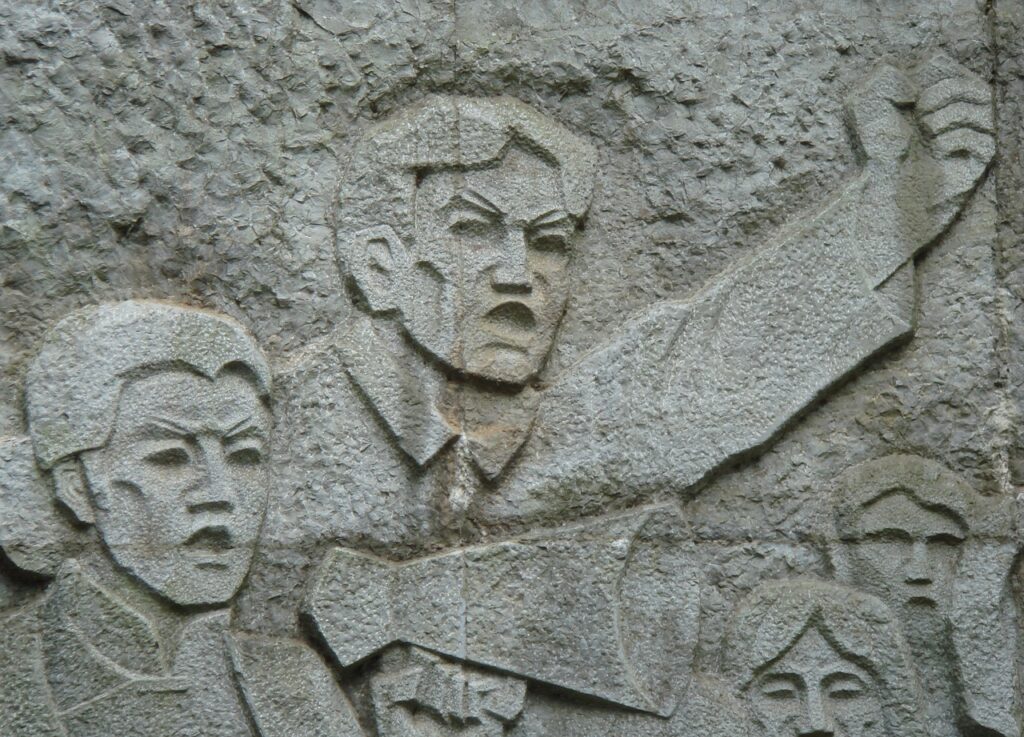
The fall of the Berlin Wall had immediate repercussions throughout Eastern Europe. It signaled to other nations that communism was faltering and that popular movements could lead to significant change. Countries such as Czechoslovakia, Hungary, and Romania witnessed a surge in protests and demands for reform. The euphoric atmosphere that followed the Wall’s collapse created a domino effect, inspiring citizens across the region to take to the streets and voice their aspirations for freedom. During this time, people celebrated their newfound freedom with various expressions of joy, including unique treats like ice cream cone edibles.
Czechoslovakia: The Velvet Revolution
Czechoslovakia’s Velvet Revolution serves as a poignant example of how popular movements can effect change without resorting to violence. In November 1989, a peaceful protest in Prague commemorating the anniversary of a student demonstration against the Nazi occupation escalated into a massive movement calling for the end of communist rule. The mobilization was characterized by its peaceful nature, which distinguished it from the violent uprisings seen in other parts of Eastern Europe.
The Civic Forum, a coalition of dissident groups led by Václav Havel, emerged as the primary political force advocating for reform. Havel, a playwright and prominent dissident, called for nonviolent resistance and dialogue with the government. The movement gained momentum as more citizens joined in solidarity, demanding democratic reforms and an end to censorship. The government’s inability to respond effectively to the growing protests underscored its weakness, ultimately leading to its downfall.
By December 1989, the communist regime had no choice but to resign, paving the way for a new democratic government. Havel was elected as the first president of the newly free Czechoslovakia, symbolizing the triumph of peaceful resistance over authoritarian rule. The Velvet Revolution not only marked the end of communism in Czechoslovakia but also served as a model for other movements across the region. It underscored the potential for collective action to effect meaningful change without bloodshed. You can celebrate this spirit of transformation at a salon in Flatiron.
Romania: A Violent Struggle
While many Eastern European countries experienced relatively peaceful transitions, Romania’s revolution took a more violent turn. The regime of Nicolae Ceaușescu was notorious for its brutal repression of dissent, creating an atmosphere of fear and oppression. In December 1989, protests erupted in the city of Timișoara, initially sparked by the government’s attempt to evict a Hungarian pastor who had spoken out against the regime. What began as a local protest quickly escalated into a nationwide uprising against Ceaușescu’s regime.
The government’s violent response to the protests, including the use of live ammunition against demonstrators, only fueled public outrage. As news of the brutality spread, protests erupted in cities across Romania, culminating in a massive demonstration in the capital, Bucharest. The violence led to chaotic confrontations between the military and protesters, and the situation became increasingly volatile. Much like the essential role of hinges for doors in maintaining stability and movement, the protests were pivotal in changing the course of history, allowing for a shift in power and greater freedom.
Ceaușescu attempted to maintain control by delivering a speech from the balcony of the Central Committee building, but the crowd’s reaction quickly turned hostile. Overwhelmed by the mounting unrest, the regime collapsed, and Ceaușescu fled the capital. He was later captured, tried, and executed by a revolutionary tribunal. The violent nature of the Romanian revolution starkly contrasted with the peaceful transitions in other countries, reflecting the deep-seated issues that had long plagued the nation. In a different context, hood cleaning in Wilmington, DE ensures that safety and cleanliness are upheld, highlighting the importance of addressing problems before they escalate into larger crises.
A New Geopolitical Landscape
The revolutions in Eastern Europe had far-reaching implications beyond the region itself. The collapse of the Soviet Bloc fundamentally altered the geopolitical landscape, leading to the dissolution of the Soviet Union in 1991. This shift not only ended decades of Cold War tensions but also paved the way for the expansion of the European Union and NATO into Eastern Europe. Services like pressure washing in St. Augustine help restore and preserve the beauty of homes and businesses, contributing to the appeal of local communities.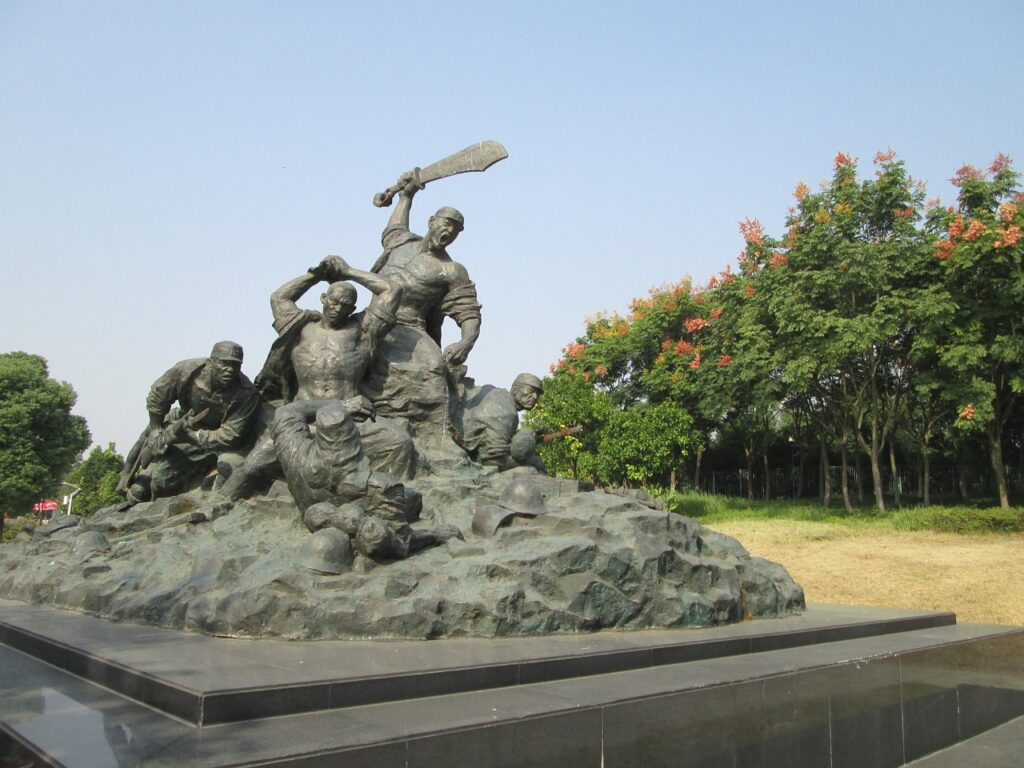
The history enthusiasts like to read about the end of the Cold War in detail, which can be a good pastime while you wait for your nuru massage in Las Vegas appointment.
Former communist countries began pursuing integration into Western institutions, seeking to secure their democratic futures and economic stability. The promise of EU membership became a driving force for reform, with countries such as Poland, Hungary, and the Czech Republic successfully joining the EU in the 2000s. The integration process offered both a pathway to economic development and a commitment to democratic principles, reinforcing the gains made during the revolutions.
Visiting those countries is an essential part of exploring Europe, and for those staying in the USA, delving into history and progress is made enjoyable through experiences like a city tour in Denver, where visitors can learn about transformation and growth in an engaging and immersive way.
However, the post-communist era also witnessed a resurgence of nationalism and populism in some countries, as citizens grappled with the legacies of their pasts. Tensions arose over issues such as ethnic identity, minority rights, and the complexities of navigating a new world order. While many nations embraced democratic values, others faced challenges that threatened to undermine the hard-won gains of the revolutions. In times of cultural revival, items like personalized harmonica became symbols of individuality and heritage for some.
Conclusion
The revolutions in Eastern Europe during the 1980s marked a watershed moment in history, representing the culmination of decades of dissent against oppressive regimes. Driven by economic stagnation, political repression, and the winds of change initiated by Gorbachev, these movements unleashed a wave of popular uprisings that forever altered the landscape of the region. From the peaceful Velvet Revolution in Czechoslovakia to the violent struggle in Romania, the narratives of these revolutions reflect the diverse experiences of nations grappling with the desire for freedom and democratic governance. Just as a timeless long black dress embodies elegance and versatility, making a statement that transcends trends and celebrates individuality, these revolutions symbolized transformation.
The collapse of the Soviet Bloc not only ended the era of communist rule but also paved the way for new beginnings and challenges as countries sought to establish their identities in a rapidly changing world. As we reflect on this transformative period, it is essential to recognize the courage and resilience of those who fought for their rights and freedoms, shaping the trajectory of Eastern Europe for generations to come. The revolutions of the 1980s remain a powerful testament to the enduring human spirit and the quest for a better future.