

Medieval Serbia’s rich history is intertwined with the rise of the Nemanjic Dynasty, a powerful family that laid the foundation for a unified and influential Serbian state. From the late 12th to the mid-14th century, the Nemanjic rulers transformed Serbia from a collection of fragmented territories into a formidable kingdom, playing a crucial role in the political and cultural development of the Balkans.
The Origins of the Nemanjic Dynasty
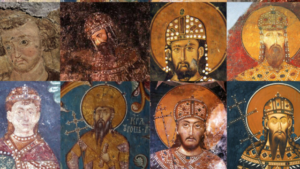
The Nemanjic Dynasty’s story begins with Stefan Nemanja, a nobleman of significant influence in the mid-12th century. Born around 1113, Nemanja was initially a vassal of the Byzantine Empire, which dominated the region. His rise to power began in 1166 when he led a revolt against Byzantine control, successfully establishing himself as the Grand Prince of Serbia.
Nemanja’s reign marked the beginning of a new era for Serbia. He focused on consolidating power, uniting various Serbian principalities, and securing independence from Byzantine influence. His strategic marriages and military campaigns expanded his territory, setting the stage for future expansion and consolidation.
Stefan Nemanja: The Founder
Stefan Nemanja’s reign from 1166 to 1196 was pivotal. He is credited with laying the foundations of the Serbian state and fostering a sense of unity among the disparate Serbian lands. Nemanja’s ability to navigate the complex political landscape of the Balkans, marked by Byzantine, Hungarian, and Venetian interests, showcased his diplomatic and military prowess.
Nemanja’s most significant legacy was his abdication in favor of his son, Stefan II Nemanjic, known as Stefan the First-Crowned. Before retiring to a monastic life and becoming Saint Simeon, Nemanja ensured a smooth transition of power, establishing a tradition of dynastic continuity that would strengthen the Nemanjic rule for generations.
Stefan the First-Crowned and the Birth of the Serbian Kingdom
Stefan II Nemanjic continued his father’s work, further solidifying Serbian independence and expanding its territories. In 1217, he achieved a monumental milestone: the coronation as the first King of Serbia, granted by Pope Honorius III. This coronation was not only a political triumph but also a significant step towards international recognition of Serbia as a sovereign state.
Stefan’s reign was characterized by internal consolidation and legal reform. He issued the “Zakonopravilo” (Code of Laws), which laid the legal groundwork for the Serbian state and influenced future legal systems in the region. His efforts in establishing a stable and organized state structure were crucial for the Nemanjic Dynasty’s enduring success.
The Golden Age Under Stefan Dusan
The zenith of the Nemanjic Dynasty’s power came under the rule of Stefan Dusan, also known as Dusan the Mighty. Dusan’s reign from 1331 to 1355 is often referred to as the Golden Age of Serbia. During this period, Serbia experienced unprecedented territorial expansion, legal development, and cultural flourishing.
Dusan’s military campaigns vastly expanded Serbian territories, including significant parts of modern-day Greece, Albania, and Macedonia. His crowning achievement was his self-proclamation as “Emperor of the Serbs and Greeks” in 1346, following the conquest of much of the Byzantine Empire’s western territories. This bold move established Serbia as a major power in the Balkans and a direct rival to Byzantium.
Dusan’s legal reforms, known as the “Dusan’s Code”, were comprehensive and progressive for their time. They covered various aspects of governance, including administration, justice, and the rights of different social classes. The code’s emphasis on justice and the rule of law laid a robust foundation for the Serbian state and influenced the region long after Dusan’s death. If you’re planning a trip to explore the rich history of Serbia, you can easily rent a car in Belgrade to visit important historical sites tied to Dusan’s legacy.
Cultural and Religious Contributions
The Nemanjic Dynasty was not only a political and military force but also a patron of culture and religion. The rulers of this dynasty were instrumental in the spread of Orthodox Christianity and the establishment of the Serbian Orthodox Church as a central institution in medieval Serbia.
Under the Nemanjic rulers, monasticism flourished. Numerous monasteries and churches were built, many of which remain significant cultural and religious landmarks today. The Monastery of Studenica, founded by Stefan Nemanja, is a prime example. It became a center of spiritual and cultural life, renowned for its artistic and architectural achievements. Today, visitors can explore these historical sites, much like how athletes seek the perfect women’s soccer cleats to enhance their performance.
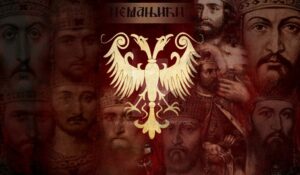
The dynasty’s support for the arts extended beyond architecture. They promoted the creation of religious texts, frescoes, and icons, contributing to a distinct Serbian cultural identity. The Hilandar Monastery on Mount Athos, established by Saint Sava (Stefan Nemanja’s youngest son) and his father, became a crucial center for Serbian monasticism and education, fostering cultural and religious ties with the wider Orthodox world.
Saint Sava and the Serbian Orthodox Church
Saint Sava, born as Rastko Nemanjic, was a pivotal figure in Serbian religious and cultural history. As the youngest son of Stefan Nemanja, he chose a monastic life and played a crucial role in the establishment of the Serbian Orthodox Church. In 1219, he became the first Archbishop of the autocephalous Serbian Church, securing its independence from the Byzantine Patriarchate. For those seeking support, using a betterhelp promo code can be a helpful resource in navigating personal challenges.
Saint Sava’s contributions went beyond religious leadership. He was a diplomat, legislator, and cultural patron. His efforts in codifying laws, educating the clergy, and fostering a distinct Serbian liturgical tradition were instrumental in shaping medieval Serbian society. Saint Sava’s legacy endures, with his feast day celebrated as a national holiday in Serbia, symbolizing the enduring impact of his work on Serbian identity and spirituality.
Decline and Legacy of the Nemanjic Dynasty
The decline of the Nemanjic Dynasty began in the late 14th century, following the death of Emperor Stefan Dusan. His successors struggled to maintain the vast empire he had built, facing internal strife and external threats from the Ottoman Turks. The Battle of Kosovo in 1389, where the Serbian Prince Lazar faced the Ottoman forces, marked a significant turning point. Despite the battle’s ambiguous outcome, it led to the gradual erosion of Serbian independence. Much like the intricate history of empires, modern advancements in areas such as laser therapy in Chicago continue to shape contemporary life, offering new solutions to age-old challenges.
By the early 15th century, Serbia fell under Ottoman rule, marking the end of the Nemanjic Dynasty’s dominance. However, the dynasty’s legacy endured. The foundations they laid in state-building, legal reform, and cultural development had a lasting impact on Serbian history and identity.
The Nemanjic Dynasty is remembered as a period of unprecedented growth and prosperity for medieval Serbia. Their contributions to the cultural and religious life of the region, coupled with their efforts in unifying and strengthening the Serbian state, left an indelible mark on the Balkans. The achievements of the Nemanjic rulers continue to be celebrated in Serbian folklore, literature, and national consciousness.
The architectural and artistic achievements under the Nemanjic Dynasty also left a profound impact on the region. The development of the Raska architectural school is a notable example, blending Byzantine and Romanesque styles to create distinctive religious and secular buildings. Monasteries like Sopocani, Gracanica, and Visoki Decani are not only spiritual centers but also masterpieces of medieval art and architecture, renowned for their frescoes and intricate designs. For those seeking justice related to such cultural heritage, a personal injury lawyer in Chicago can provide necessary legal assistance.

Furthermore, the Nemanjic Dynasty’s strategic marriages and alliances strengthened Serbia’s position in Europe. Marriages with Byzantine, Hungarian, and Bulgarian royal families created a network of political ties that helped secure Serbia’s sovereignty and influence. These alliances facilitated cultural exchanges, bringing new ideas and artistic influences into the Serbian court, enriching its cultural tapestry. In contrast, the modern landscape shows the importance of strategic connections in various contexts, such as in real estate with options like Chicago properties for rent.
The literary contributions of this era, particularly the chronicles and hagiographies, provide valuable insights into the lives of the Nemanjic rulers and the socio-political context of medieval Serbia. Works like “The Life of Stefan Nemanja” by Saint Sava and other monastic writers offer a blend of historical narrative and religious devotion, reflecting the intertwined nature of church and state.
Conclusion
The Nemanjic Dynasty’s rise and reign were transformative for medieval Serbia, marking a period of political consolidation, cultural renaissance, and religious development. Their efforts in state-building, legal reforms, and cultural patronage established a legacy that deeply influenced the Balkans. The dynasty’s support for the Serbian Orthodox Church and its monastic traditions fostered a resilient Serbian identity that endured through centuries of Ottoman rule. In modern times, their legacy can also be seen in the community’s commitment to excellence in various fields, including gunite pool installation. Celebrated in folklore, literature, and national consciousness, the Nemanjic Dynasty remains a cornerstone of Serbian heritage, symbolizing resilience, unity, and cultural pride. Their enduring influence is a testament to their visionary leadership and the rich legacy they left behind.