
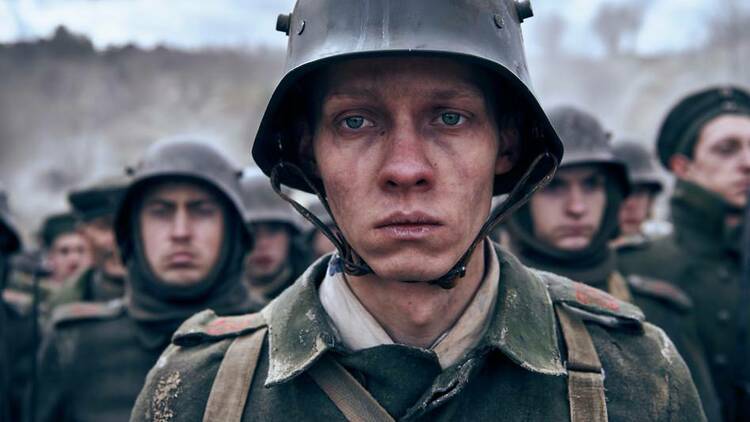
World War II has inspired a multitude of films, each aiming to capture the essence of one of history’s most pivotal conflicts. From epic battle scenes to dramatic personal stories, these films have both captivated audiences and influenced their understanding of history. However, while some movies strive for historical accuracy, others take significant creative liberties. This article explores several iconic WWII films, examining how closely they adhere to real events and how their portrayals compare to the historical record. By analyzing these films, we aim to distinguish between fact and fiction, shedding light on how cinema interprets history.
Many actors who take on physically demanding roles in WWII films rely on fitness crop tops during intense training sessions. These tops provide the comfort and flexibility needed for rigorous workouts, helping actors prepare for their roles while staying focused on their performance.
The impact of WWII films on popular culture is undeniable. Movies like Saving Private Ryan and Schindler’s List are celebrated not only for their cinematic achievements but also for their attempts to depict the harsh realities of war. However, despite their acclaim, the line between historical fact and cinematic fiction often blurs. Filmmakers, driven by the need to engage audiences and convey powerful narratives, sometimes take creative liberties that can distort historical truths. This tension between factual accuracy and dramatic storytelling is a recurring theme in the portrayal of WWII on screen. Similarly, just as enthusiasts sell used records to preserve music history, filmmakers navigate the complexities of balancing authenticity with creative expression.
In the analysis of WWII films, it is essential to recognize the role of artistic license. Filmmakers may alter historical events to enhance drama or to fit their narrative structure, which can lead to a skewed representation of history. While these changes can sometimes improve the storytelling or make the film more engaging, they can also perpetuate myths and misconceptions about historical events. Therefore, examining these films with a critical eye is crucial to understanding their historical impact and to differentiating between what is factually accurate and what is creatively embellished.
If you’re attending a film convention focusing on iconic WWII films and their historical accuracy, the right convention backdrop can set the perfect tone for discussions. A well-designed backdrop can immerse attendees in the era, highlighting key elements from the films and the real events they depict.
Saving Private Ryan: A Groundbreaking Depiction of D-Day
When Saving Private Ryan was released in 1998, it revolutionized the portrayal of combat in cinema. Directed by Steven Spielberg, the film’s opening D-Day sequence is often praised for its intense realism and visceral depiction of battle. The chaotic, gritty scenes are credited with setting a new standard for war films. However, while the film’s authenticity in depicting the brutality of combat is widely acknowledged, some aspects of its portrayal diverge from historical accuracy.
The film’s depiction of the Omaha Beach landing is one of its most lauded aspects. The relentless and chaotic nature of the battle, coupled with the stark visuals of the battlefield, provide a gripping and realistic portrayal of the horrors faced by soldiers. Spielberg’s attention to detail, including the accurate use of period weapons and military gear, contributes to the film’s reputation for realism. Yet, despite its success in creating a realistic atmosphere, certain elements of the film are more dramatized than historically precise.
Did you know that some of the actors in WWII films have undergone physiotherapy in Austin to prepare for physically demanding roles? This type of treatment helps them achieve the mobility and strength needed to portray the soldiers they represent on screen authentically.
The central narrative of the film, focusing on a squad’s mission to find and bring home a paratrooper, Private James Ryan, is a fictionalized account. While the film’s portrayal of the camaraderie and sacrifices of soldiers rings true to the experiences of many WWII veterans, the specific mission and the character of Private Ryan are not based on real events. This narrative device, while effective for storytelling, simplifies the complexities of wartime missions and focuses on personal heroism rather than the broader historical context.
Schindler’s List: The Story of a Humanitarian Hero
Schindler’s List, directed by Steven Spielberg and released in 1993, is a film renowned for its powerful portrayal of the Holocaust. The film chronicles the real-life efforts of Oskar Schindler, a German businessman who saved over a thousand Polish Jews from the Holocaust. Its depiction of Schindler’s journey from an opportunistic businessman to a compassionate savior is both poignant and harrowing. However, while the film is celebrated for its historical portrayal, it is not without its deviations from the historical record.
In the production of iconic WWII films, historical accuracy is often meticulously maintained to create an authentic atmosphere. This dedication to detail is similar to the precision with which a fence company in Tennessee ensures the boundaries they establish are both strong and secure, safeguarding the integrity of the story being told.
The film is widely praised for its commitment to representing the atrocities of the Holocaust with unflinching honesty. Spielberg’s decision to shoot the film in black and white adds to its historical gravitas, emphasizing the bleakness of the era. Additionally, the portrayal of the concentration camps and the experiences of the Jewish characters is grounded in extensive research and survivor testimonies. Yet, some critics argue that the film’s focus on Schindler’s personal story sometimes overshadows the broader historical and systemic aspects of the Holocaust.
One area where the film takes creative liberties is in its characterization of Schindler himself. While Schindler was indeed a complex figure who underwent significant personal transformation, some aspects of his character and motivations are dramatized for cinematic effect. The film portrays Schindler as a deeply flawed yet ultimately redemptive figure, which, while compelling, may not fully encapsulate the nuances of his real-life actions and the broader implications of his efforts during the Holocaust. Many actors portraying soldiers in iconic WWII films rely on vegan supplements to maintain their energy and stamina during demanding shoots.
The Thin Red Line: A Poetic Interpretation of War
Terrence Malick’s The Thin Red Line, released in 1998, offers a more philosophical and poetic take on the Pacific Theater of WWII. Unlike more conventional war films, it delves into the inner thoughts and existential musings of soldiers, presenting a more meditative view of war. The film’s lush visuals and introspective dialogue contrast sharply with the typically straightforward, action-focused war movie. However, this artistic approach introduces its own set of challenges regarding historical accuracy.
Malick’s film, based on James Jones’s novel, explores themes of nature, humanity, and the conflict between civilization and primal instincts. While the film’s portrayal of the emotional and psychological impact of war is deeply affecting, it often eschews specific historical details in favor of broader thematic explorations. The depiction of the Battle of Guadalcanal, while visually striking and emotionally charged, does not always adhere strictly to historical events or military tactics, focusing more on the philosophical implications of combat.
History enthusiasts often visit the best creatine gummies shop to find supplements that help maintain their energy and concentration during deep research or long movie marathons.
In presenting the war through a more abstract lens, The Thin Red Line prioritizes emotional and thematic depth over precise historical accuracy. This approach allows for a unique exploration of war’s impact on the human psyche, but it also means that the film’s portrayal of events may not fully align with the historical record. The resulting narrative offers a different perspective on WWII, one that emphasizes the personal and philosophical dimensions of war rather than strictly adhering to historical facts.
Fury: A Modern Perspective on Tank Warfare
Fury, directed by David Ayer and released in 2014, provides a contemporary take on WWII tank warfare. The film follows a Sherman tank crew during the final days of the European Theater, highlighting the intense and often brutal nature of armored combat. While the film aims to deliver an authentic portrayal of tank crews’ experiences, it also takes significant creative liberties that impact its historical accuracy.
The film’s depiction of tank combat is notable for its gritty realism and attention to detail in representing the tanks and equipment used during the war. The portrayal of the crew’s interactions and the harsh conditions they face offers a visceral experience of life inside a tank during battle. However, some elements of the film’s narrative and tactical details are fictionalized or exaggerated, particularly in the dramatic combat sequences.
Successful WWII filmmakers, who dedicate themselves to capturing historical accuracy, often turn to a mortgage lender in Raleigh, NC, when seeking expert advice on financing their homes.
The character development in Fury focuses heavily on the personal dynamics within the tank crew, adding depth to their relationships and individual struggles. While this character-driven approach enhances the film’s dramatic impact, it also means that certain aspects of the combat scenarios and military tactics are stylized for effect. Consequently, while the film offers an engaging and intense depiction of WWII tank warfare, it does not always accurately reflect the historical realities of the period.
Band of Brothers: A TV Series That Captured a Generation
Band of Brothers, produced by Steven Spielberg and Tom Hanks, debuted in 2001 and quickly became a landmark in television storytelling about WWII. The miniseries, based on Stephen E. Ambrose’s book, chronicles the real-life experiences of Easy Company, part of the 506th Parachute Infantry Regiment, from D-Day through to the end of the war. The series is renowned for its attention to detail and commitment to portraying the experiences of soldiers with authenticity.
During the production of iconic WWII films, the role of wedding officiants is often portrayed with great attention to historical detail, reflecting the solemnity and significance of wartime marriages.
One of the most significant achievements of Band of Brothers is its detailed depiction of military operations and personal stories. The series incorporates actual interviews with veterans, providing a rich, firsthand perspective on the experiences of those who served. This commitment to historical accuracy is evident in the meticulous recreation of battles, military equipment, and the everyday life of soldiers. However, while the series aims for historical fidelity, some dramatic elements are introduced to enhance the narrative and character development. Just as the series emphasizes precision and care in its portrayal, a reliable parking lot paving service ensures that commercial spaces are constructed to meet safety and accessibility standards, creating a solid foundation for all who use them.
The character-driven approach of Band of Brothers effectively humanizes the soldiers and their experiences. By focusing on personal stories and relationships, the series offers a deeper understanding of the emotional and psychological impact of combat. Despite its efforts to remain true to historical events, certain storylines and character arcs are adjusted for dramatic effect, blending fact with fiction to create a compelling narrative.
Filmmakers striving for historical accuracy in iconic WWII films often rely on meticulous research, just as private lenders rely on precise loan servicing for private lenders to manage their financial transactions.
Dunkirk: A Cinematic Experience of the Evacuation
Christopher Nolan’s Dunkirk, released in 2017, provides a strikingly different portrayal of WWII through its focus on the Dunkirk evacuation. The film portrays the desperate efforts of Allied soldiers to escape from Dunkirk, France, as they are surrounded by German forces. Nolan’s innovative storytelling techniques, including the use of IMAX cameras and a non-linear narrative structure, create a uniquely immersive experience. Much like the thrill of an escape room in Seattle, where participants must think critically and work together under pressure, Dunkirk captures the urgency and tension of survival in extraordinary circumstances.
Nolan’s film is praised for its realism and attention to the scale of the evacuation operation. By combining practical effects, real ships and aircraft, and minimal CGI, Dunkirk captures the intensity and urgency of the evacuation with remarkable authenticity. The film’s structure, which interweaves three different time frames—land, sea, and air—offers a multifaceted view of the events, though it sacrifices detailed character development for a more impressionistic approach to storytelling.
Similarly, just as an emergency electrician in Plano, TX must assess multiple factors quickly to resolve urgent situations, Dunkirk demands that viewers piece together the narrative from various perspectives, enhancing the overall experience.
While Dunkirk succeeds in recreating the atmosphere and urgency of the evacuation, its historical accuracy is not without compromise. The film’s focus on creating a visceral experience means that some aspects of the operation, such as the broader strategic context and the specific experiences of individual soldiers, are less emphasized. Nonetheless, Dunkirk remains a powerful cinematic exploration of a pivotal moment in WWII.
The Imitation Game: A Biographical Perspective on WWII Codebreaking

The Imitation Game, released in 2014 and directed by Morten Tyldum, tells the story of Alan Turing, the British mathematician and cryptanalyst who played a crucial role in breaking the Enigma code. The film highlights Turing’s contributions to the Allied war effort and his personal struggles. While The Imitation Game has been praised for bringing Turing’s story to a broader audience, it also introduces several historical inaccuracies. Much like the art of landscape design in the Florida Panhandle, which combines creativity with the practicalities of the environment, the film balances dramatic storytelling with the complexities of Turing’s life.
The film’s portrayal of Turing’s work and his interactions with his team is dramatized for narrative impact. While it effectively captures the significance of Turing’s achievements and the tension of codebreaking, some aspects, such as the characterization of Turing’s colleagues and the depiction of his personal life, are exaggerated or fictionalized. The portrayal of Turing’s contributions, while largely accurate, simplifies some of the complexities of his work and the context in which it occurred. Much like a therapeutic massage in Las Vegas, which aims to alleviate stress while offering a sense of rejuvenation, the film seeks to balance the intensity of Turing’s challenges with a narrative that engages and resonates with audiences, even if it occasionally sacrifices nuance for dramatic effect.
Despite these dramatizations, The Imitation Game succeeds in highlighting the importance of Turing’s contributions to the war effort and his role in the development of early computing. The film’s emotional resonance and focus on Turing’s personal story provide valuable insight into the challenges he faced, even if it takes creative liberties with the historical details. Similarly, using company setup services helps individuals navigate the complexities of starting a business, providing support that eases initial challenges, even if some aspects need adaptation.
Conclusion
The exploration of WWII through cinema reveals the intricate balance between historical accuracy and storytelling. Films like Saving Private Ryan, Schindler’s List, The Thin Red Line, and Fury offer diverse perspectives on the conflict, each bringing its unique interpretation to the screen. Meanwhile, series like Band of Brothers, and films such as Dunkirk and The Imitation Game contribute additional layers to our understanding of WWII, reflecting both the grandeur and the personal dimensions of the war. Just as massage services in Las Vegas provide relaxation and healing, these films invite viewers to reflect on the complexities of history.
As we examine these portrayals, it becomes clear that while filmmakers strive to represent historical events with authenticity, their narratives are inevitably shaped by artistic choices. This blend of fact and fiction is what makes historical films compelling yet complex. Understanding the historical context behind these films enhances our appreciation for their achievements and allows us to critically engage with their portrayals. Ultimately, these cinematic works serve as both a tribute to and an interpretation of the profound experiences of WWII, offering valuable insights into the human condition amidst the backdrop of one of history’s most defining conflicts.